Other languages (Google Translate)
Home › Search
48 results for “stress”
A warm cup of herbal tea can be a calming pause in a stressful day. But tea is not a treatment for anxiety. Here is what the research really shows, which herbs need care, and when it is time to talk to someone.
You do not need an hour or an app to unwind. Use the few minutes your tea needs to steep for slow breathing and gentle movement, then sit down with the cup.
When the night stays warm, sleep gets light and broken. A cooler room, the right drinks at the right time and a few simple habits make a real difference.
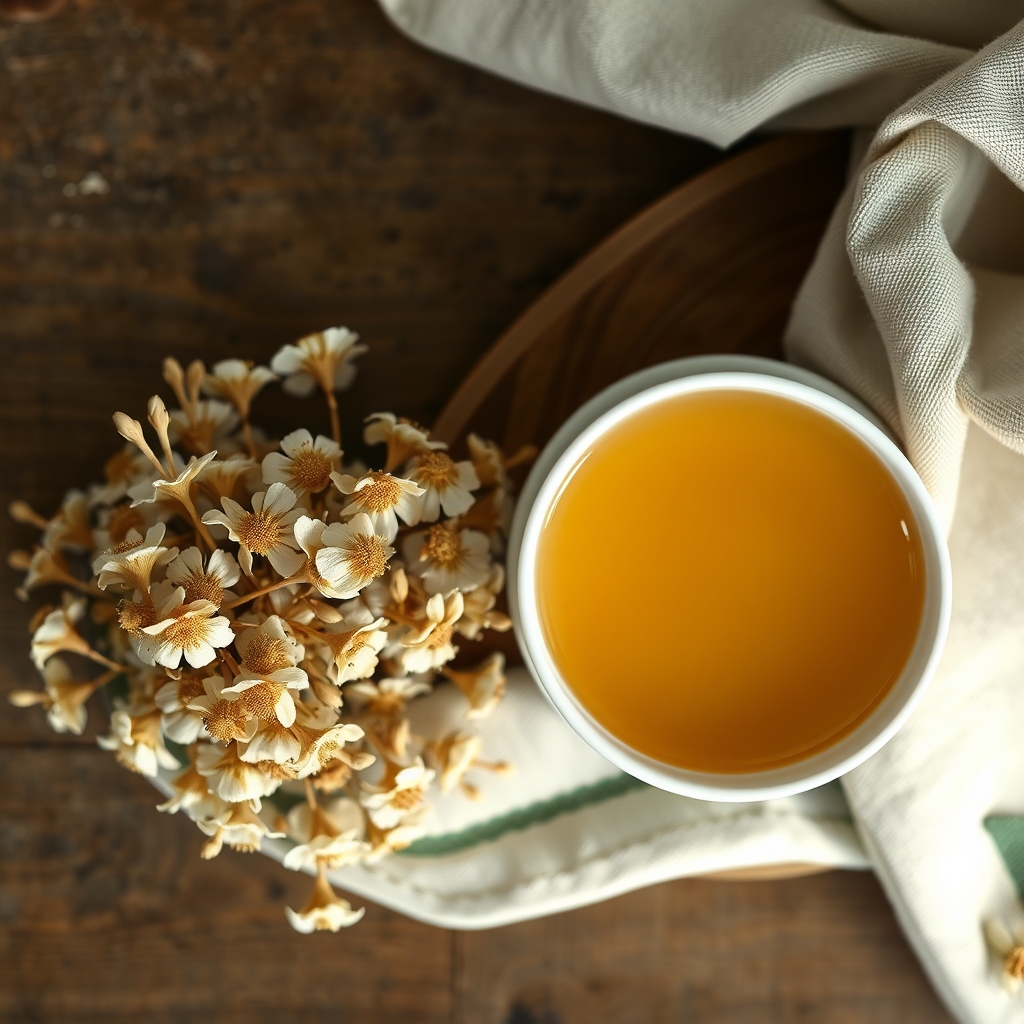
Three gentle evening teas, three different personalities. Here is how chamomile, linden and lemon verbena compare, what Europe's herbal medicine experts actually recognize each one for, and who should skip which.
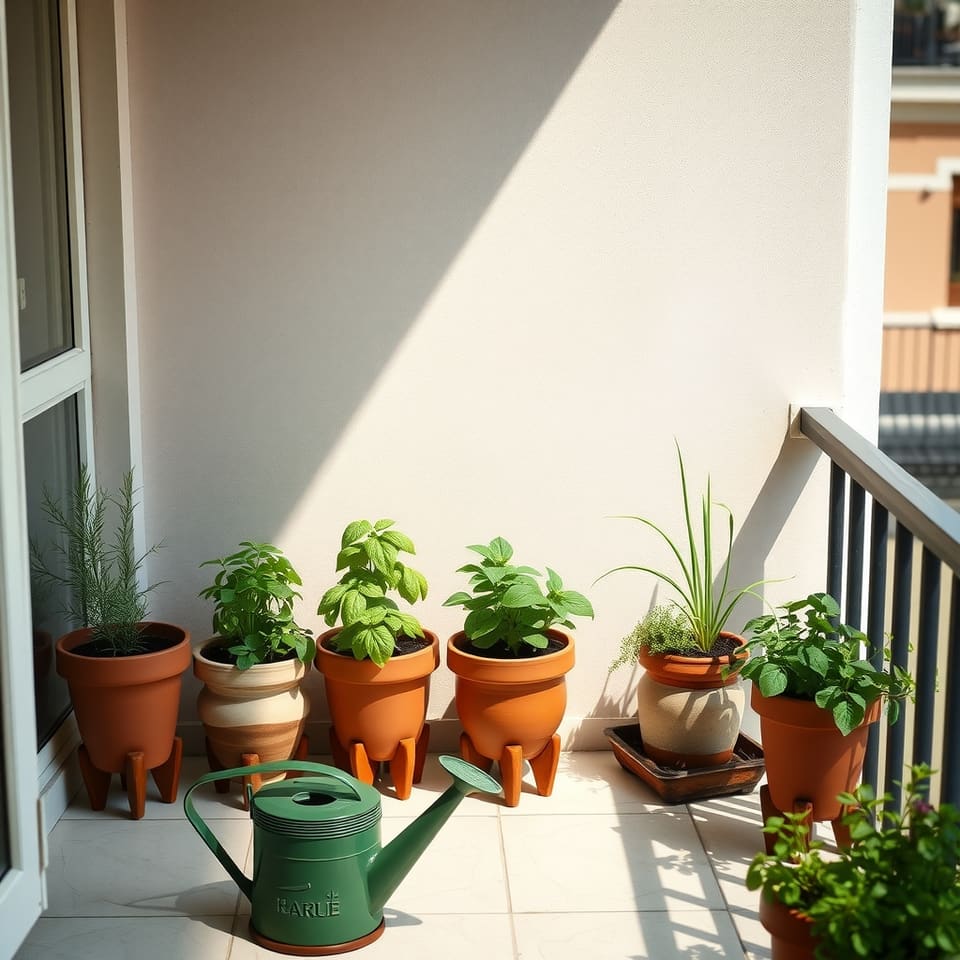
Six pots are enough for a herb garden you will use every day. Here is how to arrange them by sun and water needs, which pots and compost to choose, and how to keep them going on a windy, sunny balcony.
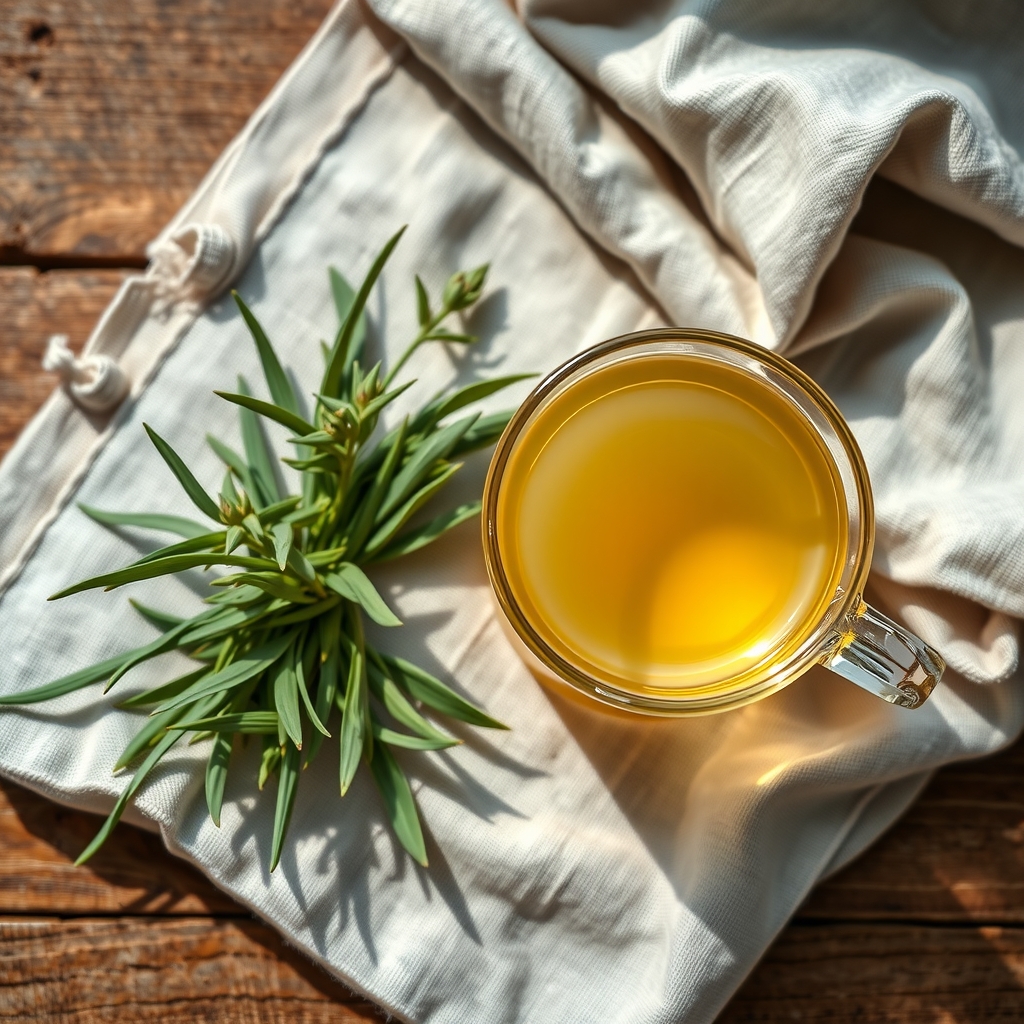
A bright, lemony leaf tea that many families in Cyprus and Greece drink after dinner. Here is how to brew it gently and what is actually known about it.
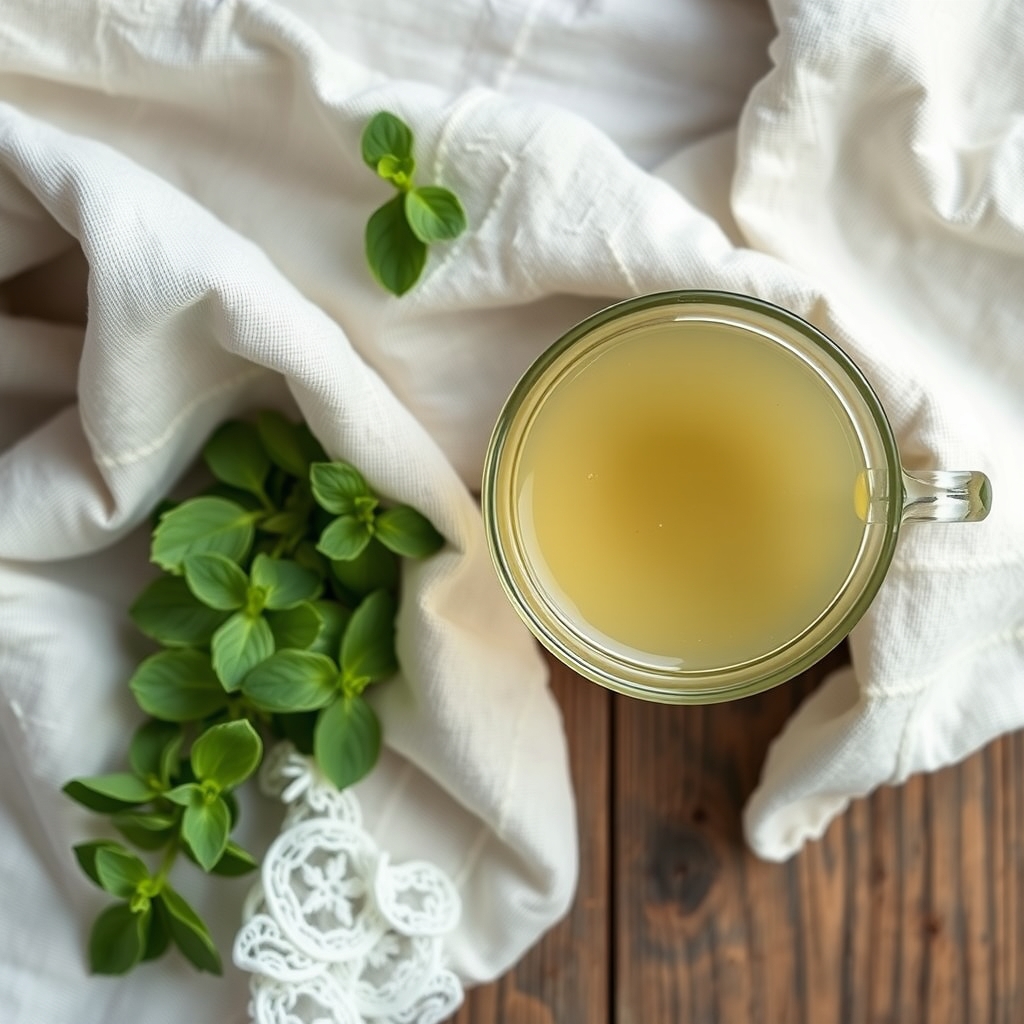
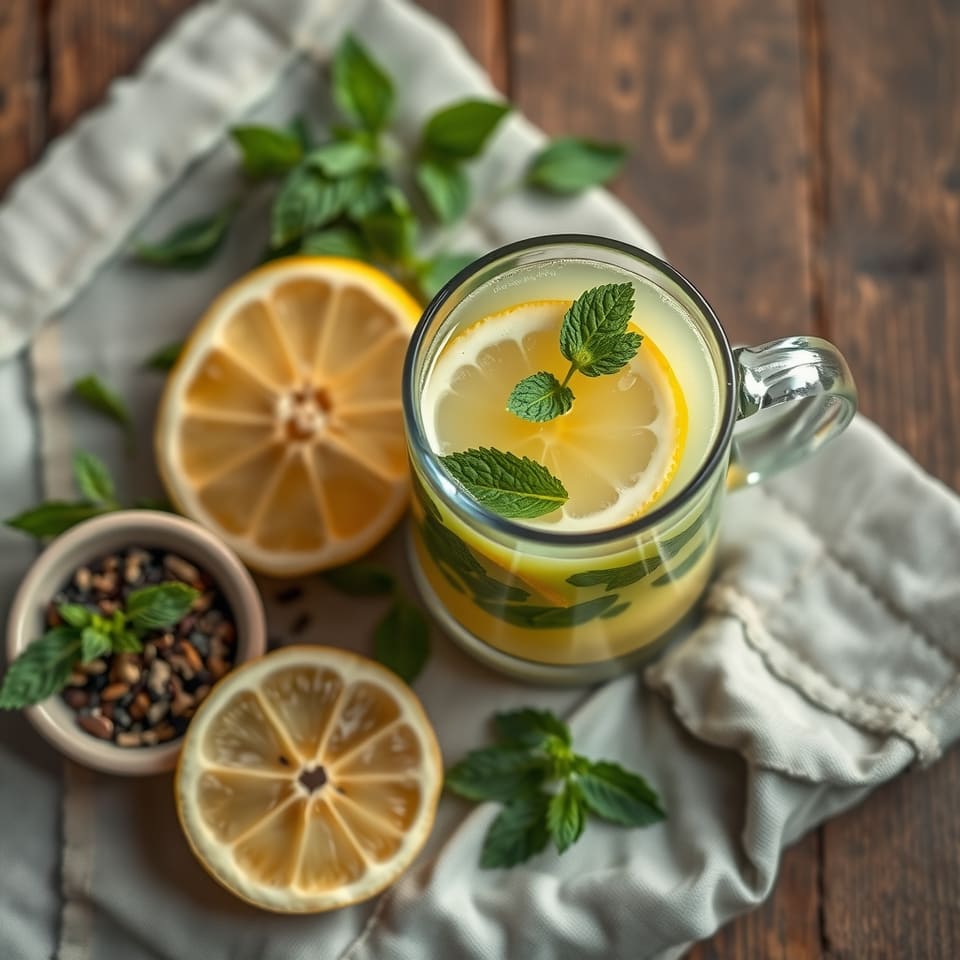
A gentle, lemony cup that has long been used to take the edge off a busy day. Here is how to brew it, and what is and is not known about it.
Honey-scented linden flowers have been brewed across Europe for centuries to settle the nerves and ease a cold. Here is how to make a cup and what science can and cannot say.
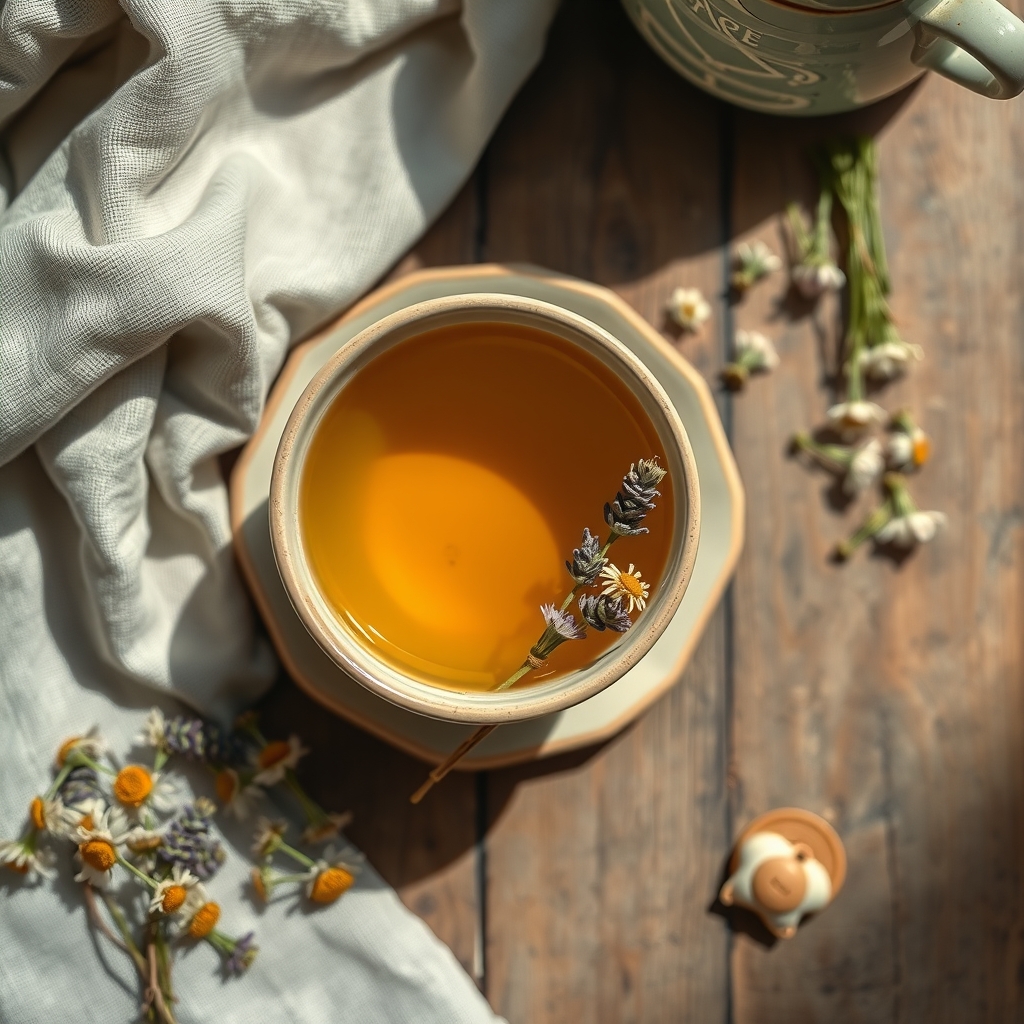
Apple-sweet chamomile with a whisper of lavender makes a soothing evening cup. Here is how to balance the blend and use it safely.
Valerian is one of the best-known herbal sleep aids, but the research is mixed and it comes with real cautions. Here is a clear guide before you try it.
Ashwagandha is everywhere right now, sold as a stress and sleep helper. Some small studies are encouraging, but there are serious warnings about the liver, the thyroid and pregnancy that you should know first.
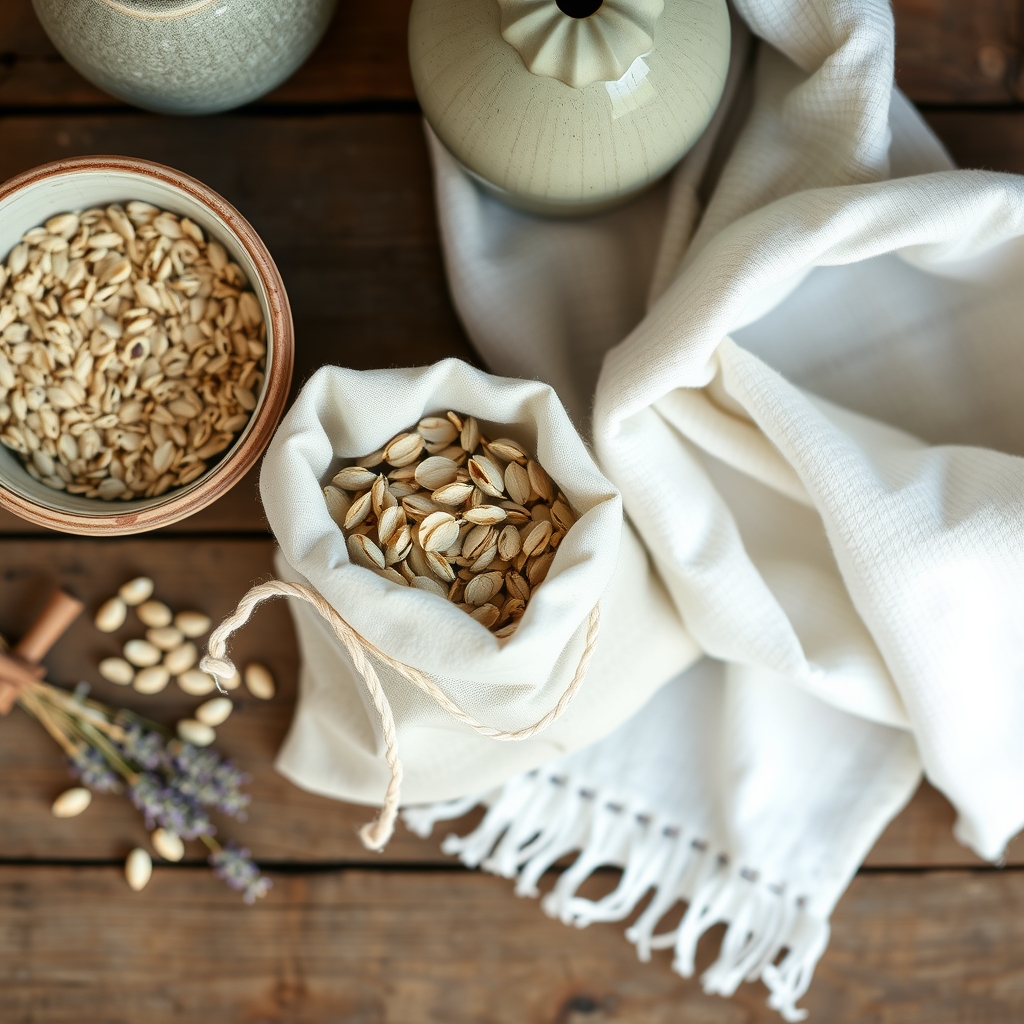
A warm soak with a bag of oats and chamomile flowers can be a gentle way to mark the end of the day. Here is how to make one, and what it can and cannot do for your sleep.
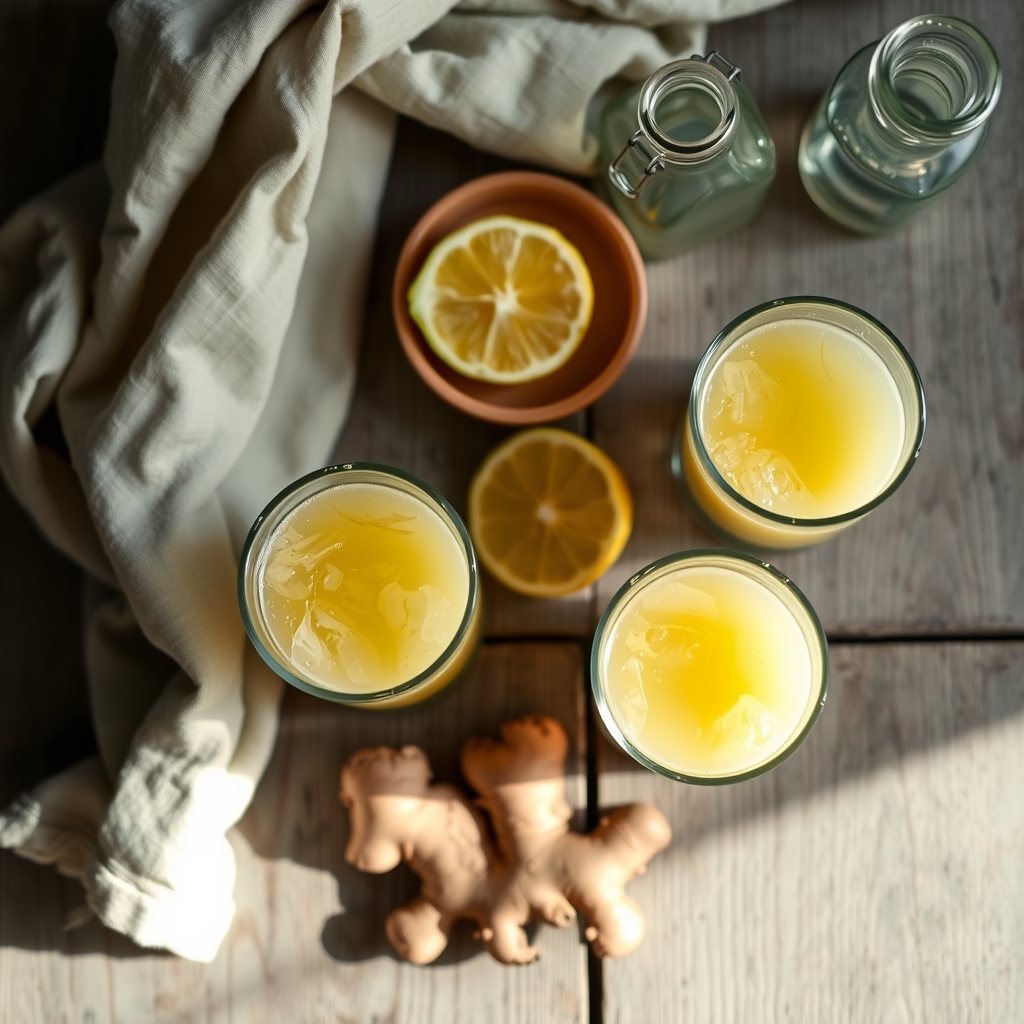
A small, fiery glass of fresh ginger and lemon. Here is how to make it, how strong is too strong, and what ginger shots can and cannot do.
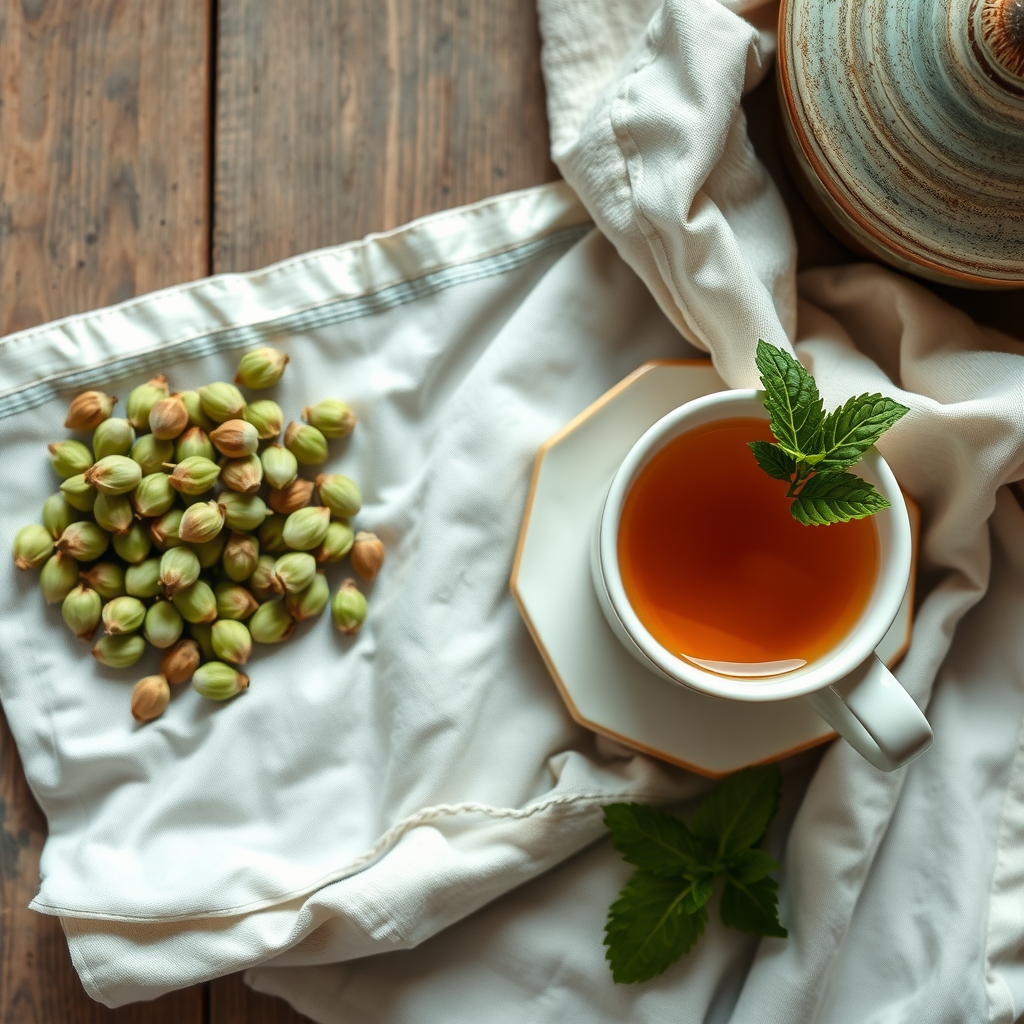
The same green cones that flavor beer have a long history as a bedtime herb. Here is how to brew hops tea, what the research shows, and who should skip it.
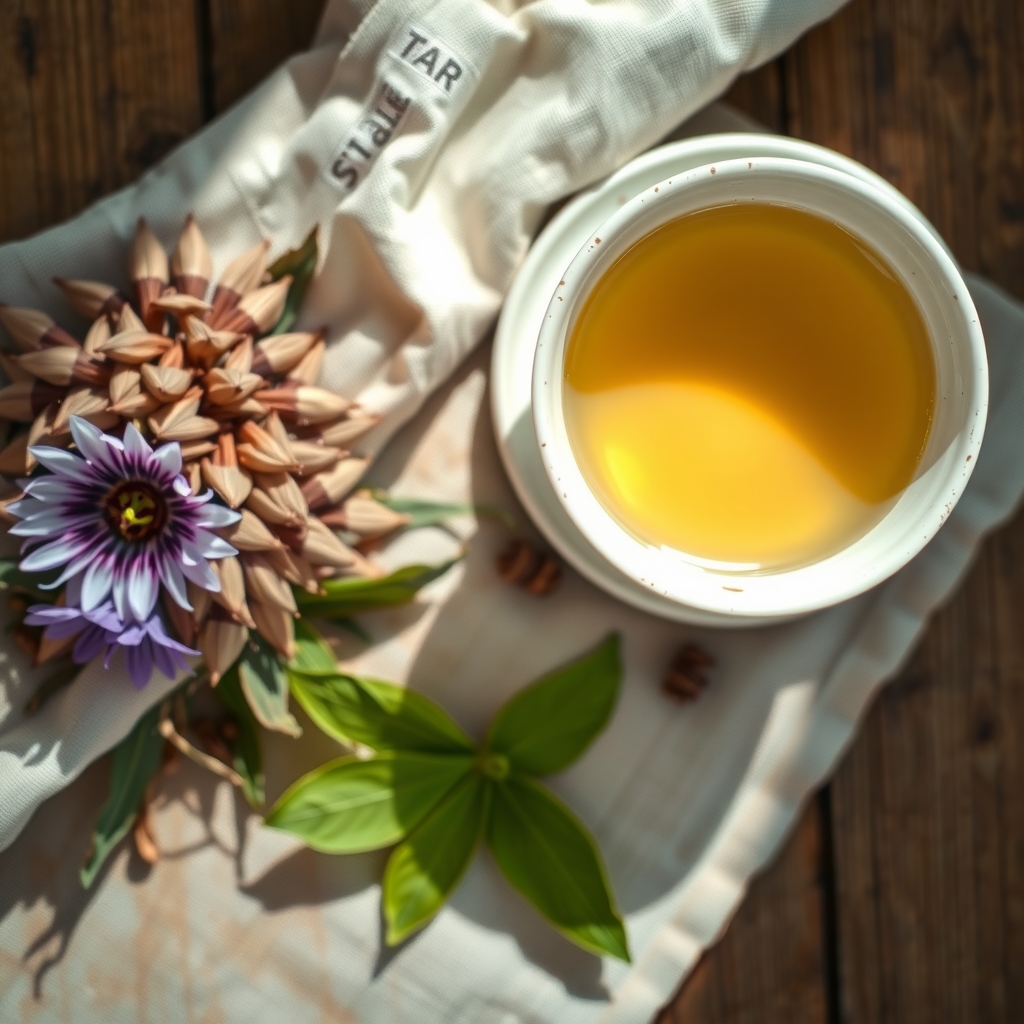
A mild, grassy evening tea with a long history as a calming herb. Here is what the research shows, how to brew it, and the cautions that matter.
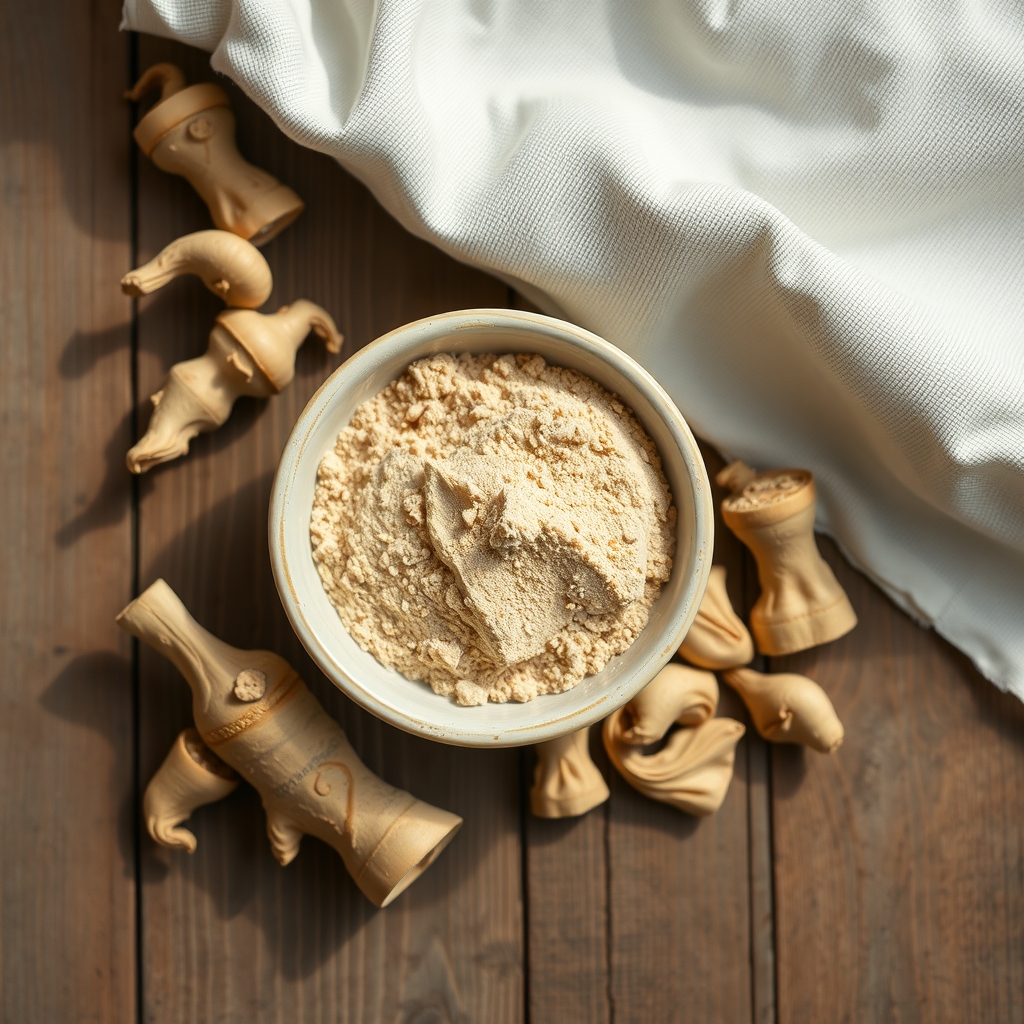
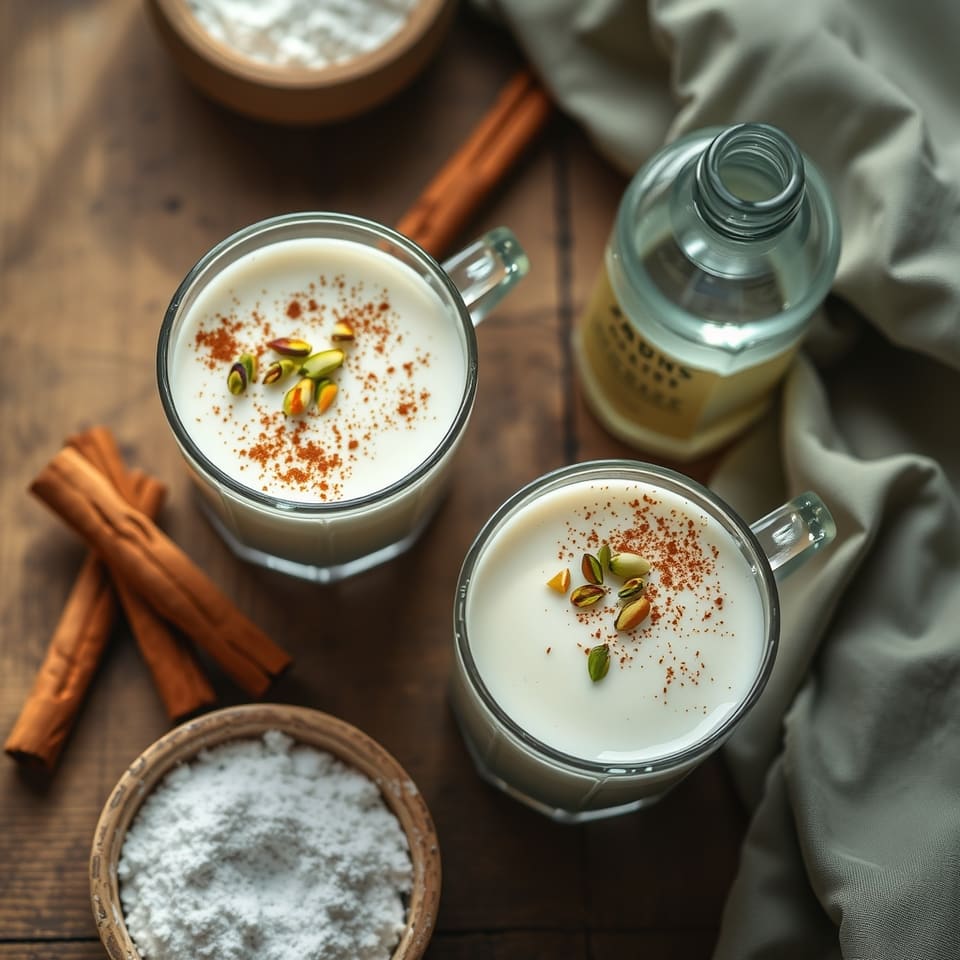
Thick, sweet and dusted with cinnamon, salep has warmed winter streets from Istanbul to Athens to old London. But the real thing is made from orchid tubers, and that has a cost. Here is the story, the problem, and an orchid-free version to make at home.
Some kitchen herbs are listed as non-toxic to cats and dogs, while others that feel just as harmless can make pets ill. Here is how to tell them apart and plant a pot you do not have to worry about.
Pilates builds strength and control, and small studies suggest it may help with modest weight loss. Paired with walking and steady changes to what you eat, it becomes part of a plan you can keep.
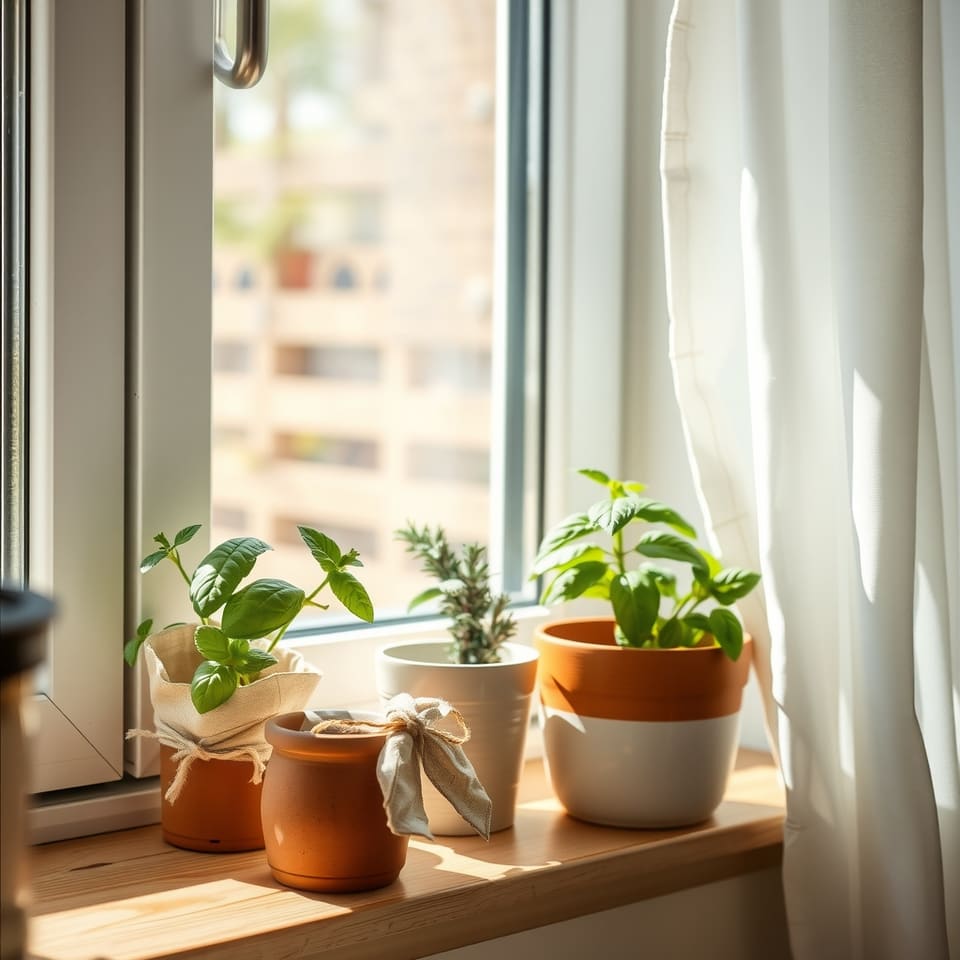
Short days are hard on herbs, but a bright kitchen windowsill can still give you fresh leaves all winter. Here is what to grow, how to give it enough light, and the watering mistake that kills most indoor herbs.
Too much water kills herbs faster, and probably more often, than too little. These five mistakes are easy to make and easy to fix once you know what to look for.
Most herbs want soil that drains well and is not too rich. Here is what to use in pots and beds, how much to feed, and how to handle compost safely.
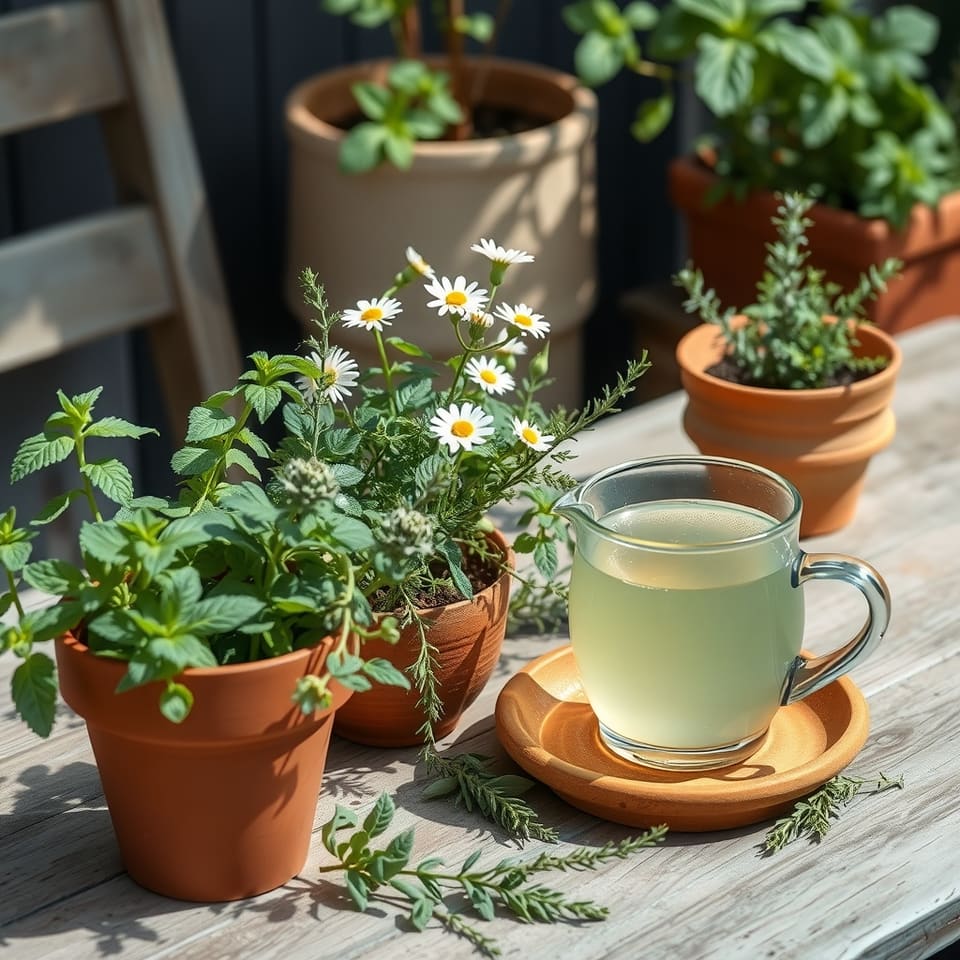
A few pots or a small sunny bed can keep you in fresh herbal tea for most of the year. These six plants are easy to grow, smell wonderful and taste good in a cup.
Pots of basil by the door and bowls of dried mint are an old kitchen habit. A pleasant scent may nudge a few flies away, but cleanliness, lids and screens do the real work.
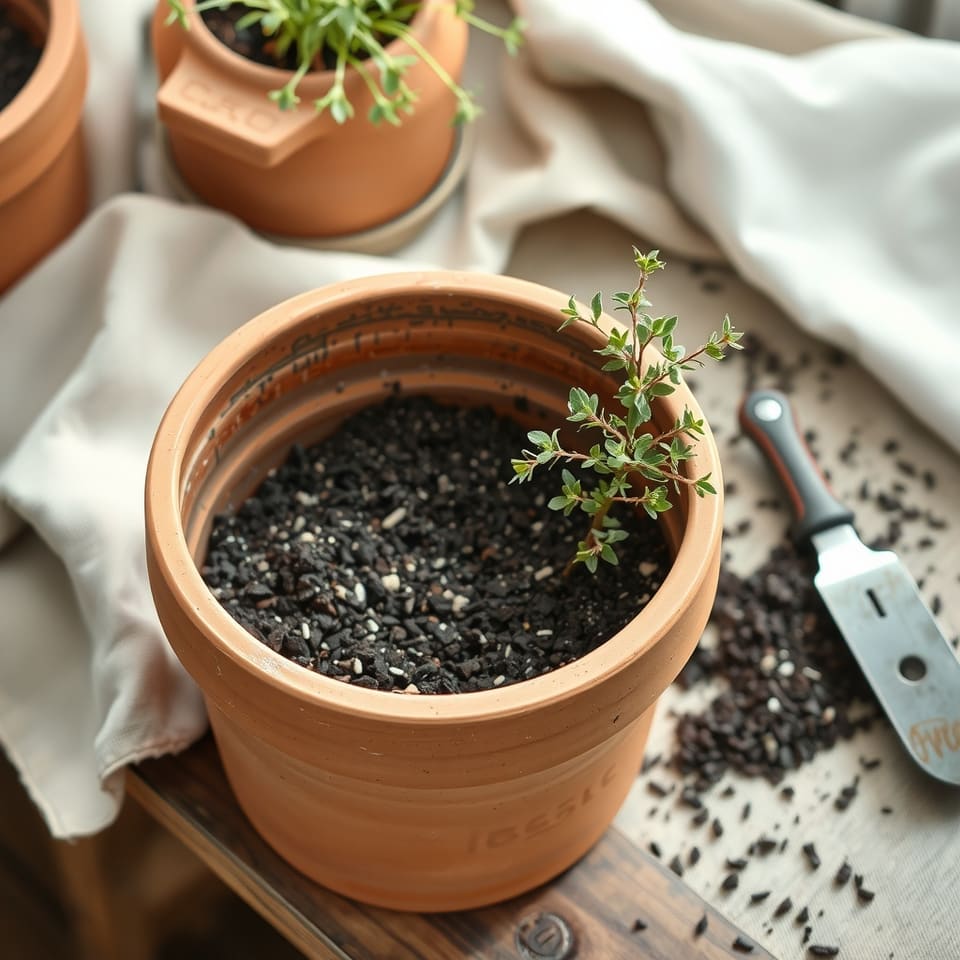
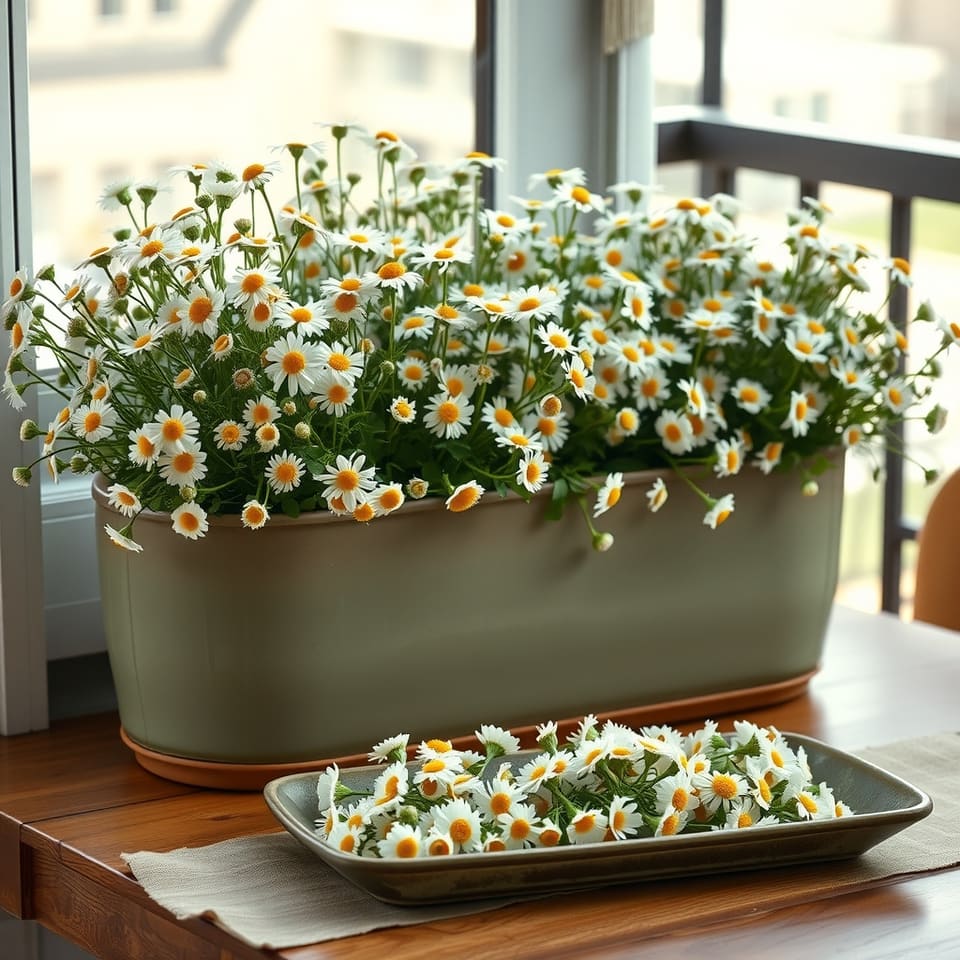
Chamomile goes from a pinch of dust-fine seed to a pot full of little daisies in about ten weeks. Here is how to sow it, grow it in containers and pick the flowers for tea.
Houseplants are often sold as natural air purifiers. The research tells a more modest story: plants bring real pleasure to a room, but fresh air and fewer pollution sources do the heavy lifting.
A pot of citronella or lavender on the patio does little to stop mosquitoes. One plant-based ingredient, oil of lemon eucalyptus in registered repellents, is recommended by the CDC, and that difference matters.
A musty smell in a wardrobe is almost always a sign of damp. Herbs can add a fresh scent, but the real fix is drying things out and cleaning away any mold.
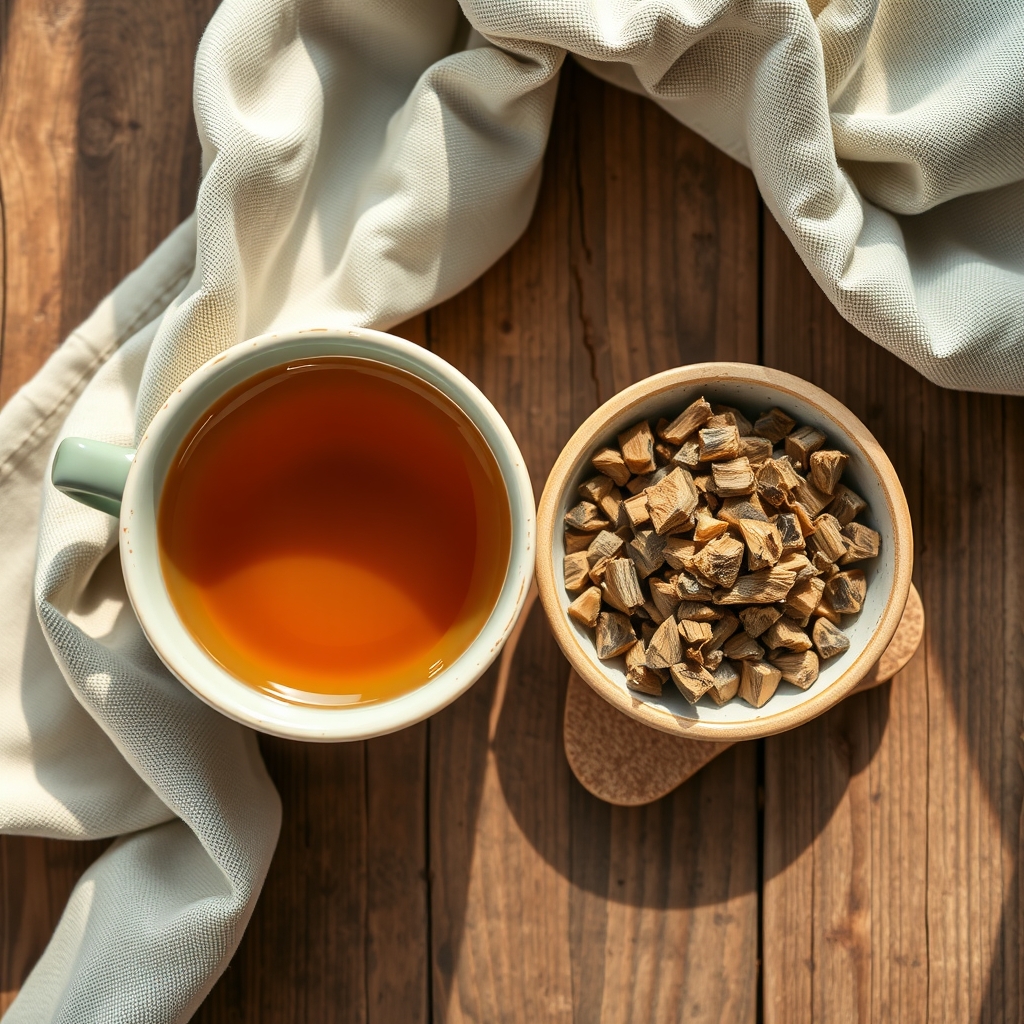
Rhodiola root is popular for tiredness and stress. The evidence is thin, the studied form is an extract rather than tea, and constant fatigue deserves a doctor first.
Mountain tea is not one plant but several closely related Sideritis species from the mountains of the Balkans and the Mediterranean. Here is how to tell them apart, why wild stands need care, and what to look for when you buy.
Orange juice, coconut water, salt and cream of tartar are being sold online as a cortisol detox. Here is what the trend claims, what your adrenal glands really do, and a simpler drink to enjoy instead.
Many new parents reach for a cup of herbal tea, but very little is known about most herbs during breastfeeding. Here is what the evidence says about three common ones, and how to check any tea before you drink it.
If you get heartburn, the tea in your cup matters. Some popular teas are well-known triggers, while a mild herbal cup may sit more comfortably. Here is what to try, what to skip and what the evidence really says.
Clove water is popular in skin care videos as a toner for spots, pores and dark marks. The real evidence is thin, and clove is a strong spice that can irritate skin. Here is an honest look, and a careful way to try it if you still want to.
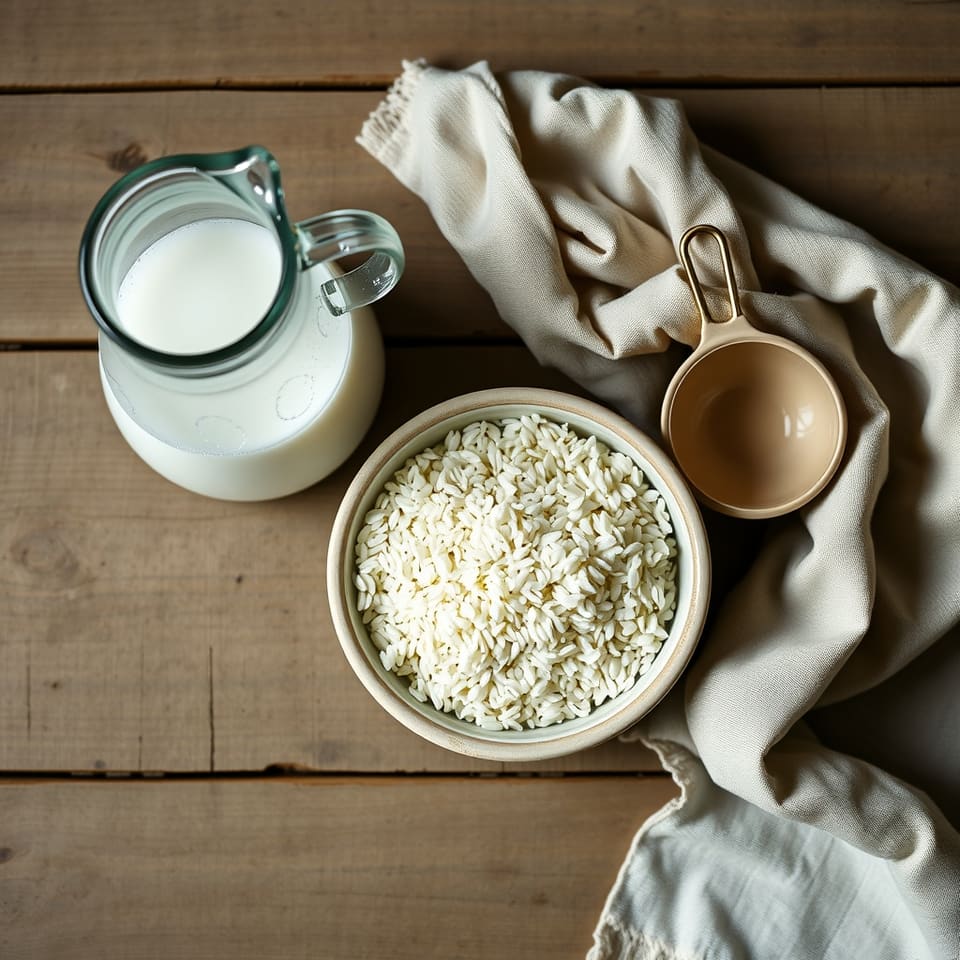
Rice water is one of the most shared hair tips online. Here is how to make a simple soaked rinse, what the research actually shows, and when hair loss needs a doctor instead.
Behind the cheerful packaging, many detox teas lean on two ingredients: a laxative herb and a dose of caffeine. Here is what each one does, what it cannot do, and how to read the label.
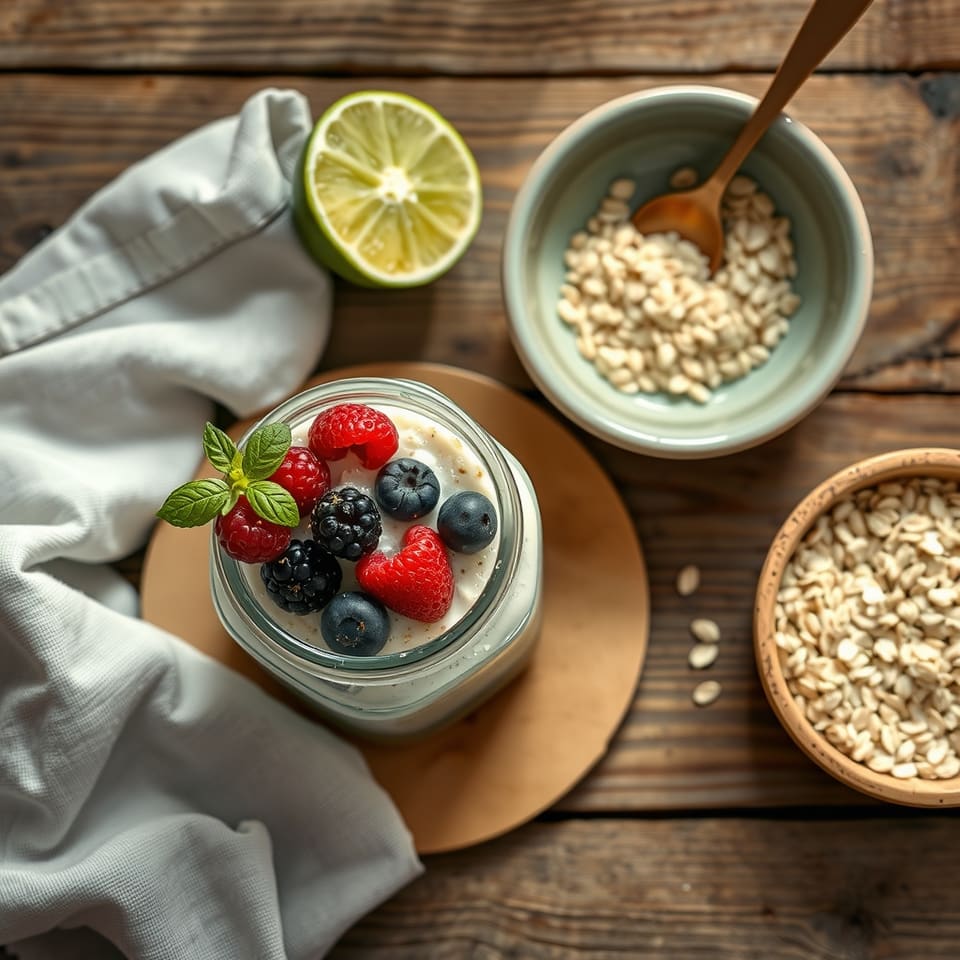
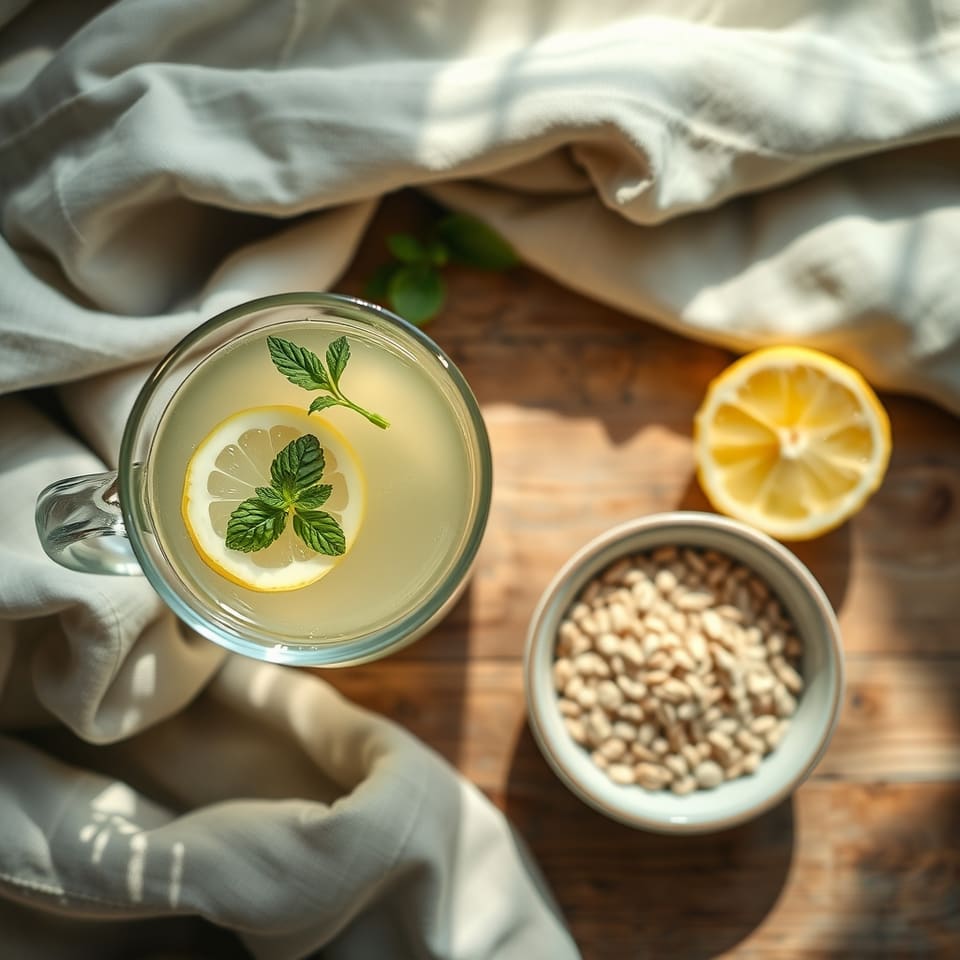
Blended oats, water and lime juice are being called a natural answer to weight-loss injections. Oats are a genuinely good food, but they do not work like a medicine. Here is the honest picture.
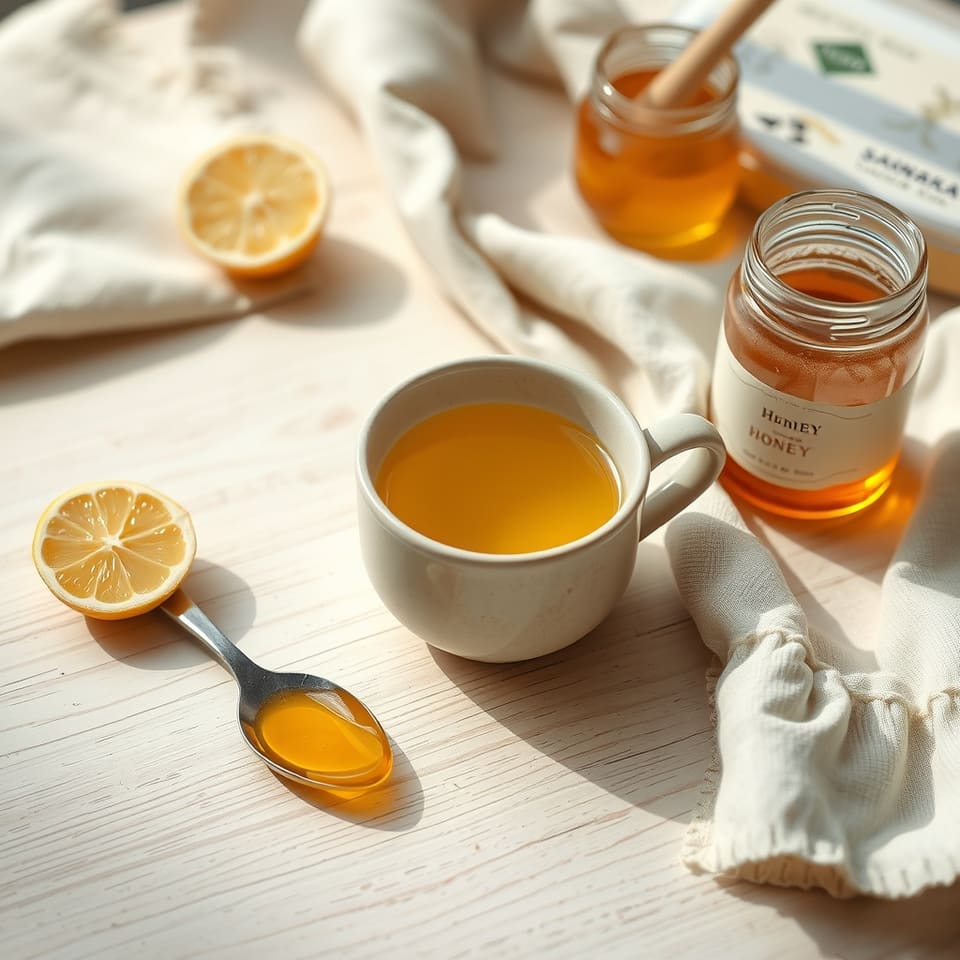
A small spoon of honey is one of the few cough remedies for kids with some evidence behind it. Here is how much to give by age, the one rule you must never break, and what else helps.
A warm cup can be part of a good morning routine when you feel blocked up. But some teas sold for constipation contain strong laxative herbs, and those need more care than the label suggests.
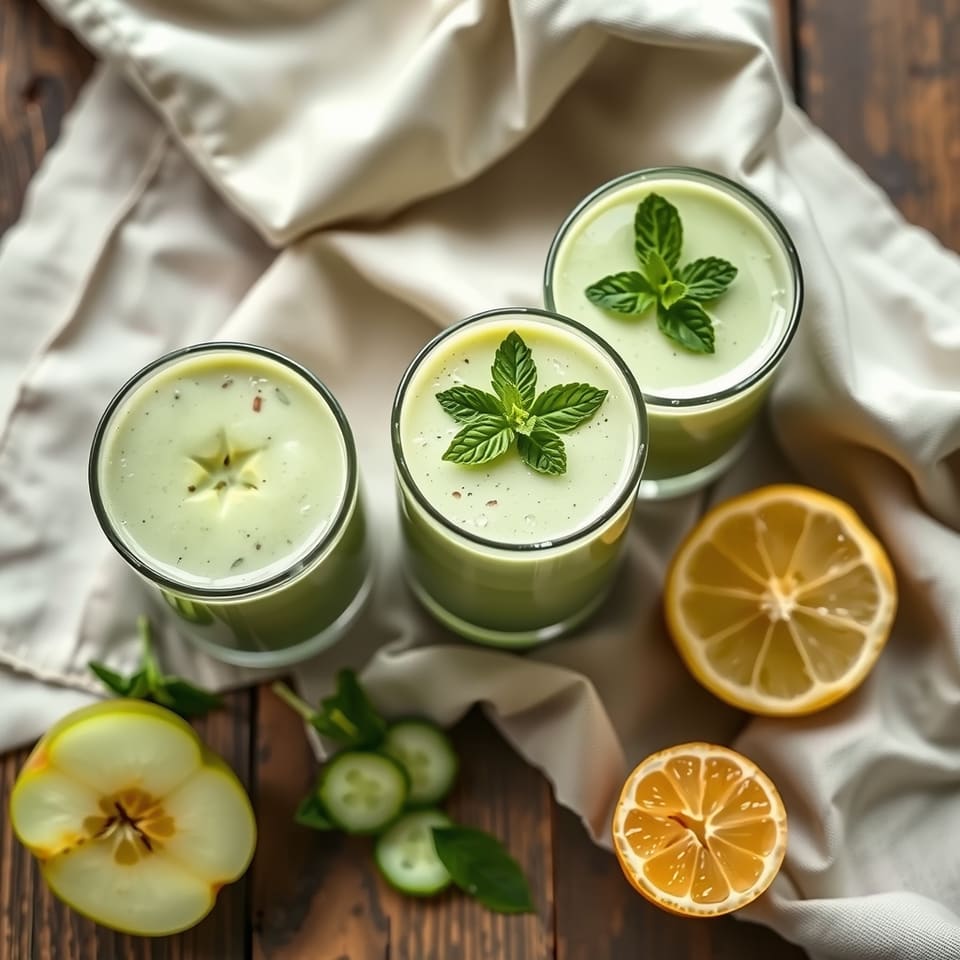
A few days of nothing but bottled juice is sold as a reset for body and mind. Here is what a juice cleanse really does, who should avoid one, and a better way to enjoy fruit and vegetables in a glass.
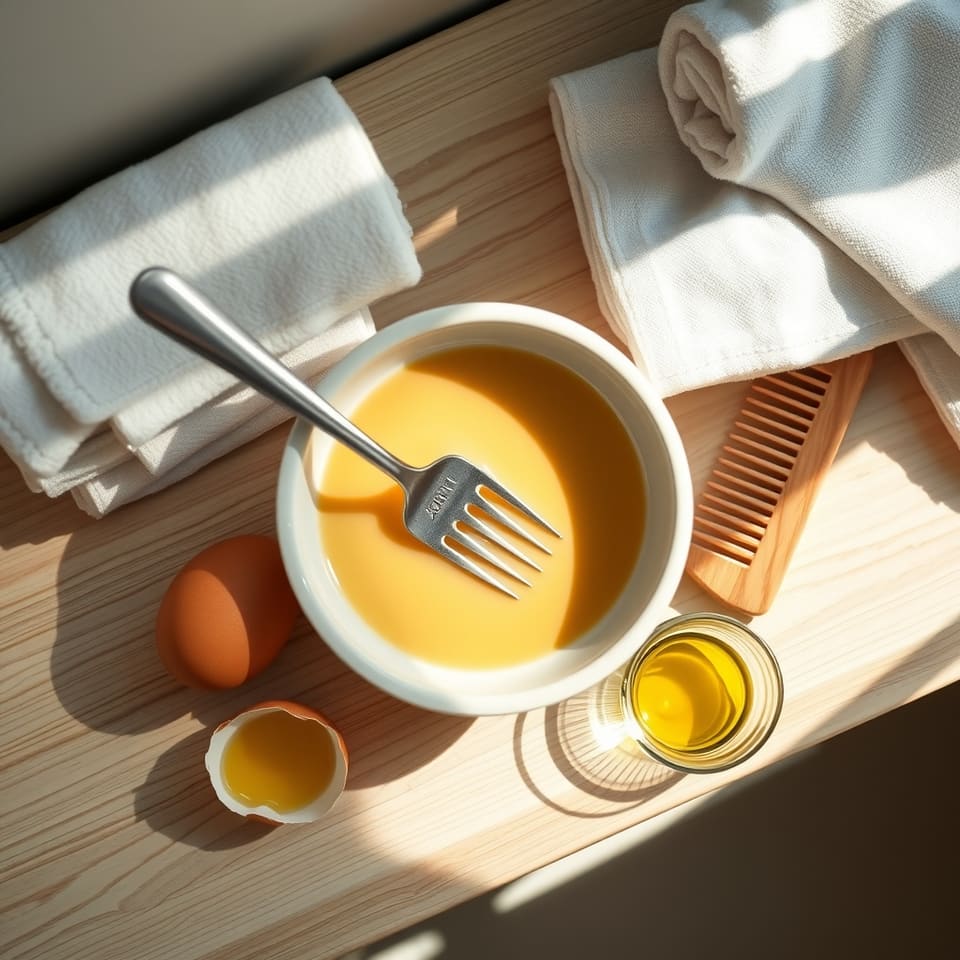
An egg whisked with a spoonful of oil is one of the oldest kitchen hair treatments around. It can leave hair feeling softer, but raw egg needs the same care in the bathroom as it does in the kitchen.
Liver cleanses and liver teas are easy to buy, but the things that really protect your liver are simpler and free. Here is what your liver does, what harms it, and the habits that make a difference.
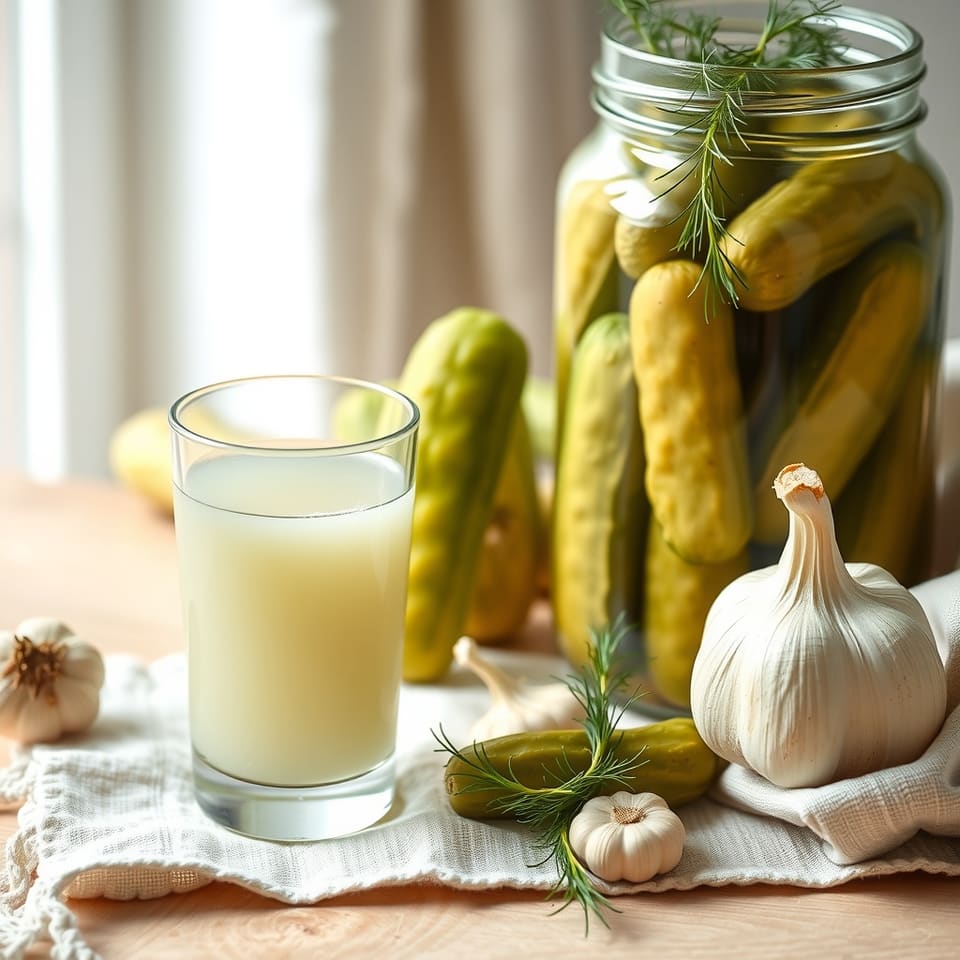
A small shot of pickle brine is a favorite locker-room trick for cramps. There is a grain of truth in it, but probably not for the reason most people think, and the salt comes with its own cost.
Drinks rarely come with a calorie label, so it is easy to forget they count. Here is what common drinks contain, how it adds up over time, and some easy ways to cut back.
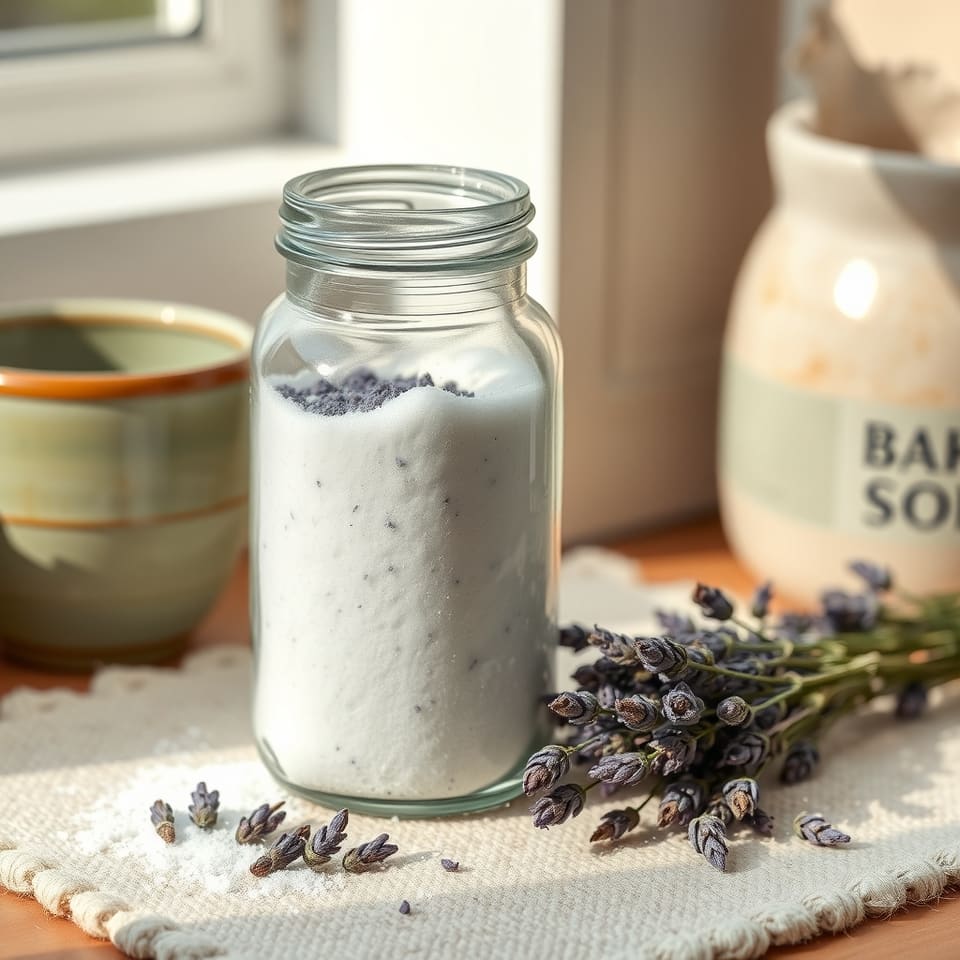
Baking soda sprinkled on a dry carpet and vacuumed up the next morning is an old, cheap way to freshen a room. A little dried lavender adds a soft scent, unless you share your home with pets.
When you have a fever, the most useful drink is usually the simplest one. Here is what to sip, what to avoid, how to spot dehydration in adults and children, and when to get help.
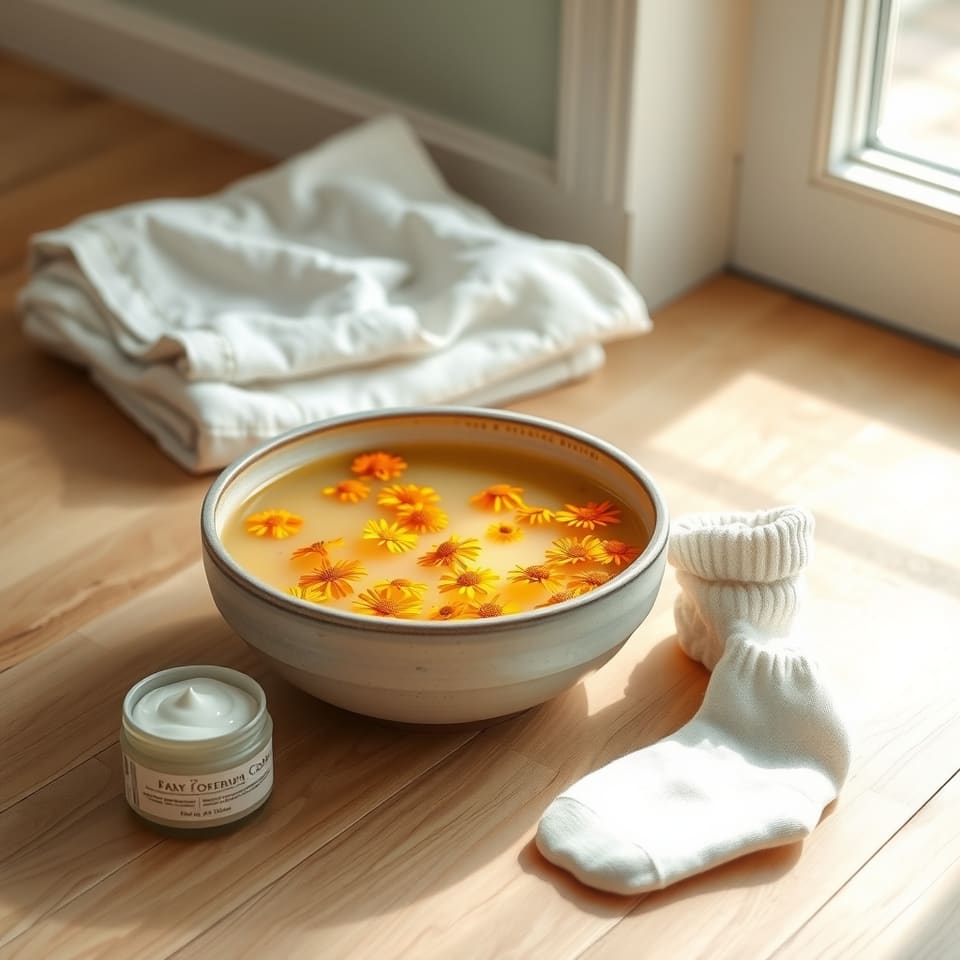
Dry, cracked heels respond best to a steady routine: a short soak, a rich cream on damp skin and a protective layer at night. A calendula foot soak makes the routine more pleasant. Here is how to put it together.
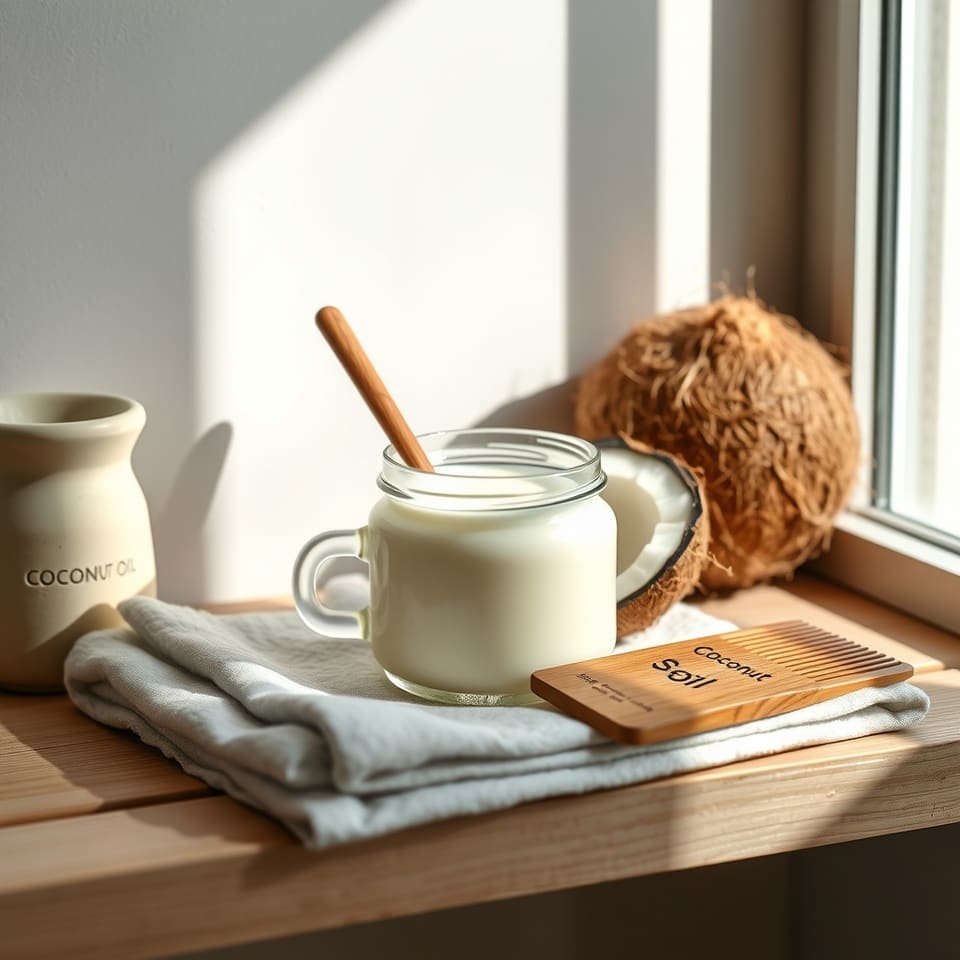
Coconut oil is one of the few kitchen oils with some lab evidence behind it for hair. It belongs on the lengths of your hair, and it may be a poor choice for a flaky or spotty scalp.
Slimming teas promise quick results, but the evidence is thin and some carry real risks. Here is what tea can and cannot do for your weight, and how to make it a genuinely useful habit.
Put your shop, brand or service in front of people reading about herbs, natural skin care and home remedies, in English and Greek.