Herbal Tea While Breastfeeding: What Is Known
Many new parents reach for a cup of herbal tea, but very little is known about most herbs during breastfeeding. Here is what the evidence says about three common ones, and how to check any tea before you drink it.

In the early weeks with a new baby, a warm cup of tea can feel like one of the few calm moments in the day. Herbal teas seem like the gentle choice, and many are even sold as helpers for milk supply.
The honest picture is less tidy. The NHS says not enough is known about herbal remedies to guarantee they are safe when breastfeeding. That does not mean every cup is risky. It means it is worth knowing which herbs have been looked at, what was found, and how to check a tea yourself.
Why there is so little data
Herbs are rarely tested in breastfeeding parents and babies. LactMed, the free drugs and lactation database from the US National Library of Medicine, says there are no safety data for chamomile, sage or fenugreek in nursing mothers or infants beyond a few small studies and case reports.
Herbal products also vary. LactMed notes that dietary supplements do not have to be approved for safety before they are sold, and the ingredients on the label may not match what is inside. A shop-bought blend can contain several herbs, so you need to check each one.
Three common herbs, one by one
Chamomile. LactMed says the small amounts likely to reach breast milk are unlikely to harm a baby when the mother drinks usual amounts, partly because chamomile has been given directly to infants. It is sometimes taken to boost milk, but no proper clinical trials support that. LactMed also notes that some loose chamomile teas sold in health food stores have contained spores of the bacteria that cause botulism, and that chamomile can cause allergic reactions, including severe ones, in sensitive people.
Sage. Sage works the other way. It is traditionally used to reduce milk supply, during weaning or when there is too much milk. LactMed says no scientific studies have tested this, and that sage is often mixed up with other Salvia species. Its oil contains thujone and camphor, which are toxic to the nervous system at high doses. If you want to keep your supply steady, it makes sense to avoid sage tea.
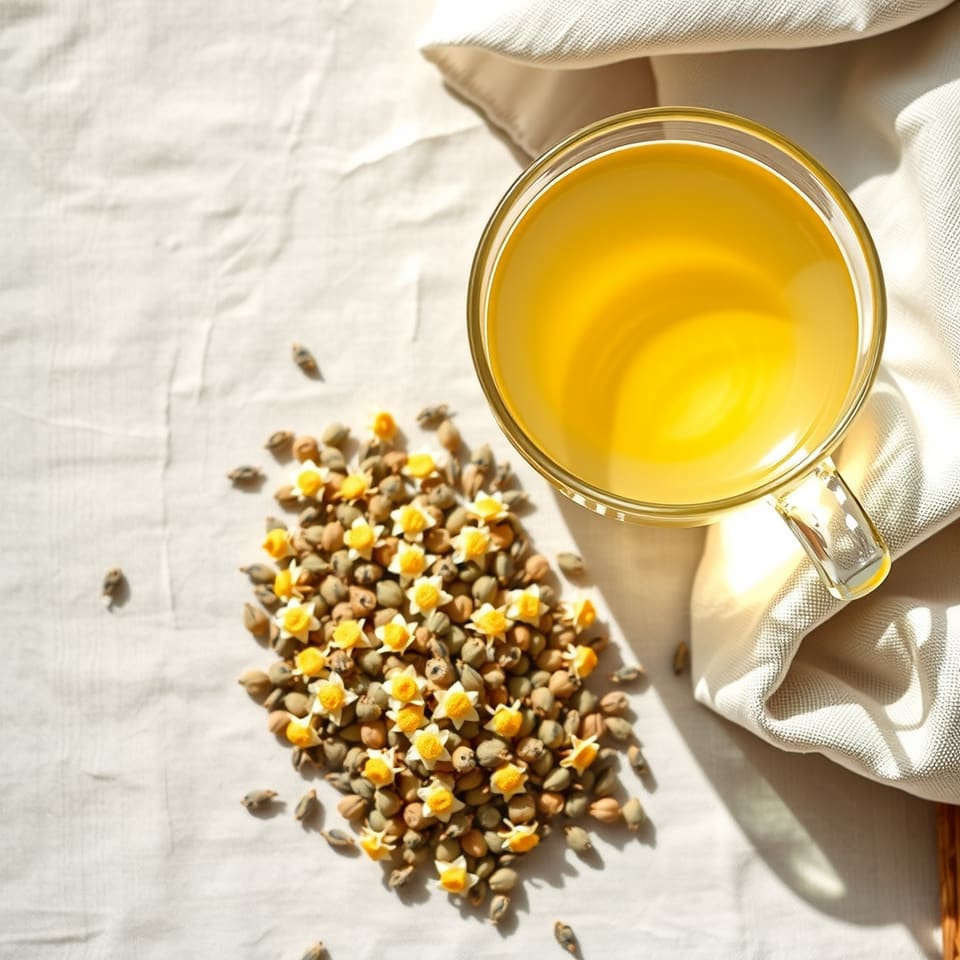
Fenugreek. This seed is one of the most widely used herbs for milk supply. LactMed reports that it can give a maple syrup smell to urine and sweat, and possibly to breast milk, and that some mothers noticed gassiness in their babies. It can also cause allergic reactions, with possible cross-reactions to chickpeas, peanuts and other legumes, and it can interact with warfarin.
What the evidence says
For milk supply, the evidence is weak. LactMed says meta-analyses of fenugreek disagree: one found a mild effect, another found no good evidence it works, and any benefit may be greatest in the first few days after birth. For chamomile, the only report of more milk comes from a single mother. For sage, nothing has been studied.
LactMed also stresses that herbs used to increase milk should never replace a proper check of the things that really drive supply, such as how often and how well your baby feeds. If you are worried about your milk, a midwife, health visitor or lactation specialist is the best first step.
How to check a tea before you drink it
Step 1. Read the full ingredient list. Write down every herb, not just the one on the front of the box.
Step 2. Look up each herb in LactMed. Search by the herb's name and read the short summary at the top.
Step 3. Tell your pharmacist, doctor, midwife or health visitor that you are breastfeeding, and ask about the tea. The NHS advises telling them before you take any medicine, and the same habit is wise for herbal products.
Step 4. Prefer simple, single-herb teas in ordinary amounts over strong blends, capsules or extracts. Choose sealed tea bags from a known supplier rather than loose flowers of uncertain origin.
Step 5. Watch how you and your baby feel. If anything seems different, stop the tea and ask for advice.
Questions people ask
Is chamomile tea safe while breastfeeding?
LactMed says usual amounts are unlikely to harm a baby, though there are no formal safety studies. Avoid it if you are allergic to daisy-family plants, and choose sealed tea bags over loose flowers.
Does fenugreek tea increase milk supply?
The evidence is mixed. Some studies found a small effect early on, others found none. It can cause side effects in mothers and babies, so check with a professional first.
Where can I check a herb myself?
LactMed is free and run by the US National Library of Medicine. Search for the herb by name and read the summary, then discuss it with your pharmacist or midwife.
Sources
- Breastfeeding and medicines — NHS
- Chamomile (LactMed) — National Library of Medicine
- Sage (LactMed) — National Library of Medicine
- Fenugreek (LactMed) — National Library of Medicine
This article is for general information only and is not medical advice. Herbs can interact with medicines and health conditions. Talk to a doctor or pharmacist before trying a herbal remedy, especially if you are pregnant, breastfeeding, giving it to a child, or taking any medication.