Chamomile Allergy: Who Is at Risk and What to Watch For
Chamomile tea is one of the world's favorite bedtime drinks, and for most people it is well tolerated. But it belongs to the daisy family, and for some people that means a real risk of allergy.
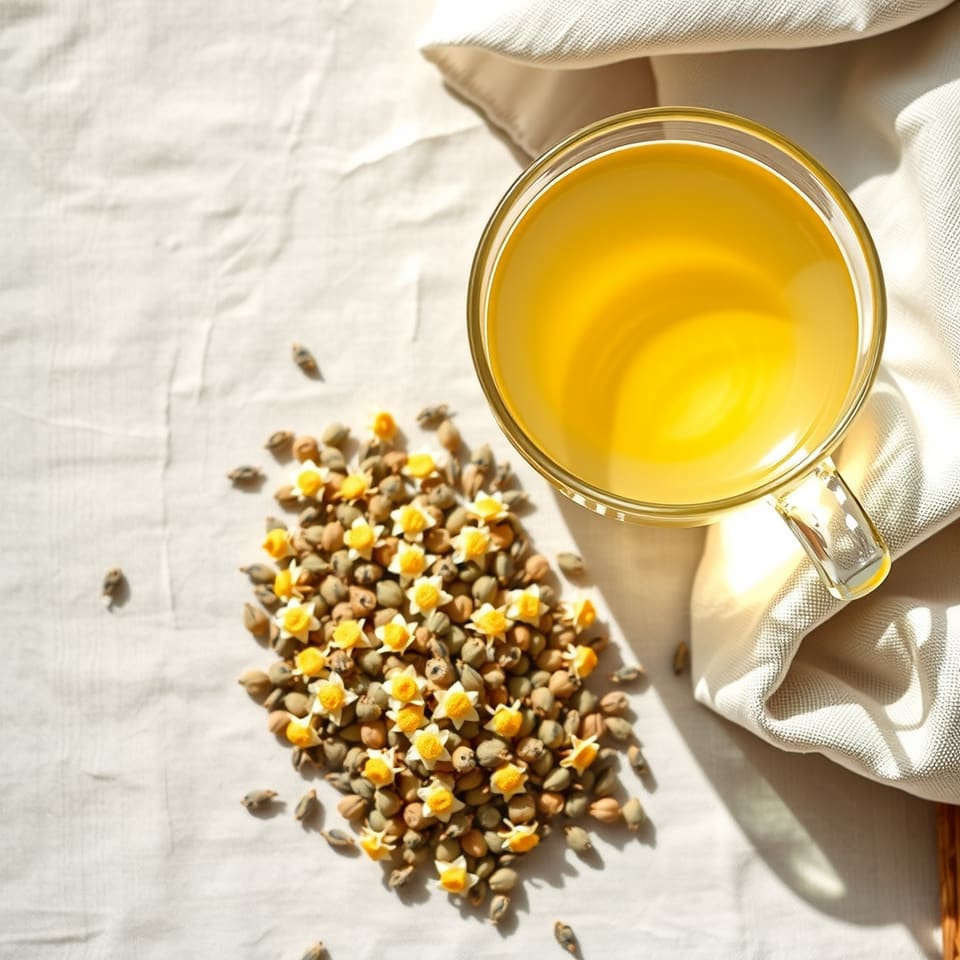
Around the world, chamomile tea is offered as a gentle drink for an upset stomach or a restless night. Because it seems so mild, few people think of it as something that could cause an allergic reaction.
Reactions are uncommon, but they do happen, and a small number are serious. Knowing whether you belong to a higher-risk group, and which signs to watch for, lets you enjoy chamomile safely or decide to skip it.
Why chamomile can cause allergies
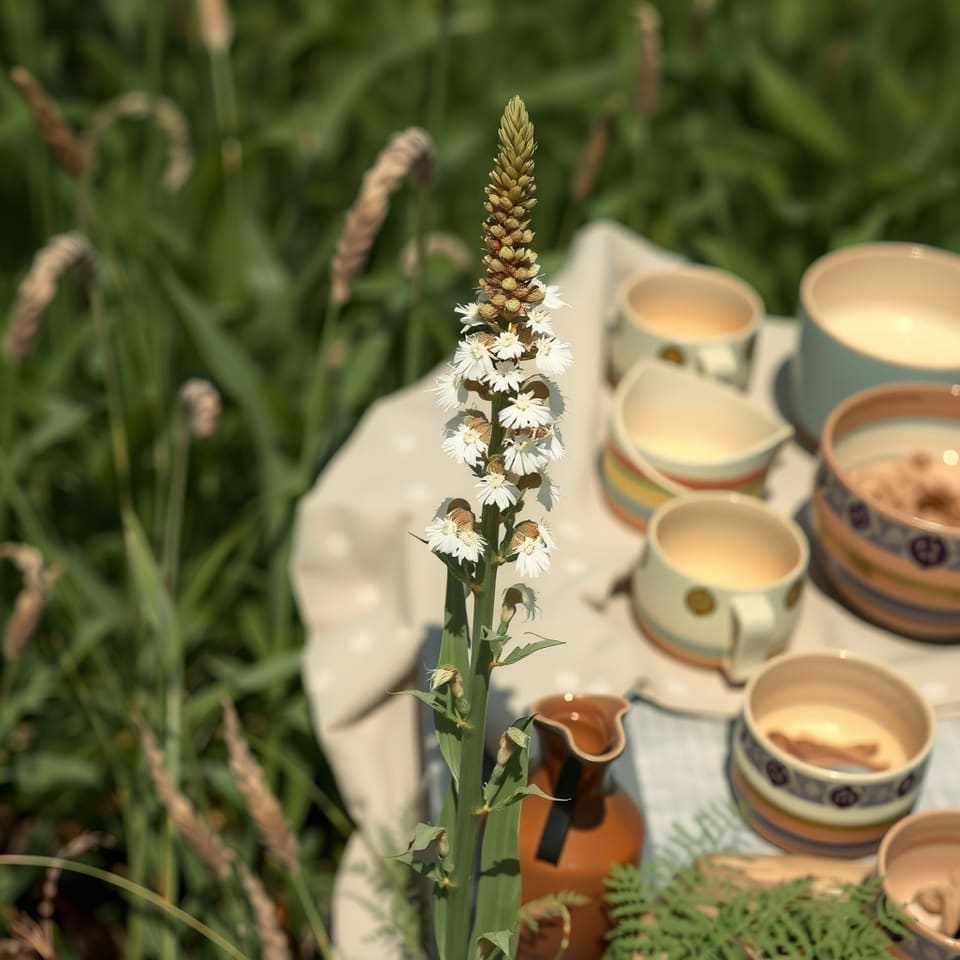
Chamomile is a member of the daisy family, also called the Asteraceae or Compositae family. Two kinds are used, German chamomile and Roman chamomile. Their relatives include ragweed, mugwort, chrysanthemums, marigolds, daisies and sunflowers.
If you are already allergic to one of these plants, chamomile may set off a reaction too. The European Medicines Agency notes that people allergic to plants in this family may react to chamomile, and gives mugwort as an example. LactMed, a US National Library of Medicine database, also mentions possible cross-reactions with echinacea, feverfew and milk thistle.
Who is most at risk
NCCIH says you are more likely to react if you are allergic to related plants such as ragweed, chrysanthemums, marigolds or daisies. Memorial Sloan Kettering Cancer Center advises not taking chamomile if you are allergic to ragweed or flowers in the sunflower family, and notes cross-reactions in people with mugwort pollen allergy.
That makes people with hay fever caused by ragweed or mugwort pollen the main group who need to be careful.
People with a past reaction to echinacea, feverfew, milk thistle or other daisy-family herbs should also be cautious, as should anyone who has reacted to chamomile creams or cosmetics.
What the evidence says
Serious reactions are rare. NCCIH describes side effects from chamomile as uncommon, but lists allergic reactions, including severe hypersensitivity and anaphylaxis. The European Medicines Agency says that very rarely, severe allergic reactions such as anaphylactic shock, asthma, swelling of the face and hives have been reported after taking chamomile by mouth.
Reactions are not only from tea. Memorial Sloan Kettering lists asthma, an itchy red skin rash called contact dermatitis, and anaphylaxis, and describes a case of eye and nose allergy in someone who breathed in dried chamomile flowers at work. The European Medicines Agency says skin reactions to chamomile creams are very rare. NCCIH adds that using chamomile near the eyes may cause irritation.
Before your first cup, and what to do if you react
Step 1. Check your allergy history. If you have hay fever from ragweed or mugwort, or have reacted to daisy-family plants, talk to your doctor or allergist before trying chamomile.
Step 2. If you have ever had a severe allergic reaction to any of these plants, skip chamomile altogether.
Step 3. Keep chamomile away from your eyes, and do not use chamomile tea bags as eye compresses if you are in a higher-risk group.
Step 4. If you notice itching, a rash, sneezing or a runny nose after drinking or touching chamomile, stop using it and tell your doctor.
Step 5. If your lips, tongue or throat swell, or you have trouble breathing, wheezing or feel faint, call your local emergency number straight away. Use an adrenaline (epinephrine) auto-injector if you have been prescribed one.
Questions people ask
Can I drink chamomile tea if I have a ragweed allergy?
Memorial Sloan Kettering advises against it, and NCCIH says your risk of reaction is higher. Ask your doctor or allergist before trying it.
What does a chamomile allergy look like?
Reported reactions include an itchy skin rash, hives, eye irritation, asthma and, very rarely, anaphylaxis with swelling of the face and trouble breathing.
Is Roman chamomile safer than German chamomile?
Both belong to the daisy family, and reactions have been reported to both. If you are in a higher-risk group, treat them the same.
Sources
- Chamomile: Usefulness and Safety — NCCIH
- Chamomile (About Herbs) — Memorial Sloan Kettering Cancer Center
- Public statement on Chamomilla containing herbal medicinal products — European Medicines Agency
- Chamomile (LactMed) — National Library of Medicine
This article is for general information only and is not medical advice. Herbs can interact with medicines and health conditions. Talk to a doctor or pharmacist before trying a herbal remedy, especially if you are pregnant, breastfeeding, giving it to a child, or taking any medication.