Herbs Safe for Cats and Dogs in the Garden
Some kitchen herbs are listed as non-toxic to cats and dogs, while others that feel just as harmless can make pets ill. Here is how to tell them apart and plant a pot you do not have to worry about.
If you share your home with a cat or a dog, you already know they investigate everything, including the pots on the windowsill. A herb garden feels natural and safe, but pets do not see the difference between a harmless leaf and one that can upset their body.
The good news is that some of the most useful cooking herbs are listed as non-toxic to cats and dogs. A few others, including some that people drink as tea or cook with every day, are not. This guide uses the ASPCA Animal Poison Control plant database to sort them out.
Herbs listed as non-toxic
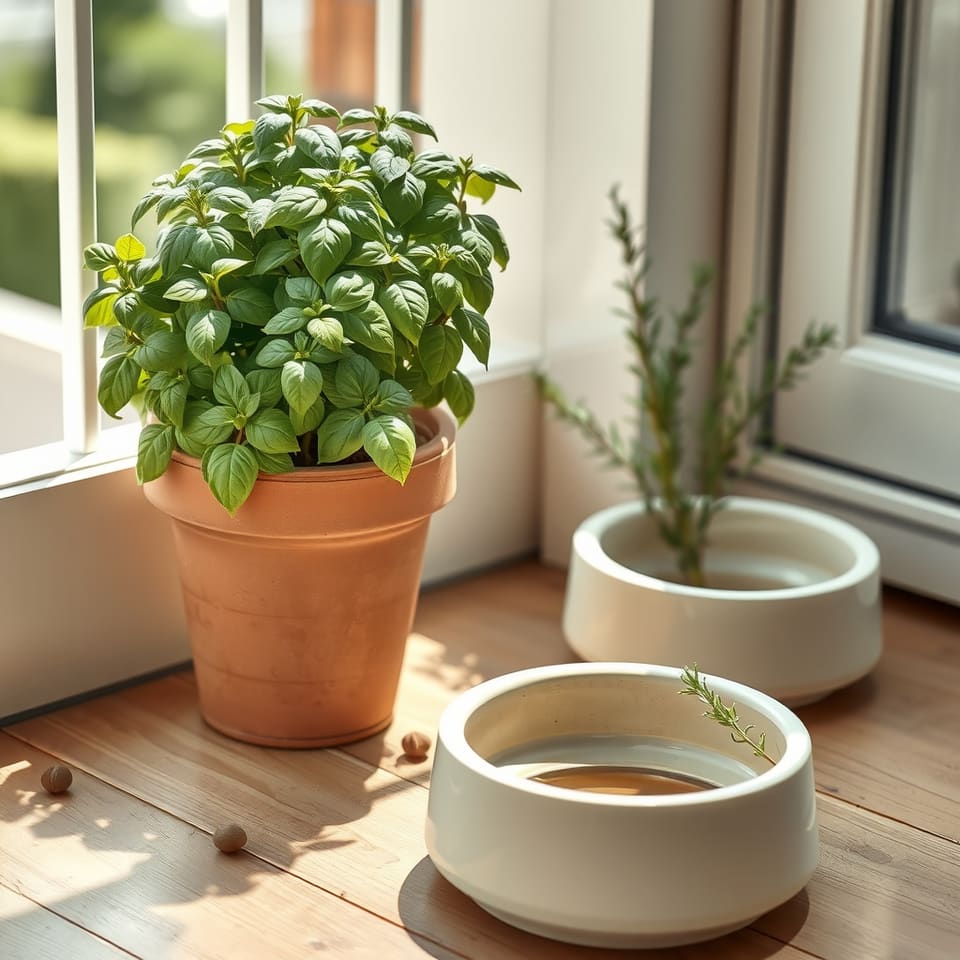
Basil. The ASPCA lists basil, including sweet basil and Thai basil, as non-toxic to both dogs and cats. It is one of the easiest herbs to grow on a sunny windowsill or balcony.
Rosemary. The ASPCA lists rosemary as non-toxic to dogs, cats and horses. It is a tough, woody plant that is happy in a sunny spot.
Non-toxic means the plant is not known to poison pets. It does not mean your cat or dog should eat it as a treat. If your pet regularly chews a plant, move it out of reach and mention it to your vet.
Pet-Friendly Windowsill Herb Pots
You need
- pots about 20 cm (8 inches) wide, with drainage holes and saucers2
- young basil plant1
- young rosemary plant1
- potting mixabout 6 liters (6 quarts)
- coarse sand or fine gravel, for the rosemary pot1 handful
Method
- Check the plant labels carefully. Make sure you are buying basil (Ocimum basilicum) and rosemary (Rosmarinus officinalis), not a mixed herb planter.
- Fill the basil pot with potting mix to about 3 cm (1 inch) below the rim.
- Mix the sand or gravel into the potting mix for the rosemary pot. Rosemary prefers soil that drains quickly.
- Plant each herb at the same depth it sat in its nursery pot and press the soil gently around it.
- Water both pots well, let them drain, then place them in the sunniest spot you have.
- Water basil when the top of the soil feels dry. Let rosemary dry out a little more between waterings.
Tips
- Keep chamomile, garlic and any herb you have not checked in a separate area your pets cannot reach, or leave them out of the home altogether.
- Pinch out the tips of the basil every week or two so it grows bushy rather than tall.
- Use only plain water on herbs your pets can reach. Check the label of any plant food or pest spray for pet warnings.
Common herbs that are not pet-safe
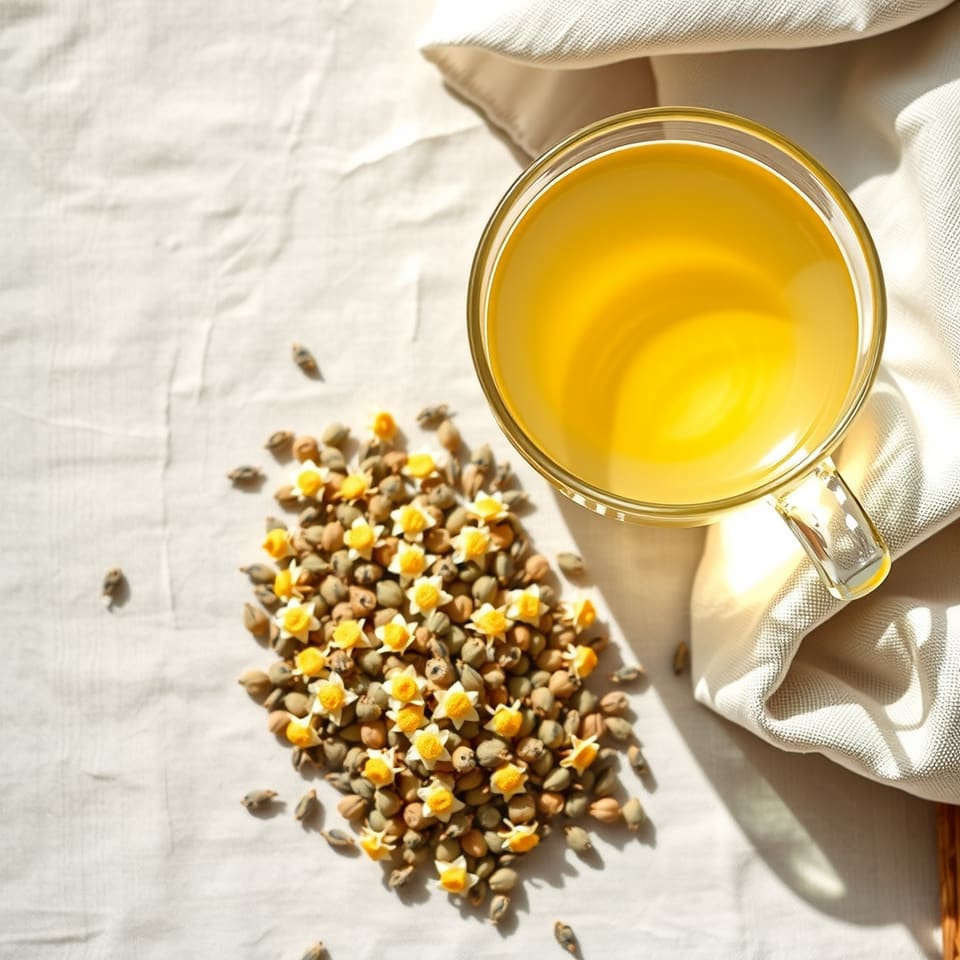
Chamomile. Many people find chamomile tea soothing, but the ASPCA lists the plant as toxic to dogs, cats and horses. Signs can include skin irritation, vomiting, diarrhea, loss of appetite and allergic reactions, and the ASPCA notes that long-term use can lead to a tendency to bleed. Do not share your tea or give pets chamomile products unless your vet advises it.
Garlic. Garlic is a staple in kitchens around the world, and the ASPCA lists it as toxic to dogs, cats and horses. It can cause vomiting and damage to red blood cells, which may show up as weakness, blood in the urine, a fast heart rate and panting. That makes garlic a plant to keep out of the pet garden and out of food scraps.
What the evidence says
The ASPCA plant database gives each plant a clear verdict for dogs, cats and, often, horses. It is a practical safety list rather than a set of clinical trials, and it does not say how much of a plant causes harm.
So the safest approach is to treat the toxic list as a list of plants to avoid entirely in homes and gardens with pets. Plants not on either list are simply unknown, not proven safe. You can look up any plant by its common or scientific name on the ASPCA site before you buy it.
If your pet eats a toxic plant
Step 1. Move your pet away from the plant and remove any pieces from its mouth if you can do so safely.
Step 2. Note the plant's name, or take a photo or a sample, and estimate how much was eaten and when.
Step 3. Call your vet or a pet poison helpline straight away. In the US, the ASPCA Animal Poison Control hotline is open 24 hours at (888) 426-4435. In other countries, call your vet or the local emergency veterinary service.
Step 4. Do not try home remedies or make your pet vomit unless a vet tells you to.
Questions people ask
Is basil safe for cats?
Yes. The ASPCA lists basil as non-toxic to both cats and dogs. It is still best kept as a garden plant, not a snack.
Can dogs have chamomile tea?
The ASPCA lists chamomile as toxic to dogs, cats and horses. Do not give it unless your vet specifically recommends a product and dose.
Is rosemary safe around pets?
The ASPCA lists rosemary as non-toxic to dogs, cats and horses, so it is a good choice for a pet-friendly herb pot.
Sources
This article is for general information only and is not medical advice. Herbs can interact with medicines and health conditions. Talk to a doctor or pharmacist before trying a herbal remedy, especially if you are pregnant, breastfeeding, giving it to a child, or taking any medication.