
Home › Hair
Hair
Herbal rinses and simple masks for everyday hair and scalp care.
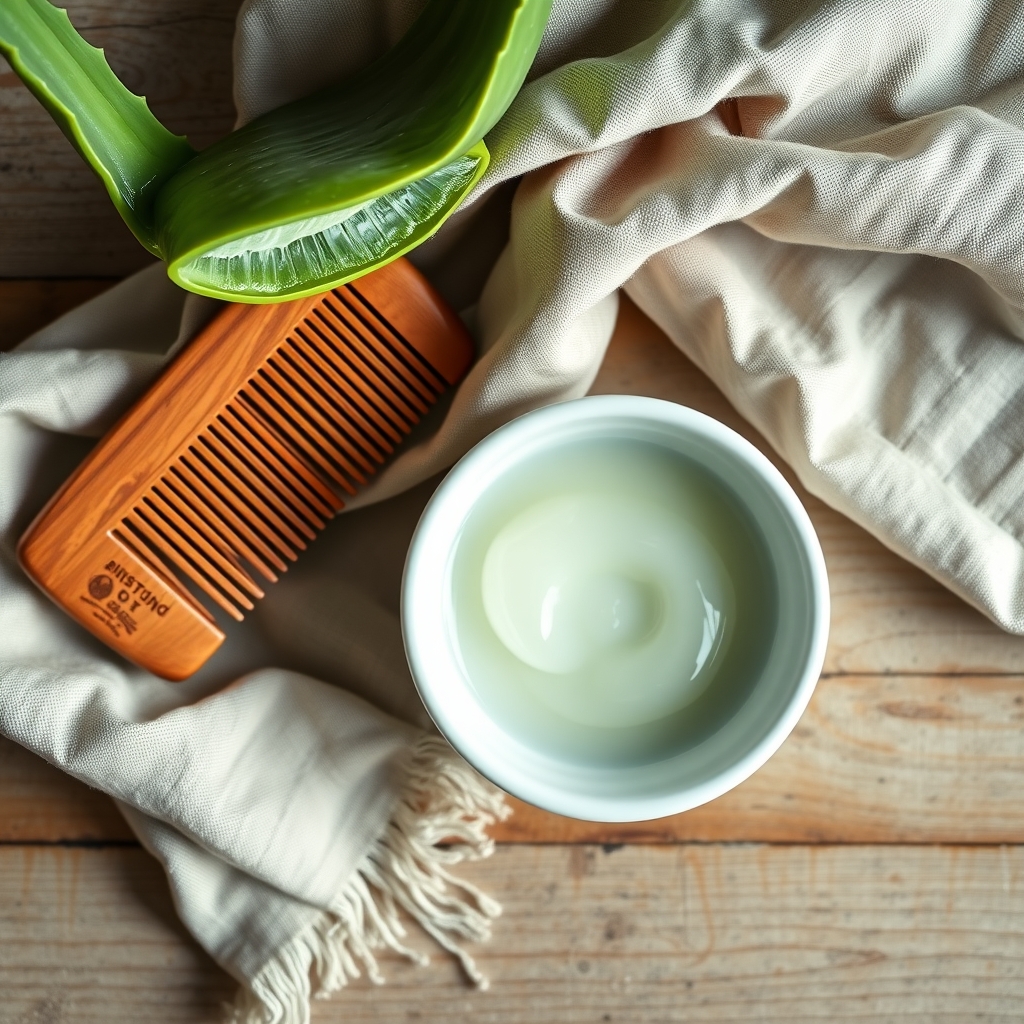
Aloe Vera Gel for a Dry, Itchy Scalp
Plain aloe vera gel feels cool and soothing on a dry, itchy scalp, and some people with seborrheic dermatitis find it helps. The evidence is limited, so here is how to use it gently and when to get proper treatment.
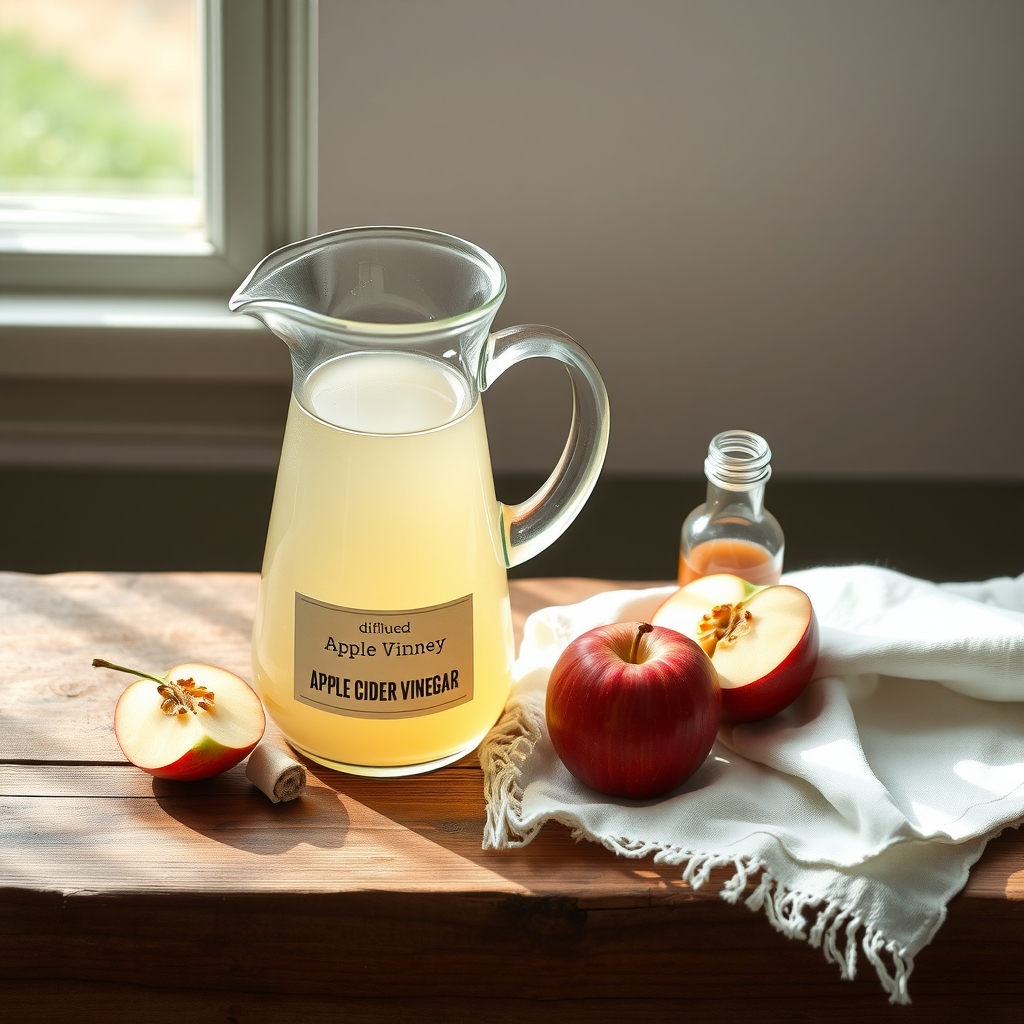
Apple Cider Vinegar Hair Rinse: Dilution and Safety
An apple cider vinegar rinse is a popular home hair ritual. It must always be well diluted, it is not a proven dandruff treatment, and it is not for an irritated scalp. Here is how to make it gently and safely.
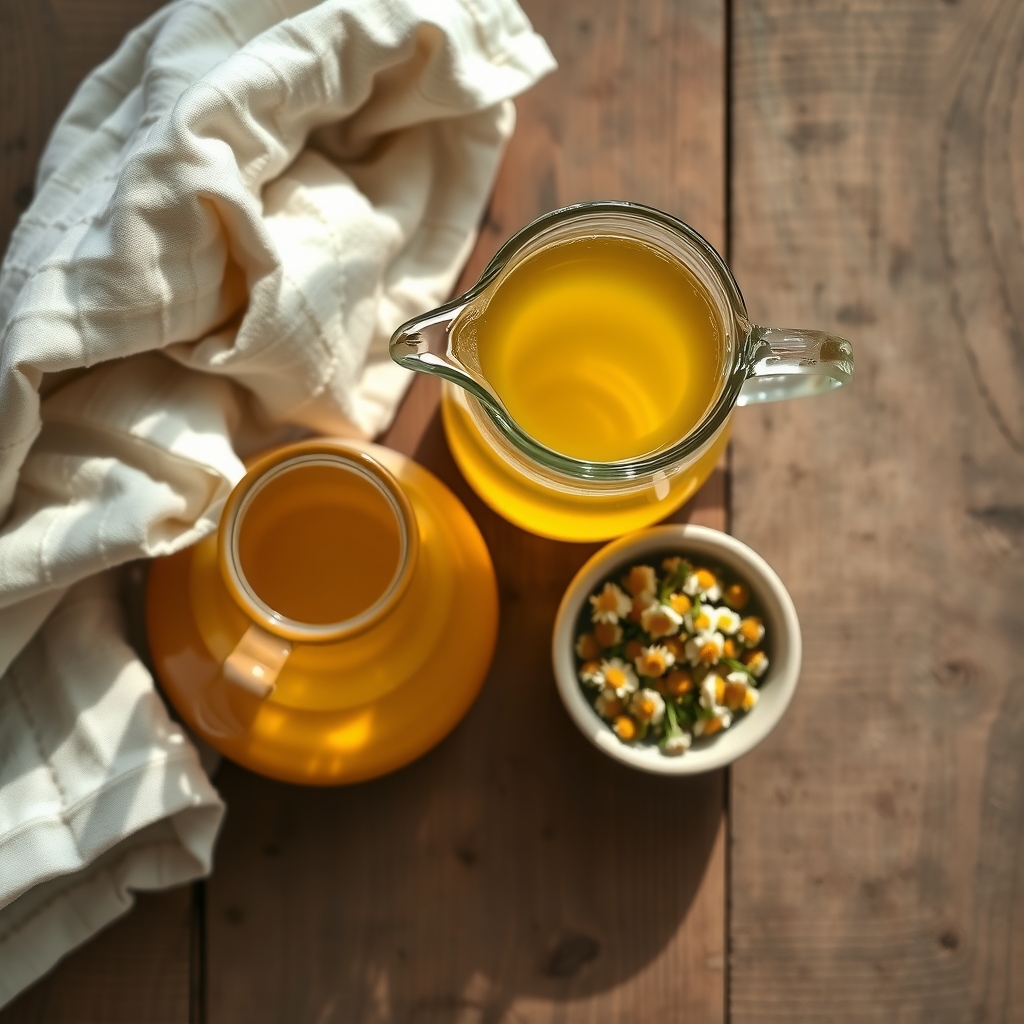
Chamomile Rinse for Fair Hair: Myth or Real?
Chamomile tea is a classic home tip for brightening blonde hair. Here is what is known, what is not, and how to make a gentle rinse without irritating your scalp or eyes.
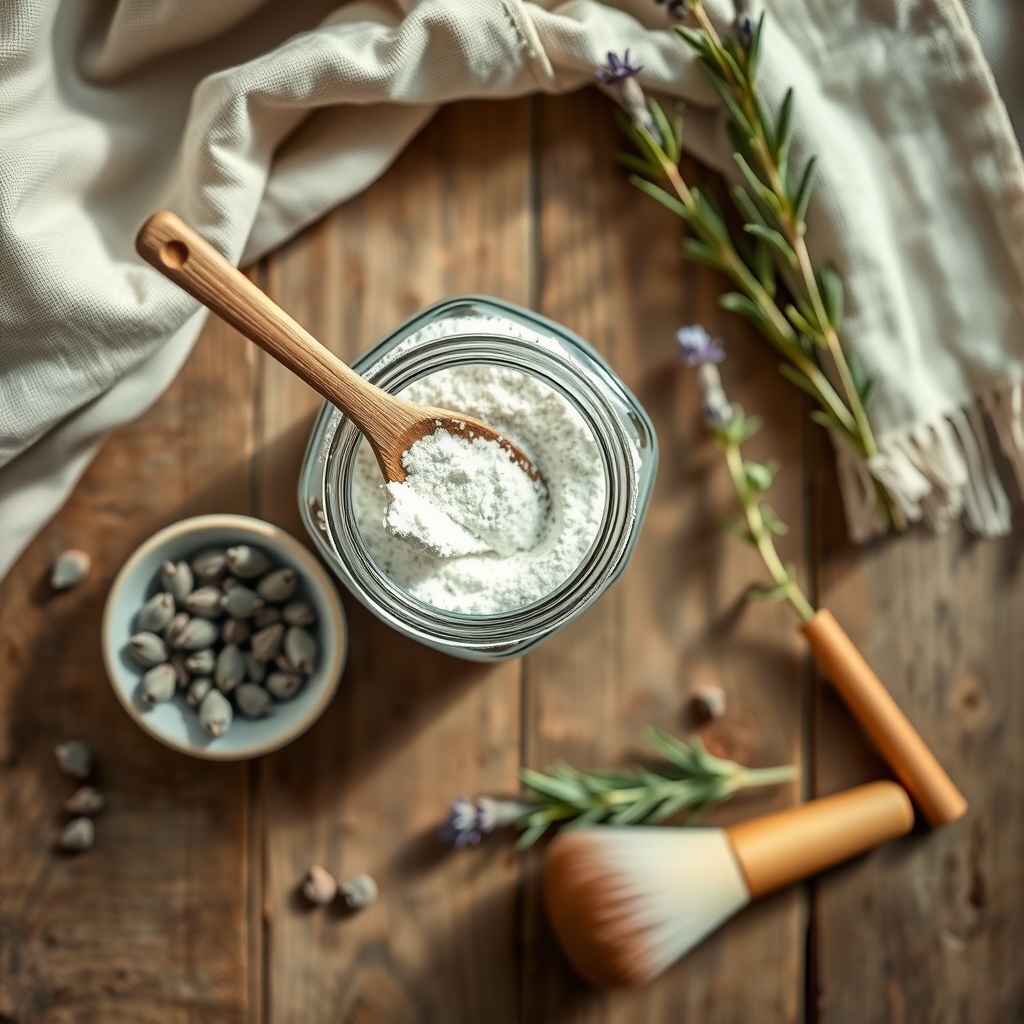
Homemade Dry Shampoo with Starch and Herbs
A pinch of starch can soak up oil at the roots between washes. Dermatologists actually prefer store-bought dry shampoo, so if you make your own, use very little and wash it out soon. Here is how.
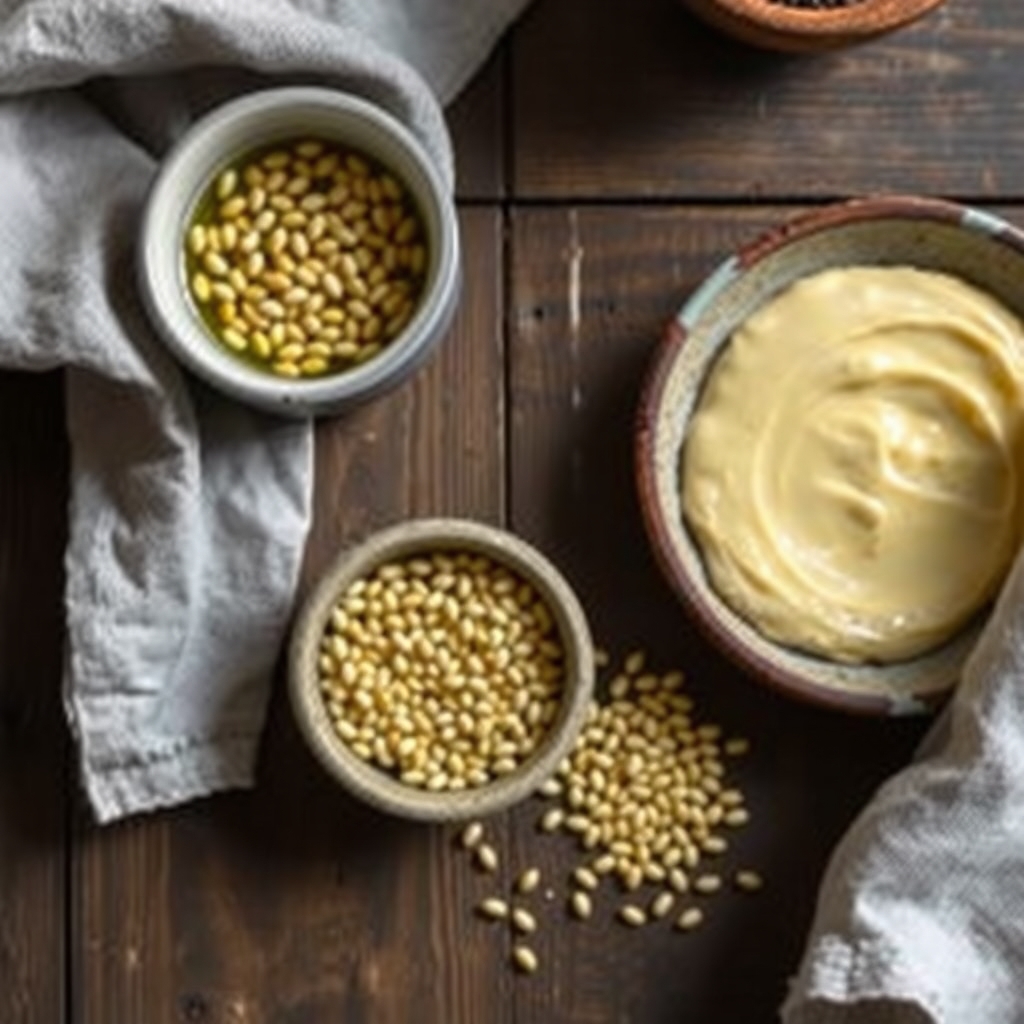
Fenugreek Seed Hair Mask: Tradition and Evidence
Soaked fenugreek seeds turn into a slippery paste that has been used on hair for generations. Here is how the traditional mask is made, what the evidence really shows, and who should skip it.
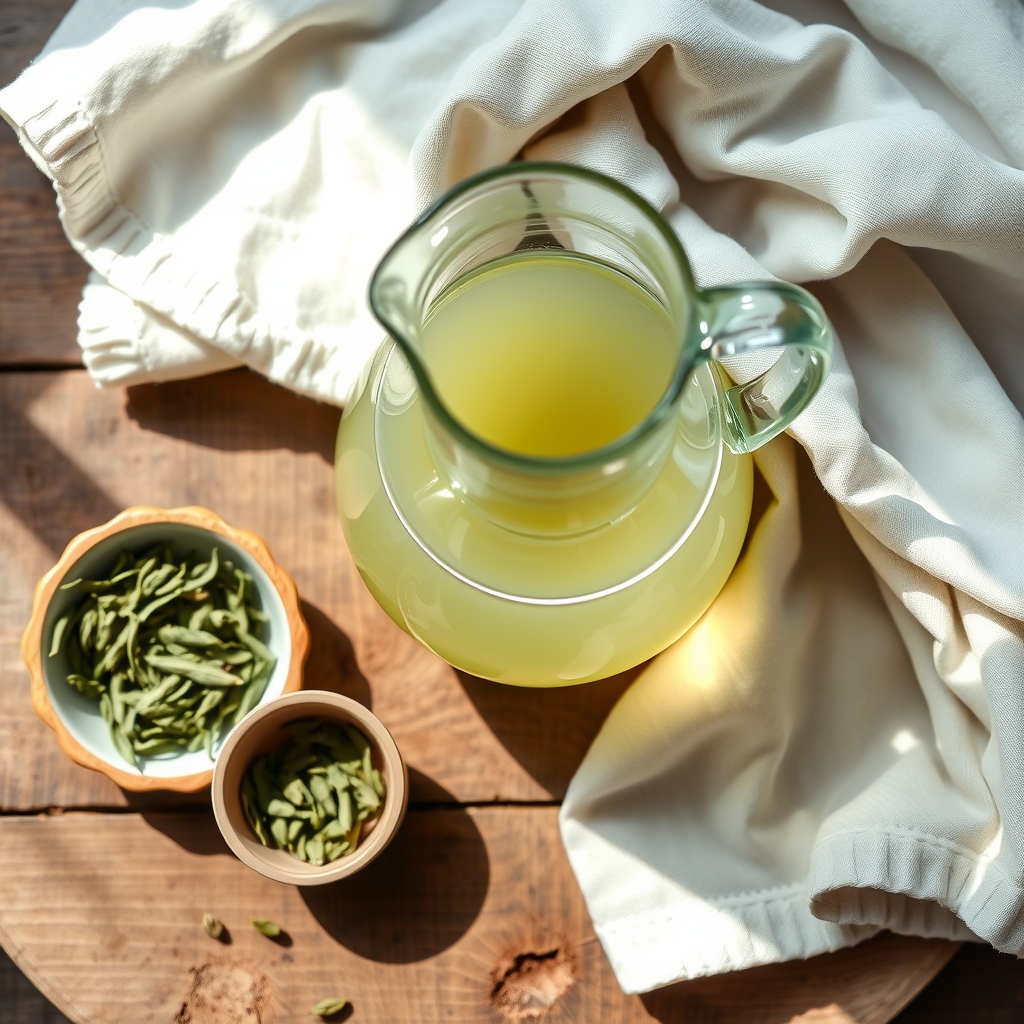
Green Tea Hair Rinse: What Is Known
Green tea rinses are often promoted for thicker, healthier hair. The idea comes mostly from lab research on one green tea compound, not from studies of people using a rinse. Here is what is known and a simple, gentle way to try it.
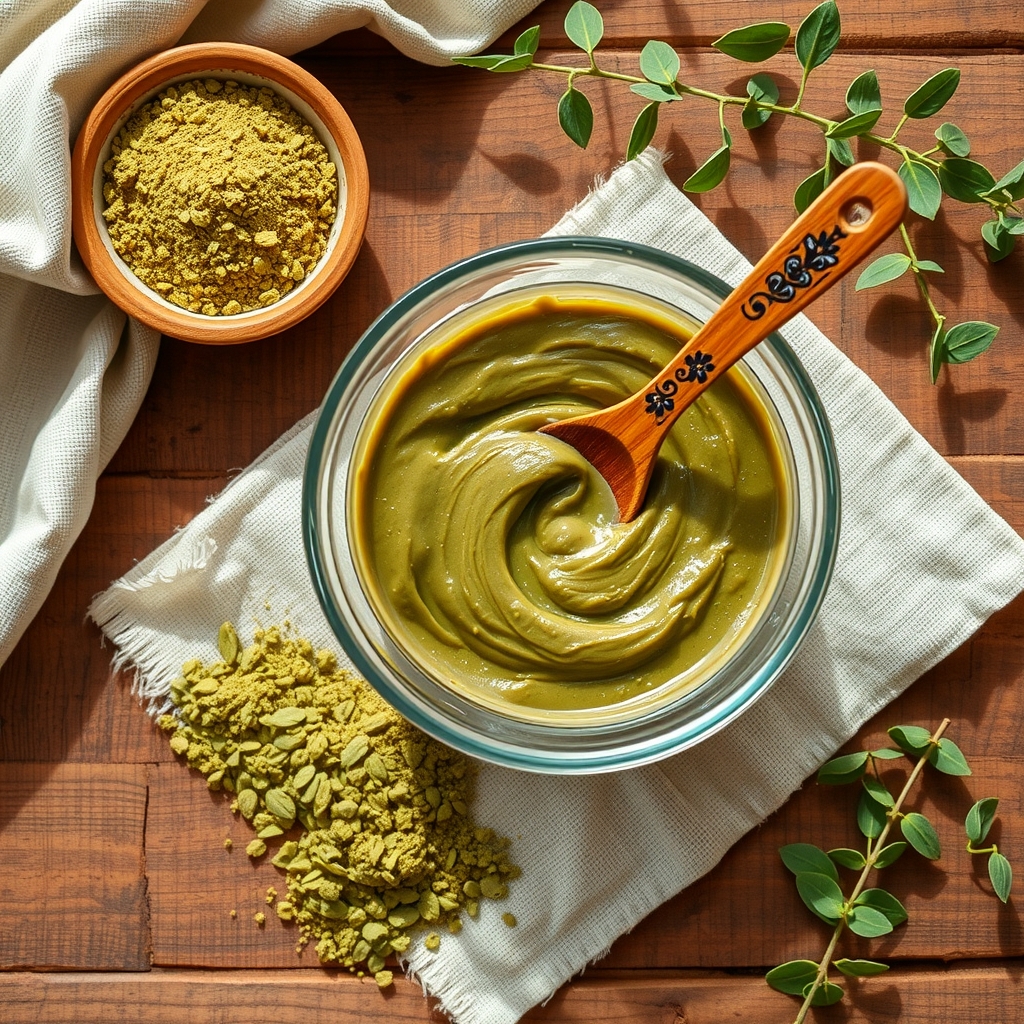
Henna for Hair: Natural Henna vs Black Henna
Natural henna is a plant dye that gives hair a red-brown tint. So-called black henna is different: it often contains PPD, a chemical dye that can cause serious allergic reactions. Here is how to tell them apart and use henna more safely.
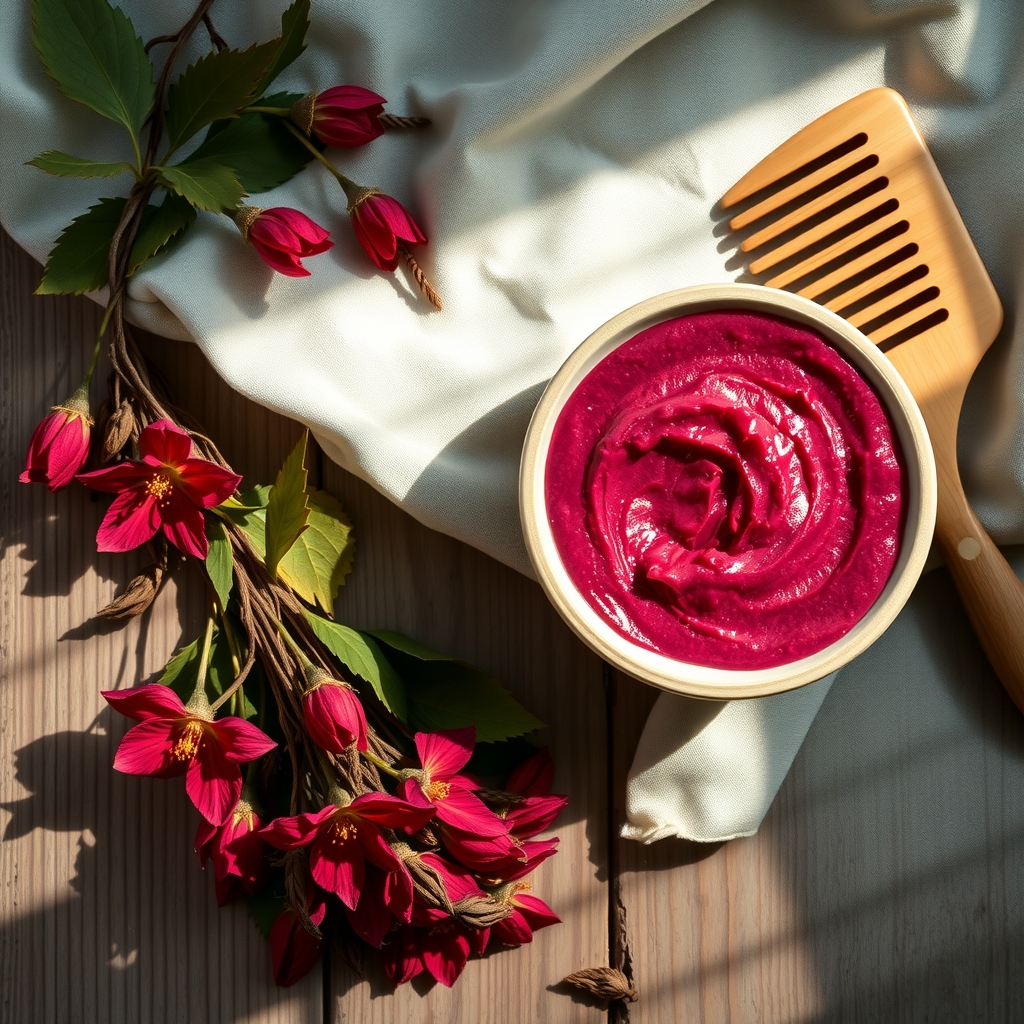
Hibiscus Hair Mask: Tradition and What Is Known
Hibiscus is a favorite in traditional hair care, especially in South Asia. Here is a simple mask you can make at home, an honest look at the evidence, and the safety and staining tips to know first.
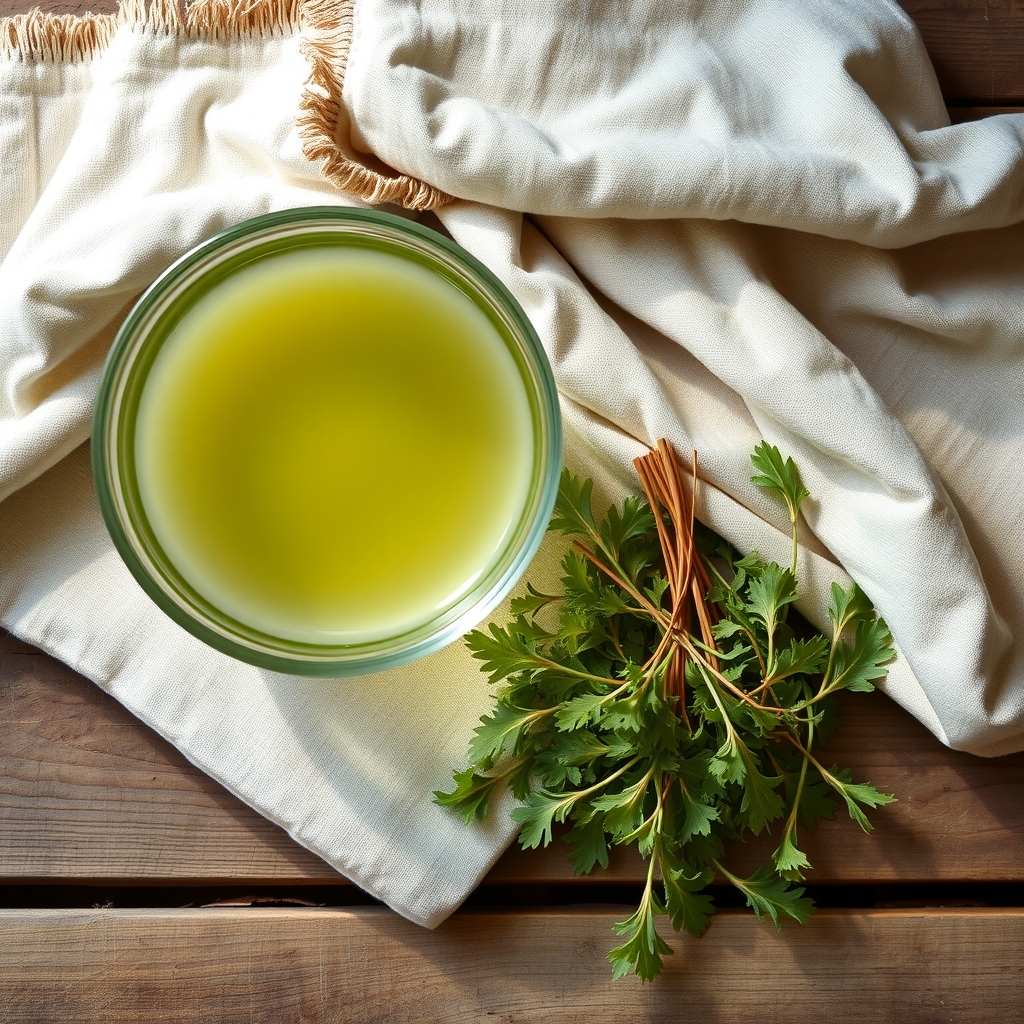
Nettle Hair Rinse: Tradition, Scalp Care and Facts
Nettle rinses are an old country hair tradition. Here is how to make one safely, what science can and cannot say about nettle for hair and scalp, and what actually works for dandruff.
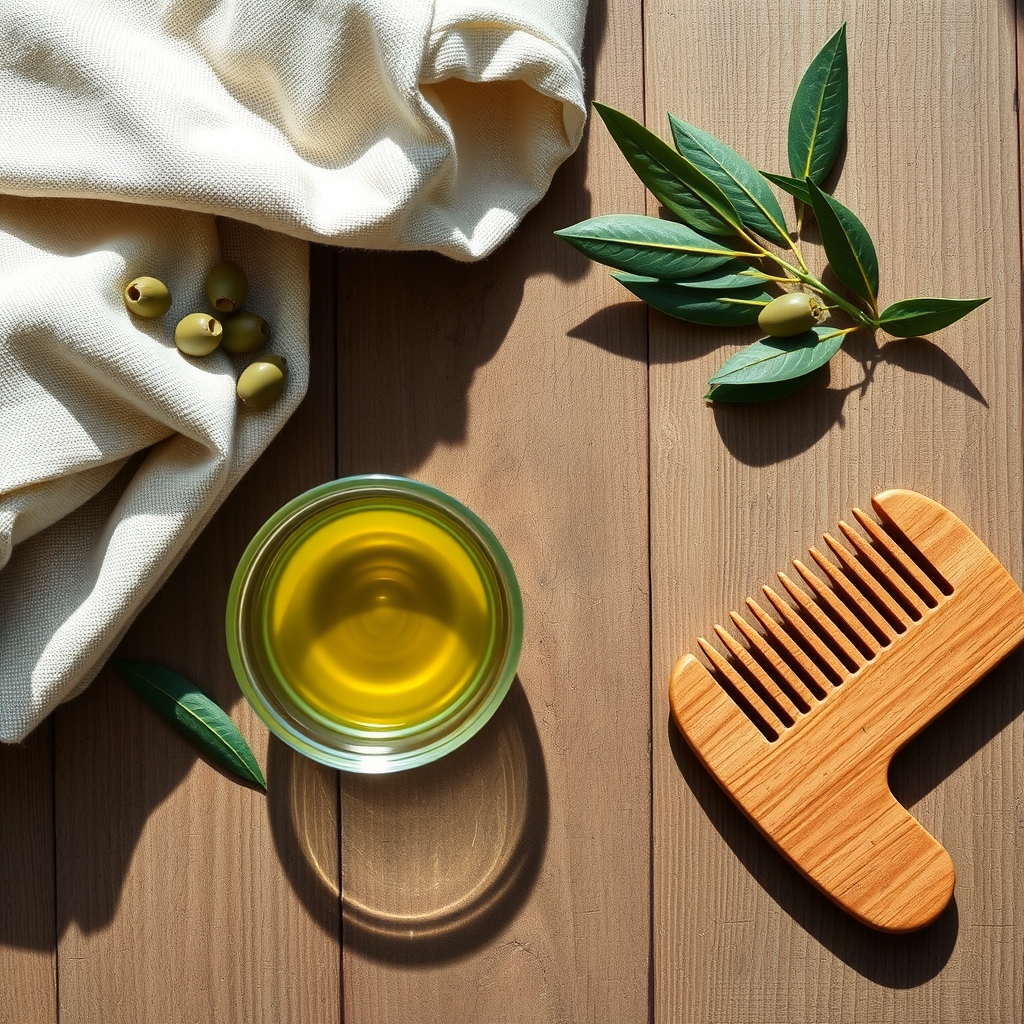
Olive Oil Hair Mask for Dry Hair
A warm olive oil mask is one of the oldest kitchen hair treatments. It may make dry ends feel softer for a while, but the science is thin, so here is an honest guide and a simple way to try it.
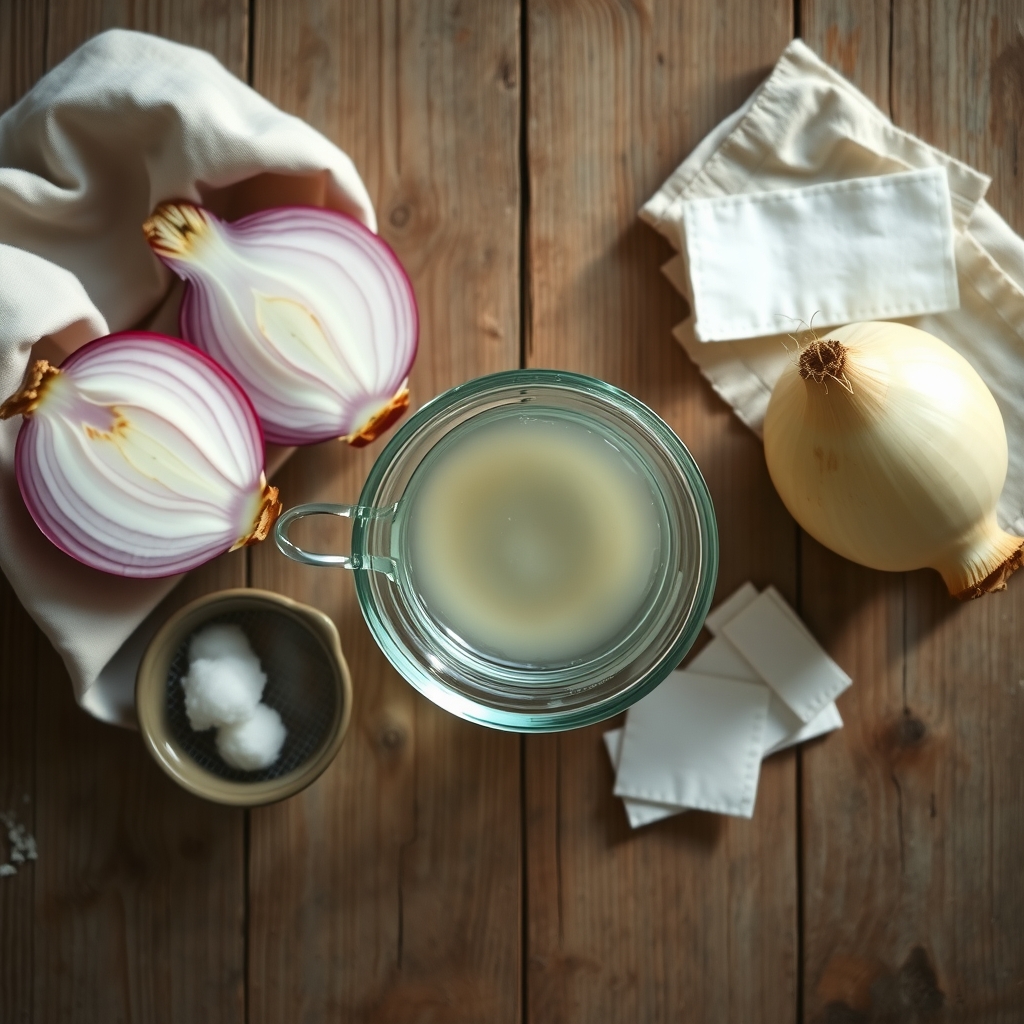
Onion Juice for Hair Loss: The Studies, Honestly
Onion juice is often shared online as a hair growth secret. The research behind it is one small, older study in one type of hair loss. Here is what it found, what it does not show, and what to do instead if your hair is thinning.
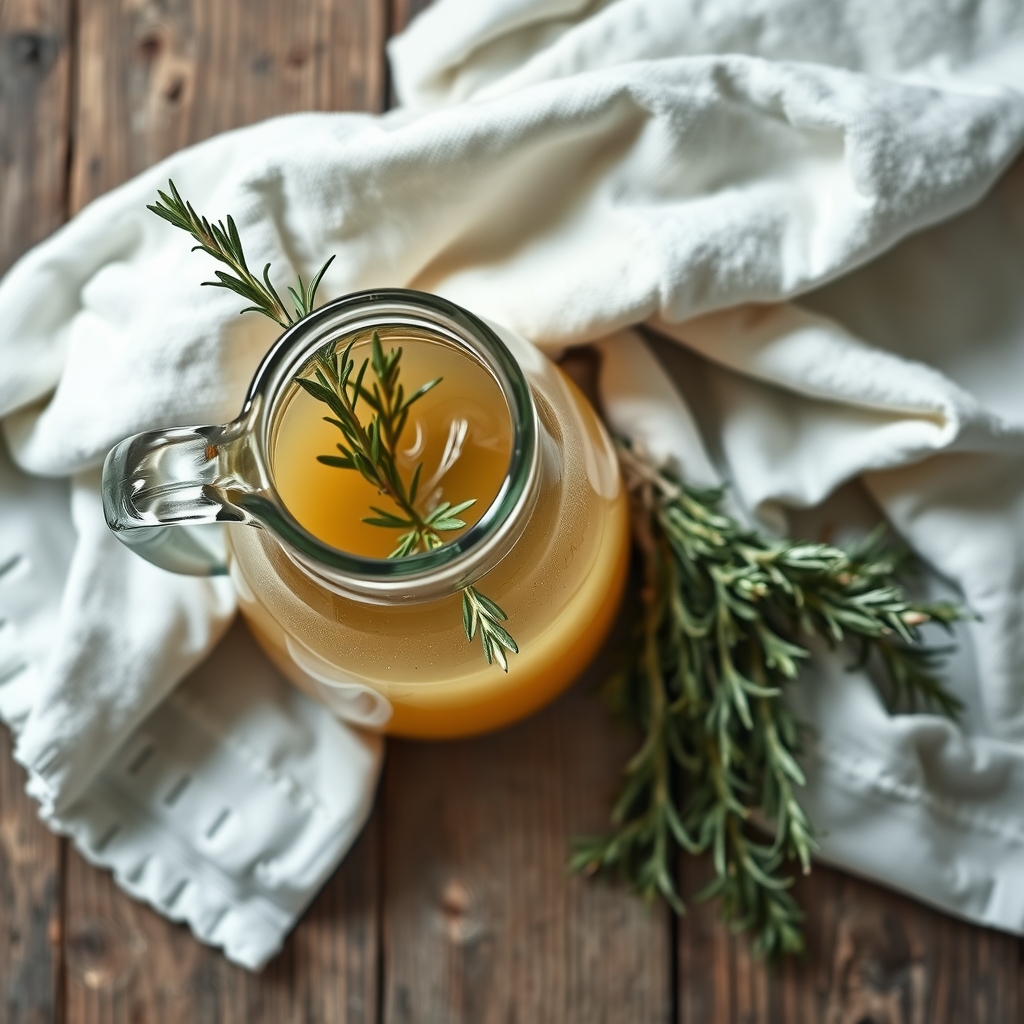
Rosemary Hair Rinse: Recipe and the Real Research
A cooled rosemary tea makes a fragrant final rinse for your hair. Here is how to make it, what the famous hair-growth study actually tested, and why it is not a fix for hair loss.
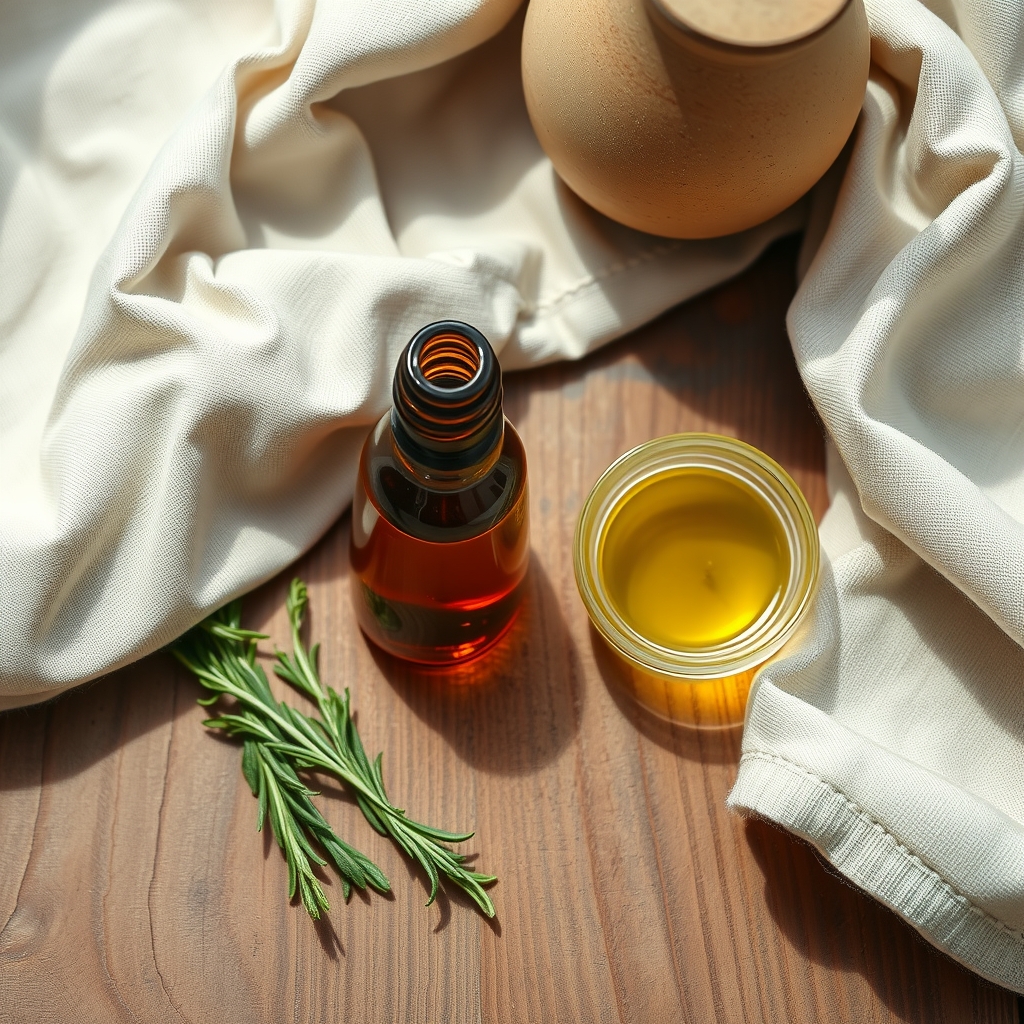
Rosemary Oil for the Scalp: Dilution and Evidence
Rosemary oil is everywhere online as a hair growth secret. The research is one small trial with modest results, and the oil must always be diluted. Here is what is known and how to use it carefully.
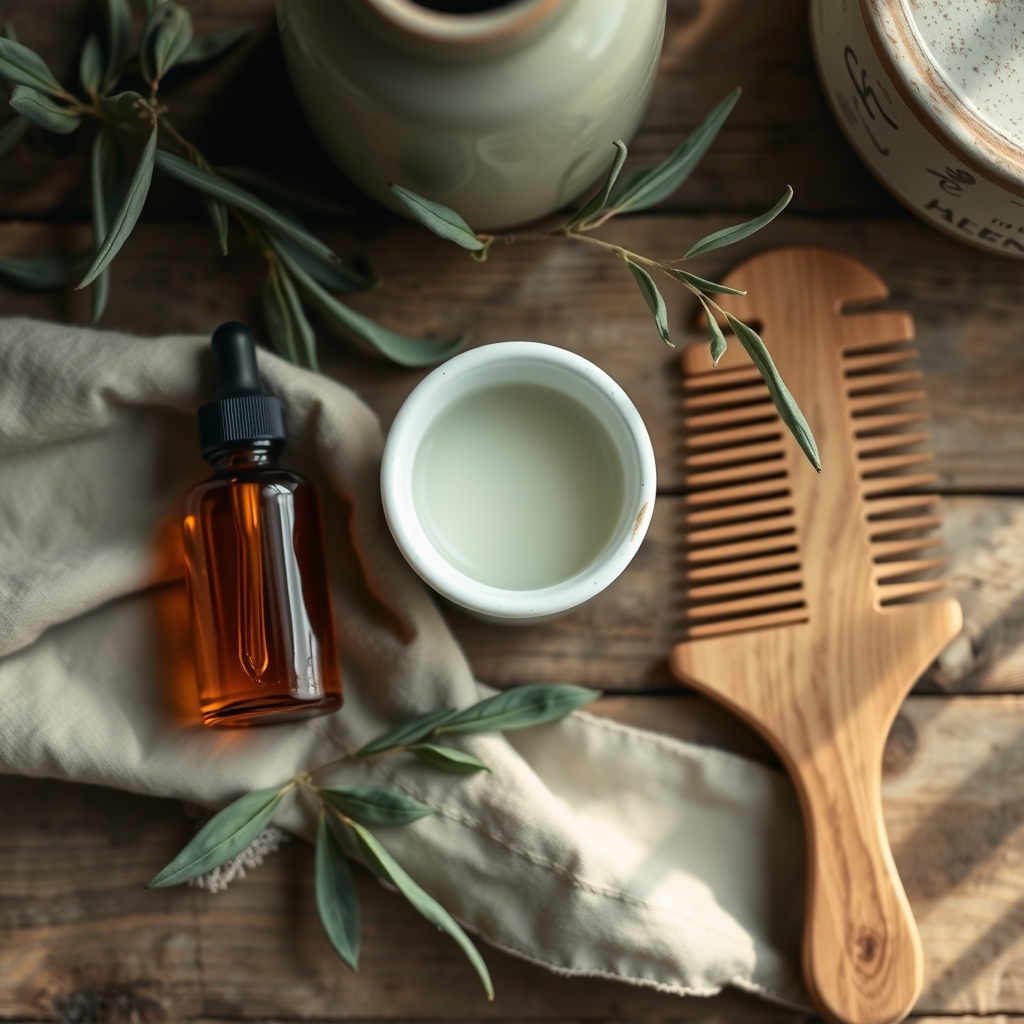
Tea Tree Oil for Dandruff: Studies and Safe Use
One well-known trial found that a 5 percent tea tree oil shampoo eased mild to moderate dandruff. Here is what that study showed, how to use tea tree oil diluted and safely, and why proven dandruff shampoos still come first.