Fenugreek Seed Hair Mask: Tradition and Evidence
Soaked fenugreek seeds turn into a slippery paste that has been used on hair for generations. Here is how the traditional mask is made, what the evidence really shows, and who should skip it.
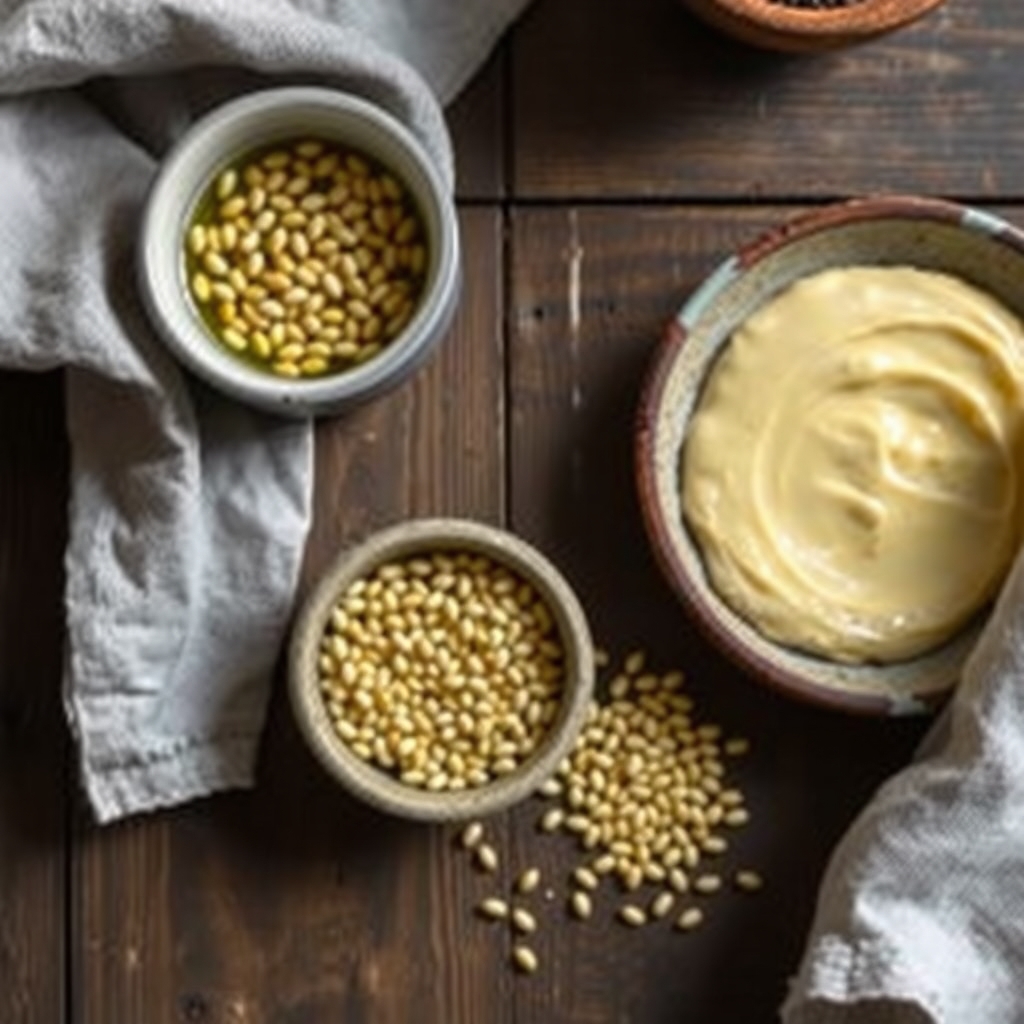
Fenugreek is a clover-like plant from the Mediterranean region, southern Europe and western Asia. Its small golden seeds smell a little like maple syrup and are used as a spice and in traditional medicine.
In many households, especially in South Asia and the Middle East, soaked fenugreek seeds are ground into a paste and spread on the hair and scalp. People say it makes hair softer and helps with hair fall. Some of that is tradition and personal experience, and very little has been tested properly. This guide explains both, so you can decide with clear eyes.
Why people use it
When fenugreek seeds soak in water, they release a slippery, gel-like coating. Spread on hair, this gives a smooth, conditioned feel, which is one reason the mask is so popular.
Fenugreek is also widely promoted online for hair loss and dandruff. These claims usually come from tradition, laboratory work or small studies of products that contain fenugreek alongside other ingredients.
Traditional Fenugreek Seed Hair Mask
You need
- whole fenugreek seeds2 tbsp (about 20 g)
- cool clean water, plus a little extra for blending120 ml (1/2 cup)
Method
- Patch test first. Make a small amount of paste, dab it on the inside of your forearm, rinse it off after 20 minutes, and watch the spot for 48 hours. If you notice itching, redness, swelling or a rash, do not use it.
- Rinse the seeds, cover them with the water and leave them to soak in a covered bowl in the fridge overnight, about 8 to 12 hours. They will swell and turn slippery.
- Blend or grind the soaked seeds with just enough water to make a smooth, spreadable paste.
- With an old towel around your shoulders, apply the paste to damp hair from the middle lengths to the ends. If your patch test was clear, you can also apply a thin layer to the scalp.
- Leave it on for 20 to 30 minutes.
- Rinse very thoroughly with lukewarm water, then shampoo and condition as usual. Small bits of seed can cling to hair, so comb through gently with a wide-tooth comb.
- Use it no more than once a week, and throw away any leftover paste the same day.
Tips
- The maple-like smell can linger in hair for a day or so.
- Keep the mask away from your eyes, and rinse with plenty of clean water if any gets in.
- If the paste is too thick to spread, add water a teaspoon at a time.
What the evidence says
The evidence for fenugreek on hair is weak. A 2022 review of traditional hair oils and herbs in the International Journal of Trichology says scientific material in this area is limited. It mentions an idea that a compound in fenugreek might act on hormones linked to hair loss, but states that how it might work is not properly known. The studies it cites are small and include an oral food supplement and a conditioner product, not a homemade mask.
The same review mentions a laboratory finding that fenugreek extract reduced a yeast linked to dandruff. That is a test in a dish, not proof that a mask clears dandruff on a real scalp.
The European Medicines Agency recognizes fenugreek seed for skin use only as a traditional remedy for minor skin inflammation, based on long-standing use rather than clinical trials. It does not list any hair use.
In short: a fenugreek mask may leave hair feeling soft, but there is no good evidence that it stops hair loss, regrows hair or treats dandruff.
Who should not use fenugreek
Fenugreek belongs to the legume family, the same family as peanuts and soy. The European Medicines Agency advises that people allergic to fenugreek, peanut, soy or other legumes should not use it, and that allergic reactions such as facial swelling or wheezing can happen with use on the skin as well as by mouth.
The US National Center for Complementary and Integrative Health says fenugreek can cause allergic reactions in some people, and these can be serious. It also says fenugreek is not considered safe in pregnancy in amounts above those found in food, because it has been linked to birth defects. The European Medicines Agency advises against its medicinal use, including on the skin, in pregnancy, while breastfeeding and in people under 18.
Questions people ask
Does fenugreek stop hair fall?
There is no good evidence that it does. The idea comes from tradition, laboratory work and small product studies, not from trials of homemade masks.
Can I use fenugreek powder instead of whole seeds?
Many people mix ground fenugreek with water to make a quick paste. The same allergy and pregnancy cautions apply, and a patch test is still needed.
I am allergic to peanuts. Is a fenugreek mask safe for me?
No. The European Medicines Agency advises that people allergic to peanuts, soy or other legumes should not use fenugreek, including on the skin.
Sources
- Fenugreek: Usefulness and Safety — NCCIH
- Fenugreek seed: Assessment report summary for the public — European Medicines Agency
- Fenugreek — Memorial Sloan Kettering Cancer Center
- Hair Oils: Indigenous Knowledge Revisited — International Journal of Trichology (PMC)
This article is for general information only and is not medical advice. Herbs can interact with medicines and health conditions. Talk to a doctor or pharmacist before trying a herbal remedy, especially if you are pregnant, breastfeeding, giving it to a child, or taking any medication.