Henna for Hair: Natural Henna vs Black Henna
Natural henna is a plant dye that gives hair a red-brown tint. So-called black henna is different: it often contains PPD, a chemical dye that can cause serious allergic reactions. Here is how to tell them apart and use henna more safely.
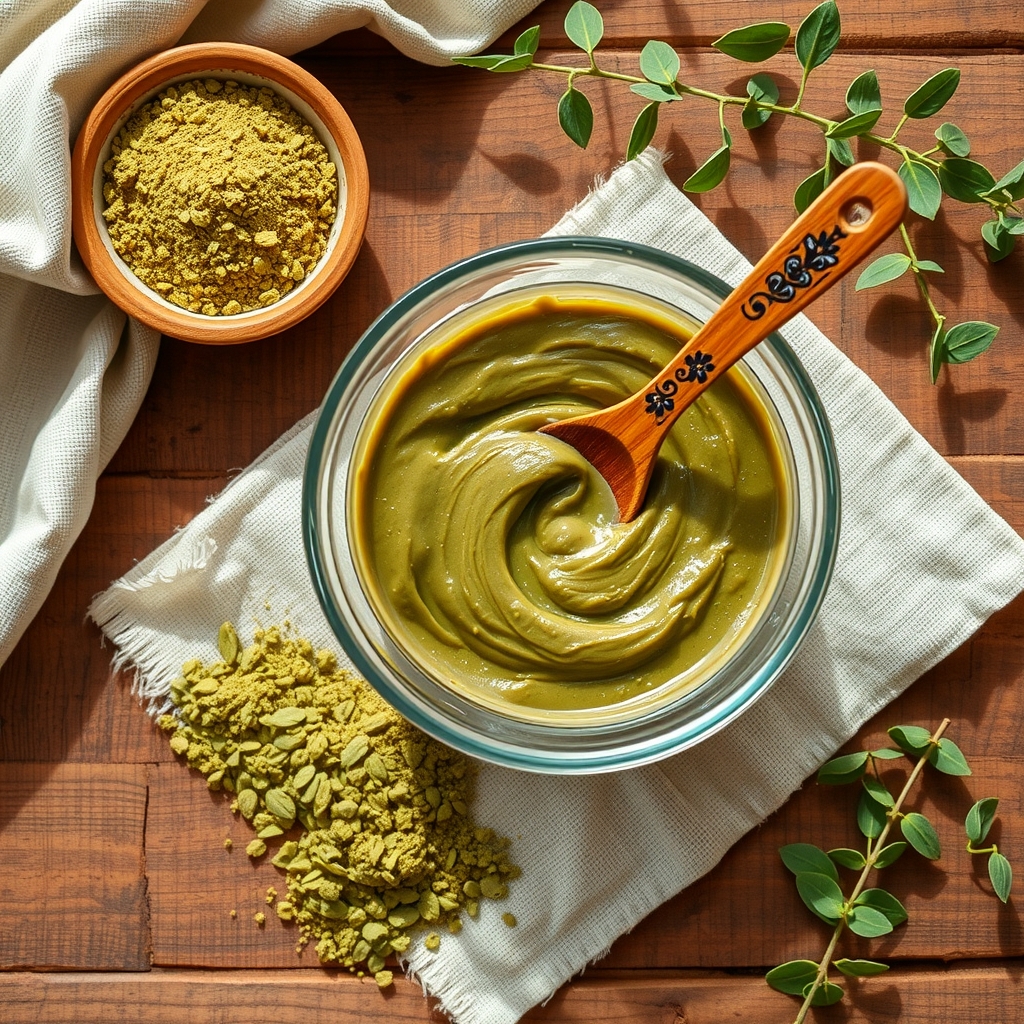
Henna comes from the leaves of a shrub called Lawsonia. Dried and powdered, then mixed with water, it makes a paste that stains hair a warm red, orange-brown or reddish-brown. People have used it on hair for centuries, and many choose it today as a plant-based alternative to chemical dyes.
The word henna is also used for products that are something else entirely. Black henna, sold mostly for temporary skin tattoos, often gets its dark color from a hair dye chemical called PPD. That difference matters, because PPD can cause serious skin reactions. This guide explains what to look for.
Natural henna and black henna are not the same
The US Food and Drug Administration explains that henna alone usually gives brown, orange-brown or reddish-brown tints. Products sold in other colors, such as black or blue-black, may contain added ingredients, and even some brown henna products contain additives to darken the color or make it last longer.
Black henna typically gets its color from a coal-tar hair dye that contains p-phenylenediamine, or PPD. The FDA says PPD can cause serious skin reactions in some people and that there is no way to predict who will react.
In the US, henna is approved as a color additive only for use on hair. It is not approved for staining skin, and PPD is not permitted in cosmetics meant for the skin.
Natural Henna Hair Paste
You need
- pure henna powder, with henna or Lawsonia inermis as the only ingredient50 to 100 g (about 1/2 to 1 cup)
- warm water, not hot150 to 300 ml (2/3 to 1 1/4 cups)
Method
- Patch test first. Mix a pinch of the powder with a few drops of water, dab it on the inside of your forearm, cover it lightly and leave it for 48 hours. If you notice itching, redness, swelling or blisters, do not use the product.
- In a glass or plastic bowl, stir the warm water into the powder a little at a time until the paste is smooth and about as thick as yogurt.
- Cover the bowl and leave it at room temperature for a few hours so the color can develop. The surface may darken slightly.
- Wear gloves, put an old towel around your shoulders and rub a thin layer of a plain, rich moisturizer along your hairline and ears to reduce staining.
- Apply the paste to clean, damp hair in sections, from roots to ends, keeping it well away from your eyes.
- Cover with a shower cap and leave on for 1 to 3 hours. Longer usually gives a deeper color.
- Rinse with plenty of lukewarm water until the water runs clear, then condition. The color often deepens over the next day or two.
Tips
- Henna stains skin, nails, towels and grout, so wipe up spills straight away.
- Test on a few strands of hair from a hidden spot first if you want to see the color before committing.
- Henna color is long lasting and hard to remove, so think it through if you may want to switch to a chemical dye later, and tell your hairdresser that you have used henna.
What the evidence says
Henna does work as a hair dye. The FDA notes that it darkens hair gradually with repeated applications. The color is a red-brown family; pure henna cannot make hair black.
The safety evidence on black henna is clear and worrying. A 2017 review in the International Journal of Environmental Research and Public Health describes children who developed allergic skin reactions after black henna tattoos and were left with lasting pale patches on the skin. The authors report FDA findings of PPD levels in henna products ranging from about 5 percent to 27 percent, and call PPD sensitization a growing problem in children.
Once a person becomes sensitized to PPD, they can react later to other products that contain it, including black hair dye. The FDA also notes that sensitivity to PPD can start from black henna tattoos, textile dyes and some other exposures.
How to choose and use henna more safely
Read the ingredient list. For natural henna, it should list only henna or Lawsonia inermis. Be cautious with any product sold as black or very dark henna, or with ingredients you do not recognize. If you want to avoid PPD, check the label for p-phenylenediamine or PPD.
The FDA advises a skin test before every use of a hair dye, even if you have used it before without problems, because products and your own sensitivity can change.
Never use henna or any hair dye on eyebrows or eyelashes. The FDA warns that dyeing them can cause eye injury, including blindness.
Avoid black henna temporary tattoos, especially for children, because they can sensitize you to PPD for life.
Questions people ask
Can natural henna turn hair black?
No. Pure henna gives red, orange-brown or reddish-brown tones. A product that promises black color likely contains other ingredients, so check the label carefully.
Is henna safer than chemical hair dye?
Pure henna avoids PPD, the ingredient most often linked to hair dye allergy. But henna sold in other colors may contain added chemicals, and anyone can be allergic to a plant product, so read labels and patch test every time.
I had a black henna tattoo on holiday and it blistered. What now?
See a doctor or dermatologist. You may now be sensitized to PPD, which means you could react to some hair dyes and other products in future. A dermatologist can test you and advise what to avoid.
Sources
- Temporary Tattoos, Henna/Mehndi, and "Black Henna": Fact Sheet — US Food and Drug Administration
- Hair Dyes — US Food and Drug Administration
- Temporary Black Henna Tattoos and Sensitization to para-Phenylenediamine (PPD): Two Paediatric Case Reports and a Review of the Literature — International Journal of Environmental Research and Public Health (PMC)
- Henna causes life threatening haemolysis in glucose-6-phosphate dehydrogenase deficiency — Archives of Disease in Childhood (BMJ)
This article is for general information only and is not medical advice. Herbs can interact with medicines and health conditions. Talk to a doctor or pharmacist before trying a herbal remedy, especially if you are pregnant, breastfeeding, giving it to a child, or taking any medication.