Poison Hemlock Look-Alikes: Parsley, Carrot and More
Poison hemlock belongs to the carrot family, and its lacy young leaves can be mistaken for parsley. Here is how to recognize it and the simple rules that keep wild herbs off your plate.
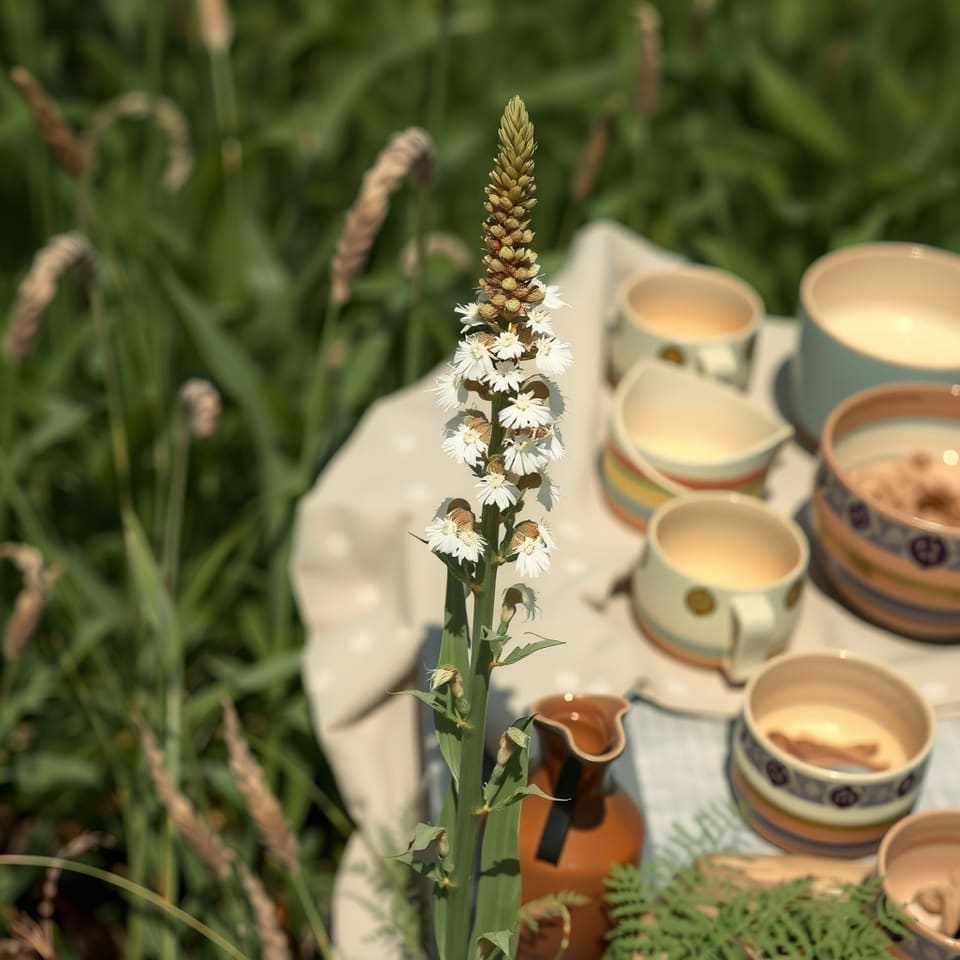
Poison hemlock belongs to the carrot family, a group of plants with lacy leaves and small flowers held in umbrella-shaped clusters. Its young leaves can look a lot like parsley, and that resemblance has led to serious poisonings.
Poison hemlock is native to Europe, northern Africa and western Asia, and it was taken to North America as a garden ornamental. It now grows along roadsides, fencerows, field edges and waterways. Because its young leaves look so much like familiar herbs, the safest approach is to know its warning signs and never eat a wild plant you cannot identify with certainty.
How to recognize poison hemlock
In its first year, poison hemlock grows as a low rosette of glossy, lacy leaves close to the ground. At this stage it is very hard to tell apart from other plants in the family. In its second year it sends up a tall flowering stalk, usually 60 cm to 2 m (2 to 6 feet) high and sometimes up to about 2.4 m (8 feet).
The stem is the best clue. It is smooth, hairless and hollow, and it is marked with purple spots or blotches. The leaves are fern-like and finely divided, roughly triangular in outline. Small white flowers appear in umbrella-shaped clusters, from late spring to late summer in the northern hemisphere. The root looks like a small white carrot or parsnip, and the crushed plant smells a bit like parsnip.
Common look-alikes
Parsley. Medical reports describe people who were poisoned after eating hemlock leaves they believed were parsley. Young parsley and young hemlock can look alike, which is why wild-picked parsley is never worth the risk.
Wild carrot, also called Queen Anne's lace. It has similar lacy leaves and white flower heads, but its stems are hairy and lack purple blotches.
Wild chervil. It is common along roadsides and looks very similar as a rosette. Its stem is grooved and covered in soft hairs, especially near the base, and is mostly green.
Water hemlock. This relative may also have purple-spotted stems, but its leaves are not lacy. It is also highly toxic, so it is not a safe alternative either. Other relatives, such as wild parsnip and giant hogweed, have sap that can burn the skin in sunlight.
What the evidence says
All parts of poison hemlock, including the roots, stems, leaves and seeds, are highly toxic if eaten, and the University of Minnesota Extension warns that small amounts can be fatal. Its main poison is coniine, and the mature seeds contain the most. The sap can also irritate the skin.
Hemlock attacks the nerves and muscles. Reported symptoms include trembling, drooling, poor coordination, dilated pupils, a weak pulse and, in severe cases, paralysis of the breathing muscles, coma and death. In a published series of three poisoning cases from northern Iran, symptoms such as leg weakness, stomach pain, nausea, vomiting, dizziness and heavy sweating began within minutes of eating the plant. All three survived with hospital care, but there is no home treatment.
Safe-picking rules, step by step
Step 1. Grow your own. Only eat parsley, dill, chervil or coriander that you planted from a labelled packet or plant, or that you bought as food.
Step 2. Never eat a wild plant from the carrot family unless an expert has identified it in person. Photos and apps are not a safe substitute for this family.
Step 3. Check new plants in your garden. If a lacy plant with a smooth, purple-blotched stem appears, do not touch it with bare hands.
Step 4. If you remove it, wear gloves, long sleeves and eye protection, then shower and wash your clothes. Bag it for the trash. Do not compost or burn it, because dead plants stay toxic for about three years.
Step 5. Teach children not to pick or chew wild plants, and keep animals away from patches you suspect.
Questions people ask
How can I tell poison hemlock from parsley?
At a young stage you often cannot, which is the danger. Only eat parsley you grew from a labelled source or bought as food. Mature hemlock is much taller, with a smooth, purple-blotched stem.
Is it dangerous to touch poison hemlock?
The main danger is eating it, but the sap can irritate the skin. Wear gloves and protective clothing if you have to handle it, and wash afterwards.
What does poison hemlock smell like?
When crushed, it smells somewhat like parsnip. Do not rely on smell to identify it, and never taste a plant to check.
Sources
- Poison hemlock — University of Minnesota Extension
- Is It Poison Hemlock or Wild Chervil? — Penn State Extension
- Mild-to-severe poisoning due to Conium maculatum as toxic herb: A case series — Clinical Case Reports (PubMed Central)
This article is for general information only and is not medical advice. Herbs can interact with medicines and health conditions. Talk to a doctor or pharmacist before trying a herbal remedy, especially if you are pregnant, breastfeeding, giving it to a child, or taking any medication.