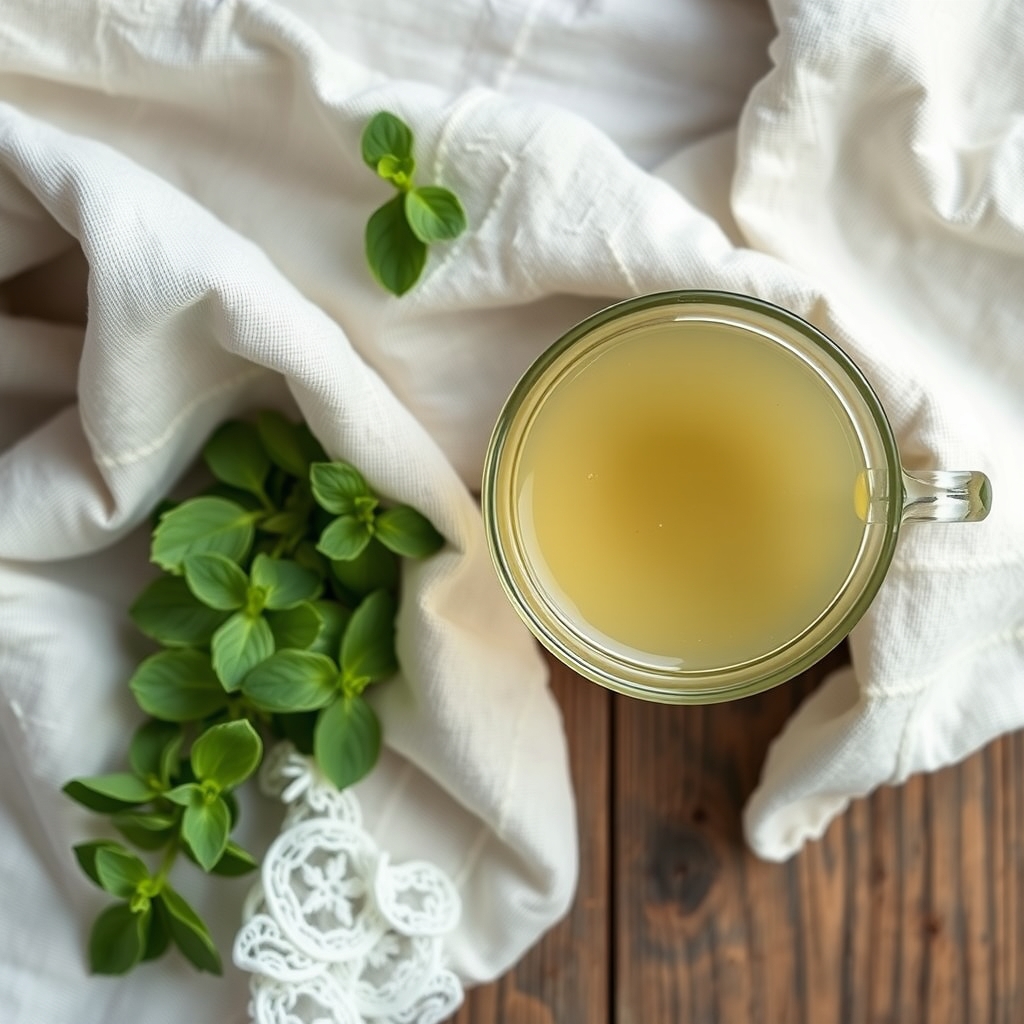
Chamomile and Oat Bath to Unwind Before Bed
A warm soak with a bag of oats and chamomile flowers can be a gentle way to mark the end of the day. Here is how to make one, and what it can and cannot do for your sleep.
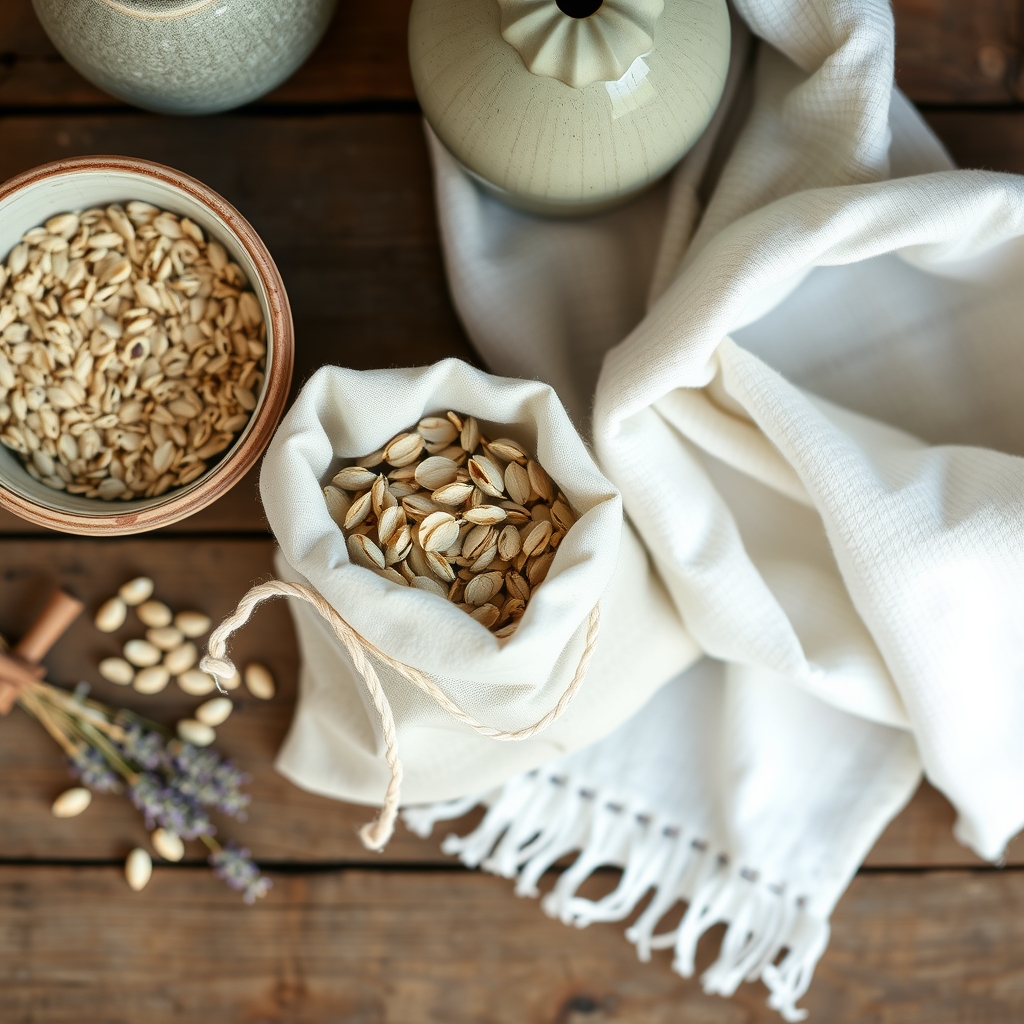
Some evenings your body is in bed but your mind is still at work. A warm bath is one of the oldest ways to draw a line under the day, and adding a cloth bag of oats and chamomile flowers makes it feel a little more like a ritual.
This guide shows you how to make a simple chamomile and oat bath bag, with an optional pinch of dried lavender for scent. It also explains honestly what the research says, because a bath can help you relax, but no herb in the water has been shown to fix poor sleep.
Why a bath fits a bedtime routine
The NHS advice for people who sleep badly includes winding down for about an hour before bed, and it gives a bath or a book as examples. The idea is to give yourself a calm, screen-free stretch of time that tells your brain the day is over.
A bath works best as part of a wider routine: going to bed when you feel sleepy, getting up at the same time each day, keeping the bedroom dark and quiet, and avoiding tea, coffee and alcohol in the hours before bed.
Chamomile and Oat Bath Bag
You need
- plain rolled oats, finely ground in a blender if you like40 g (1/2 cup)
- dried chamomile flowers, or the contents of 3 to 4 chamomile tea bags2 tbsp
- dried lavender buds1 tsp (optional)
- small muslin or thin cotton bag, or a clean cotton sock, tied with string1
- hot water, for steeping500 ml (2 cups)
Method
- Put the oats, chamomile and lavender, if using, into the cloth bag and tie it tightly so nothing escapes into the tub.
- Place the bag in a heatproof bowl and pour the hot water over it. Leave it to steep for about 10 minutes.
- Run a warm, not hot, bath. Pour the steeped water into the tub and drop the bag in as well.
- Squeeze the bag a few times in the water. The water will turn slightly milky.
- Soak for about 10 to 15 minutes, breathing slowly and keeping screens out of the bathroom.
- Step out carefully, pat your skin dry, and moisturize within a few minutes.
Tips
- Use the bag once, then empty it into the compost and wash the cloth.
- Skip the lavender if you prefer a lighter scent, or if the bath is for a child.
- Swap the bath for a warm footbath in a basin if you do not have a tub.
Why oats and chamomile
Oats have a long history in the bath. The American Academy of Dermatology suggests a lukewarm bath with finely ground (colloidal) oatmeal as a home remedy for itchy skin in children with eczema, with a soak of about 10 to 15 minutes. If your skin tends to feel dry or itchy in the evening, oats are a soft, familiar addition.
Chamomile is one of the best known calming herbs, and many people simply enjoy its gentle, apple-like smell. Dried lavender buds add a stronger floral note if you like it. Neither needs to be used as an oil: a small handful of dried flowers in a cloth bag is enough to scent the water.
What the evidence says
The honest answer is that the evidence for these herbs and sleep is thin. The US National Center for Complementary and Integrative Health (NCCIH) says there is very little information on chamomile for sleep, and one study in a 2019 review found no benefit for insomnia. Some early studies suggest a chamomile supplement taken by mouth might help generalized anxiety, but that is not the same as flowers in bath water.
For lavender, NCCIH says it is unclear whether lavender aromatherapy helps sleep quality or insomnia, although some people report feeling better in themselves. No studies show that a chamomile or lavender bath will make you fall asleep faster.
So think of this bath as a pleasant, relaxing habit, not a sleep treatment. The calm time, the warmth and the break from screens are likely doing most of the work.
Getting the timing right
Aim to have your bath about an hour before you plan to sleep, in line with the NHS wind-down advice. Keep the water warm rather than hot, and keep the soak short, around 10 to 15 minutes, as the AAD suggests for oatmeal baths.
Afterward, pat your skin dry so it is still slightly damp and apply a plain moisturizer within about 3 minutes, which the AAD recommends to help lock in moisture. Then dim the lights and head toward bed.
Questions people ask
Will a chamomile bath help me sleep?
It may help you relax as part of a wind-down routine, but there is very little research on chamomile for sleep, and none showing a bath makes you fall asleep faster.
Can I use chamomile tea bags instead of loose flowers?
Yes. Cut open 3 to 4 plain chamomile tea bags and put the contents in your cloth bag, or simply steep the tea bags in the hot water and add them to the bath.
Can I add lavender essential oil?
It is best not to. Dried lavender buds in the bag give a gentle scent without the risk of undiluted oil on your skin, and oils can be harmful to pets.
Sources
- Chamomile — NCCIH
- Lavender — NCCIH
- Home remedies: What can relieve itchy eczema? — American Academy of Dermatology
- Insomnia — NHS
This article is for general information only and is not medical advice. Herbs can interact with medicines and health conditions. Talk to a doctor or pharmacist before trying a herbal remedy, especially if you are pregnant, breastfeeding, giving it to a child, or taking any medication.