Lemon Verbena Tea (Louiza): How to Brew It
A bright, lemony leaf tea that many families in Cyprus and Greece drink after dinner. Here is how to brew it gently and what is actually known about it.

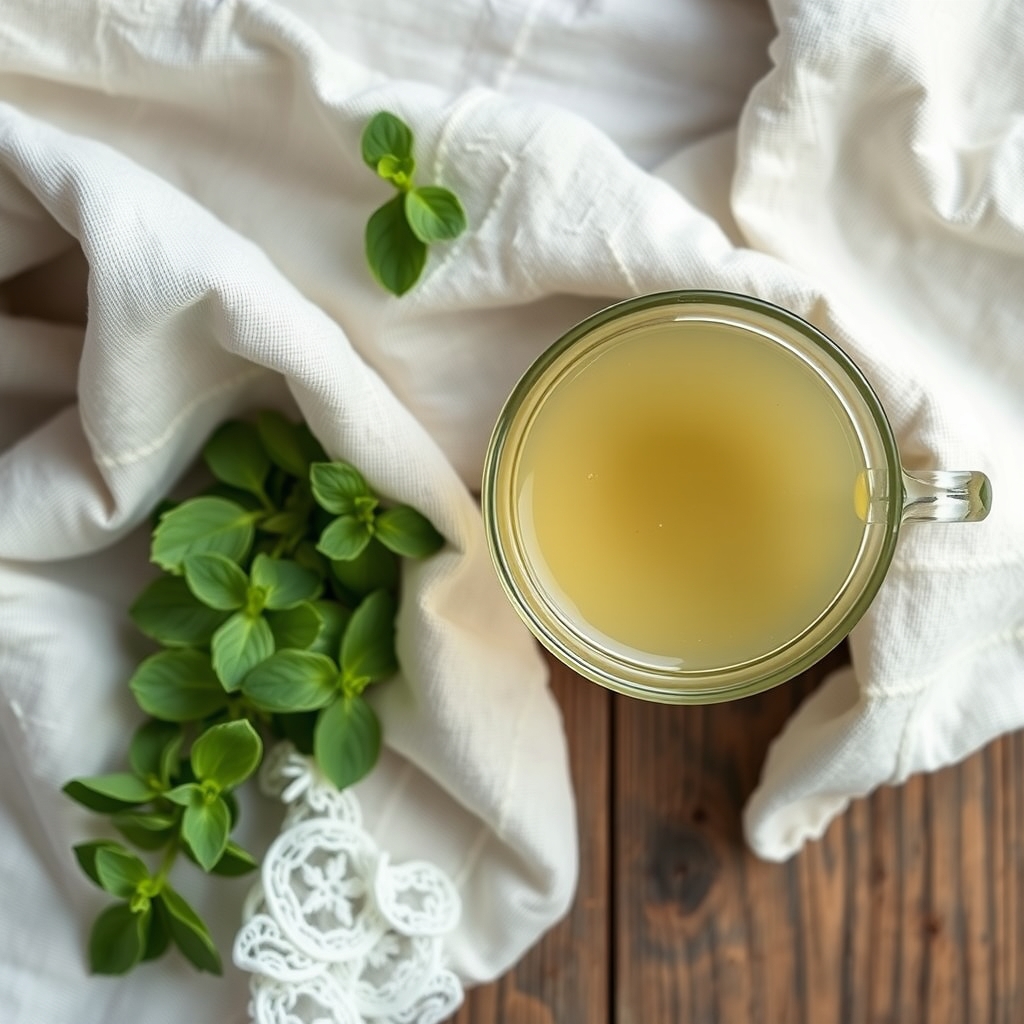
If you have spent an evening in Cyprus or Greece, there is a good chance someone offered you a cup of louiza. That is the local name for lemon verbena, a shrub with long, narrow leaves that smell like lemon peel when you rub them between your fingers.
People drink it warm after a meal or before bed as a quiet way to wind down. It is caffeine-free, easy to grow in a pot, and takes only a few minutes to brew. Below you will find a simple recipe, an honest look at the evidence, and the people who should give it a miss.
Why people use it
Lemon verbena leaves have a long history as a household infusion. The European Medicines Agency notes that the leaves have traditionally been taken as a tea for upset stomach and indigestion, and as a mild calming drink.
Based on that long use, the agency recognizes lemon verbena leaf as a traditional herbal remedy for two purposes: to relieve mild symptoms of mental stress and to aid sleep, and to ease mild digestive complaints such as bloating and wind.
For many people the appeal is simpler. A warm, fragrant, caffeine-free cup can become part of a calm evening routine, which is helpful in its own right.
Evening Lemon Verbena Tea
You need
- dried lemon verbena leaves, lightly crumbled, or 6-8 fresh leaves1-2 g (about 1-2 teaspoons)
- freshly boiled water200 ml (a scant 1 cup)
- lemon1 thin slice (optional)
Method
- Bring fresh water to a boil.
- Put the leaves in a cup or small teapot and pour the boiling water over them.
- Cover and let the tea steep for 5 to 10 minutes. Covering keeps the fragrant oils in the cup.
- Strain, add a slice of lemon if you like, and let it cool until comfortable to sip.
- For sleep, the traditional suggestion is one cup about half an hour before bed.
Tips
- Start with the smaller amount of leaf. Lemon verbena is strongly flavored and can taste soapy if overbrewed.
- A sprig of fresh mint or a strip of orange peel makes a nice change.
- Skip honey or sugar late at night if you can; plain is best before bed.
What the evidence says
Evidence is limited. The European regulator accepted lemon verbena only on the basis of traditional use, meaning it has been used safely for a long time, but there is not enough clinical research to say it works.
The agency's assessment found just one published trial on sleep. In that study, adults with insomnia took a sweetened syrup made from boiled lemon verbena leaves for four weeks and reported better sleep quality than the placebo group. The assessors rated the study of low relevance because it was small, relied on self-reported results, and had no follow-up.
There are no clinical trials on stress or anxiety. Support there comes from lab and animal studies, which cannot tell you how a cup of tea will affect you. So think of lemon verbena as a pleasant, traditional evening drink that may help you relax, not as a sleep treatment.
Fresh or dried leaves
Both work. Dried leaves are what the official dosing is based on, and they keep for months in a sealed jar away from light. Fresh leaves taste greener and brighter; use a little more by volume because they hold water.
Make sure you have lemon verbena (Aloysia citrodora) and not common vervain (Verbena officinalis). They share part of a name but are different plants. If you buy dried louiza at a market, the long, curled, pale green leaves and strong lemon scent are the giveaway.
Questions people ask
Is louiza the same as lemon verbena?
Yes. Louiza is the everyday Greek and Cypriot name for lemon verbena, the plant known botanically as Aloysia citrodora. It is not the same as common vervain.
How many cups a day is reasonable?
For sleep, one cup in the evening is the traditional amount. For digestion, the European monograph allows up to three cups a day of an infusion made with 2 to 3 g of leaf in 200 ml of water, for adults. If you need it every day for more than two weeks, check in with a doctor.
Does lemon verbena tea have caffeine?
No. It is an herbal infusion made only from the leaves, so it is naturally caffeine-free.
Sources
- Verbenae citriodorae folium - herbal medicinal product — European Medicines Agency
- European Union herbal monograph on Aloysia citrodora Palau, folium — European Medicines Agency
- Assessment report on Aloysia citrodora Palau, folium — European Medicines Agency
This article is for general information only and is not medical advice. Herbs can interact with medicines and health conditions. Talk to a doctor or pharmacist before trying a herbal remedy, especially if you are pregnant, breastfeeding, giving it to a child, or taking any medication.