Lemon Balm Tea for a Calmer Evening
A gentle, lemony cup that has long been used to take the edge off a busy day. Here is how to brew it, and what is and is not known about it.
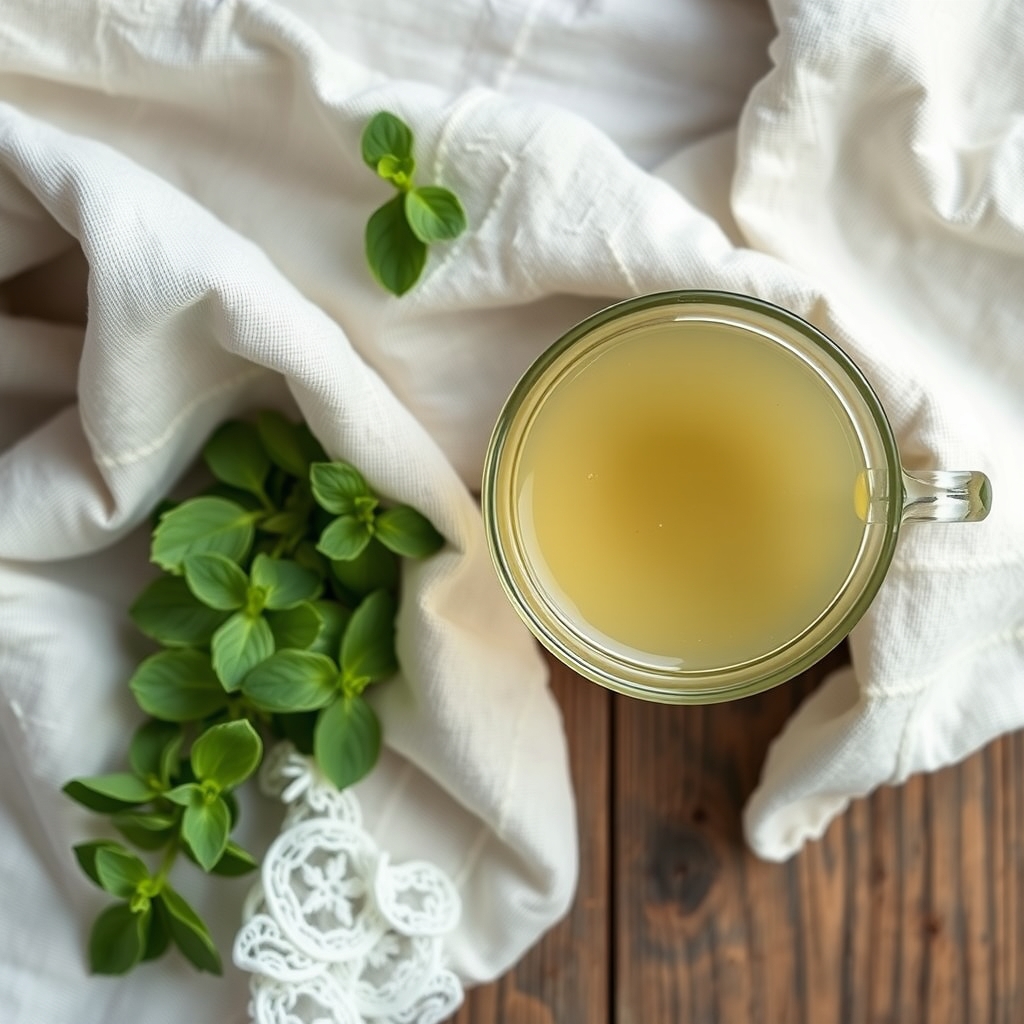
Lemon balm is a soft, leafy member of the mint family with a bright lemon scent. Crush a leaf between your fingers and you will see why people have brewed it for centuries.
If your evenings feel rushed and your mind keeps running after the day is done, a warm cup of lemon balm tea can be a simple wind-down ritual. Below you will find an easy recipe, an honest look at the evidence, and the situations where you should skip it.
Why people use it
Lemon balm has a long history as a calming kitchen herb. In Europe, its leaf is recognized as a traditional herbal medicine for easing mild symptoms of mental stress and helping with sleep.
It is also traditionally used for mild tummy complaints such as bloating and wind, which is one reason it often turns up in after-dinner blends.
For most people, though, the appeal is simple: it tastes pleasant, and making a cup gives you a few quiet minutes before bed.
Simple Lemon Balm Tea
You need
- freshly boiled water250 ml (1 cup)
- dried lemon balm leaf, or a small handful of fresh leaves, lightly torn2-3 g (about 2 teaspoons)
- lemon (optional)1 thin slice
Method
- Bring the water to a boil, at 100°C (212°F), then let it stand for a few seconds.
- Put the lemon balm in a cup or small teapot and pour the water over it.
- Cover the cup with a saucer and steep for 5 to 10 minutes.
- Strain, add the lemon slice if you like, and sip slowly about an hour before bed.
Tips
- The European herbal monograph describes 1.5 to 4.5 g of leaf per cup, up to three times a day, so one or two evening cups stays well within that range.
- Covering the cup keeps the lemony aroma in the tea rather than in the air.
- Pair it with other wind-down habits, such as dimming the lights and putting your phone away.
What the evidence says
The European Medicines Agency's herbal committee accepts lemon balm for mild stress and sleep based on long-standing traditional use. That is not the same as proof from large clinical trials, and the committee says so plainly.
In other words, evidence that lemon balm tea improves sleep or anxiety is limited. It may help you feel more relaxed, partly through the ritual itself, but it is not a treatment for insomnia or an anxiety disorder.
The US National Center for Complementary and Integrative Health also reminds people that natural sleep products are not automatically safe, and that you should tell your health care providers about anything you use.
Fresh or dried leaves
Dried lemon balm is easiest to measure and keeps for months in a sealed jar away from light. Fresh leaves from a garden or pot give a brighter, greener flavor.
Because fresh leaves contain a lot of water, you need a bigger handful to get a similar taste. Start with the amounts below and adjust to your liking.
Questions people ask
Can I drink it during the day too?
Yes. Lemon balm is traditionally used for mild stress at any time of day, and the European monograph allows up to three cups daily for adults. Many people simply prefer it as part of an evening routine.
How many cups can I drink?
The European herbal monograph describes up to three cups a day for adults. For an evening ritual, one or two cups is plenty. If you still need it after two weeks, talk to a doctor.
Can I give lemon balm tea to my child?
It is not recommended for children under 12, because there is not enough information on its safety in that age group. Ask your pediatrician about sleep concerns in children.
Sources
- Melissa leaf: summary for the public — European Medicines Agency
- Community herbal monograph on Melissa officinalis L., folium — European Medicines Agency
- Sleep Disorders and Complementary Health Approaches: Usefulness and Safety — NCCIH
This article is for general information only and is not medical advice. Herbs can interact with medicines and health conditions. Talk to a doctor or pharmacist before trying a herbal remedy, especially if you are pregnant, breastfeeding, giving it to a child, or taking any medication.