Plants and Oils Against Mosquitoes: What Works
A pot of citronella or lavender on the patio does little to stop mosquitoes. One plant-based ingredient, oil of lemon eucalyptus in registered repellents, is recommended by the CDC, and that difference matters.
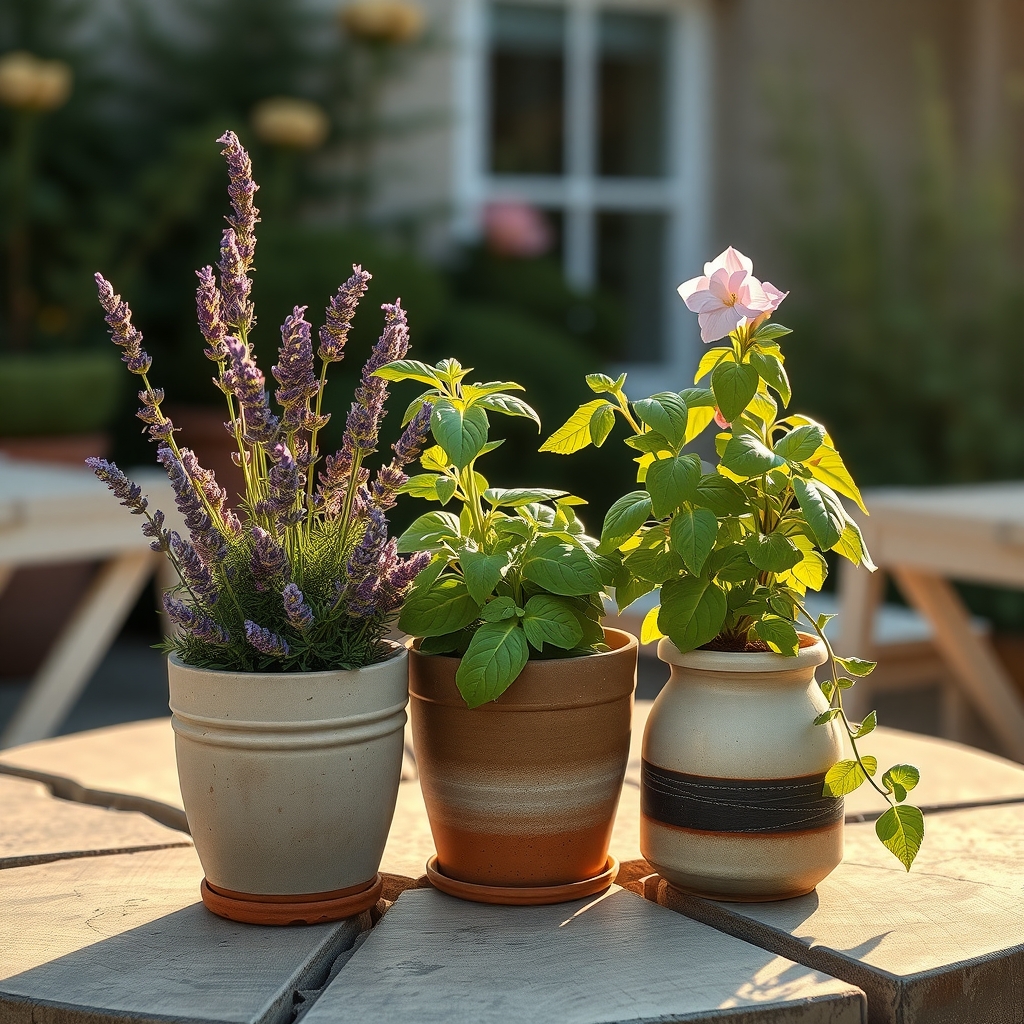
Garden centers sell mosquito plants every summer, and lists of herbs that keep mosquitoes away are everywhere online. It would be lovely if a few pots of lavender or basil could protect a whole evening outdoors.
Sadly, most of these claims do not hold up. This guide separates what is proven from what is not, explains why oil of lemon eucalyptus is a special case, and shows how to protect yourself, especially where mosquitoes can carry disease.
Why plants on the patio do not help much
Many herbs, including citronella grass, lavender, basil, lemon balm and mint, contain fragrant oils that mosquitoes may dislike. The problem is that a living plant keeps most of those oils inside its leaves. Iowa State University Extension puts it plainly: a plant just sitting on the patio has no effect on mosquitoes in the area.
The popular citrosa or mosquito plant is a good example. It smells of citronella, but UF/IFAS Extension notes that the whole plant contains only a tiny amount of citronellal, the main active compound in citronella oil, and that it does no good sitting in a pot.
Mosquito-Season Checklist
You need
- EPA-registered repellent with an active ingredient listed by the CDC, such as DEET, picaridin, IR3535, OLE or PMD1
- a walk around the home and garden to empty standing waterWeekly
- window and door screens without holesAs needed
- potted herbs such as lavender, basil and lemon balm, for scent and cookingOptional
Method
- Choose a registered repellent. In the US, the EPA has an online search tool to help you find a product and protection time that suits your plans.
- Read the label and apply only to exposed skin or clothing, following the instructions. If you also use sunscreen, put sunscreen on first and repellent second.
- Once a week, tip out water from saucers, buckets, toys and anything else that collects rain.
- Check that window and door screens fit well and have no holes.
- Keep your herb pots for scent and cooking, and do not rely on them for protection.
Tips
- Change the water in birdbaths and pet bowls outdoors every few days.
- When traveling, check health advice for your destination before you go.
What the evidence says
Crushing leaves releases their oils, and some leaves rubbed on skin may repel mosquitoes a little for a short time. UF/IFAS Extension reports that citrosa leaves may reach up to about 40 percent of the repellency of DEET, which is far less than a proper repellent. Iowa State adds that even a pile of crushed leaves is not very effective.
The CDC recommends using insect repellents registered with the US Environmental Protection Agency (EPA). EPA-registered products have been reviewed for safety and effectiveness. The active ingredients the CDC lists are DEET, picaridin (also called icaridin), IR3535, oil of lemon eucalyptus (OLE), para-menthane-diol (PMD) and 2-undecanone.
Two of those, OLE and 2-undecanone, come from plants. That is the honest good news for anyone who prefers a plant-based option. But the CDC also says it does not know how well repellents that are not EPA-registered work, including many natural ones. So citronella candles, home-made herb sprays and essential oil blends are not a reliable substitute.
Oil of lemon eucalyptus is not the same as the essential oil
Oil of lemon eucalyptus in a registered repellent is a specific, refined ingredient in a tested product. It is not the same as the lemon eucalyptus essential oil sold in small bottles for aromatherapy, which has not been reviewed by the EPA as a repellent. Do not make your own repellent by putting essential oils on your skin.
The CDC advises not using products that contain OLE or PMD on children under 3 years old. For any child, do not apply repellent to their hands, eyes, mouth, cuts or irritated skin. An adult should spray it onto their own hands first and then apply it to the child's face.
Simple ways to keep mosquitoes down
Mosquitoes breed in still water. Once a week, empty or turn over anything that holds water around your home, such as plant saucers, buckets, old tires, toys and blocked gutters. UF/IFAS Extension points out that removing standing water is one of the most useful steps you can take.
Use window and door screens, and wear long sleeves and long trousers outdoors at the times mosquitoes are most active. Then enjoy your herbs for what they do best: smelling good, attracting pollinators and going into the kitchen.
Questions people ask
Do citronella candles work?
They may help slightly in a small, still area, but they are not an EPA-registered skin repellent and should not be relied on for protection.
Can I rub crushed lavender or basil leaves on my skin?
It may give a little short-lived protection at best. Patch test on your inner arm first, as some leaves can irritate skin, and use a registered repellent when protection matters.
Is oil of lemon eucalyptus safe?
Registered OLE products are reviewed by the EPA and recommended by the CDC when used as the label says, but not for children under 3. Always follow the product label.
Sources
- Preventing Mosquito Bites — CDC
- Find the Repellent that is Right for You — US EPA
- What plants will repel mosquitos when planted nearby? — Iowa State University Extension
- Q: Do those mosquito plants work? — UF/IFAS Extension
This article is for general information only and is not medical advice. Herbs can interact with medicines and health conditions. Talk to a doctor or pharmacist before trying a herbal remedy, especially if you are pregnant, breastfeeding, giving it to a child, or taking any medication.