Bay Leaves Against Pantry Bugs: Myth or Help?
Tucking a bay leaf into the flour jar is a classic kitchen tip. It is harmless, but it is not a proven way to keep pantry moths and beetles out. Here is what does work.
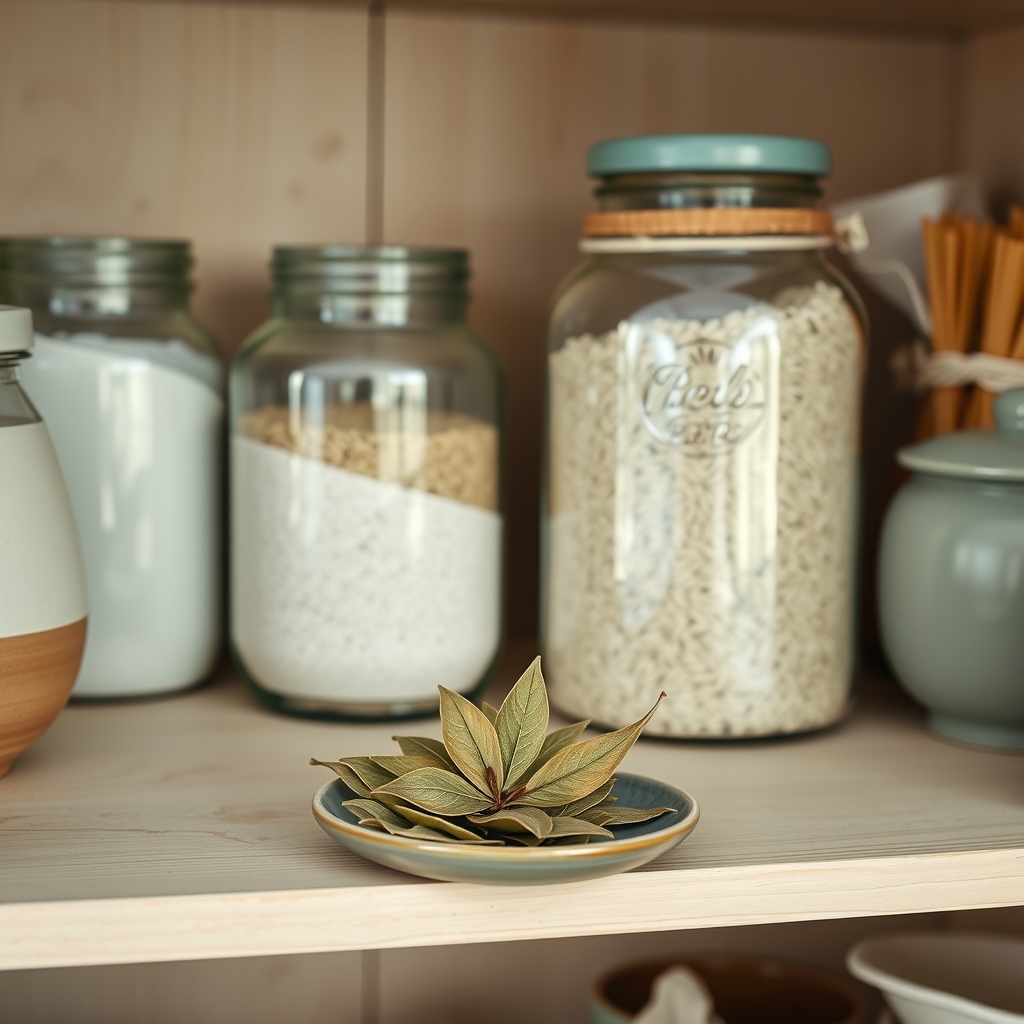
Few things are as off-putting as opening a bag of flour and finding tiny beetles, or seeing small moths fluttering out of the cupboard. Pantry pests are common, and they can arrive in a package straight from the shop.
Many people swear by a bay leaf in each jar of flour, rice or pasta. It is an old habit, and it will not hurt your food. But the university extension experts who study these insects do not include bay leaves in their advice. This guide explains why, and shows you the steps that actually protect your pantry.
What pantry pests are
Pantry pests are small insects that feed on dry foods. The most common are the Indian meal moth and various small beetles and weevils. They infest flour, cereals, rice, pasta, dried fruit, nuts, spices and pet food.
Signs include small moths in the kitchen, tiny larvae or beetles in food, and fine webbing that makes flour or cereal clump together. Because pests can come in with the food, even a very clean kitchen can have them.
What the evidence says
Bay leaves contain strong-smelling natural oils, which is why people hope they keep insects away. However, the pantry pest guidance from University of California IPM and University of Illinois Extension does not mention bay leaves or any herb as a repellent. We found no reliable evidence from our trusted sources that a few dried leaves in a jar keep pests out.
What these experts agree on is simple: airtight containers, regular cleaning, using older food first, throwing out infested food, and freezing or heating dry goods to kill hidden eggs and larvae. UC IPM also advises against spraying insecticides near food, because removing the source works and sprays can cause more harm than good.
So a bay leaf is fine as a habit, as long as it does not replace the steps below. If you still see bugs, the leaf is not the answer.
Step by step: clearing an infestation
Step 1: Empty the cupboard and check every packet, including spices, dried fruit, nuts and pet food. Look for live insects, larvae and webbing.
Step 2: Throw away heavily infested food in a sealed bag, outside the house. Do not try to sieve it and keep it.
Step 3: Vacuum the shelves well, especially corners and cracks, then empty the vacuum or remove the bag outside. Wash the shelves with soap and water and let them dry.
Step 4: Food that is only lightly affected, or that you are unsure about, can be frozen. University of Illinois Extension advises freezing at -3 °C (27 °F) or colder for at least 3 to 7 days; longer and colder is better. Another option is heating it in the oven at 60 °C (140 °F) for an hour.
Step 5: Store everything in sturdy, airtight containers with tight lids. Pests can chew through paper, cardboard and thin plastic bags. Wash old jars before refilling, and do not mix old food with new.
Keeping them from coming back
Buy dry goods in amounts you will use fairly quickly, and check packages for damage before you buy. Use older stock first.
Freezing flour, grains and spices you use only now and then is a useful habit. Keep shelves free of crumbs and spills. Pantry pests can survive for weeks without food, so keep watching for a while after a clean-out.
Questions people ask
Will a bay leaf hurt my flour or rice?
No. It may add a faint aroma, but it is harmless. Just do not rely on it to keep pests out, and remove it before using the food.
Where do pantry bugs come from?
They often arrive in packages of dry food that were already infested at the store or warehouse, then spread to other food in the cupboard.
Can I eat food that had a few bugs in it?
Extension experts advise throwing out food with signs of infestation. Lightly affected food can be frozen or heated to kill pests, but if in doubt, throw it out.
Sources
- Pantry Pests (Quick Tips) — University of California IPM
- Pantry Pests — University of Illinois Extension
- Bay Laurel — ASPCA
This article is for general information only and is not medical advice. Herbs can interact with medicines and health conditions. Talk to a doctor or pharmacist before trying a herbal remedy, especially if you are pregnant, breastfeeding, giving it to a child, or taking any medication.