Cedar and Lavender Against Clothes Moths
Cedar and lavender smell lovely in a wardrobe, but neither is a reliable moth shield on its own. Clean clothes, sealed storage and regular vacuuming do most of the work.
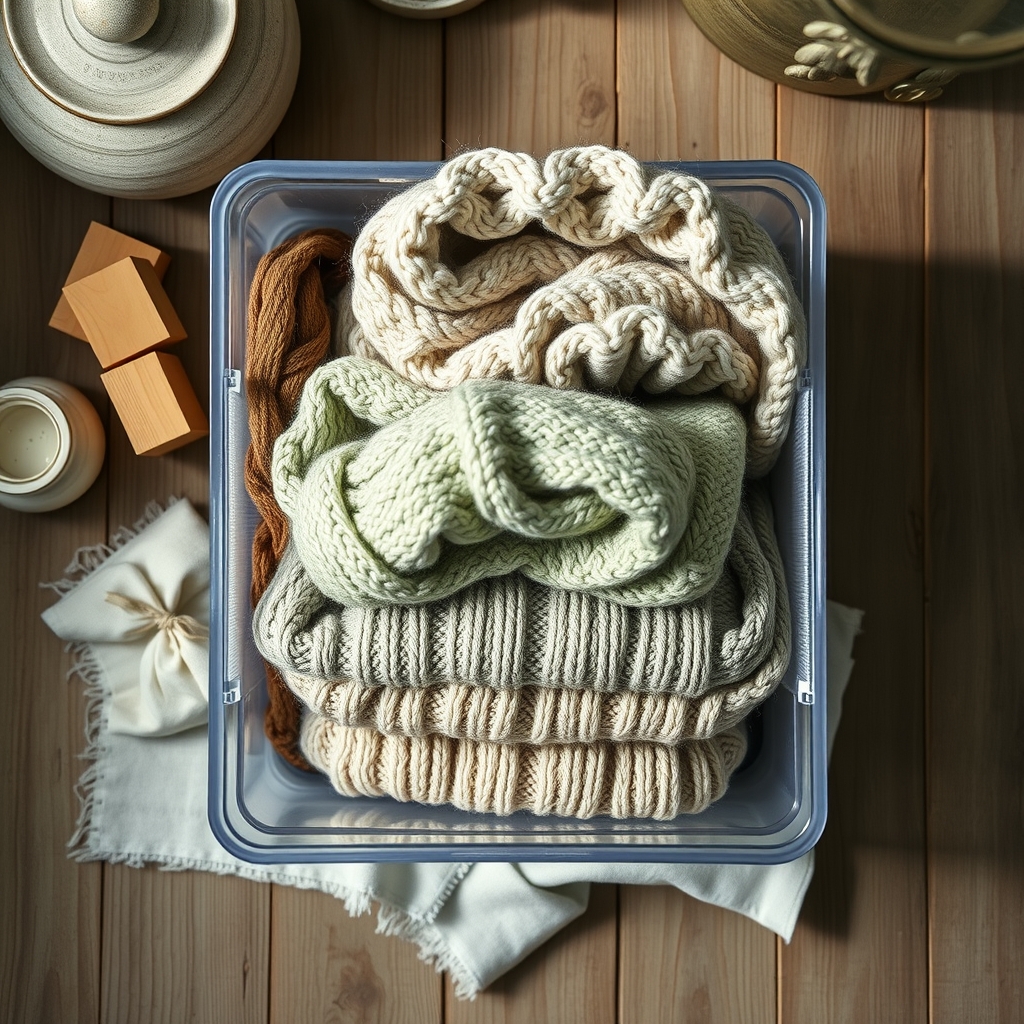
Finding small holes in a favorite wool sweater is upsetting, and it is natural to look for a gentle fix. Cedar blocks and lavender sachets are the two most popular natural options, and both have a long tradition in wardrobes and storage chests.
The honest answer is that they help a little at best. This guide explains what is known about each one, how clothes moths actually cause damage, and the simple routine that university pest experts recommend instead.
How clothes moths cause damage
The small moths you see flying are not the ones eating your clothes. The damage is done by the larvae, tiny white caterpillars that feed on wool, fur and other animal fibers, including rugs, carpets and upholstered furniture. They will also eat cotton or synthetic blends that contain wool, but they do not damage fabrics made only of synthetic fibers.
Larvae prefer dark, undisturbed places and soiled fabric, so damage often shows up under collars, cuffs and along seams of clothes that were put away without washing.
Moth-Wise Storage Box with Cedar and Lavender
You need
- airtight plastic box or tightly sealing storage bag1
- clean wool or cashmere items, washed or dry cleaned and fully dryseveral
- cedar blocks or rings2 to 4
- lavender sachet (optional, for scent)1
- plain tissue paper or a clean cotton cloth1 sheet
Method
- Wash or dry clean every item first, following the care label. Let everything dry completely.
- Vacuum the wardrobe or shelf where the box will go, and empty the vacuum straight away.
- Wrap delicate pieces in tissue paper or a cotton cloth and fold them into the box.
- Tuck the cedar blocks and lavender sachet around the edges, not pressed against pale fabric, then seal the lid tightly.
- Check the box every few months. Replace cedar blocks when they no longer smell of cedar, and refill the sachet when it fades.
Tips
- Some people lightly sand old cedar blocks to bring back the smell. This refreshes the scent, but it has not been shown to restore protection.
- Label each box with what is inside so you open it less often.
- Hang a pheromone trap in the wardrobe to check for moth activity.
What the evidence says
Cedar: The University of California pest management program says the effectiveness of cedar chests and cedar closets is debatable. Eastern red cedar contains an oil that can kill small larvae, but it does not affect larger ones, and cedar loses this quality after several years. They add that a tightly built chest matters more in the long run than the kind of wood. The University of Maryland Extension is a little more positive, saying cedar chests, blocks or closets provide protection.
Lavender: There is very little good evidence. The University of California experts say you can put herbal oils in storage containers, but little is known about how well they work. Lavender has not been shown to reliably keep clothes moths away in real homes.
So the fair summary is this: cedar may give modest, short-lived help, lavender is unproven, and neither replaces cleaning and sealed storage. Use them for their scent and as an extra, not as your main defense.
What does work
Prevention is the most effective control. Wash or dry clean wool clothes before you put them away, because soiled woolens are what larvae like most. Washing for 20 to 30 minutes in water of at least 49 °C (120 °F) kills all stages, but many woolens cannot take hot water, so dry cleaning may be the better choice.
Store clean items in airtight containers or tightly sealed bags. Vacuum wardrobes, drawers, under rugs and along baseboards regularly, and empty the vacuum promptly, since the contents can include eggs and larvae.
If an item is already infested, seal it in a plastic bag and freeze it for several days below about minus 8 °C (18 °F). A standard home freezer is colder than this. Pheromone traps, which catch male moths, can help you see whether you have a problem and give some control.
A word about mothballs
Mothballs are pesticides, not a natural alternative. Their labels say to use them only inside airtight containers. A University of Florida fact sheet warns that children and pets can mistake them for sweets and that one mothball can seriously harm a child who eats it. They also leave a strong smell on clothes. If you use them at all, follow the label exactly.
Questions people ask
Does cedar kill clothes moths?
Cedar oil can kill small larvae, but not larger ones, and cedar loses this effect after a few years. A tightly sealed container matters more than the wood.
Does lavender repel moths?
There is little evidence that it does. Lavender makes stored clothes smell nice, but it should not be your only protection for wool.
What is the best way to protect wool from moths?
Clean items before storing them, keep them in airtight containers, vacuum regularly, and freeze any item you suspect is infested.
Sources
- Clothes Moths (Pest Notes) — UC Statewide IPM Program, University of California
- Clothes Moths — University of Maryland Extension
- The Facts about Mothballs — UF/IFAS Extension, University of Florida
- Toxic and Non-toxic Plants: Lavender — ASPCA
This article is for general information only and is not medical advice. Herbs can interact with medicines and health conditions. Talk to a doctor or pharmacist before trying a herbal remedy, especially if you are pregnant, breastfeeding, giving it to a child, or taking any medication.