Rice Water for Hair: How to Make It and What's Known
Rice water is one of the most shared hair tips online. Here is how to make a simple soaked rinse, what the research actually shows, and when hair loss needs a doctor instead.
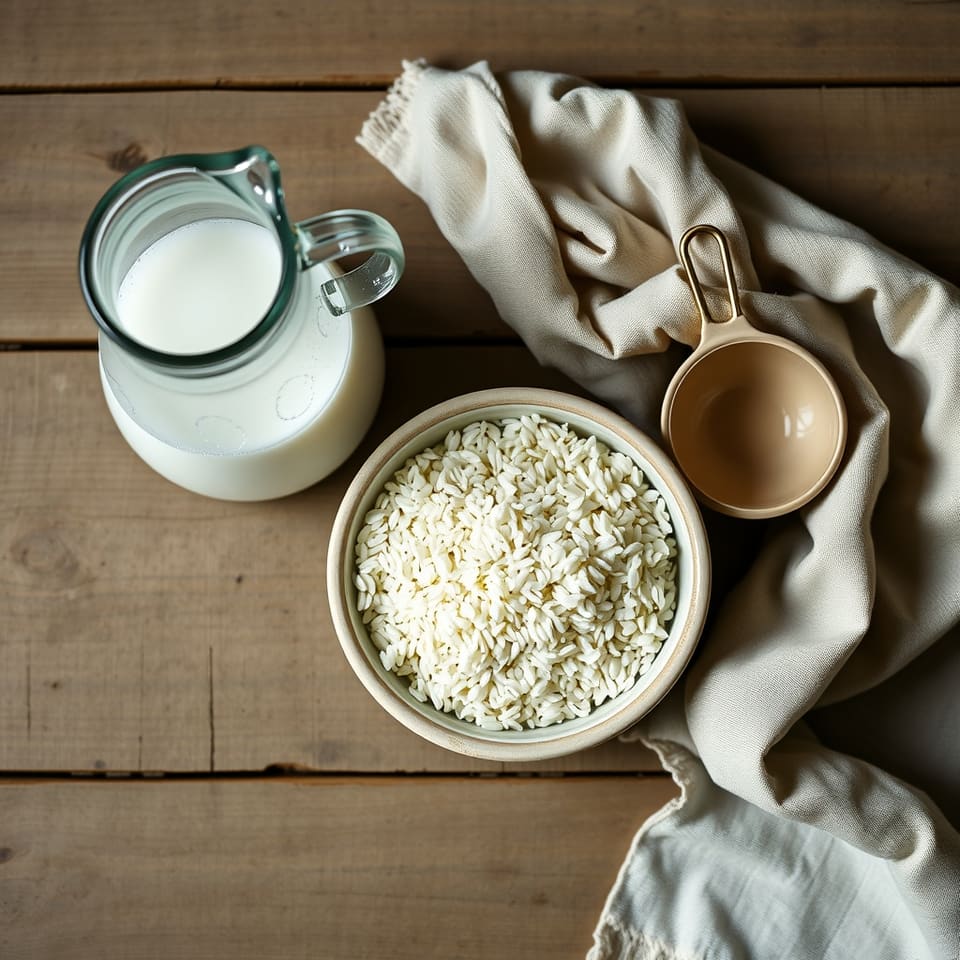
Rice water is the cloudy, starchy liquid left after you soak rice. It has become one of the most shared hair tips on social media, with claims that it makes hair longer, stronger and shinier.
It is cheap, easy and made from something already in your kitchen, so it is tempting to try. Here is how to make a simple rinse, what dermatologists say about it, and who should be careful.
Why people use it
Rice has a long place in beauty routines. Researchers note that extracts of rice bran have traditionally been part of skin and hair care in Asia, and rinsing hair with rice water is now popular around the world.
The idea is that the starchy water carries some of the goodness of the grain. A University of Nebraska-Lincoln article explains that rice water is said to contain B vitamins, vitamin E, amino acids, antioxidants and inositol, and fans say it adds volume, smooths frizz and helps hair grow long. Notice the words is said to: these are popular claims, not measured results.
Simple Soaked Rice Water Rinse
You need
- uncooked white or brown riceabout 200 g (1 cup)
- clean, room-temperature water500 to 750 ml (2 to 3 cups)
Method
- Rinse the rice briefly under running water to remove dust, then put it in a clean bowl.
- Pour the water over the rice and leave it to soak for 30 minutes, stirring once or twice.
- Strain the cloudy water into a clean jug. You can still cook the rice afterwards.
- Shampoo and rinse your hair as usual.
- Pour the rice water slowly over your hair and gently massage it into your hair and scalp.
- Leave it on for up to 20 minutes, then rinse well with warm water. Follow with conditioner if you normally use one.
Tips
- Try it once a week at first, so you can judge how your hair and scalp respond.
- Some people boil or ferment rice water in the belief that fermenting adds antioxidants. There is no good evidence that either version helps hair more, and the simple soaked rinse is the easiest place to start.
- Make a fresh batch each time rather than keeping it for days.
- If your hair feels stiff or dry afterwards, rinse more thoroughly or use it less often.
What the evidence says
The honest answer is that the benefits are unproven. A dermatologist interviewed for the University of Nebraska-Lincoln article said rice water carries very few risks, but likely no significant benefit either, and that more research is needed beyond studies tied to companies that sell products.
A 2022 systematic review in the Journal of Drugs in Dermatology looked at ten studies on rice bran extracts and hair. The authors found early signs that these extracts may support the growth phase of hair, and called the results promising. But those studies used concentrated extracts, not the water you pour off a bowl of soaked rice, so they do not show that a kitchen rinse grows hair.
So think of rice water as a simple rinse that some people enjoy. If your hair feels softer and your scalp stays calm, there is little harm in using it. Just do not expect it to change how fast your hair grows.
Normal shedding or hair loss?
Losing some hair every day is normal. The American Academy of Dermatology (AAD) says most people shed about 50 to 100 hairs a day. Heavier shedding can follow childbirth, a high fever, surgery, a lot of stress or stopping birth control pills, and it often settles within six to nine months.
True hair loss is different. It can come from inherited hair loss, an overactive immune system, some medicines, tight hairstyles or harsh hair products. A rinse cannot fix these causes, which is why seeing a dermatologist is worth it if you are worried. The AAD notes that treatment tends to work better when it starts early.
Fitting it into your routine
Rice water is an extra rinse, not a replacement for your usual care. The AAD suggests putting shampoo on your scalp rather than along the whole length of your hair, then using conditioner after shampooing. If you try rice water, add it after shampoo and before conditioner.
Questions people ask
Does rice water make hair grow faster?
There is no good evidence that it does. Early studies on concentrated rice bran extracts look promising, but they have not shown that a home rice rinse speeds up hair growth.
How long should I leave rice water on my hair?
The usual method is up to 20 minutes, then a warm rinse. There is no evidence that leaving it on longer or overnight works better.
Can rice water help with hair loss?
It is not a treatment for hair loss. If you are losing more hair than usual, see a dermatologist, who can find the cause and suggest treatments that are proven to help.
Sources
- Rice water for hair: Is it the miracle social media claims? — University of Nebraska-Lincoln
- A Systematic Review: Application of Rice Products for Hair Growth — Journal of Drugs in Dermatology (PubMed)
- Do you have hair loss or hair shedding? — American Academy of Dermatology
- Tips for healthy hair — American Academy of Dermatology
This article is for general information only and is not medical advice. Herbs can interact with medicines and health conditions. Talk to a doctor or pharmacist before trying a herbal remedy, especially if you are pregnant, breastfeeding, giving it to a child, or taking any medication.