How to Keep Your Liver Healthy: What Really Works
Liver cleanses and liver teas are easy to buy, but the things that really protect your liver are simpler and free. Here is what your liver does, what harms it, and the habits that make a difference.
Your liver works quietly in the background, and most of the time you never think about it. Then a headline or an advert suggests it needs a cleanse, a flush or a special tea, and it is easy to wonder whether you are doing enough.
The honest answer is that no tea or cleanse has been shown to protect your liver. What does protect it are a handful of everyday habits, most of them free. This guide explains what your liver does, the main things that harm it, the steps that help, and what the evidence says about the best-known liver herb, milk thistle.
What your liver does
Your liver is your largest internal organ, about the size of a football. Cleveland Clinic explains that its main job is removing harmful substances and waste from your blood. It breaks down toxins and germs so they leave your body in urine and stool.
It does much more besides. It makes bile to help you digest food, stores energy and releases glucose to keep your blood sugar steady, and makes proteins that help your blood clot and control the fluid in your bloodstream. It is also one of the only organs that can regenerate itself, which is one reason why looking after it pays off.
The main threats to your liver
The NHS lists several common types of liver disease. Alcohol-related liver disease comes from regularly drinking too much. Non-alcoholic fatty liver disease is linked to being very overweight. Hepatitis can be caused by a viral infection or by regularly drinking too much alcohol. Other types run in families or involve the immune system.
Fatty liver disease, also called MASLD, is common. The NHS says the risk is higher if you carry extra weight around your waist, eat an unhealthy diet or are not very active, or have type 2 diabetes, high blood pressure, high cholesterol or polycystic ovary syndrome, or are over 50.
The tricky part is that most types of liver disease cause no symptoms in the early stages. By the time symptoms show, the liver may already be scarred. That is why prevention matters so much.
Habits that protect your liver, step by step
1. Aim for a healthy weight. If you are overweight, losing some weight can reduce fat in the liver.
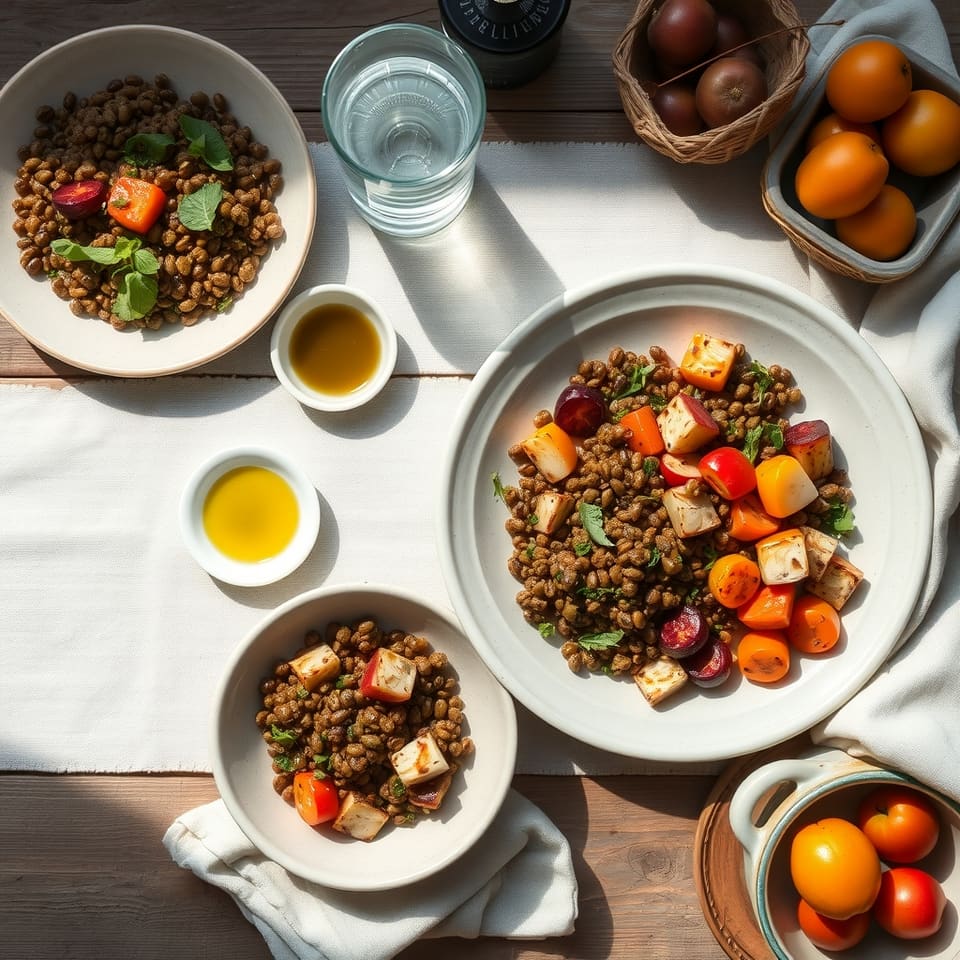
2. Eat a healthy, balanced diet. Cleveland Clinic gives a Mediterranean-style diet as one example.
3. Move more. The NHS suggests at least 150 minutes of exercise a week.
4. Keep alcohol within limits. The NHS advises no more than 14 units a week and warns that regularly drinking just over the limits can be harmful.
5. Do not smoke. If you use tobacco, quitting helps.
6. Protect yourself from hepatitis. Get vaccinated against hepatitis A and B if you are at risk, wash your hands, practice safe sex, and get checked if you think you might have hepatitis, since an undiagnosed infection is one of the main causes of liver disease.
7. Take medicines as directed and avoid herbal supplements you do not need, as Cleveland Clinic advises.
What the evidence says
Milk thistle is the herb most often sold for the liver. NCCIH reports that studies in alcohol-related liver disease, hepatitis B and C, fatty liver disease and liver damage from toxins have been conflicting or too limited to draw conclusions. Two NCCIH-funded studies, one in hepatitis C and one in a progressive form of fatty liver disease, found no benefit from silymarin, its main active compound.
Supplement quality is another concern. NCCIH notes that some milk thistle products contain different amounts of silymarin than the label says, or are contaminated with pesticides, microbes or mold toxins. On the other hand, the lifestyle steps above are what the NHS recommends to reduce fat in the liver and help stop damage from getting worse.
Questions people ask
Can a liver detox tea clean my liver?
No tea or cleanse has been shown to clean or protect the liver. Your liver already removes waste from your blood, and the habits that help it are weight, alcohol, activity and avoiding infection.
Is milk thistle worth taking for my liver?
The evidence is weak. Studies have been conflicting or limited, and two NCCIH-funded trials found no benefit. Talk to your doctor before trying it, especially if you take medicines.
Would I know if my liver was damaged?
Often not. Most liver diseases cause no symptoms early on, so if you have risk factors, ask your doctor whether you should be checked.
Sources
- Liver disease — NHS
- Non-alcoholic fatty liver disease (NAFLD) — NHS
- Liver: Where It's Located, Function and Anatomy — Cleveland Clinic
- Milk Thistle: Usefulness and Safety — NCCIH
This article is for general information only and is not medical advice. Herbs can interact with medicines and health conditions. Talk to a doctor or pharmacist before trying a herbal remedy, especially if you are pregnant, breastfeeding, giving it to a child, or taking any medication.