Juice Cleanse: What Happens and What the Evidence Says
A few days of nothing but bottled juice is sold as a reset for body and mind. Here is what a juice cleanse really does, who should avoid one, and a better way to enjoy fruit and vegetables in a glass.
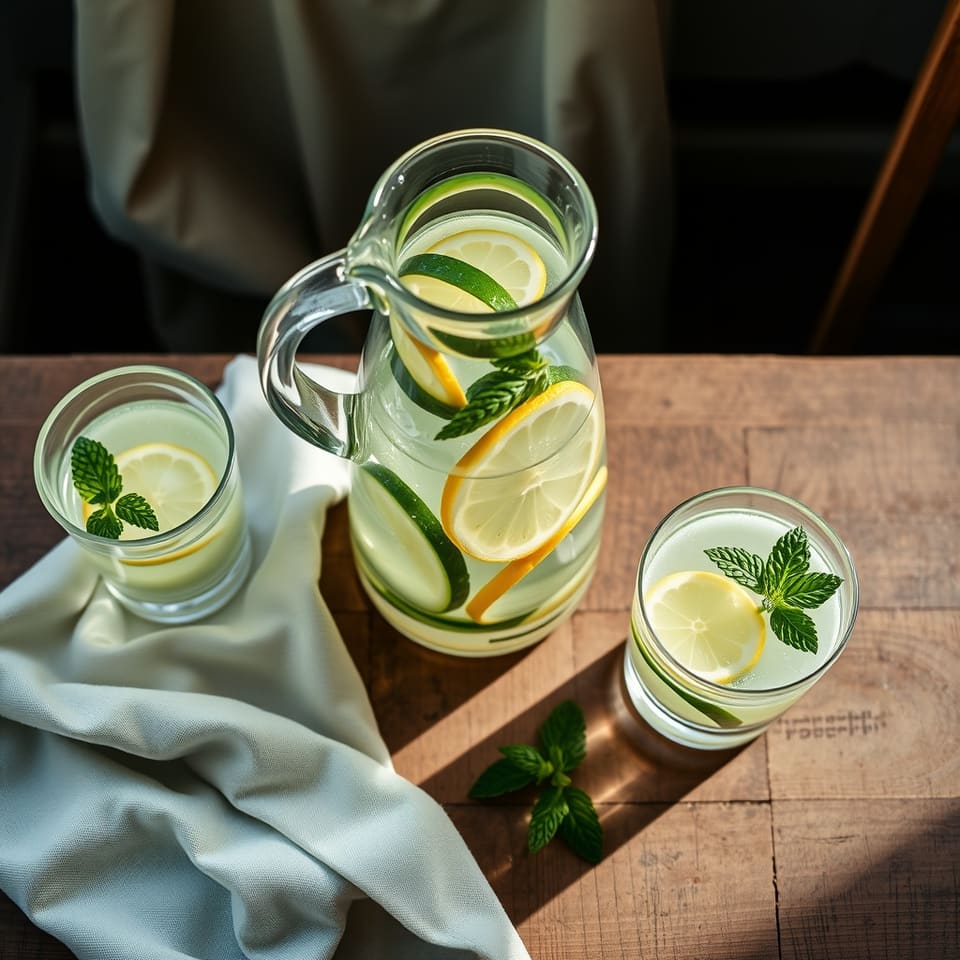
A juice cleanse usually means drinking only fruit and vegetable juices for one to several days, often from a set of bottles delivered to your door. It is promoted as a way to remove toxins, rest your digestion and drop a few kilos quickly.
Juice can be a pleasant part of your diet. The problem is the promise around it. This guide looks at what a juice cleanse really does to your body, what the research shows, who should not try one, and a simple way to get the best of the fruit without the fuss.
What the evidence says
Mayo Clinic says plainly that juicing is no healthier than eating whole fruits and vegetables. It adds that there is no strong scientific evidence that juice-only cleanses or fasts remove toxins, aid digestion or lead to lasting weight loss.
NCCIH reaches the same conclusion. A 2015 review found no convincing research that detox diets help with weight management or remove toxins. A 2017 review found that juice and detox diets cause some weight loss at first, simply because you take in so little, but the weight usually returns once you eat normally. No long-term studies of these programs exist.
Juice does keep most of the vitamins, minerals and plant chemicals from the produce. But Mayo Clinic notes that the idea that your body absorbs nutrients better from juice is usually untrue, and most juicing removes the fiber you would get from eating the whole fruit or vegetable.
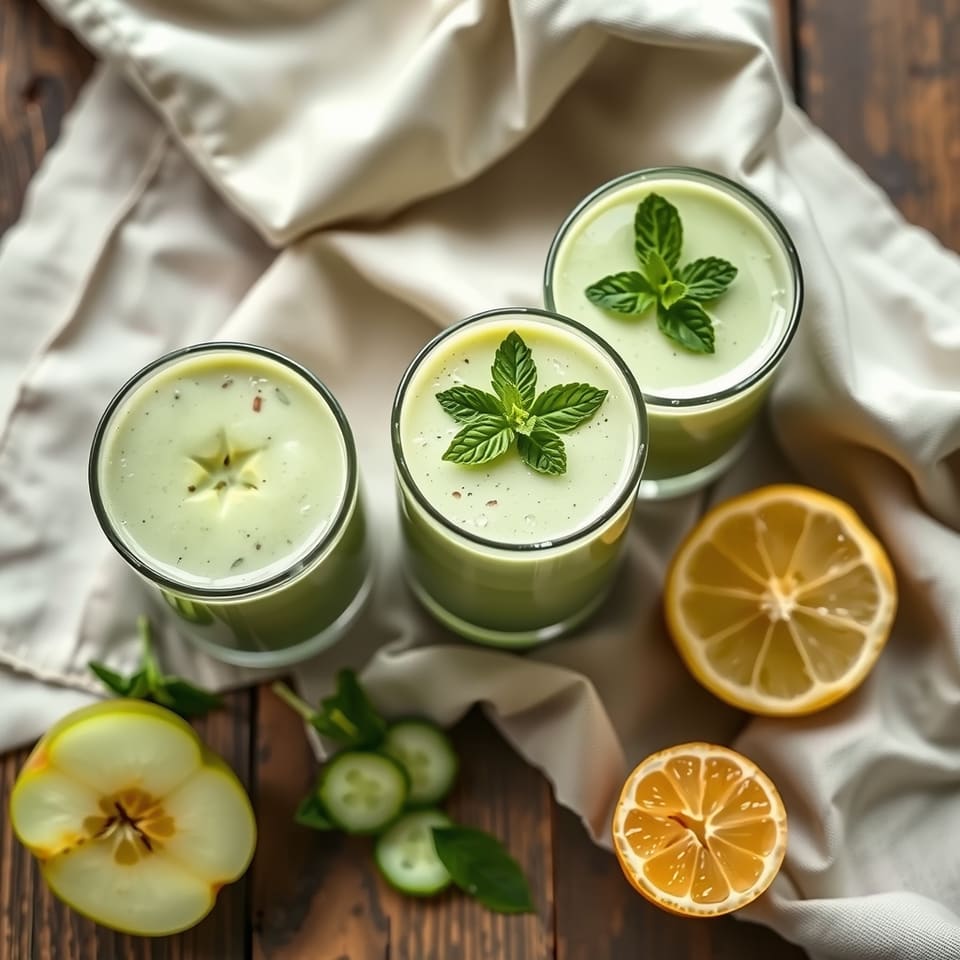
Whole Apple, Cucumber and Mint Blend
You need
- medium apple, washed, cored, skin left on, cut into chunks1
- cucumber, scrubbed and cut into chunks1/2
- fresh mint leaves, washed6 to 8
- lemon juice1 tbsp
- cold water120 ml (1/2 cup)
- ice cubes, optionala few
Method
- Wash your hands with soap and warm water. Rinse the apple, cucumber and mint under running water, scrub the cucumber with a clean brush, and dry everything with a clean towel.
- Cut away any bruised or damaged parts, core the apple and cut the apple and cucumber into chunks.
- Put the apple, cucumber, mint, lemon juice and water in a blender.
- Blend until smooth, adding a little more water if it is too thick, and add ice if you like.
- Pour into two small glasses and drink straight away, ideally with a meal.
Tips
- Keep the skins on and do not strain the blend, so you keep the fiber that a juicer would remove.
- One glass is about 150 ml, the NHS daily guide for juice and smoothies, so share the second glass or save the recipe for two people.
- For a fresher taste, swap the mint for a few basil leaves.
- Do not make it ahead. Fresh blends are best drunk as soon as they are made.
The real risks of juice-only days
Juice cleanses do not provide enough nutrition. NCCIH notes that very restrictive diets may lack nutrients you need, and that going without food can cause headaches, fainting, weakness and dehydration.
Raw juice brings a food safety risk. The FDA explains that fresh-squeezed juice that has not been pasteurized or otherwise treated can carry harmful bacteria from the produce, and outbreaks of illness have been traced to it. Juice sold by the glass, for example at juice bars or roadside stands, does not have to carry a warning label. Children, older adults, pregnant women and people with weakened immune systems are most at risk of serious illness.
Some juices are made from high-oxalate foods such as leafy greens and beets. NCCIH says people prone to kidney stones should limit these foods. And if you have diabetes, a juice-only plan can upset the eating plan you follow with your health care team.
A better way to enjoy juice
You do not need a cleanse to enjoy a glass. The NHS suggests keeping fruit juice and smoothies to one small glass of 150 ml (about 2/3 cup) a day, taken with a meal, because they are high in sugar.
Mayo Clinic suggests blending the edible parts of fruits and vegetables rather than using a juicer, because a blended drink keeps more fiber and plant chemicals. Make only as much as you will drink at once, since bacteria can grow quickly in fresh juice. If you buy fresh juice, choose a pasteurized one.
If you make it at home, the FDA advises washing your hands with soap and warm water before and after, cutting away bruised or damaged parts, washing all produce well under running water, scrubbing firm produce such as cucumbers with a brush and drying it with a clean towel. Do not use soap or produce wash.
Questions people ask
Does a juice cleanse remove toxins?
There is no strong evidence that it does. Reviews of detox diets found no convincing research that they remove toxins, and your liver and kidneys already do this job.
Will I lose weight on a juice cleanse?
You may lose some weight at first because you are taking in so little, but studies show it usually returns once you eat normally again.
Is a smoothie better than juice?
A blend made from whole fruit and vegetables keeps more fiber and plant chemicals than juice from a juicer. It still counts toward the NHS guide of about 150 ml a day, as it is high in sugar.
Sources
This article is for general information only and is not medical advice. Herbs can interact with medicines and health conditions. Talk to a doctor or pharmacist before trying a herbal remedy, especially if you are pregnant, breastfeeding, giving it to a child, or taking any medication.