Drinks for Fever: What to Sip and What to Skip
When you have a fever, the most useful drink is usually the simplest one. Here is what to sip, what to avoid, how to spot dehydration in adults and children, and when to get help.
A fever can leave you hot one minute and shivering the next, with little appetite and no energy to get up for a drink. Yet drinking enough is one of the most helpful things you can do while your body deals with an infection.
There is no special drink that brings a temperature down. What matters is getting enough fluid in, choosing drinks that are easy on an unsettled stomach, and knowing the signs that mean it is time to stop managing at home.
Why fluids matter when you have a fever
The NHS lists fever as one of the common causes of dehydration, along with vomiting, diarrhea and heavy sweating. Babies, children and older adults are at higher risk. Mayo Clinic advises keeping up your fluid intake when you have a fever, and notes that the main goal of home care is to make you or your child comfortable enough to rest.
A temperature of 38 °C (100.4 °F) or more counts as a fever. The NHS reminds parents that a high temperature is a natural response to infection. The aim is comfort and enough fluids, not chasing a perfect number on the thermometer.
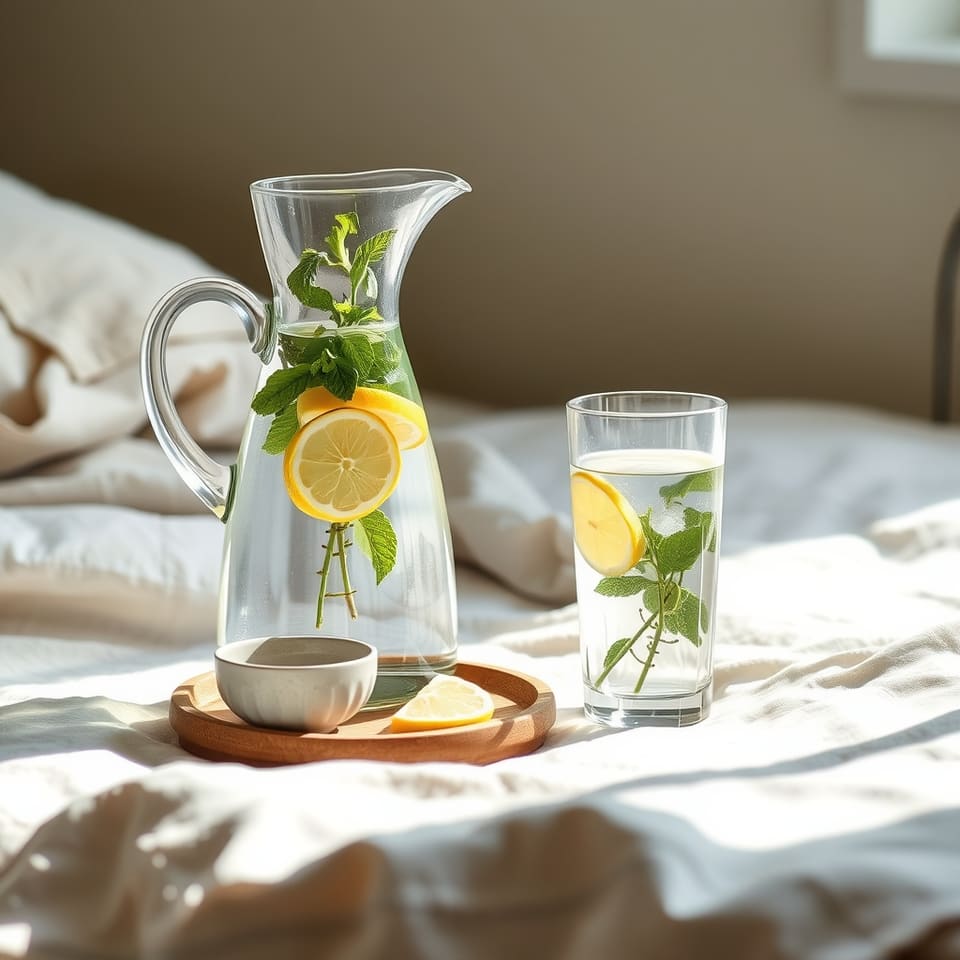
Lemon and Mint Sipping Water
You need
- water, cool or warm1 liter (4 cups)
- thin slices of lemon3 to 4
- fresh mint sprigs, rinsed1 small handful
Method
- Put the lemon slices and mint into a jug or carafe.
- Pour in the water and leave it for 5 to 10 minutes so the flavor comes through.
- Keep the jug and a glass within reach of the bed or sofa, so drinking takes no effort.
- Sip a little often rather than trying to drink a lot at once, and refill the jug when it is half empty.
Tips
- If citrus feels sharp on a sore throat, leave out the lemon and use mint alone, or a slice of cucumber.
- For warm sipping water, pour water just off the boil over the mint, let it cool to a comfortable temperature, then add the lemon.
- Make a fresh jug each day and keep any leftover in the fridge.
What to sip
Plain water is the first choice. The NHS also suggests diluted sugar-free squash if you find plain water hard to drink. Warm or cool is up to you. Drink whatever temperature you can manage most easily.
If the fever comes with vomiting or diarrhea, ask a pharmacist about oral rehydration solutions, which are powders you mix with water. If you feel sick, take small sips and build up slowly. For babies, the NHS advises carrying on with breast milk or formula in small, frequent feeds. Formula-fed or weaned babies can also have small sips of water, boiled and cooled first for babies under 6 months. For children, offer food too if they want it, but fluids come first.
What to skip
The NHS advises avoiding caffeinated drinks and alcohol when you are dehydrated. For young children, fizzy drinks and fruit juice can make diarrhea or vomiting worse, so they are best left out while a child is unwell. Never dilute baby formula to make it go further.
Skip aspirin for children too. The NHS says do not give aspirin to anyone under 16, and Mayo Clinic says do not give it to children or teenagers. If a child is distressed by a fever, paracetamol (acetaminophen) or ibuprofen can be used following the age rules on the pack, and ibuprofen should not be given to a child who is dehydrated.
What the evidence says
None of our sources point to a drink, herbal tea or broth that brings a fever down or makes an infection pass faster. The reason fluids matter is simple: they replace what you lose and help you avoid dehydration, which can make you feel much worse.
Know the signs. In adults and children, the NHS lists thirst, a dry mouth, lips and tongue, headache, dizziness, tiredness, sunken eyes and dark, strong-smelling urine. In babies, watch for a sunken soft spot on the head, few or no tears, fewer wet diapers, and drowsiness or irritability.
Other comfort steps are just as plain. Mayo Clinic suggests lightweight clothing and a thin blanket only while you shiver. For children, the NHS advises not to undress them or sponge them down, and not to wrap them in too many layers.
Questions people ask
Should I drink warm or cold drinks with a fever?
Either is fine. The important thing is drinking enough, so choose whatever temperature you can sip most easily.
Are sports drinks better than water?
For most fevers, water is enough. If you are also vomiting or have diarrhea, a pharmacist can recommend an oral rehydration solution, which is meant for fluid lost through vomiting or diarrhea.
My child will not drink. What can I do?
Offer small sips often, and keep breastfeeding if your baby is breastfed. If your child shows signs of dehydration, such as few wet diapers, no tears or unusual drowsiness, get medical advice quickly.
Sources
- Dehydration — NHS
- High temperature (fever) in children — NHS
- Fever: First aid — Mayo Clinic
This article is for general information only and is not medical advice. Herbs can interact with medicines and health conditions. Talk to a doctor or pharmacist before trying a herbal remedy, especially if you are pregnant, breastfeeding, giving it to a child, or taking any medication.