Tea for Cough and Mucus: Which Drink for Which Cough
Not every cough is the same. A cough that brings up mucus and a dry, tickly cough call for slightly different drinks. Here is a simple guide to choosing, plus the signs that mean it is time to get checked.

When you have a cold, the cough often changes from day to day. Some days it feels wet and rattly, and you cough up mucus. Other days it is dry and tickly, and it keeps you awake without bringing anything up.
Herbal drinks cannot make a cough go away faster, and none of them treats an infection. But a warm or soothing drink can make you more comfortable while your body recovers. Matching the drink to the type of cough is a sensible place to start.
Chesty cough or dry cough?
A chesty, or productive, cough brings up mucus. The NHS notes that with a chest infection you may cough up green or yellow mucus, and that the cough and mucus can last up to 3 weeks, even after other symptoms ease.
A dry cough brings nothing up. It often comes with an irritated, scratchy throat. A cough can change over the course of a cold, so the drink that suits you best may change too.
Honey, Lemon and Thyme Mug
You need
- water, freshly boiled250 ml (1 cup)
- dried thyme, or 2 to 3 fresh sprigs1 tsp
- lemon, juiced1/2
- honey1 to 2 tsp
Method
- Put the thyme in a mug and pour over the freshly boiled water.
- Cover the mug with a saucer and steep for 10 minutes.
- Strain out the thyme.
- Stir in the lemon juice and honey once the tea has cooled slightly.
- Sip slowly while it is warm, not hot.
Tips
- For a dry, tickly cough, you can skip the thyme and simply have warm water with honey, or try a cold marshmallow root infusion instead.
- Make a fresh mug two or three times a day rather than keeping a pot warm all day.
- Never give honey to a baby under 12 months old.
Drinks for a cough with mucus
Fluids come first. The NHS says drinking plenty of fluids helps loosen mucus and makes it easier to cough up, and Mayo Clinic notes that liquids thin the mucus in your throat. Warm water, broth and herbal teas all count.
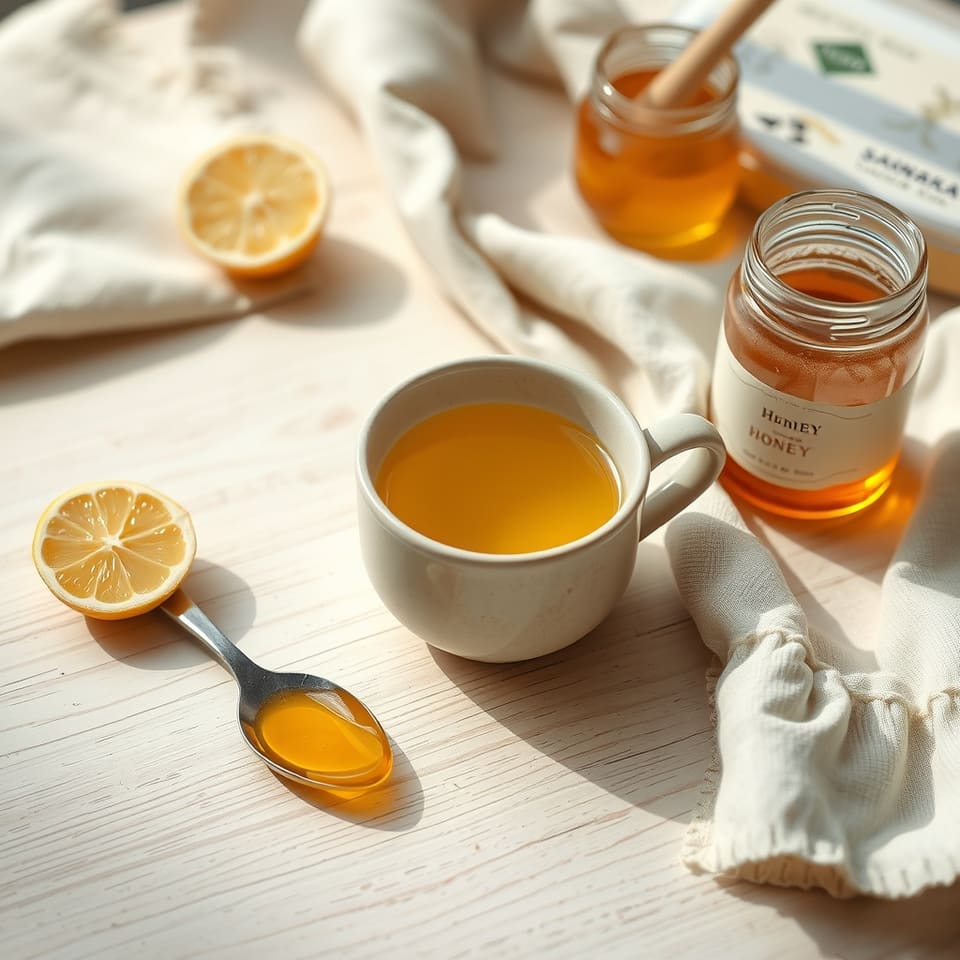
The classic choice is hot lemon and honey. The NHS suggests squeezing half a lemon into a mug of boiled water and adding 1 to 2 teaspoons of honey. Mayo Clinic adds that a teaspoon of honey may help loosen a cough.
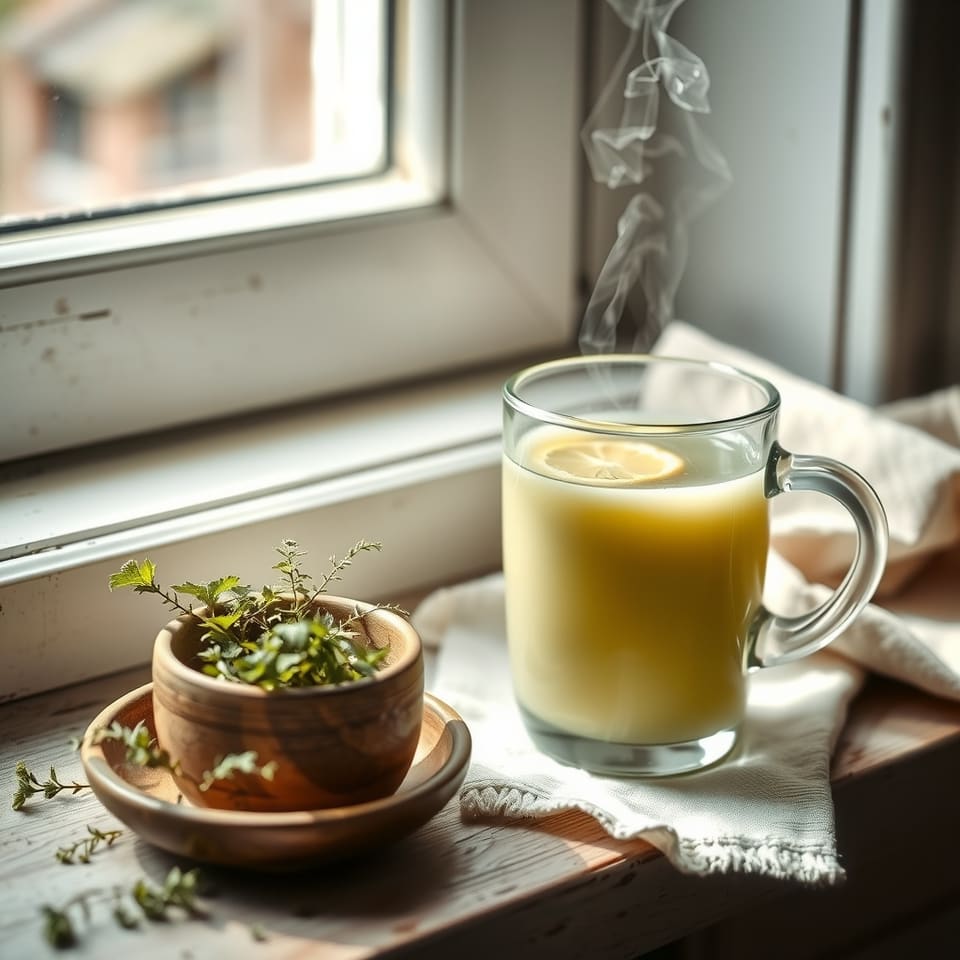
Thyme is the herb most linked with chesty coughs. In Europe, the European Medicines Agency (EMA) accepts thyme preparations as a traditional herbal medicine for productive coughs that come with a cold. A mug of thyme tea with honey is a simple home version.
Drinks for a dry, tickly cough
For a dry cough, you want something that coats and soothes the throat. Marshmallow root is the traditional choice here. The EMA accepts marshmallow root as a traditional herbal medicine for mouth or throat irritation with an associated dry cough.
Honey in warm water is another gentle option, and Mayo Clinic says a humidifier or a steamy shower can also ease coughing. Sucking a lozenge or hard candy can calm a dry, irritated throat, but Mayo Clinic advises against giving them to children under 6 because of the choking risk.
What the evidence says
The evidence for these drinks is modest. The EMA approvals for thyme and marshmallow root are based on long-standing traditional use, not on strong clinical trials. Mayo Clinic says honey may help loosen a cough, which is helpful but far from strong proof.
Mayo Clinic notes that research suggests over-the-counter cough medicines work no better than no medicine. So a warm, honest home drink, rest and fluids are reasonable first steps for a simple cold. Just remember that comfort is not the same as cure.
Questions people ask
Does green or yellow mucus mean I need antibiotics?
Not necessarily. The NHS notes that green or yellow mucus is common with chest infections, and many get better on their own. See a doctor if you feel very unwell, get worse, or the cough lasts more than 3 weeks.
How many cups of honey and lemon can I drink a day?
There is no set limit for a home drink like this, but a few mugs spread through the day is plenty. Honey is a sugar, so if you have diabetes, count it like any other sweetener.
Can I give these drinks to my child?
Never give honey to a baby under 1 year, and avoid hot drinks for small children. For older children, ask a doctor or pharmacist first, especially before using herbs such as thyme.
Sources
- Chest infection — NHS
- Cough: When to see a doctor — Mayo Clinic
- Thymi herba (thyme) herbal medicinal product — European Medicines Agency
- Althaeae radix (marshmallow root) herbal medicinal product — European Medicines Agency
This article is for general information only and is not medical advice. Herbs can interact with medicines and health conditions. Talk to a doctor or pharmacist before trying a herbal remedy, especially if you are pregnant, breastfeeding, giving it to a child, or taking any medication.