Tea for Allergies and Sinus: What a Warm Cup Can Do
A warm cup can feel good when pollen season leaves you blocked and sneezing, but no tea has been shown to stop allergies. Here is what the evidence says about popular choices, and what helps more.
When pollen is high, your nose can feel blocked one minute and running the next. Your eyes itch, your head feels heavy, and the pressure around your forehead makes it hard to think. It is no surprise that so many people look for a tea that might help.
A warm, caffeine-free cup is a pleasant thing to hold when you feel this way. But it helps to know what the research actually shows, because some popular allergy remedies have very little behind them, and one of them carries real safety concerns.
Hay fever, a stuffy nose and that heavy head
Hay fever is an allergy to pollen. The NHS lists a runny or blocked nose, sneezing, itchy and watery eyes, an itchy throat, pain around the forehead and the sides of the head, headaches and tiredness among its symptoms. Unlike a cold, which usually clears in 1 to 2 weeks, hay fever can go on for weeks or months while the pollen that triggers it is in the air.
The NHS notes that in the UK symptoms are usually worst from late March to September, especially on warm, humid and windy days when pollen counts are high. Pollen seasons vary from country to country, so your local pollen forecast is the best guide to your own bad days.
Simple Nettle Leaf Cup
You need
- water, just off the boil250 ml (1 cup)
- dried nettle leaf1 to 2 tsp
- thin slice of lemon or a sprig of fresh mint, optional, for flavor1
Method
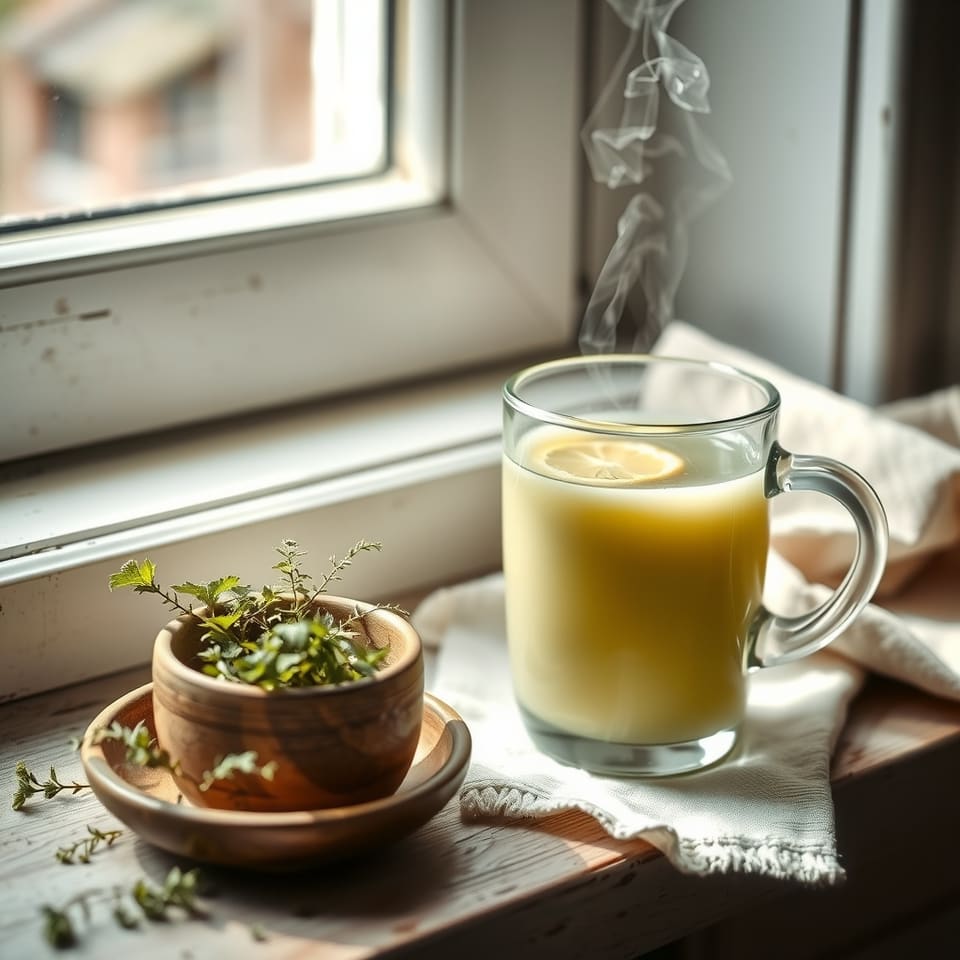
- Put the dried nettle leaf in a mug or small teapot.
- Pour over the water, cover, and leave to steep for 5 to 7 minutes.
- Strain, add the lemon or mint if you like, and sip while it is warm.
- Breathe in the gentle steam as you drink, if you find it pleasant.
Tips
- Nettle tea has a mild, grassy taste, a little like green tea without the caffeine.
- If you are trying nettle for the first time, start with a small cup to see how you get on.
- Keep dried leaves in a sealed jar away from light and damp.
Popular allergy remedies, one by one
Stinging nettle is one of the best known allergy teas. Memorial Sloan Kettering says evidence is lacking to support its use for allergies, and the lab findings behind the idea have not been shown in people. NCCIH also lists stinging nettle among products where the evidence is inconsistent or too limited to say whether they help. Nettle pollen itself can trigger allergic rhinitis in some people.
Local honey is often said to train the body to tolerate pollen. NCCIH says there is no convincing scientific evidence that honey relieves seasonal allergies, and people with pollen allergies may react to bee products. Chamomile is a gentle tea for many, but NCCIH warns it may trigger reactions in people allergic to related plants.
Butterbur is different. A review of six studies suggested butterbur extract may help nasal allergy symptoms, but NCCIH says raw butterbur contains pyrrolizidine alkaloids, which can cause liver damage and cancer. Reduced-alkaloid extracts exist, yet no studies have shown that long-term use is safe. Butterbur is not something to brew as a home tea.
What the evidence says
The honest summary is that no herbal tea has good evidence for treating hay fever or a blocked, allergic nose. Treat your cup as comfort and a way to drink more fluids, not as treatment.
Rinsing your nose with salt water has better support. NCCIH says there is some good evidence that saline nasal irrigation can modestly improve symptoms, as long as the device is used and cleaned properly. Use sterile water or a ready-made sterile saline product. NCCIH, citing the FDA, warns that ordinary tap water that has not been filtered, treated or processed in specific ways is not safe for nasal rinsing, because it can carry organisms that cause rare but serious infections.
For stronger relief, a pharmacist can suggest antihistamine tablets, eye drops or nasal sprays, or a steroid nasal spray, according to the NHS. If those do not work, a doctor may offer other treatments, including immunotherapy.
Pollen habits that help more than any tea
The NHS suggests a few simple habits on high-pollen days: put a little petroleum jelly around your nostrils to trap pollen, wear wraparound sunglasses, shower and change your clothes after being outside, and keep windows and doors shut as much as you can.
Indoors, vacuum regularly, dust with a damp cloth, and dry laundry inside on high-pollen days. Avoid cutting grass, keeping fresh flowers indoors and being around smoke, which can make symptoms worse.
Questions people ask
Does local honey really help hay fever?
There is no convincing evidence that it does. Only a few studies have looked at it, with mixed results.
Can I drink nettle tea with my antihistamine?
No interaction with antihistamines is described in our sources, but nettle may add to the effects of diuretics and blood pressure medicines. Ask your pharmacist if you take any regular medicine.
Is it a cold or hay fever?
A cold usually clears within 1 to 2 weeks. Hay fever symptoms like itchy eyes and sneezing can last for weeks or months while pollen is in the air.
Sources
- 6 Things To Know About Complementary Health Approaches for Seasonal Allergy Relief — NCCIH
- Seasonal Allergies at a Glance — NCCIH
- Hay fever — NHS
- Nettle (About Herbs) — Memorial Sloan Kettering Cancer Center
This article is for general information only and is not medical advice. Herbs can interact with medicines and health conditions. Talk to a doctor or pharmacist before trying a herbal remedy, especially if you are pregnant, breastfeeding, giving it to a child, or taking any medication.