Pickle Juice Benefits for Cramps: Myth or Fact?
A small shot of pickle brine is a favorite locker-room trick for cramps. There is a grain of truth in it, but probably not for the reason most people think, and the salt comes with its own cost.
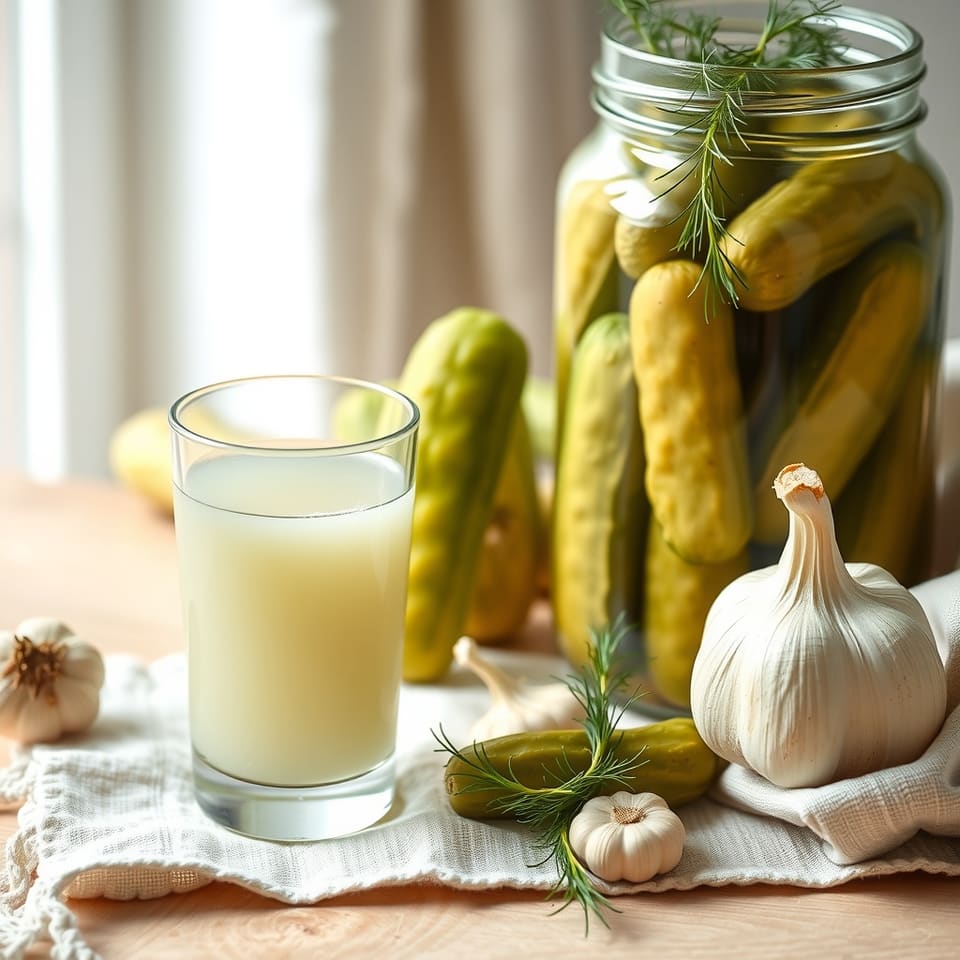
If you have ever had a calf cramp mid-run or in the middle of the night, you know how sudden and fierce it can be. In many sports teams, the answer is a quick shot of the brine left in a jar of dill pickles.
Online, pickle juice benefits have grown well beyond cramps, with claims about hydration, recovery and more. This article sticks to the claim with the most research behind it: cramps. Here is what the studies actually found, why the popular explanation is probably wrong, and what to do instead when a muscle locks up.
Why muscles cramp
A cramp is a sudden, involuntary tightening of a muscle. MedlinePlus says the most common cause is straining or overusing a muscle, and other causes include dehydration, low levels of minerals such as potassium, magnesium or calcium, poor blood flow and pressure on a nerve. Often no cause is found.
The NHS adds that cramps become more common with age, during late pregnancy and after hard exercise, especially in hot weather. Some medicines, including statins and diuretics, can also make cramps more likely.
What the evidence says
The research is small but interesting. An evidence-based review in the Journal of Athletic Training describes a single-blinded laboratory study in which a small amount of pickle juice, under 100 ml, relieved cramps about 45 percent faster than drinking nothing and about 37 percent faster than plain water. Relief still took around 90 seconds.
The surprise is the explanation. Such a small amount of brine did not change the minerals or fluid in the blood, so replacing salt is unlikely to be the reason. Researchers think the sharp taste of the vinegar may trigger a reflex in the mouth and throat that tells the cramping muscle to relax.
The review grades the idea that vinegar-based drinks may help ease a cramp as moderate evidence that still needs more work. It also notes that loading up on fluids and electrolytes is not a reliable way to prevent cramps, and that magnesium supplements showed no meaningful benefit in a Cochrane review.
The salt problem
Pickles are made in a salty brine, so the juice carries a lot of salt. The World Health Organization recommends that adults have less than 5 g of salt a day, which is under 2,000 mg of sodium, and says that the average adult intake worldwide is already more than double that.
Too much sodium raises blood pressure, which increases the risk of heart disease, and it is also linked with kidney disease. A rare sip during a cramp is one thing. Drinking pickle juice every day for its supposed benefits is another.
What to do when a cramp strikes, step by step
Step 1: Stretch the muscle gently and hold the stretch until the cramp eases. The Journal of Athletic Training review gives gentle static stretching its strongest recommendation for stopping a cramp.
Step 2: For a calf cramp, stand up and put your weight on the affected leg, and massage the muscle, as the NHS suggests.
Step 3: If you have been sweating heavily, drink fluids. MedlinePlus notes that for intense exercise or heat, sports drinks can help replace electrolytes.
Step 4: If you want to try pickle juice, keep it to a small sip of under 100 ml. If the cramp has not eased within about 2 minutes, go back to stretching.
Step 5: To reduce night cramps, try regular calf stretches. The NHS suggests leaning towards a wall for about 5 minutes, three times a day, with the last session just before bed.
Questions people ask
Does pickle juice work because of the salt?
Probably not. In the study, a small amount relieved cramps without changing blood minerals. Researchers think the vinegar taste triggers a nerve reflex instead.
Can I drink pickle juice every day to prevent cramps?
It is not a good idea. There is no evidence it prevents cramps, and it adds a lot of salt. Regular stretching is the safer habit.
Does magnesium stop leg cramps?
For most people, probably not. A Cochrane review found no meaningful benefit from magnesium supplements compared with placebo.
Sources
- An Evidence-Based Review of the Pathophysiology, Treatment, and Prevention of Exercise-Associated Muscle Cramps — Journal of Athletic Training (PubMed Central)
- Leg cramps — NHS
- Muscle Cramps — MedlinePlus
- Sodium reduction — World Health Organization
This article is for general information only and is not medical advice. Herbs can interact with medicines and health conditions. Talk to a doctor or pharmacist before trying a herbal remedy, especially if you are pregnant, breastfeeding, giving it to a child, or taking any medication.