Best Soil for Herbs: Potting Mix, pH and Feeding
Most herbs want soil that drains well and is not too rich. Here is what to use in pots and beds, how much to feed, and how to handle compost safely.
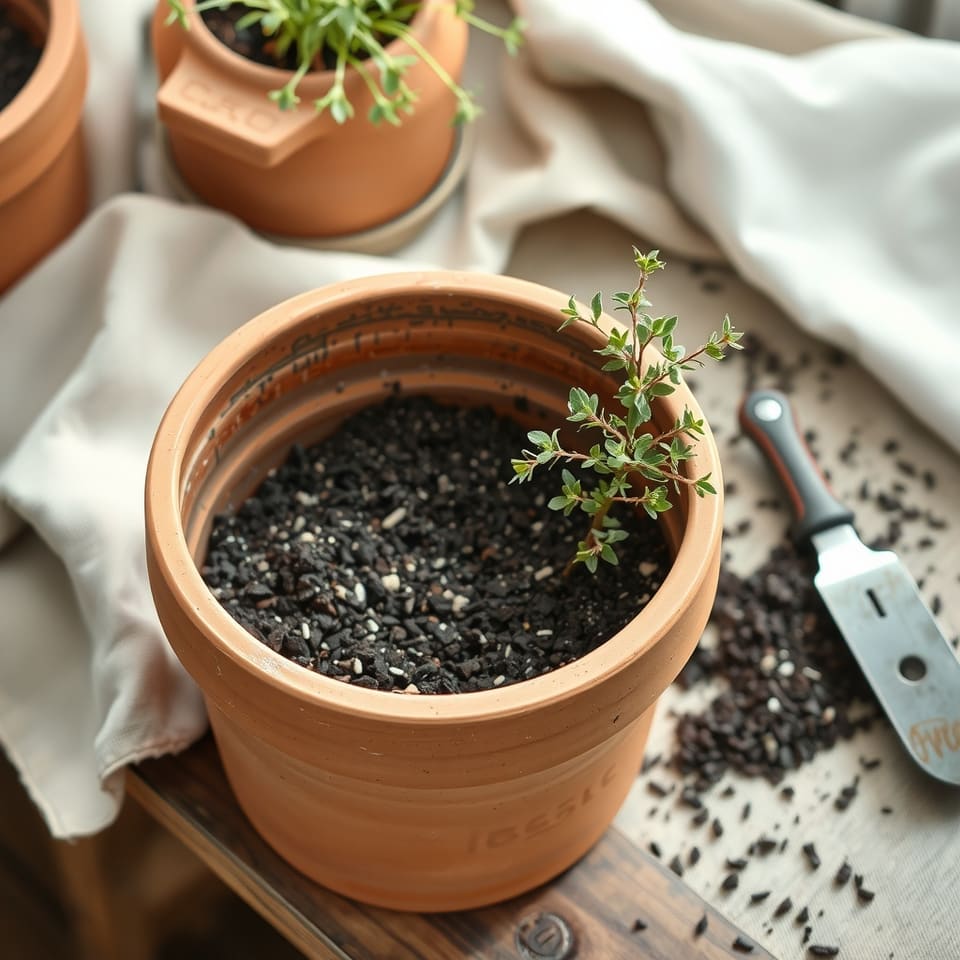
Many gardeners give herbs the richest soil and the most fertilizer they can, then wonder why the plants grow big and taste of very little. Herbs are different from most vegetables. Many popular herbs, such as rosemary, thyme and sage, tolerate heat and dry soil once established, and they do best when life is a little lean.
This guide explains what herbs want from their soil, what to fill a pot with, how lightly to feed, and a few simple safety habits for handling compost.
What herbs want: drainage first, richness second
University of Tennessee Extension puts it simply: for herbs grown in the ground, drainage is a higher priority than fertility. Heavy clay is the main challenge, and on poorly drained sites raised beds or containers may be the only way to succeed.
Rich soil is not a bonus. The University of Minnesota explains that very fertile soil produces fast, lush growth but lowers the plant's production of essential oils, so flavor and aroma become weaker.
Soil pH matters too. Most herbs grow best between about pH 6.0 and 7.5, according to the University of Minnesota, and Tennessee notes that many prefer a near-neutral 6.5 to 7.5. If a soil test shows your soil is acidic, Tennessee advises adding lime several months before planting so the change has time to happen.
Gritty Herb Potting Mix
You need
- loam-based or good peat-free potting compost3 parts
- coarse grit or fine gravel1 part
- gardening gloves1 pair
- water to dampen the composta little
- pot with drainage holes1
Method
- Put on gloves and open the compost bag away from your face.
- If the compost is dry and dusty, sprinkle it with a little water first.
- In a bucket or on a sheet, mix three parts compost with one part grit until evenly blended.
- Fill the pot, plant your herbs at the same depth they were growing before, and firm gently.
- Water well and let the excess drain away.
- Fold the top of the compost bag closed, and wash your hands when you finish.
Tips
- This mix suits rosemary, thyme, sage and oregano. For basil, parsley or mint, use less grit, as they like more moisture.
- Store bags of compost in a cool place, not in a greenhouse, where they heat up.
- Repot mint into fresh compost when it starts to look straggly.
What to put in a pot
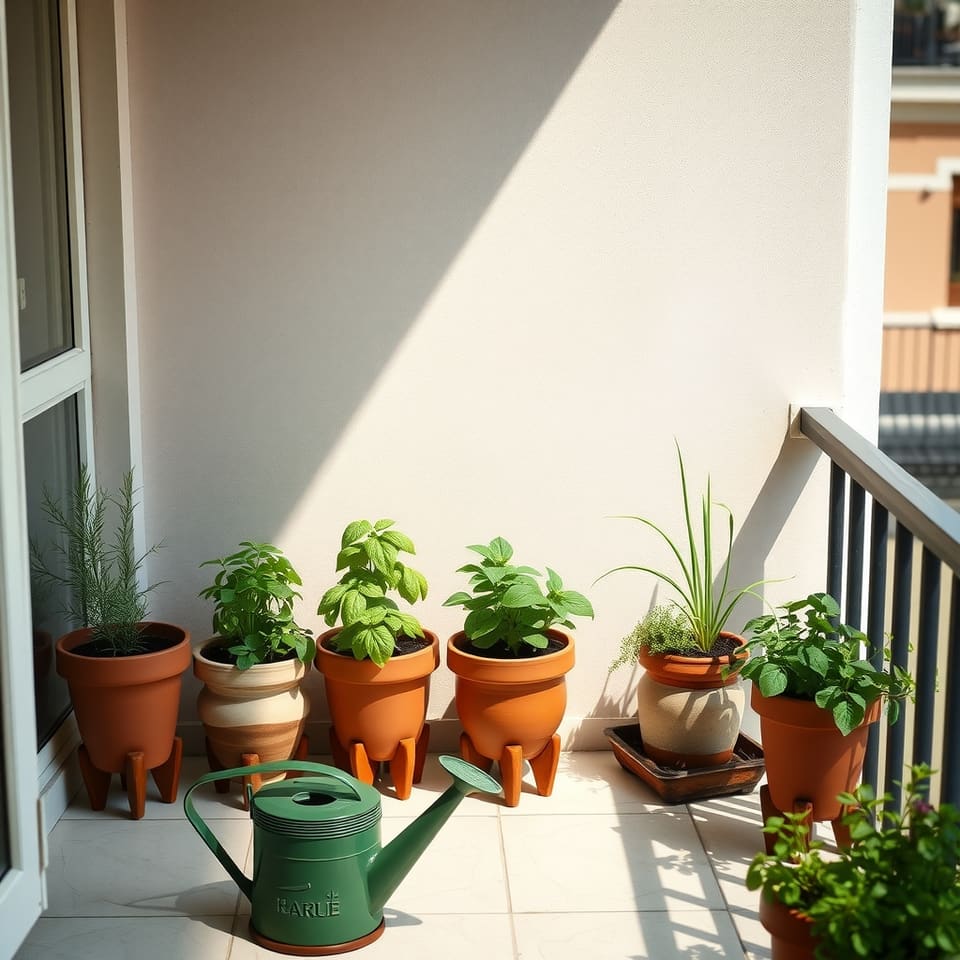
For containers, the Royal Horticultural Society (RHS) recommends a gritty, well-drained compost. One option it gives is a loam-based compost with up to a quarter coarse grit or perlite mixed in. The RHS prefers grit or gravel, ideally sourced locally, because of the environmental impact of perlite.
Soilless mixes work well too. Tennessee lists peat moss, pine bark or coir combined with sand, perlite or vermiculite as common ingredients, and suggests that larger containers use less peat, because fine peat breaks down over time and makes the mix less airy.
A few herbs have their own needs. The RHS suggests rich compost for mint and a heavier loam-based compost for bay. Whatever you use, every pot needs drainage holes.
Feeding: less is more
Feed herbs lightly. For container herbs, the University of Minnesota suggests a liquid fertilizer at half strength about every six weeks indoors, or every three to four weeks outdoors. Tennessee notes that small containers may need more frequent feeding, and that basil needs more nutrients than many other herbs.
Choose a balanced fertilizer. The RHS advises against feeds high in potassium for leafy herbs, because they encourage flowering. If you use manure, Tennessee warns to avoid fresh manure because of food safety risks and to use only manure that has been well composted at high temperatures.
What the evidence says
The link between lean soil and stronger flavor is consistent across the extension sources we checked. They tie it to essential oil production, which drops when plants are pushed into fast, soft growth.
There is also a safety point that surprises many people. The RHS explains that a bacterium called Legionella longbeachae lives in soil and compost and can cause a lung infection. The RHS recommends a few simple habits to reduce the risk, and they are included in the method and cautions below.
Questions people ask
Can I use garden soil in pots?
It is better not to. The RHS and University of Tennessee recommend a free-draining potting compost or soilless mix for containers, which gives you much better control over drainage.
Do herbs need fertilizer at all?
A little. Herbs in pots run short of nutrients over time, so a light, half-strength feed every few weeks helps. Too much feeding gives lush growth with weaker flavor.
What pH do herbs like?
Most do best in slightly acidic to neutral soil, about pH 6.0 to 7.5. A simple soil test will tell you where your garden sits.
Sources
- Herbs in containers — Royal Horticultural Society
- Growing herbs — University of Minnesota Extension
- Growing Culinary Herbs in Tennessee Gardens — University of Tennessee Extension
- Minimising health risks in the garden — Royal Horticultural Society
This article is for general information only and is not medical advice. Herbs can interact with medicines and health conditions. Talk to a doctor or pharmacist before trying a herbal remedy, especially if you are pregnant, breastfeeding, giving it to a child, or taking any medication.