How to Grow Dill and Herb Fennel: Sowing and Harvest
Dill grows fast from seed but hates being moved and runs to flower in heat. Here is how to sow it, keep it leafy, save its seeds, and how its taller cousin, herb fennel, compares.
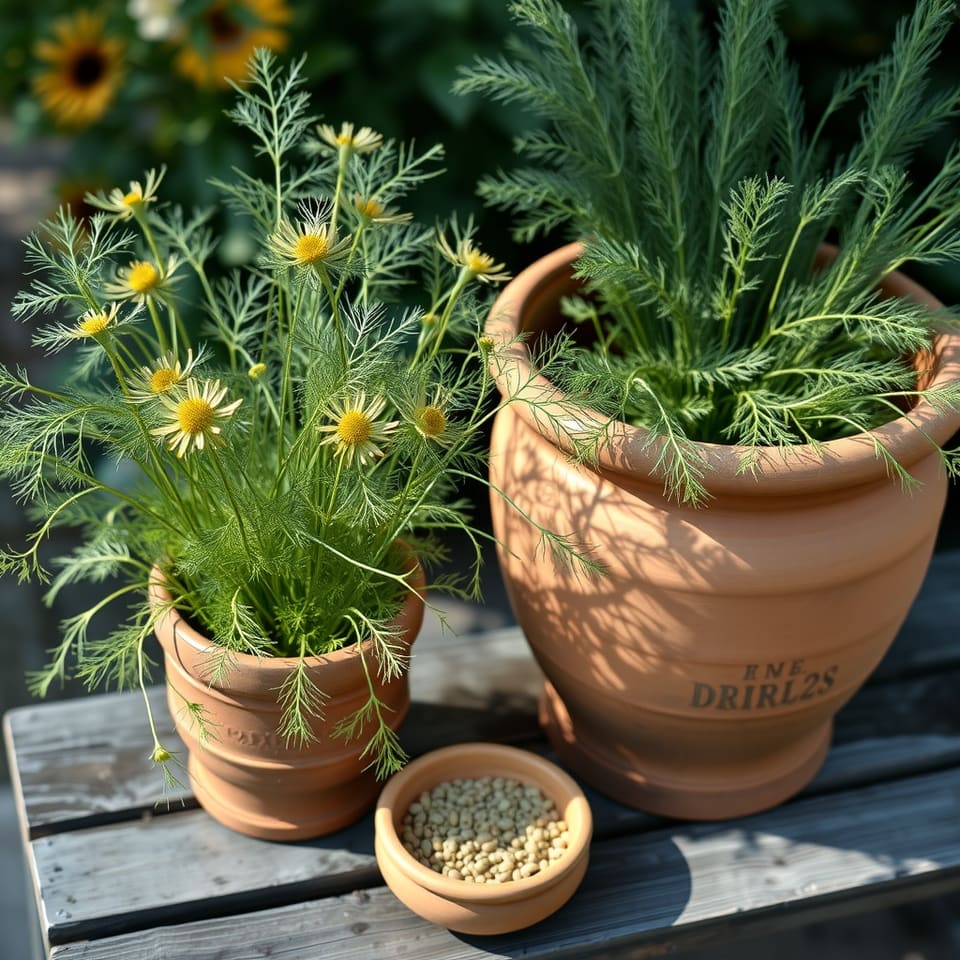
Dill is a kitchen staple in many parts of the world: chopped over potatoes in Scandinavia and Eastern Europe, in pickles across North America, and stirred into yogurt sauces and pilafs from the Balkans to Iran. Fresh dill is never quite as good from a shop as it is straight from the plant.
It is an easy herb to grow from seed, with two quirks: it dislikes having its roots disturbed, and it quickly runs to flower in hot, dry weather. Once you know that, a few sowings will give you leaves for months and seeds at the end.
Sow it where it will grow
Both the Royal Horticultural Society (RHS) and University of Minnesota Extension advise sowing dill directly where it is to grow, because it does not transplant well. The RHS suggests sowing outdoors from mid-spring to mid-summer once the soil has warmed, and Minnesota Extension says to start after the danger of frost has passed.
Choose a sheltered spot in full sun with fertile, well-drained soil. The RHS notes that dill dislikes cold, waterlogged conditions, and Minnesota Extension recommends shelter from strong wind, as the tall, hollow stems may need staking. If you do start seeds indoors, the RHS suggests one seed per module at 15 °C (59 °F) or warmer, and moving them out about four weeks after sowing, before long taproots form.
How to Sow Dill in a Pot or Bed
You need
- pot at least 30 cm (12 inches) deep and wide, with drainage holes, or a sunny, sheltered bed1
- peat-free multi-purpose compostenough to fill the pot
- dill seeds, a compact variety for pots1 small packet
- thin canes or sticks for support, optionala few
- watering can with a fine rose1
Method
- Wait until the soil has warmed in spring and frost has passed. Fill the pot with compost, or weed and rake the bed.
- Make a shallow groove about 1 cm (1/2 inch) deep, water along it, then sow the seeds thinly and cover them with compost or soil.
- Water gently and keep the surface moist. Indoors at 15 °C (59 °F) or above, the RHS says seeds should come up in one to two weeks; outdoors it depends on the weather.
- When seedlings are about 5 cm (2 inches) tall, thin them to about 20 cm (8 inches) apart. Do not try to move them.
- Water in dry spells, as containers dry out quickly. Stake tall plants if they flop.
- Sow another short row or pot every two to three weeks until midsummer.
- Start picking leaves about six weeks after sowing, always leaving at least a third of the plant.
Tips
- Compact varieties suit pots best, as the RHS notes.
- Pick a sprig or two often rather than stripping a plant at once.
- Leave a few plants to flower at the end of summer so you can collect seed.
Why dill bolts, and how to slow it down
Bolting means a plant flowers early and stops making many leaves. The RHS says dill tends to bolt in hot, dry weather, so water it during dry spells. Regular picking also keeps plants bushy and delays flowering.
The other answer is succession sowing. Instead of one big sowing, sow a short row or a pot every two to three weeks until midsummer, as Minnesota Extension suggests. As one batch starts to flower, the next is ready to pick.
What the evidence says
Dill and herb fennel look alike, with fine, feathery leaves and flat yellow flower heads, but they behave differently. The RHS describes dill as a distant relative of fennel. Dill is a short-lived plant you sow again each year, while herb fennel forms a clump that dies back in autumn and regrows from the base each spring. Fennel can reach 2 m (6 1/2 feet) and, according to the RHS, self-seeds very readily, so cut off seed heads you do not want.
Herb fennel is not the same as Florence fennel, the bulb vegetable. For both herbs, the guidance here is about growing and cooking. Health claims for dill or fennel seed teas are a separate question and are not covered by these gardening sources.
Harvesting leaves, flowers and seeds
The RHS says you can start picking dill leaves about six weeks after sowing. Take a few at a time and always leave at least a third of the plant. Leaves wilt and lose flavor fast, so use them soon after picking. Minnesota Extension says drying keeps the color but loses most of the flavor, so fresh is best.
The small yellow flowers are edible, and for pickles Minnesota Extension suggests using a whole flower head while it is still green and flexible. For seeds, cut the heads as they start to turn brown, hang them upside down inside a paper bag in a warm, airy place, and let the seeds drop. Store fully dry seeds airtight, away from heat and light, for up to a year. Herb fennel is harvested the same way: young leaves from early summer, ripe seed heads in late summer.
Questions people ask
Can I transplant dill seedlings?
It is best not to. Dill does not transplant well. If you start it in modules, plant it out about four weeks after sowing, before the taproot grows long, and disturb the roots as little as possible.
Why is my dill flowering so early?
Hot, dry weather makes dill bolt. Water during dry spells, pick regularly and sow a fresh batch every two to three weeks.
Can I grow dill and fennel together?
It is better to give them separate spots. Fennel grows much taller, comes back each year and self-seeds readily, so it can crowd dill out.
Sources
- How to grow Dill — Royal Horticultural Society
- How to grow Fennel — Royal Horticultural Society
- Growing dill in home gardens — University of Minnesota Extension
- Toxic and Non-toxic Plants: Dill — ASPCA
This article is for general information only and is not medical advice. Herbs can interact with medicines and health conditions. Talk to a doctor or pharmacist before trying a herbal remedy, especially if you are pregnant, breastfeeding, giving it to a child, or taking any medication.