Ashwagandha: Stress, Sleep and Key Safety Warnings
Ashwagandha is everywhere right now, sold as a stress and sleep helper. Some small studies are encouraging, but there are serious warnings about the liver, the thyroid and pregnancy that you should know first.
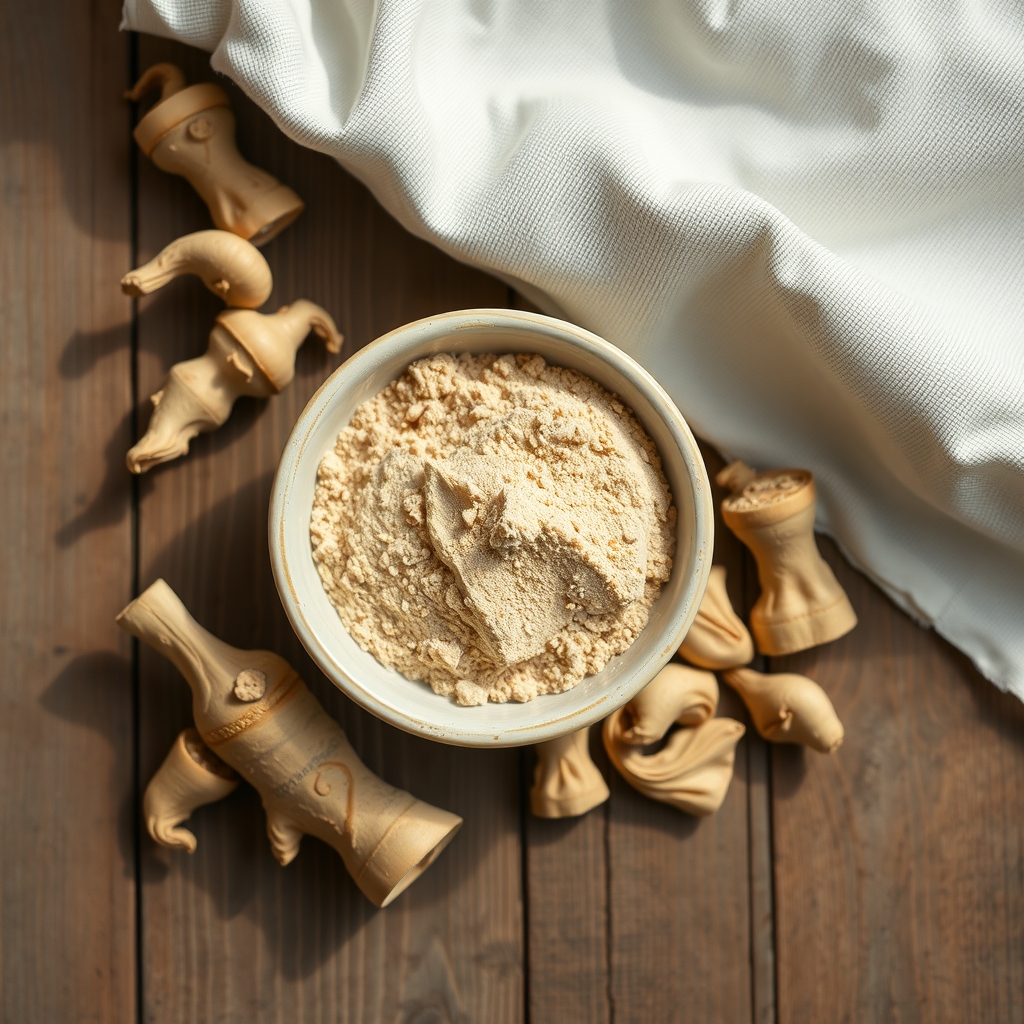
Ashwagandha is a small evergreen shrub that grows in India, Africa and the Middle East. Its root has been used for centuries in Ayurveda, the traditional medicine of India, as a general tonic and for stress. It is sometimes called Indian ginseng, although it is not related to true ginseng.
Today it is one of the most popular supplements for stress and sleep. That popularity has outrun the science, and it has also brought reports of rare but serious side effects. This guide sets out what is known, what is not, and who should avoid it altogether.
What the evidence says
Several studies suggest that some ashwagandha extracts may help reduce feelings of stress and anxiety. In trials lasting 6 to 8 weeks, people taking it reported less stress, anxiety, fatigue and sleeplessness, and their stress hormone levels fell. Doses of 500 to 600 mg of extract a day seemed to work better than lower doses in some studies.
The evidence for sleep is weaker. A few small studies in people with sleep problems found they fell asleep a little faster, slept a little longer and woke less often. The benefits were small, and seemed best with 600 mg or more of extract a day for at least 8 weeks.
The US National Center for Complementary and Integrative Health says the evidence on anxiety is unclear, and that there is not enough evidence for many other popular uses, such as athletic performance, memory, diabetes or menopause. Many trials were small and used different products, so results are hard to compare.
The liver warning
Liver injury linked to ashwagandha is rare, but it has been reported. Memorial Sloan Kettering Cancer Center describes case reports of liver damage, some needing extra treatment, that improved after people stopped taking it. It also describes a separate case of anemia and stomach pain from ashwagandha pills that contained high levels of lead, a reminder that supplement quality varies.
If you have a liver condition, or have had one, ashwagandha is not a good choice. If you do take it, stop and contact your doctor promptly if you notice yellowing of your skin or eyes, dark urine, or unusual tiredness.
Pregnancy, thyroid and other people who should avoid it
Do not use ashwagandha if you are pregnant or breastfeeding. Memorial Sloan Kettering notes it may increase the risk of miscarriage, particularly at higher doses.
Ashwagandha may affect thyroid function and raise thyroid hormone levels, and there are case reports of an overactive thyroid that settled after people stopped. It is not recommended if you have a thyroid disorder or an autoimmune condition.
It may raise testosterone, so people with hormone-sensitive prostate cancer should avoid it. It is also not recommended if you are due to have surgery.
If you are thinking of trying it: a careful approach
Step 1: Talk to your doctor or pharmacist first, especially if you take any regular medicine. Ashwagandha may interact with diabetes medicines, blood pressure medicines, sedatives and sleep aids, anti-seizure medicines, thyroid hormone and medicines that suppress the immune system.
Step 2: Check that none of the warnings above apply to you: pregnancy or breastfeeding, liver or thyroid problems, autoimmune disease, hormone-sensitive prostate cancer, or upcoming surgery.
Step 3: Keep it short. Studies suggest it may be safe for up to about 3 months. Safety beyond that is not known.
Step 4: Watch for side effects. The most common are drowsiness, upset stomach, loose stools and nausea. Because it can make you drowsy, do not combine it with alcohol or sedatives, and be careful about driving until you know how it affects you.
Step 5: Remember that supplements are not approved for safety or effectiveness before they are sold, and products vary widely. Stop if you do not notice a benefit after the 6 to 8 weeks used in studies.
Questions people ask
How long does ashwagandha take to work?
In studies, people usually took it for 6 to 8 weeks before reporting less stress, and for at least 8 weeks for small sleep benefits. It is not a quick fix.
Can I make ashwagandha tea at home?
The root is used traditionally in drinks, but the studies used standardized extracts, so a home drink is not the same thing. The same safety warnings apply to every form.
Is ashwagandha safe to take with my thyroid medicine?
It may affect thyroid function and interact with thyroid hormone medicine, so it is not recommended without your doctor's advice.
Sources
- Ashwagandha: Usefulness and Safety — National Center for Complementary and Integrative Health
- Ashwagandha: Is it helpful for stress, anxiety, or sleep? — NIH Office of Dietary Supplements
- Ashwagandha — Memorial Sloan Kettering Cancer Center
This article is for general information only and is not medical advice. Herbs can interact with medicines and health conditions. Talk to a doctor or pharmacist before trying a herbal remedy, especially if you are pregnant, breastfeeding, giving it to a child, or taking any medication.