Infusion vs Decoction: How to Brew Herbal Tea
Delicate leaves and flowers like a gentle steep, while roots and bark often need a simmer. Here is how to tell which method to use, with clear times and temperatures.
Most herbal tea recipes start with the same instruction: add hot water. But how hot, and for how long, makes a real difference to how your tea tastes and how much of the plant ends up in your cup.
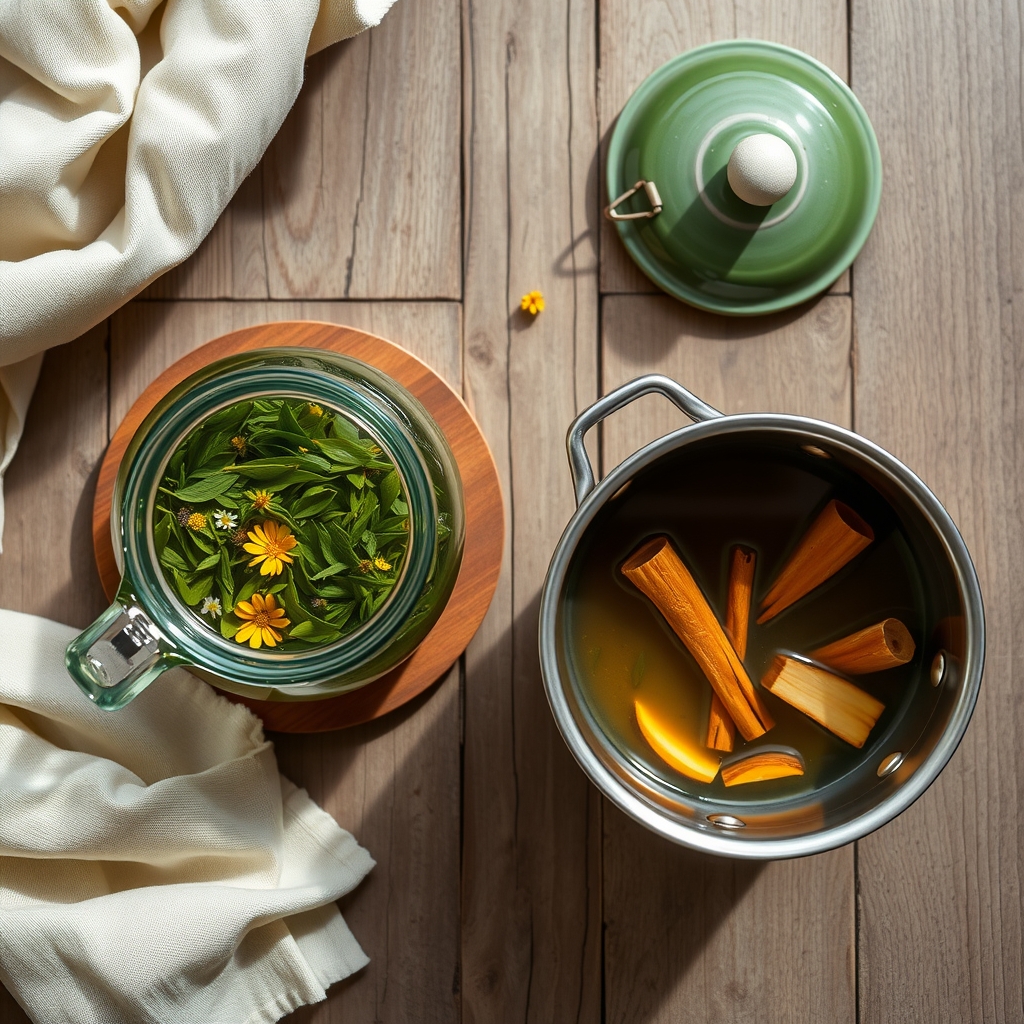
There are two classic methods. An infusion is a steep, like making ordinary tea. A decoction is a simmer, where the plant cooks gently in water on the stove. Once you know which to use, almost any home herbal drink becomes easy.
Infusion: for leaves and flowers
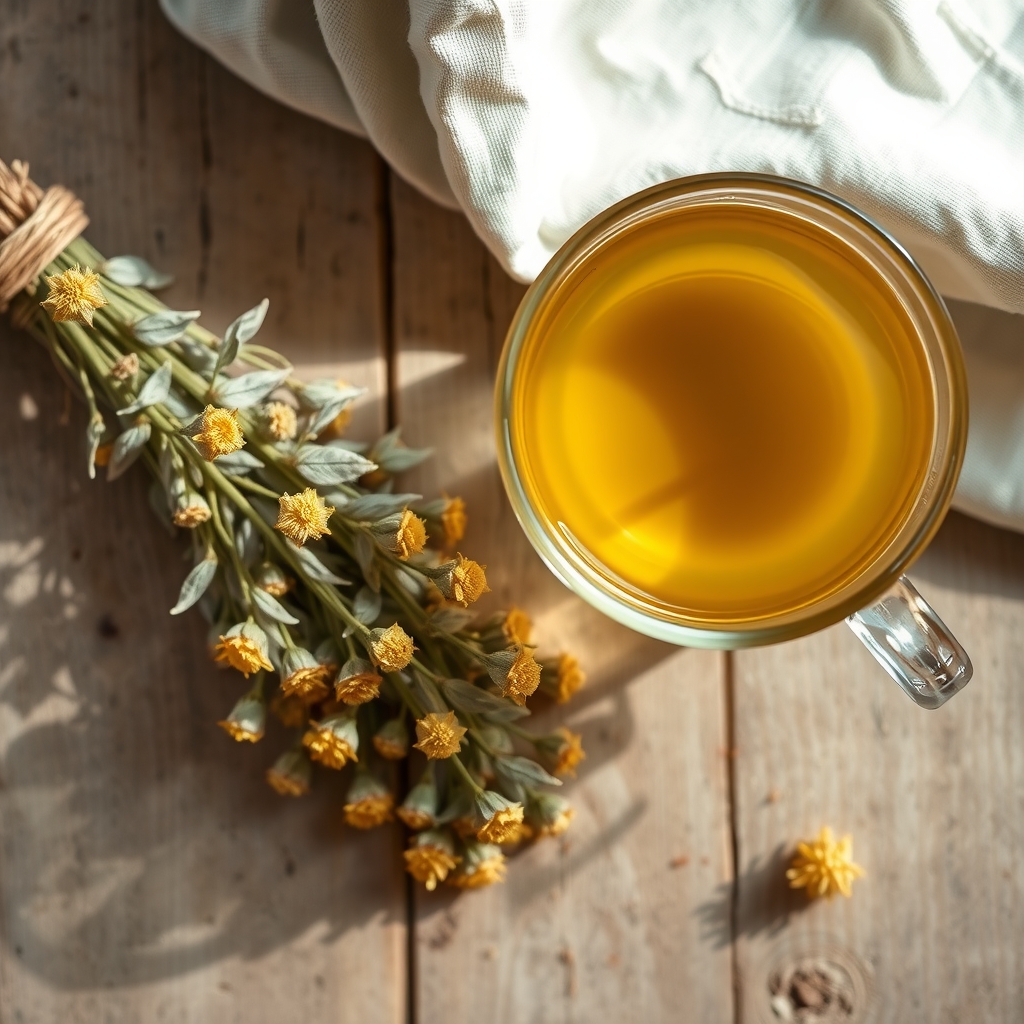
An infusion means pouring boiling water over the herb and letting it sit. It suits soft, thin parts of a plant that give up their flavor quickly, such as leaves and flowers. Mint, chamomile, lemon verbena, and linden blossom are all typically infused.
Step 1: Bring fresh water to a full boil, 100°C (212°F). Step 2: Put the herb in a cup or pot and pour the water over it. Step 3: Cover it. A saucer or lid traps the fragrant oils that would otherwise drift off in the steam. Step 4: Steep for 5 to 10 minutes for most leaves and flowers. Step 5: Strain and let it cool to a comfortable drinking temperature.
Some tougher material can be infused too. The European monograph on valerian, for example, describes the chopped root brewed as an infusion in boiling water. With firmer pieces, steep a little longer, 10 to 15 minutes, and chop them small.
Decoction: for roots, bark and seeds
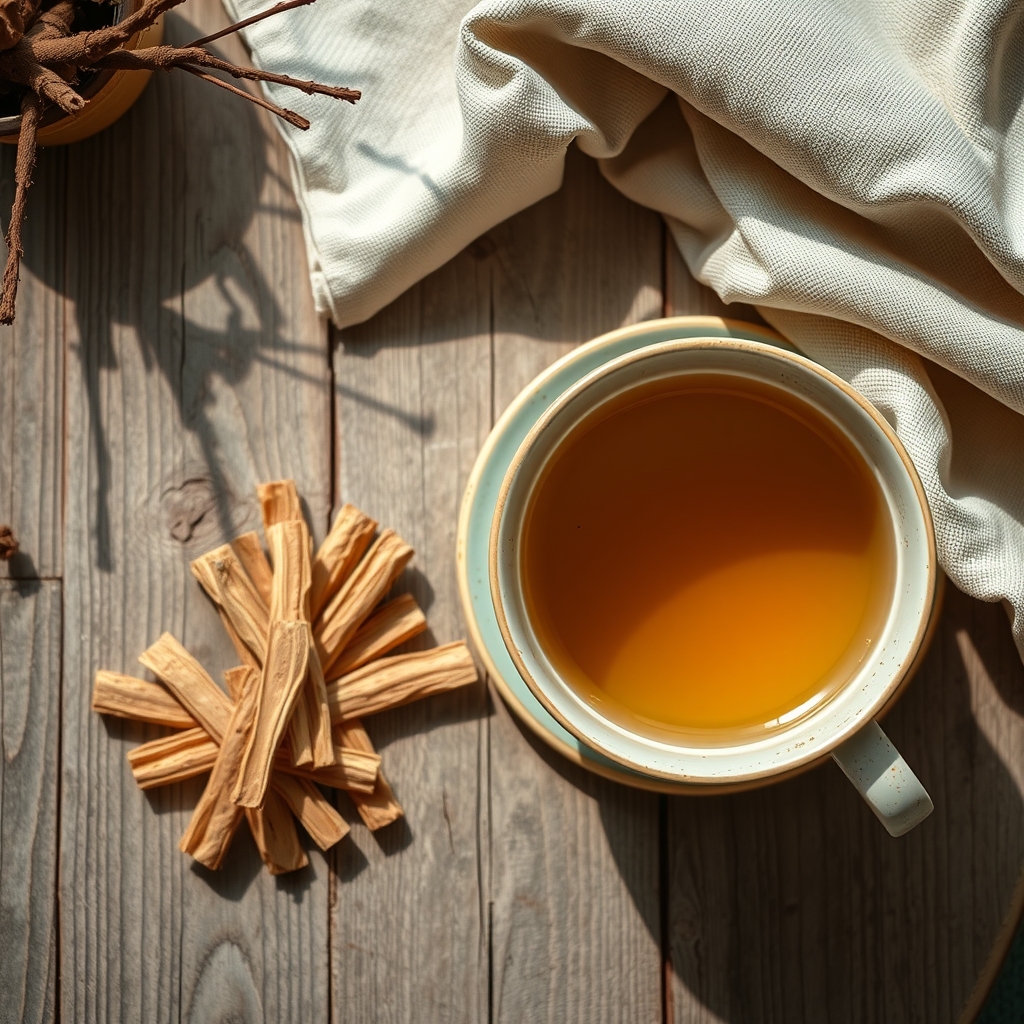
A decoction means simmering the herb in water. It suits hard, woody parts like roots, bark, and some seeds, which release flavor slowly. Fresh ginger slices and cinnamon sticks are familiar kitchen examples.
Step 1: Put the herb in a small saucepan with cold water. Step 2: Bring it to a boil, then turn the heat down so it simmers gently, at roughly 90 to 100°C (194 to 212°F). Step 3: Cover and simmer for 10 to 20 minutes. Step 4: Take it off the heat, let it stand a few minutes, then strain. Step 5: Top up with a little hot water if too much has evaporated.
Interestingly, the method can change with the purpose. The European monograph on lemon verbena lists a stronger decoction of 5 g in 100 ml (about 1/2 cup) for mild stress, but a light infusion of 1 to 2 g in 200 ml (a scant 1 cup) as a sleep aid.
What the evidence says
There is little research comparing brewing methods head to head for home teas. What we do have is the official European herbal monographs, which state exactly how each traditional tea should be prepared, how much plant to use, and how much water. These are the best guide to follow.
For example, the monograph on linden flower describes 1.5 g in 150 ml (about 2/3 cup) of boiling water as an infusion, while the valerian monograph gives 0.3 to 3 g of root in 150 ml of boiling water, also as an infusion. Following a recipe built on these amounts keeps you within the ranges that have a long record of use.
Brewing longer or stronger does not mean a better or safer remedy. Stick to sensible amounts, and remember that a more concentrated tea also concentrates any side effects.
Safety at the stove
Boiling water can scald in an instant. Keep pans on back burners with handles turned in, and keep hot drinks out of reach of children.
If you do get scalded, the NHS advises cooling the burn under cool running water for 20 minutes as soon as possible, removing nearby clothing or jewelry unless it is stuck to the skin, then covering it loosely with cling film. Get urgent help for large or deep burns, or burns on the face, genitals or bottom.
Questions people ask
Can I just boil leaves like chamomile or mint?
You can, but it is not ideal. Boiling delicate leaves and flowers for a long time drives off much of their aroma and can make the tea taste flat or bitter. A covered steep usually tastes better.
Should I cover my tea while it steeps?
Yes. Covering a cup or pot keeps the fragrant oils in your tea instead of letting them escape with the steam, especially for aromatic herbs like mint and lemon verbena.
Do I need to weigh my herbs?
Official monographs give amounts in grams, so a small kitchen scale helps if you want to follow them closely. As a rough guide, a level teaspoon of dried, crumbled leaves is often around 1 g, while fluffy flowers like linden weigh much less for the same volume.
Sources
- European Union herbal monograph on Aloysia citrodora Palau, folium — European Medicines Agency
- European Union herbal monograph on Valeriana officinalis L., radix — European Medicines Agency
- Community herbal monograph on Tilia cordata Miller, Tilia platyphyllos Scop., Tilia x vulgaris Heyne or their mixtures, flos — European Medicines Agency
- Burns and scalds — NHS
This article is for general information only and is not medical advice. Herbs can interact with medicines and health conditions. Talk to a doctor or pharmacist before trying a herbal remedy, especially if you are pregnant, breastfeeding, giving it to a child, or taking any medication.