Licorice Root Tea: Uses and Safety Limits
Licorice root makes a naturally sweet tea, but it is one herb where the safety limits matter more than the benefits. Here is what you need to know first.
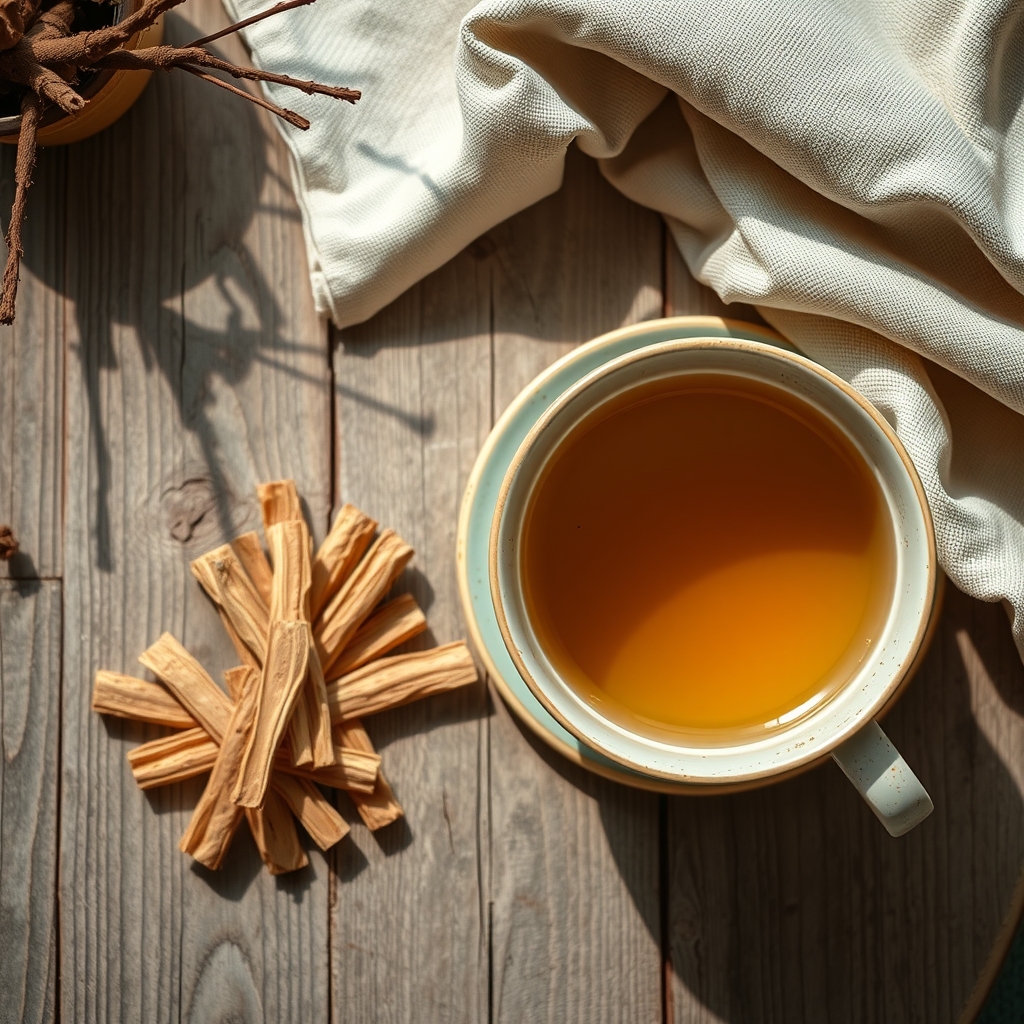
Licorice root tea tastes surprisingly sweet with nothing added. That makes it a tempting base for herbal blends and a popular choice when your throat feels scratchy.
It is also an herb with real, well-documented risks. A natural compound in the root can raise blood pressure and lower potassium. This guide walks you through what licorice is used for, what the research shows, and how to keep any use occasional and safe.
Why people use it
Licorice root is promoted for digestive and respiratory support and for energy. Many people simply enjoy its sweet, mellow flavor in a cup of tea.
One surprise: much of the licorice candy sold in the United States contains no real licorice at all, according to NCCIH. So a licorice-flavored sweet and a cup of real root tea are not the same thing.
Simple Licorice Root Tea
You need
- dried cut licorice root1 tsp (about 2 g)
- water300 ml (1 1/4 cups)
- fresh ginger or a few mint leaves (optional)1 thin slice
Method
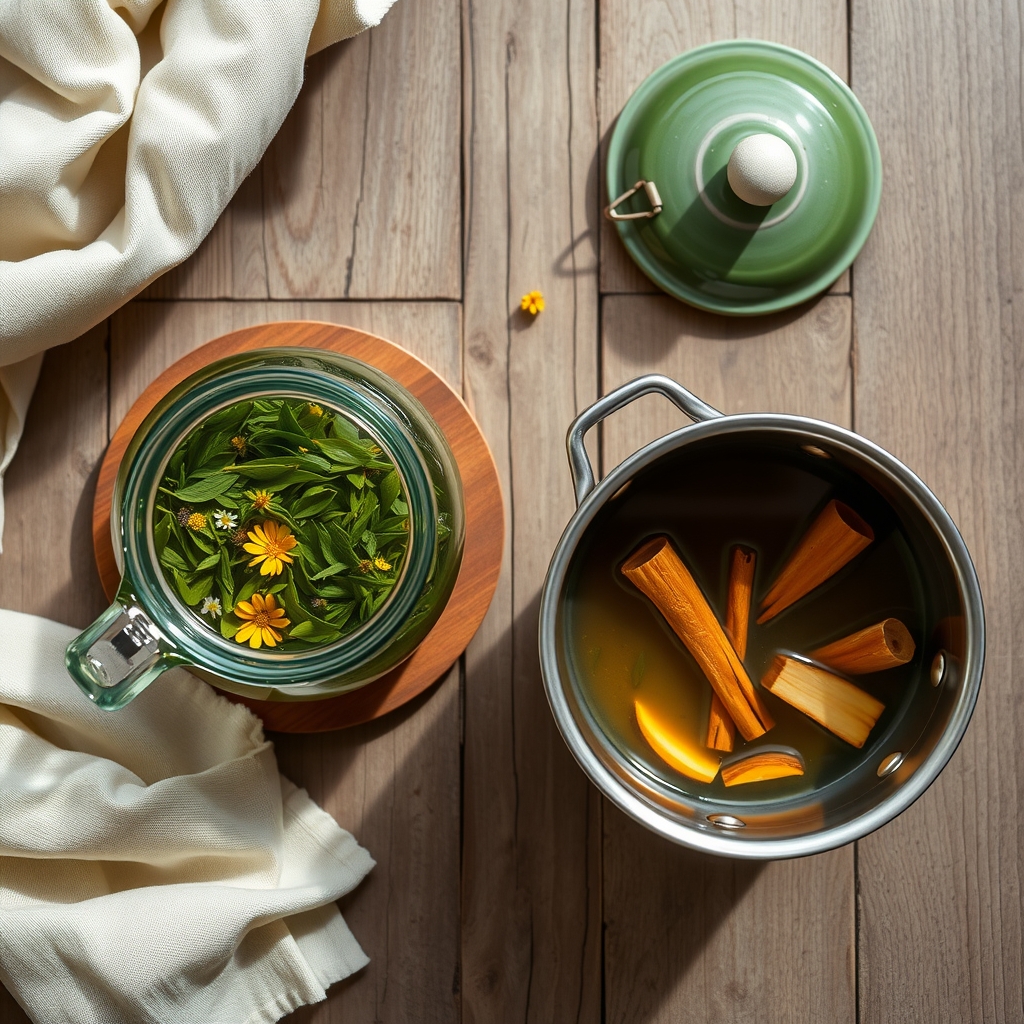
- Put the licorice root and water in a small saucepan.
- Bring to a gentle simmer and cook for 5 minutes.
- Turn off the heat, add the ginger or mint if using, cover and steep for 5 more minutes.
- Strain into a mug and sip while warm. It needs no sweetener.
Tips
- Keep it to an occasional cup, not a daily routine.
- Blend a small pinch of licorice into other herbal teas for sweetness instead of brewing it on its own.
What the evidence says
NCCIH says there is not enough high-quality evidence to clearly support licorice for any health condition.
There are a few small, specific findings. A licorice gargle or lozenge used before surgery may help reduce sore throat after a breathing tube is removed, and licorice mouth rinses may reduce the size and pain of canker sores. Evidence for digestive symptoms from licorice alone is unclear. None of this shows that drinking licorice tea treats a cold or sore throat.
The glycyrrhizin problem
Licorice root contains glycyrrhizin. NCCIH warns it can cause serious effects such as an irregular heartbeat and even cardiac arrest, mostly with large amounts or long-term use.
Memorial Sloan Kettering lists high blood pressure, salt and fluid retention, low potassium, muscle pain, tiredness and irregular heartbeat among licorice side effects. It also notes that regular intake of even moderate amounts has been linked to high blood pressure and low potassium.
Some people are more sensitive. NCCIH says even small amounts have been linked to severe effects in people who eat a lot of salt or who have high blood pressure, heart disease or kidney disease.
Keeping it occasional
Whole licorice root tea contains glycyrrhizin, so treat it as an occasional cup rather than a daily habit. Do not drink it every day for weeks, and do not stack it with other licorice products.
Deglycyrrhizinated licorice has most of the glycyrrhizin removed. NCCIH says it might be safe for up to four months, but that applies to those products, not to tea made from ordinary root.
Questions people ask
Is licorice candy the same as licorice root?
Not always. Much licorice candy in the United States contains no real licorice. Check the label: if it lists real licorice or licorice extract, the same cautions about glycyrrhizin apply.
How much licorice tea is safe?
There is no single safe number for everyone, and some people react to small amounts. Keep it to an occasional cup, and skip it entirely if any of the cautions apply to you.
Does licorice tea help a sore throat?
A licorice gargle used before surgery may reduce sore throat afterward, but there is no good evidence that drinking the tea treats a sore throat from a cold.
Sources
- Licorice Root: Usefulness and Safety — NCCIH
- Licorice — Memorial Sloan Kettering Cancer Center
This article is for general information only and is not medical advice. Herbs can interact with medicines and health conditions. Talk to a doctor or pharmacist before trying a herbal remedy, especially if you are pregnant, breastfeeding, giving it to a child, or taking any medication.