Greek Mountain Tea (Sideritis): A Herb Guide
Picked on high, sunny slopes and brewed in kitchens across Greece and Cyprus, mountain tea is a gentle, earthy cup with a long tradition and a small but growing body of research.
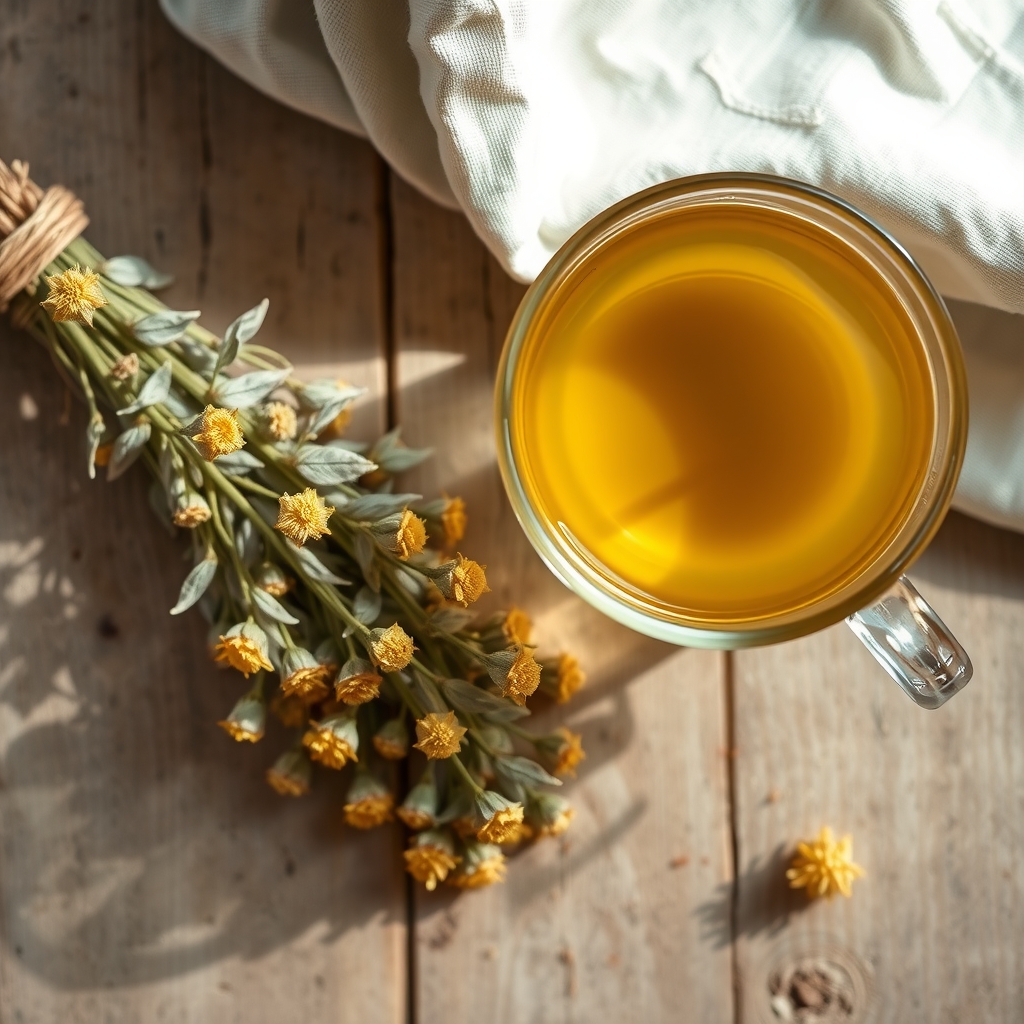
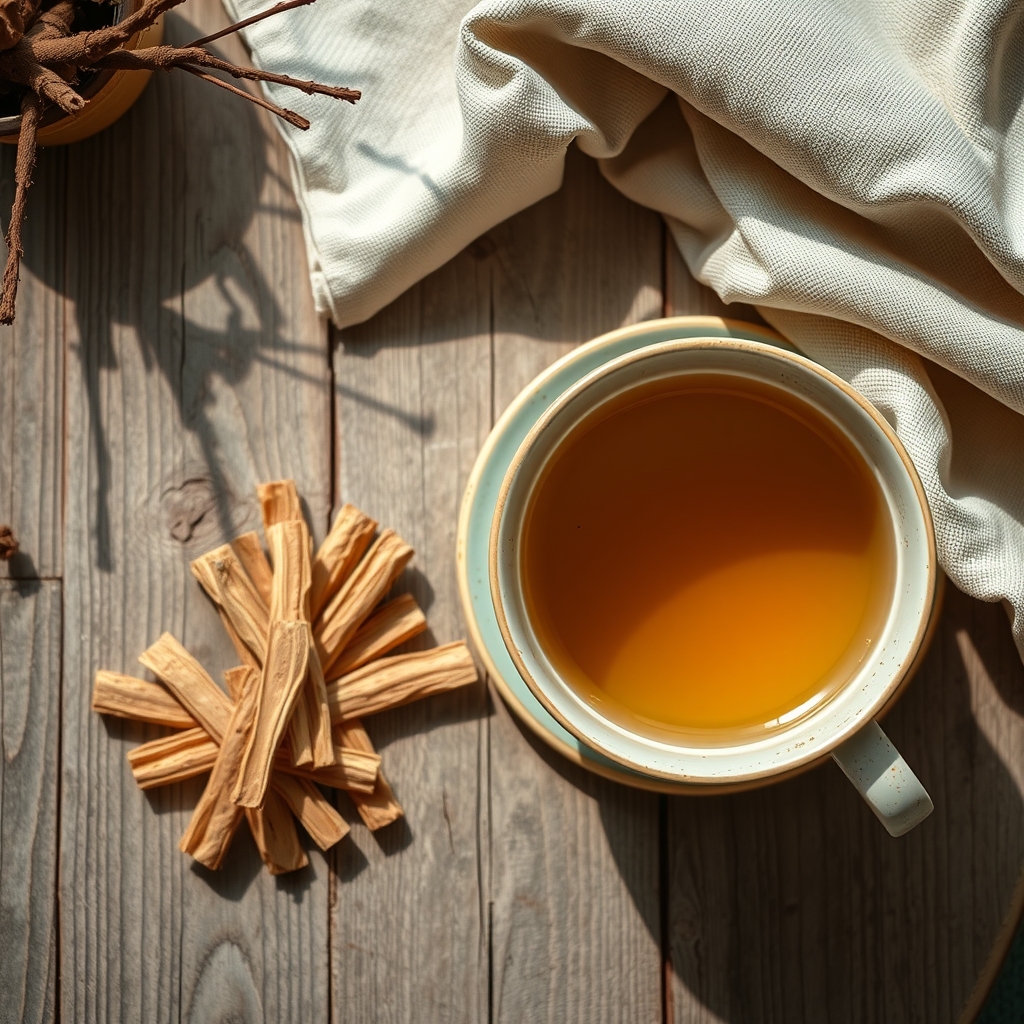
Ask for tea in a Greek village, or in many homes in Cyprus, and you may be handed a cup of something pale gold and gently herbal rather than black tea. This is mountain tea, made from the dried stems, leaves and flowers of Sideritis plants that grow wild on rocky mountainsides.
It is often sold in long dried bundles at markets, and families have their own ways of brewing it. Here is what it is, how to make a good cup, and what science can and cannot tell you.
What is mountain tea?
Sideritis is a group of flowering plants in the mint family, also called ironwort. The species most often used as tea include Sideritis scardica, Sideritis clandestina, Sideritis raeseri and Sideritis syriaca. The part used is the dried, cut flowering tops.
In Greece and Cyprus it is a familiar winter drink, sipped when someone has a cold or after a heavy meal, often with a spoon of honey and a squeeze of lemon. It contains no caffeine.
Simple Greek Mountain Tea
You need
- dried Sideritis stems, leaves and flowers, broken into short pieces2 to 4 g (1 to 2 tbsp)
- water250 ml (1 cup)
- honey1 tsp (optional)
- lemon1 slice (optional)
Method
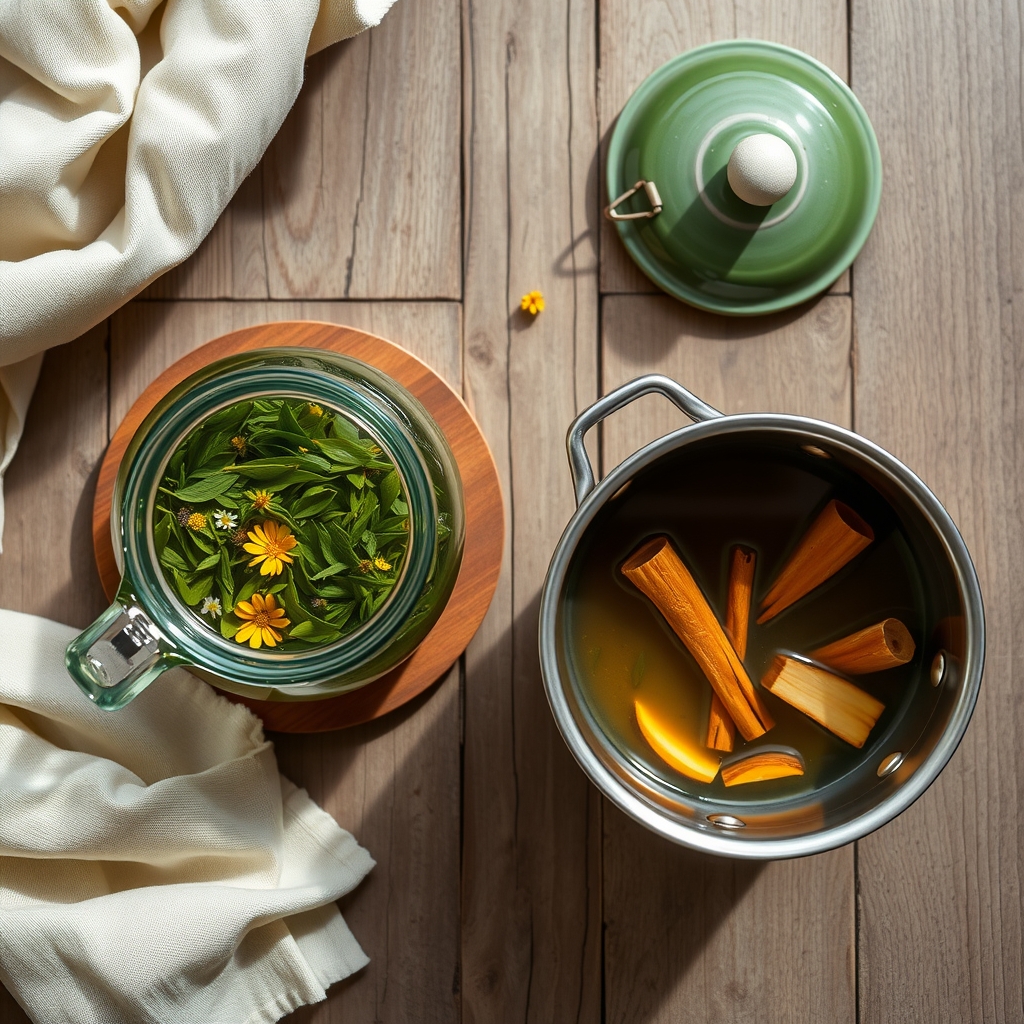
- Break the dried stems into pieces about 3 to 5 cm (1 to 2 inches) long so they fit in a small pan.
- Bring the water to a boil, add the herb and lower the heat.
- Simmer gently for 3 to 5 minutes, then turn off the heat and cover for another 5 minutes.
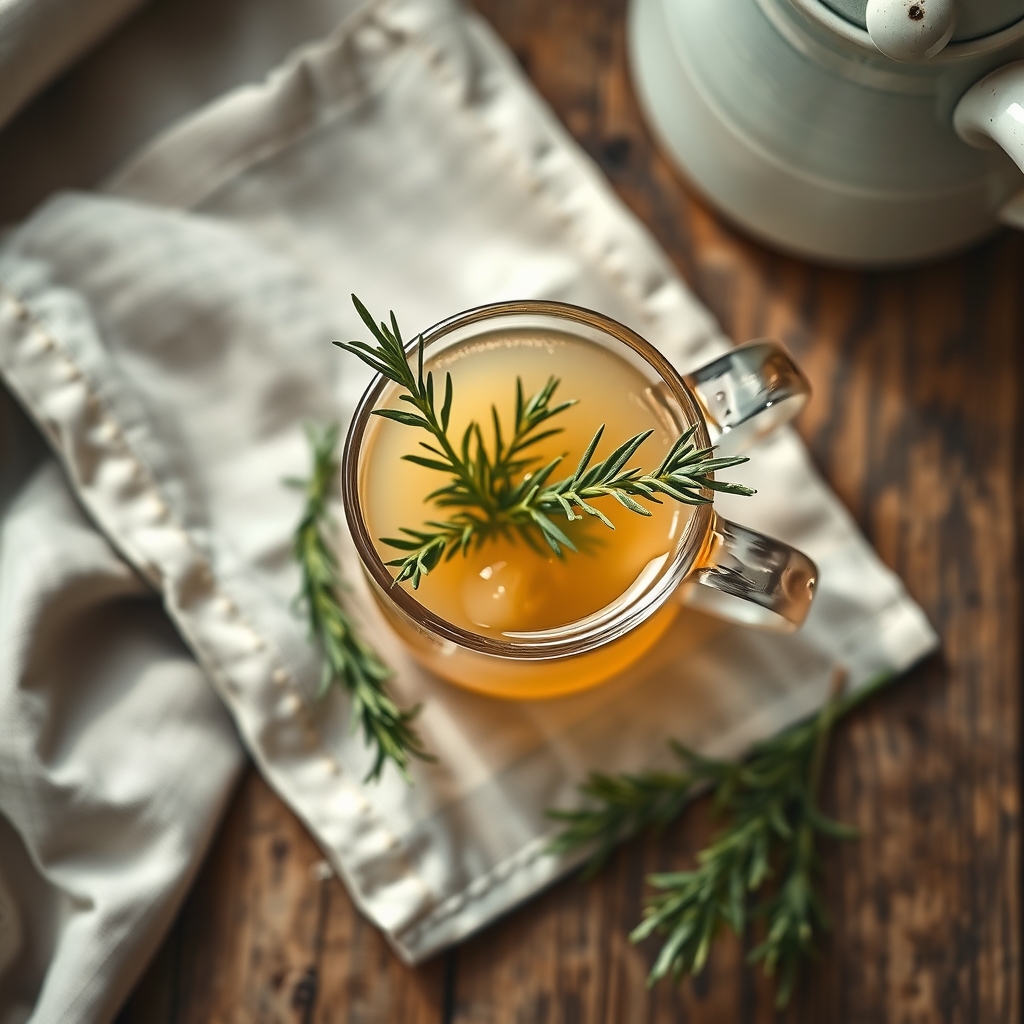
- Strain into a cup. Add honey and lemon if you like once it has cooled a little.
Tips
- For a lighter cup, simply pour water just off the boil over the herb and steep for 5 to 10 minutes.
- Store dried mountain tea in a sealed jar away from light and heat.
- Keep it to 2 or 3 cups a day, in line with the European guidance for adults.
Traditional use and European recognition
The European Medicines Agency has reviewed Sideritis and recognizes it as a traditional herbal medicine for two uses: relief of cough associated with a cold, and relief of mild stomach and gut discomfort.
This status is based on long-standing use, not on clinical trials proving that it works. In other words, it reflects many years of use in Europe rather than strong scientific proof.
What the evidence says
Human research is limited. One randomized, placebo-controlled study in 155 healthy adults aged 50 to 70 tested capsules of a Sideritis scardica extract for 28 days. The higher dose was linked with some small improvements on attention tasks and lower anxiety scores than placebo. These were concentrated extracts, not tea, so the results may not apply to a cup brewed at home.
Most other research is in the lab or in animals. A recent European review of new data found mainly laboratory and animal studies, along with animal tests that showed no toxicity at high doses. No new human trials were found that changed the official assessment.
In short, mountain tea has a long tradition and a reassuring safety record in adults, but there is not yet good evidence that it helps any particular health problem.
How to brew mountain tea
The European monograph describes a herbal tea of 2 to 4 g of the dried herb, about 1 to 2 tbsp of broken stems and flowers, in 150 to 200 ml (2/3 to 3/4 cup) of water, two to three times a day for adults.
Many Greek and Cypriot cooks simmer the stems briefly rather than just steeping them, which gives a deeper, more golden cup. Both methods work, so follow the recipe below and adjust to taste.
Questions people ask
Does Greek mountain tea have caffeine?
No. It is made only from Sideritis plants, which do not contain caffeine, so many people drink it in the evening.
Is mountain tea the same as regular tea?
No. Regular black or green tea comes from the tea plant. Mountain tea is a herbal infusion from a completely different plant in the mint family.
Can mountain tea improve memory?
One small study of a concentrated extract in older adults found some modest effects on attention and anxiety. That is not enough to say the tea improves memory, and more research is needed.
Sources
- Sideritis herba - herbal medicinal product — European Medicines Agency
- European Union herbal monograph on Sideritis scardica, S. clandestina, S. raeseri, S. syriaca, herba — European Medicines Agency
- Addendum to Assessment report on Sideritis scardica, S. clandestina, S. raeseri, S. syriaca, herba — European Medicines Agency
- The Acute and Chronic Cognitive and Cerebral Blood Flow Effects of a Sideritis scardica (Greek Mountain Tea) Extract — Nutrients (PMC)
This article is for general information only and is not medical advice. Herbs can interact with medicines and health conditions. Talk to a doctor or pharmacist before trying a herbal remedy, especially if you are pregnant, breastfeeding, giving it to a child, or taking any medication.