Tea for Acid Reflux: Which Teas to Try, Which to Skip
If you get heartburn, the tea in your cup matters. Some popular teas are well-known triggers, while a mild herbal cup may sit more comfortably. Here is what to try, what to skip and what the evidence really says.
Acid reflux is when stomach acid travels back up toward your throat. The NHS lists the main symptoms as a burning feeling in the middle of the chest, called heartburn, and an unpleasant sour taste in the mouth. Some people also get a cough or hiccups that keep coming back, a hoarse voice, bad breath or bloating.
Tea is a daily habit in almost every country, from strong black tea with milk to mint tea after dinner. If you have reflux, it is worth knowing that some of these favorites can make symptoms worse, while others are generally gentler choices.
Teas and drinks that often make reflux worse
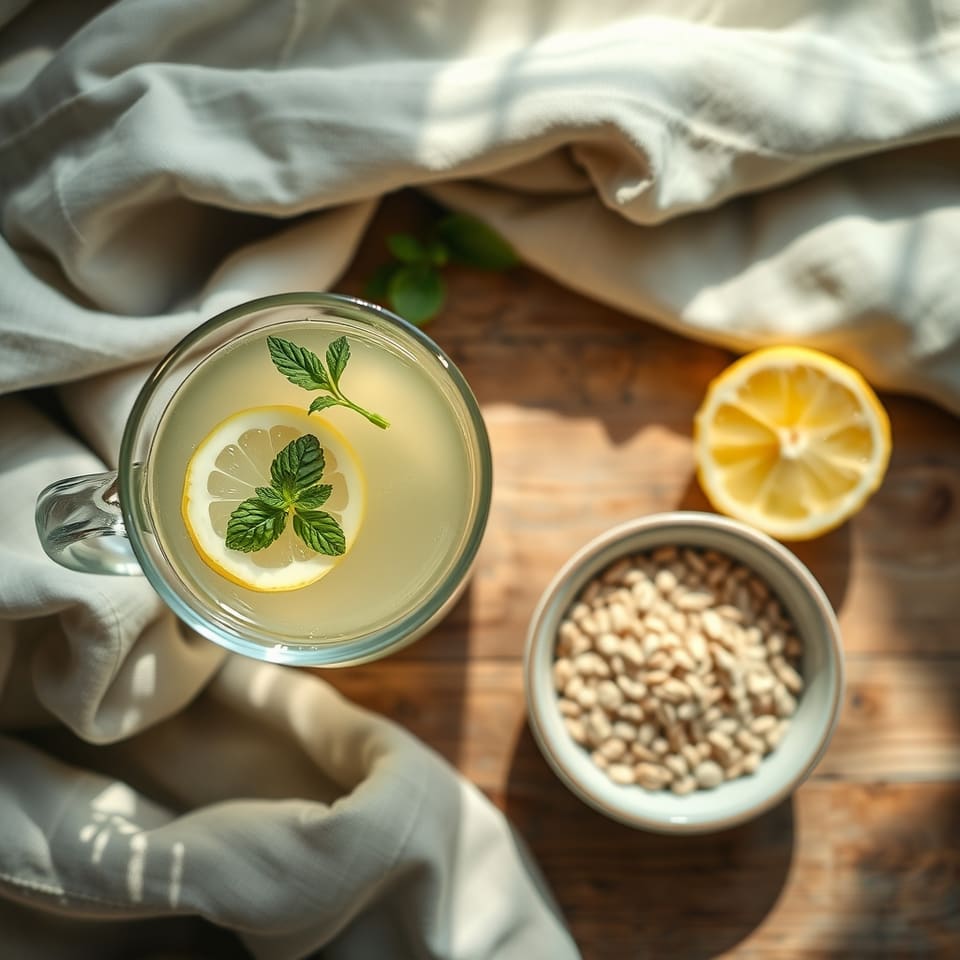
Peppermint is the surprise for many people. It is often thought of as a stomach soother, but Mayo Clinic lists peppermint among common reflux triggers. If mint tea after meals gives you heartburn, this may be why.
Caffeine is another common trigger, according to Mayo Clinic, and the NHS names coffee among the drinks to avoid if they bring on your symptoms. Strong black tea, green tea, matcha and other caffeinated teas may bother you for the same reason. Alcohol, chocolate and fatty or spicy foods are also on both lists.
Triggers are personal. A drink that gives one person heartburn may not bother another, so the NHS advice is to avoid the foods and drinks that trigger your own symptoms.
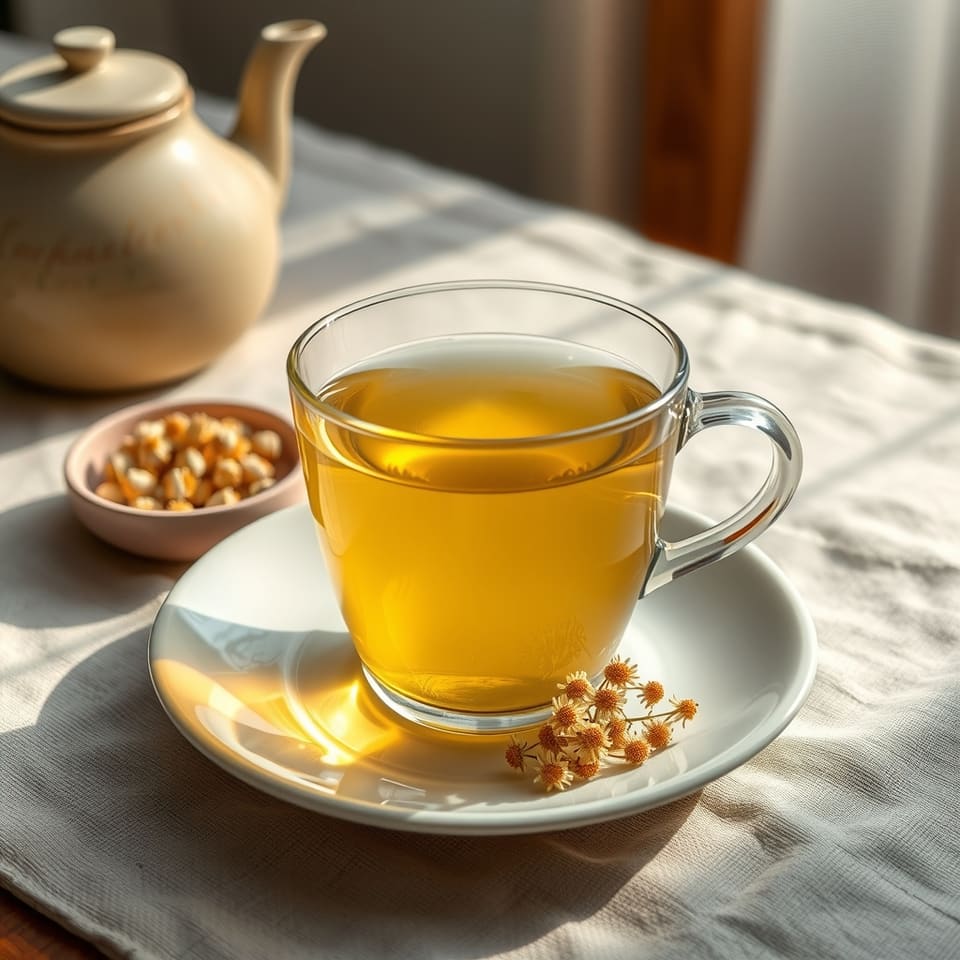
Mild Chamomile Cup for Evenings
You need
- water, freshly boiled and rested for a minute250 ml (1 cup)
- dried chamomile flowers, or 1 chamomile tea bag1 to 2 tsp
- honey, optional1/2 tsp
Method
- Put the chamomile in a cup or small teapot.
- Pour over the hot water, cover and steep for 5 minutes.
- Strain, and stir in honey if you like.
- Let it cool to a comfortable sipping temperature.
- Drink it at least 3 to 4 hours before you lie down for the night, as part of a light, early evening routine.
Tips
- Keep the cup small and sip it slowly rather than drinking a large mug in one go.
- Skip lemon if citrus seems to bother you. Notice what works for you and adjust.
- If you usually drink peppermint or black tea after dinner, try this swap for a week and see if you notice a difference.
Gentler choices to try
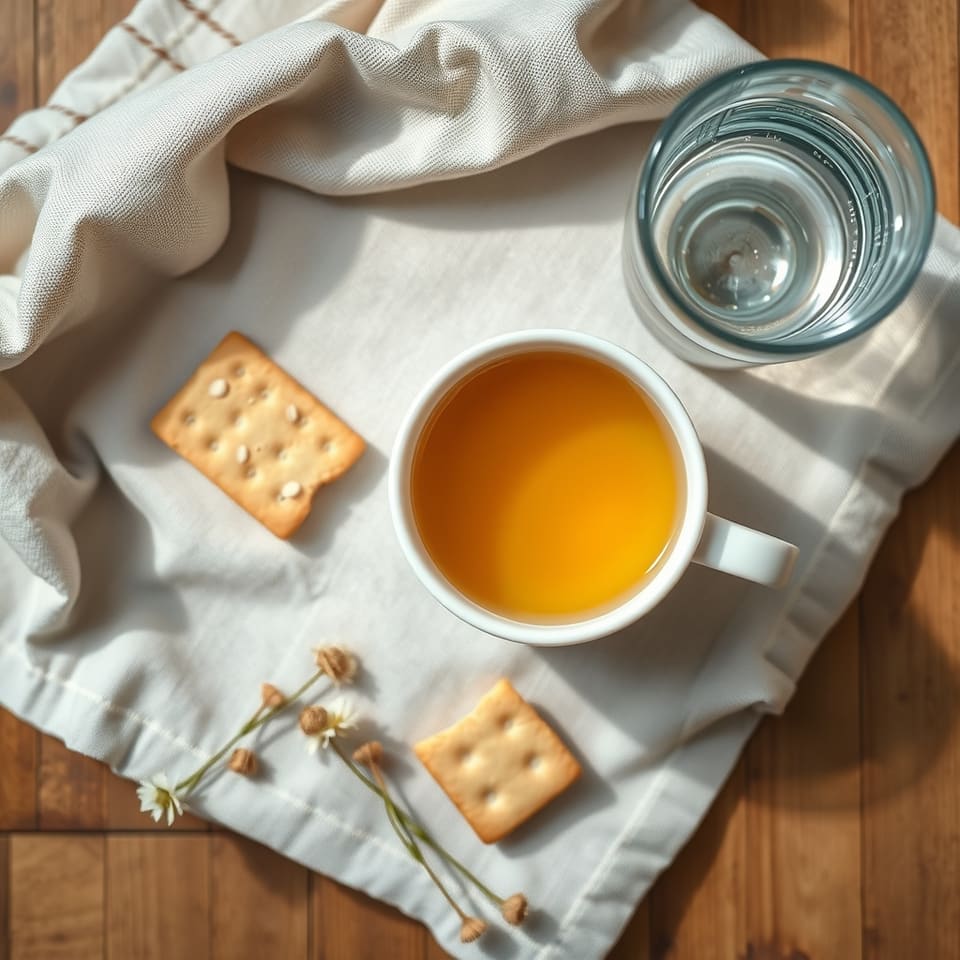
Mayo Clinic notes that chamomile, ginger and slippery elm are sometimes recommended for reflux. Of these, chamomile is the easiest to brew at home and is naturally caffeine free, which makes it a reasonable swap for an evening cup of black tea or mint tea.
Ginger is also on that list, but it has a hot, spicy taste. If you try it, keep it mild and stop if your heartburn feels worse.
Plain warm water, or a weak cup of a caffeine-free herbal tea you know agrees with you, can also be a simple swap. The most useful step is often removing a trigger rather than adding a remedy.
What the evidence says
The evidence for any tea treating reflux is weak. Mayo Clinic says that none of the herbs sometimes recommended for reflux has been proved to treat GERD or reverse damage to the esophagus. NCCIH says studies of chamomile for specific health problems, including the indigestion it is often promoted for, have not produced enough reliable evidence to judge whether it helps.
Daily habits have stronger support. The NHS suggests eating smaller, more frequent meals, not eating within 3 to 4 hours of bedtime, avoiding clothes that are tight around the waist, and raising the head of your bed by about 10 to 20 cm (4 to 8 inches). Mayo Clinic adds not lying down after a meal, eating slowly and stopping smoking. The NHS also notes that stress and anxiety can contribute, so finding ways to relax may help.
Questions people ask
Is peppermint tea good for acid reflux?
Usually not. Peppermint can be pleasant after a meal for some people, but Mayo Clinic lists it among common reflux triggers. If you have heartburn, try a caffeine-free alternative such as chamomile.
Can I still drink black or green tea?
Some people can, especially in small, weaker cups earlier in the day. Caffeine is a common trigger, so if your symptoms flare after tea, try cutting back and see if it helps.
Does chamomile tea cure reflux?
No. There is no good evidence that chamomile treats reflux. It is simply a gentle, caffeine-free drink that may be a better choice than a trigger drink.
Sources
This article is for general information only and is not medical advice. Herbs can interact with medicines and health conditions. Talk to a doctor or pharmacist before trying a herbal remedy, especially if you are pregnant, breastfeeding, giving it to a child, or taking any medication.