Rhodiola for Tiredness: What the Studies Show
Rhodiola root is popular for tiredness and stress. The evidence is thin, the studied form is an extract rather than tea, and constant fatigue deserves a doctor first.
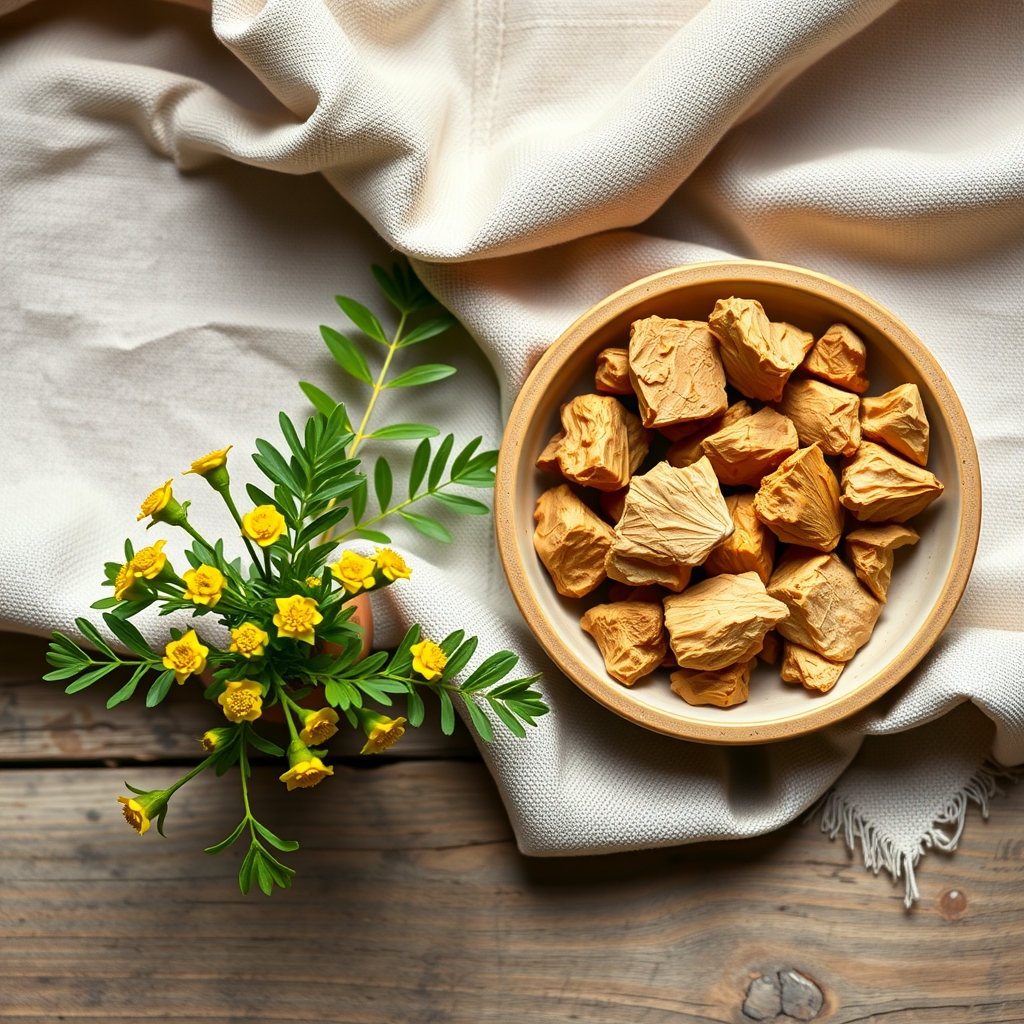
Rhodiola, also called rose root, golden root or arctic root, is a plant that grows in cold, high places in Europe, Asia and North America. It has been used for generations in Russia and Scandinavia for tiredness, endurance and work performance.
Today it is sold as a natural way to fight fatigue and stress. Before you try it, it helps to know how weak the evidence is, which form has actually been studied, and why ongoing tiredness should be checked by a doctor.
What the evidence says
NCCIH concludes there is not enough reliable evidence to say whether rhodiola is useful for any health purpose. Most human studies are of low to moderate quality.
Memorial Sloan Kettering Cancer Center notes that small human studies suggest possible benefits for physical endurance, mental performance, fatigue and stress, but that human data are limited and better-quality trials are needed.
The European Medicines Agency accepts rhodiola only as a traditional herbal medicine for short-term relief of stress symptoms such as fatigue and exhaustion. That status is based on long use, not on proof from clinical trials. The agency found the trials it reviewed had shortcomings.
Why tea is not the tested form
The rhodiola products the European Medicines Agency reviewed are dry extracts of the root made with alcohol and taken as tablets or capsules, at 144 to 400 mg a day. No herbal tea preparation is listed.
Rhodiola root tea is sold, but nobody knows how much of the active compounds a home cup contains, and it has not been tested for fatigue. That is why this guide does not give a tea recipe. If you are curious about rhodiola, talk with a doctor or pharmacist about whether a standardized product is appropriate for you.
Safety, side effects and interactions
NCCIH says rhodiola is possibly safe for up to 12 weeks. Reported side effects include dizziness, headache, trouble sleeping, and either dry mouth or extra saliva. The European monograph also lists nausea, stomach pain, diarrhea, rash and itching.
Sources differ on interactions. The European monograph found no clinically relevant interactions, but NCCIH reports an interaction with the blood-pressure medicine losartan, and MSKCC warns rhodiola may change how warfarin and the seizure medicine phenytoin work. MSKCC also describes a case of a fast, irregular heartbeat in a woman who took rhodiola with an antidepressant.
Because of this, check with your doctor or pharmacist before using rhodiola if you take any prescription medicine.
Before you try it: a simple checklist
Step 1. Ask yourself how long you have felt tired. The NHS advises seeing a GP if you have been tired for a few weeks without knowing why, or if it affects daily life.
Step 2. Rule out common causes with your doctor. The NHS lists poor sleep, stress, low mood, hormonal changes, iron deficiency anemia, thyroid problems, diabetes and sleep apnea among the causes of tiredness. A blood test may be needed.
Step 3. Look at sleep and habits first. Regular sleep times, 6 to 9 hours of sleep, regular activity, and avoiding caffeine in the two hours before bed are the NHS self-help basics.
Step 4. If you still want to try rhodiola, show the product to your pharmacist. The European guidance says to see a doctor if symptoms last more than 2 weeks while using it, or get worse.
Questions people ask
Does rhodiola work for tiredness?
The evidence is weak. Small studies suggest it might help with fatigue and stress, but NCCIH says there is not enough reliable evidence to know whether it is useful.
Can I make rhodiola tea instead of taking an extract?
Rhodiola tea is sold, but home tea has not been studied for fatigue and its strength is unknown. The products reviewed in Europe are standardized dry extracts.
How long can I take rhodiola?
NCCIH says it is possibly safe for up to 12 weeks. European guidance advises seeing a doctor if symptoms continue beyond 2 weeks of use.
Sources
- Rhodiola: Usefulness and Safety — NCCIH
- Rhodiola — Memorial Sloan Kettering Cancer Center
- European Union herbal monograph on Rhodiola rosea L., rhizoma et radix (Revision 1) — European Medicines Agency
- Tiredness and fatigue — NHS
This article is for general information only and is not medical advice. Herbs can interact with medicines and health conditions. Talk to a doctor or pharmacist before trying a herbal remedy, especially if you are pregnant, breastfeeding, giving it to a child, or taking any medication.