Do Houseplants Really Clean Indoor Air?
Houseplants are often sold as natural air purifiers. The research tells a more modest story: plants bring real pleasure to a room, but fresh air and fewer pollution sources do the heavy lifting.
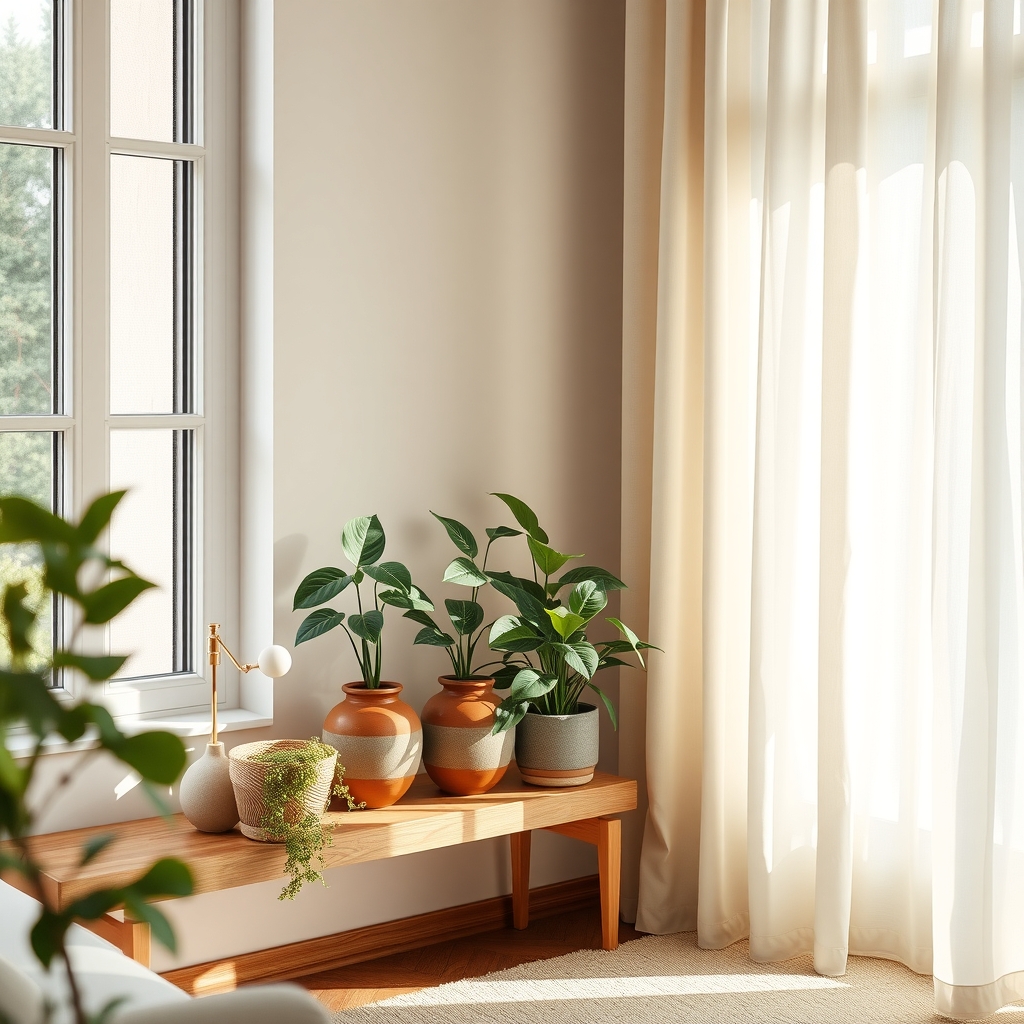
You have probably seen lists of the best houseplants to purify your home, often with a snake plant or a peace lily at the top. The idea is lovely: buy a few pots, and your living room quietly scrubs itself clean.
The trouble is that the science behind those lists comes from sealed lab boxes, not real homes. This guide explains where the claim started, what later research found, what genuinely improves the air you breathe indoors, and how to enjoy plants safely if you share your home with a cat or dog.
Where the idea came from
In 1989, NASA was looking for ways to keep the air clean on space stations. Its researchers reported that plants could remove certain chemicals from the air. The finding spread quickly and still shapes how houseplants are marketed today.
As Drexel University explains, that work and similar studies were done in small, sealed chambers. A sealed box is very different from a home or office, where air is constantly being swapped with the outdoors through doors, windows, gaps and ventilation systems.
What the evidence says
In 2019, two Drexel University engineers reviewed decades of plant studies and recalculated the results for real buildings. Their estimate: you would need roughly 100 to 1,000 plants per square meter of floor space to match the cleaning effect of a building's normal air handling, or of simply opening a couple of windows. That is a jungle, not a few pots on a shelf.
An archived page from the US Environmental Protection Agency puts it plainly: there is currently no evidence that a reasonable number of houseplants removes significant amounts of pollutants in homes and offices. The same page adds a practical warning. Overwatered plants can leave damp soil that encourages the growth of microorganisms, which can bother people with allergies.
So the honest answer is this: houseplants do not meaningfully clean the air in a normal home. They are still worth having if you enjoy them. Many people find that greenery makes a room feel calmer and more pleasant, and caring for plants can be a nice daily habit. Just do not rely on them instead of the steps below.
What actually helps your indoor air
The EPA describes three main approaches. The first, and usually the most effective, is source control: removing or reducing the things that pollute the air in the first place. The second is ventilation: bringing in more outdoor air. The third is air cleaners, which can help with particles but are generally not designed to remove gases.
In everyday life, that means opening doors and windows when the weather and outdoor air allow, and running the kitchen fan while you cook and the bathroom fan while you shower. It means making sure gas and other fuel-burning appliances are vented and checked, not smoking or vaping indoors, and using fewer strong cleaning sprays and scented products inside.
Moisture matters too. The EPA suggests keeping indoor humidity between 30 and 50 percent, using ventilation or a dehumidifier if needed, and fixing leaks quickly to keep mold from taking hold.
A simple fresh-air routine
1. Each morning, open two windows on opposite sides of your home for 5 to 10 minutes, if outdoor air and weather allow, to let a breeze move through.
2. Turn on the kitchen extractor fan every time you cook, and leave it running for a few minutes after you finish.
3. Run the bathroom fan or open the window during and after showers, and wipe down wet surfaces.
4. Store paints, solvents and strong cleaners tightly closed, and use them with the windows open.
5. Water your plants only when the top of the soil feels dry, and empty saucers so water does not sit and go stale.
Questions people ask
Did NASA prove that plants clean the air?
NASA's 1989 work found that plants removed some chemicals in small sealed chambers. Later analysis showed those results do not translate to real homes, where normal air exchange removes pollutants far faster than plants can.
Are some plants better than others for air quality?
In a normal home, the difference between plants is not meaningful for air quality, because no reasonable number of any plant has been shown to clean indoor air. Choose plants you enjoy and that are safe for your household and pets.
So should I get rid of my houseplants?
Not at all. Plants can make a home feel more pleasant. Keep them watered sensibly, check they are safe for pets, and rely on fresh air and fewer pollution sources for cleaner indoor air.
Sources
- Study: Actually, Potted Plants Don't Improve Air Quality — Drexel University
- Improving Indoor Air Quality (archived January 2021) — US Environmental Protection Agency
- Improving Your Indoor Environment — US Environmental Protection Agency
- Toxic and Non-Toxic Plants — ASPCA
This article is for general information only and is not medical advice. Herbs can interact with medicines and health conditions. Talk to a doctor or pharmacist before trying a herbal remedy, especially if you are pregnant, breastfeeding, giving it to a child, or taking any medication.