Tea for Anxiety: What Is True and When to Get Help
A warm cup of herbal tea can be a calming pause in a stressful day. But tea is not a treatment for anxiety. Here is what the research really shows, which herbs need care, and when it is time to talk to someone.
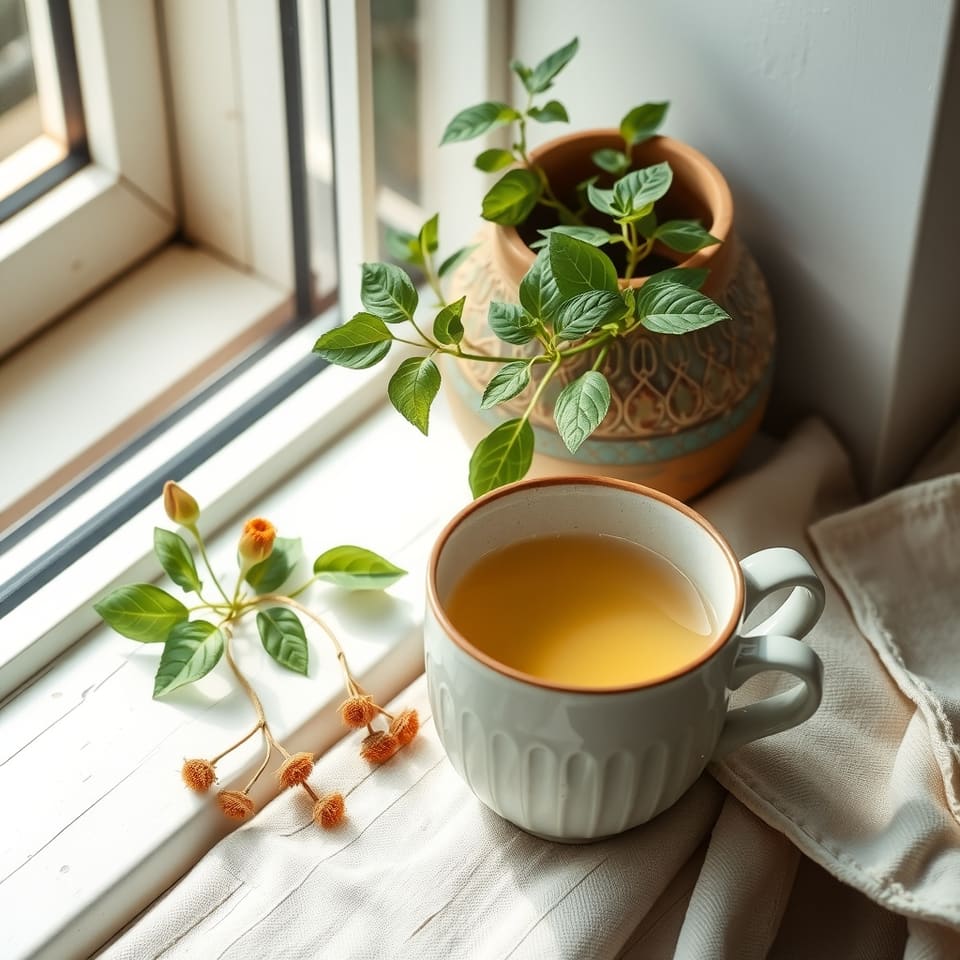
Around the world, people reach for a cup of something warm when they feel tense. In much of Europe it is chamomile or lemon balm, in other places it may be a local herb passed down through the family. The ritual itself, stopping, boiling water and sitting down, can feel calming.
It is fair to ask whether the herbs do anything more. The honest answer is that a few have small, early studies behind them, but no tea treats an anxiety disorder. If worry or panic is affecting your daily life, talking to a professional matters far more than what is in your cup.
Everyday stress or something more?
Everyone feels worried sometimes. Anxiety becomes a health problem when it is hard to control, lasts a long time, or gets in the way of work, sleep or relationships. Generalized anxiety disorder and panic disorder are recognized health conditions, and help is available.
The NHS recommends seeing a doctor if you think you may have generalized anxiety disorder, or if you have a diagnosis and your treatment is not helping. Talking therapies such as cognitive behavioral therapy are a main treatment, and in some countries, including the UK, adults can refer themselves directly.
Chamomile and Lemon Balm Pause
You need
- water, freshly boiled250 ml (1 cup)
- dried chamomile flowers, or 1 chamomile tea bag1 tsp
- dried lemon balm, or 5 to 6 fresh leaves, torn1 tsp
- slice of lemon, optional1 thin
Method
- Put the chamomile and lemon balm in a cup or small teapot.
- Pour over the hot water, cover and steep for 5 to 7 minutes.
- Strain and add the lemon slice if you like.
- While it cools, sit somewhere quiet and take a few slow breaths, breathing out a little longer than you breathe in.
- Sip slowly, without your phone or screen if you can.
Tips
- The pause is part of the recipe. Use the steeping time as a short break rather than drinking on the go.
- Fresh lemon balm grows easily in a pot and smells strongly of lemon when you rub the leaves.
- Choose this cup instead of a late coffee or energy drink, not in addition to one.
Herbal teas people use, and what to know
Chamomile is the best-known calming tea. NCCIH reports that two studies it funded suggest a chamomile supplement might help generalized anxiety disorder, but the findings are preliminary. Those studies used supplements, not a cup of tea.
Lemon balm is a lemon-scented member of the mint family. Mayo Clinic says small studies suggest it may ease worry and excitability, and it is usually well tolerated for short-term use, though it can cause nausea or belly pain.
Passionflower has a few small clinical trials suggesting it might help with anxiety, according to Mayo Clinic. It can cause sleepiness, dizziness and confusion, so do not drive after drinking it until you know how it affects you.
Kava is one herb to avoid. NCCIH notes kava may have a small effect on anxiety, but its use has been linked to a risk of severe liver damage.
What the evidence says
Overall, the evidence is limited. NCCIH describes results for chamomile and oral lavender as promising but not conclusive, mainly because studies are small. Mayo Clinic calls the results for valerian mixed. Most studies tested capsules or extracts, so they do not tell us what a cup of tea can do.
Some non-herbal steps have better support. NCCIH says relaxation techniques, meditation and yoga may help reduce anxiety for some people, and that cognitive behavioral therapy may be more helpful for some anxiety disorders. The NHS suggests regular exercise, calming breathing, enough sleep, regular meals and talking to someone you trust.
One cup matters in the other direction too. The NHS advises not drinking lots of coffee, tea, cola or energy drinks, because caffeine can disrupt sleep and make anxiety harder to control. Swapping an afternoon coffee or black tea for a caffeine-free herbal cup is a sensible, low-risk change.
Questions people ask
Which tea is best for anxiety?
No tea is proven to treat anxiety. Chamomile and lemon balm have the most gentle reputations and some small studies, so they are reasonable caffeine-free choices if they suit you, alongside proper support.
Can I drink calming tea with my anxiety medicine?
Ask your doctor or pharmacist first. Some herbs can add to the drowsiness caused by medicines, and chamomile can interact with some drugs, including warfarin.
Does cutting out caffeine help anxiety?
It may help some people. The NHS advises not drinking lots of coffee, tea, cola or energy drinks, because caffeine can disrupt sleep and make anxiety harder to control. Cut down gradually.
Sources
This article is for general information only and is not medical advice. Herbs can interact with medicines and health conditions. Talk to a doctor or pharmacist before trying a herbal remedy, especially if you are pregnant, breastfeeding, giving it to a child, or taking any medication.