Salep Drink: A Winter Classic and the Wild Orchids
Thick, sweet and dusted with cinnamon, salep has warmed winter streets from Istanbul to Athens to old London. But the real thing is made from orchid tubers, and that has a cost. Here is the story, the problem, and an orchid-free version to make at home.
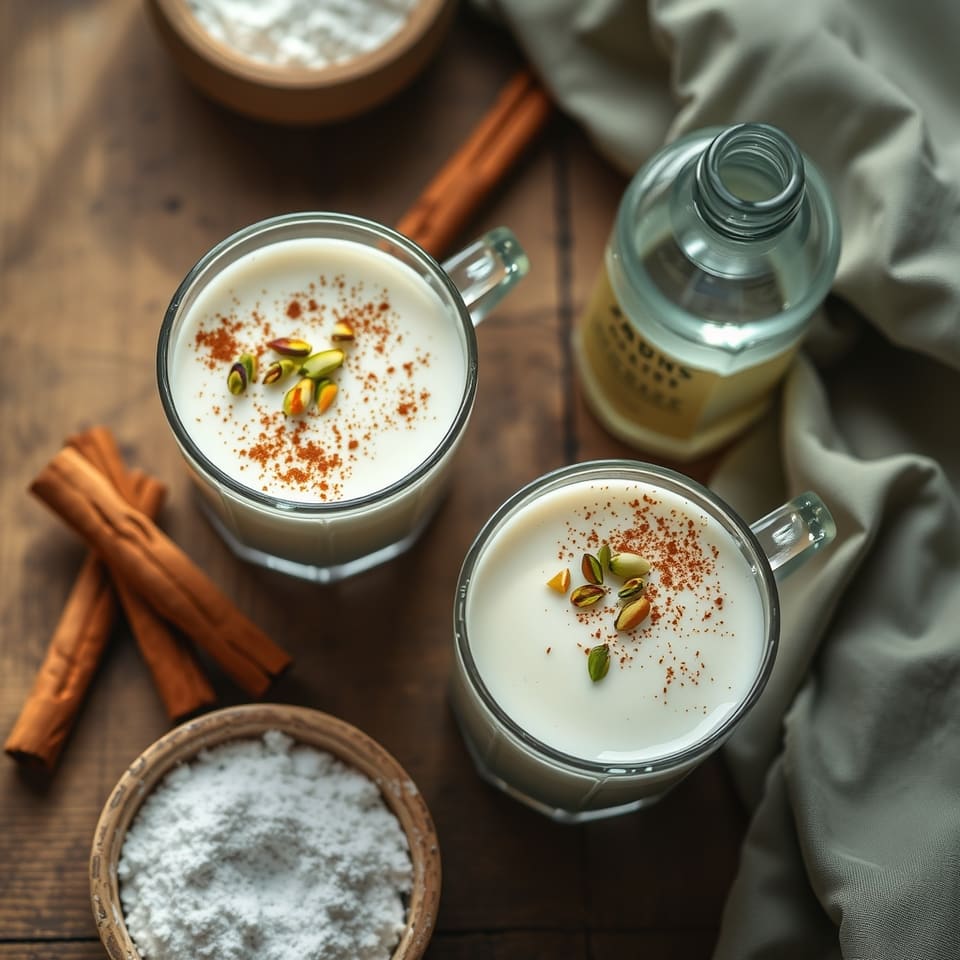
On a cold evening in Istanbul, Cairo or Thessaloniki, you may still find someone selling a thick, steaming, milky drink topped with cinnamon. It is called salep, sahlab or salepi depending on where you are, and its silky texture comes from a surprising ingredient: the dried, ground tubers of wild orchids.
Salep is a lovely winter tradition. It is also one that puts pressure on wild orchids in several countries. You do not have to give up the drink, but it is worth knowing where the powder comes from and what you can use instead.
What salep is
The University of Washington's Miller Library describes sahlab as a warm drink made from dried, powdered orchid roots and milk. It is often sweetened, flavored with rose water, and topped with cinnamon and chopped pistachios. The powder thickens the milk into something between a drink and a pudding.
The drink has traveled far. It is sahlab in much of the Middle East and salep in Turkey, and in Greece and Cyprus it is known as salepi. In 18th-century England a version called saloop was sold by street vendors as a cheaper alternative to tea and coffee.
Orchid-Free Salep-Style Winter Drink
You need
- whole milk, or a creamy oat drink500 ml (2 cups)
- cornstarch or fine rice flour2 tbsp
- sugar, or to taste2 tbsp
- rose water, or a strip of orange peel1/2 tsp
- ground cinnamon, preferably Ceylon, to finish1 pinch
- unsalted pistachios, finely chopped, optional1 tbsp
Method
- Whisk the cornstarch and sugar into about 100 ml (scant 1/2 cup) of the cold milk until completely smooth.
- Heat the rest of the milk in a small pan over medium heat until steaming. If you use orange peel, add it now.
- Pour in the starch mixture while whisking. Keep stirring over low to medium heat for 4 to 6 minutes, until the drink thickens and coats the back of a spoon.
- Take it off the heat, remove any peel and stir in the rose water.
- Pour into cups, dust with cinnamon and scatter with pistachios. Let it cool for a few minutes before sipping, because thick drinks hold their heat.
Tips
- If you have sustainably sourced salep powder, use it instead of the cornstarch and follow the amount on the packet, as strengths vary.
- For a thicker, spoonable version, use 3 tablespoons of cornstarch.
- Whisk well and keep the heat moderate. Starch drinks stick and catch on the bottom of the pan if left alone.
Why wild orchids pay the price
Salep tubers come from ground-dwelling orchids. The Miller Library lists Orchis mascula, Orchis militaris and Anacamptis morio as sources in Greece and Turkey, along with Dactylorhiza and Ophrys species. It points to conservation concerns for some orchids, including species harvested for salep, and calls wild harvesting problematic from a conservation standpoint.
International law reflects the problem. The Miller Library notes that the CITES convention restricts the import of all orchids, partly because the species are hard to tell apart, and suggests this may be one reason real salep powder is scarce outside the countries where it is made.
How to enjoy salep more responsibly
Never dig up wild orchids yourself, for salep or for the garden. Wild harvesting is a conservation problem, and trade in orchids is restricted by international rules.
If you want the real thing, the Miller Library suggests buying prepared powder from sustainable sources rather than harvesting your own, and notes that salep can be produced sustainably from orchid species that can be cultivated. Ask the seller where the tubers come from. If they cannot say, think twice.
The easiest option is to skip orchids altogether. A spoonful of cornstarch or rice flour thickens milk into a very similar silky drink, and the rose water, cinnamon and pistachios carry most of the flavor anyway.
What the evidence says
Over the centuries salep has been sold as a medicine and an aphrodisiac. In England the paired tubers were even nicknamed dogstones because of their shape. The Miller Library quotes the English herbalist John Parkinson, who complained in 1640 that pharmacists treated every sort of orchid root as an aphrodisiac. There is no good evidence for any of these claims.
Treat salep as what it is: a comforting, sweet milk drink. Its value is warmth, texture and tradition, and an orchid-free version gives you all three.
Questions people ask
Is salep powder made from orchids?
Real salep is made from the dried, ground tubers of certain orchids. Read the ingredients on any instant mix, because blends differ, and ask the seller what is inside.
Is it legal to buy salep?
It depends on the country and the source. CITES restricts the import of all orchids, which may be one reason pure salep is hard to find abroad. Buy only from sellers who can explain their source.
What is the best substitute for salep?
Cornstarch is the easiest. Rice flour gives a slightly softer, more milky texture. Both make a drink very close to the original.
Sources
- Sahlab and other edible orchids — Elisabeth C. Miller Library, University of Washington
- Cinnamon: Usefulness and Safety — NCCIH
This article is for general information only and is not medical advice. Herbs can interact with medicines and health conditions. Talk to a doctor or pharmacist before trying a herbal remedy, especially if you are pregnant, breastfeeding, giving it to a child, or taking any medication.