Homemade Ginger Beer: A Safe Ginger Bug Method
A jar of grated ginger, sugar and water slowly turns into a lively starter that makes real, naturally fizzy ginger beer. Here is the method, plus the two things to respect: a trace of alcohol and the pressure inside the bottle.
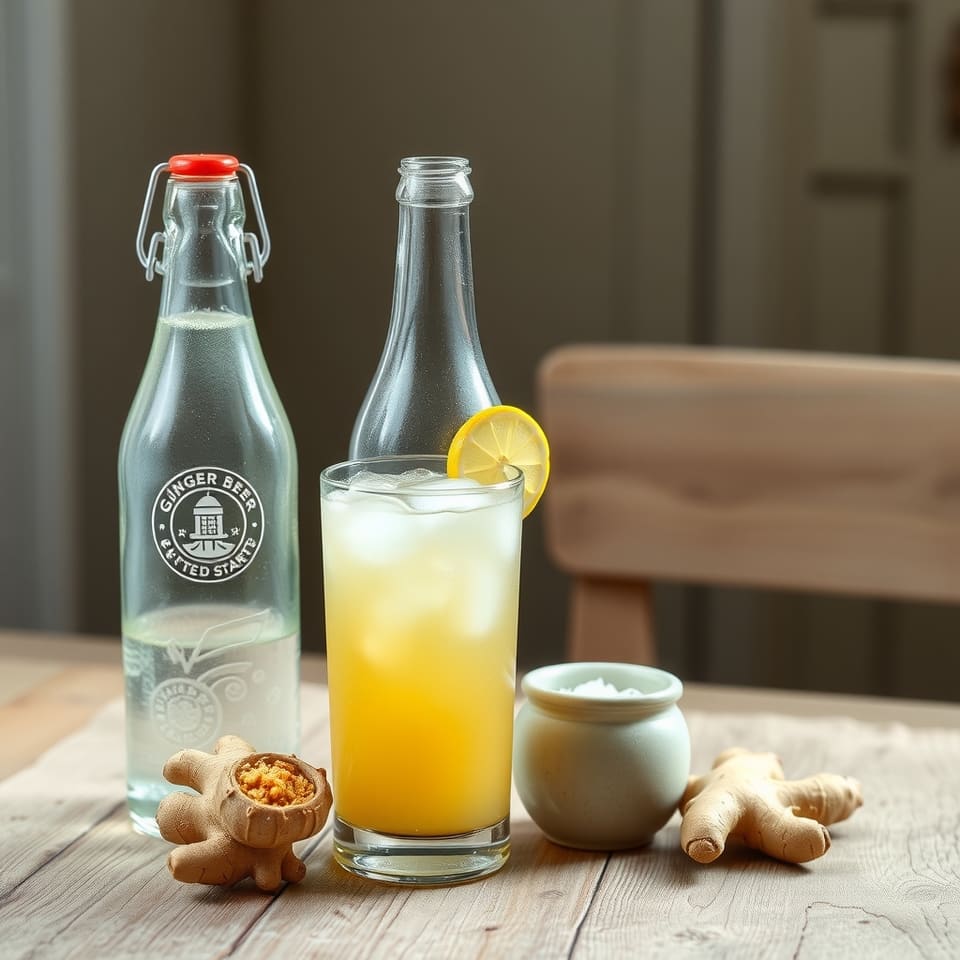
Most ginger beer on shop shelves today is simply flavored, carbonated water. The older kind is brewed. Live yeasts and bacteria eat sugar and make the bubbles themselves, which gives a drier, spicier and more complex drink.
You can do this at home with fresh ginger, sugar, lemon and water. It takes about a week to grow a starter, called a ginger bug, then a day or two in the bottle. It is easy, but it is a real fermentation, so it helps to understand what is happening in the jar.
A drink with a long history
Ginger beer grew out of the weak, home-brewed small beers people drank across Europe for centuries. Ginger and sugarcane, both native to South Asia, traveled through the spice trade and were later grown on Caribbean plantations, where Jamaican ginger became especially prized. From the 1700s, ginger beer was popular in Britain and North America.
Early versions were much stronger than today's. A Michigan State University history notes that before the mid-1800s some ginger beer reached about 11 percent alcohol, until a British tax on stronger exported drinks pushed brewers to ferment for a shorter time. It was sold in sturdy stoneware bottles, wired and corked shut to hold the fizz.
Ginger Bug Ginger Beer
You need
- see steps 1 and 2Ginger bug
- fresh ginger, finely grated, skin on, for the bug2 tbsp plus 1 tbsp a day
- white sugar, for the bug2 tbsp plus 1 tbsp a day
- water, for the bug250 ml (1 cup)
- water, for the ginger beer1.5 liters (6 cups)
- fresh ginger, grated60 g (2 oz)
- sugar150 g (3/4 cup)
- lemons, juiced2
- strained, bubbly ginger bug liquid125 ml (1/2 cup)
Method
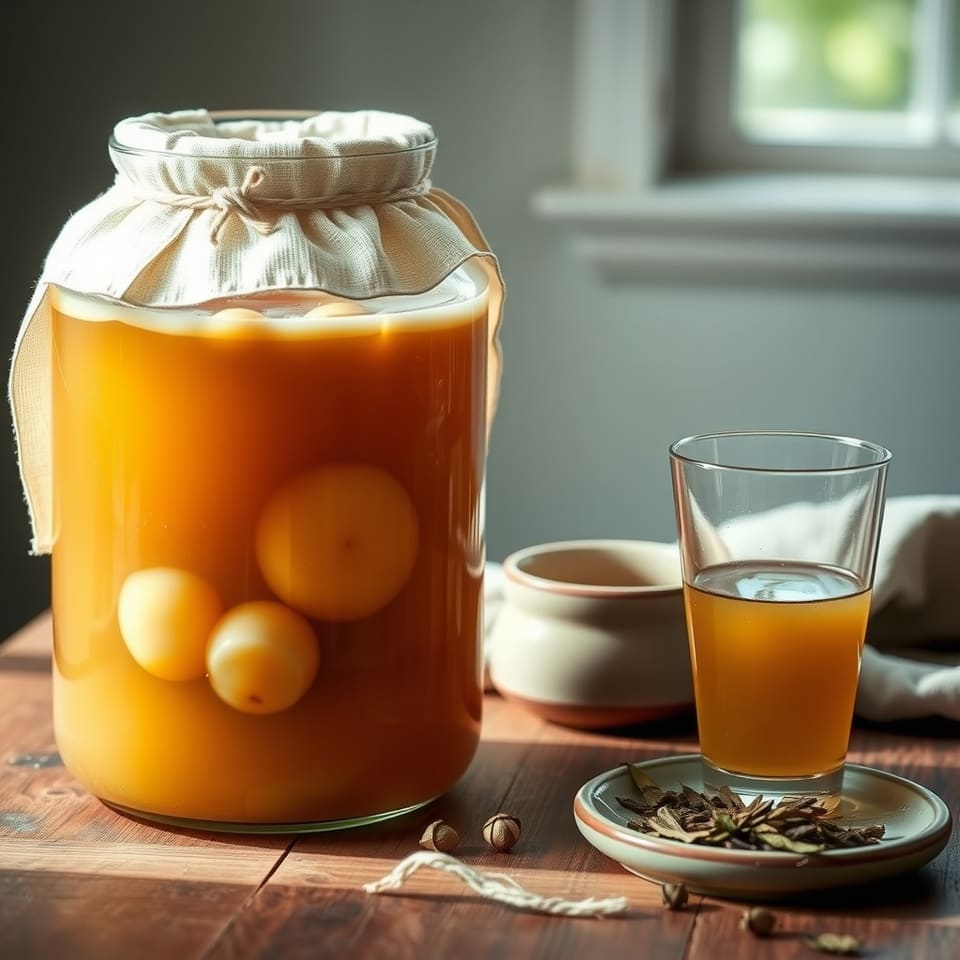
- Make the bug: stir 2 tbsp grated ginger and 2 tbsp sugar into 250 ml (1 cup) water in a clean glass jar. Cover with a clean cloth and a rubber band and leave at room temperature.
- Every day for 3 to 7 days, stir in 1 tbsp grated ginger and 1 tbsp sugar. It is ready when it fizzes when stirred and smells pleasantly yeasty. Throw it away if you see fuzzy mold or it smells rotten.
- Make the base: simmer the 60 g (2 oz) ginger in 500 ml (2 cups) of the water for 10 minutes. Stir in the sugar until dissolved, then add the remaining 1 liter (4 cups) of cold water.
- Let the base cool fully to room temperature, then strain it and stir in the lemon juice and the strained ginger bug liquid.
- Pour into clean plastic soda bottles with screw caps, leaving about 3 cm (1 inch) of space at the top. Plastic lets you feel the pressure.
- Leave at room temperature for 1 to 3 days, squeezing a bottle every morning and evening. When it feels hard and no longer dents, move all bottles to the fridge.
- Open slowly over the sink, a little at a time, and drink within about a week.
Tips
- Keep feeding the leftover bug with ginger and sugar to start your next batch.
- If you prefer glass bottles, fill one plastic bottle from the same batch as a pressure gauge, and chill the whole batch when that one turns hard.
What a ginger bug is
A ginger bug is a wild starter. You mix grated ginger, sugar and water, then feed it a little more of each every day. The yeasts and bacteria that are naturally on the ginger begin to multiply, and after several days the jar turns bubbly and the ginger floats to the top.
The traditional ginger beer plant is a related idea: a living mix of yeast and bacteria that eats sugar and gives off carbon dioxide and a little alcohol. Either way, the bubbles come from living microbes.
What the evidence says
Homemade ginger beer has hardly been studied, so we know less than you might hope. One small Oregon State University study analyzed several batches made with a ginger bug. Alcohol ranged from none to about 0.65 percent, close to the level of a nonalcoholic beer, and some batches reached 0.3 percent within a week. No clearly harmful bacteria were found, but the author noted that contamination is easy outside a sterile lab.
The bigger practical risk is pressure. As long as live yeast has sugar to eat, it keeps making carbon dioxide inside a sealed bottle. A Cornell University brewing article describes how unwanted extra fermentation in beer bottles can cause gushing and even exploding containers. Glass bottles under too much pressure can shatter, so the method below uses a simple way to keep track.
As for ginger itself, NCCIH says research suggests it may help nausea in pregnancy, but most of that research used supplements rather than drinks. Enjoy ginger beer as a treat, not as a remedy.
Questions people ask
Is homemade ginger beer alcoholic?
Usually only slightly. In one small study, batches ranged from no alcohol to about 0.65 percent. In that study, alcohol rose with longer fermentation, so treat it as not alcohol free.
What is the difference between ginger beer and ginger ale?
Traditional ginger beer is fermented by live microbes. Ginger ale is usually carbonated water with ginger flavor and sweetener, and is milder and sweeter.
My ginger bug is not bubbling. What now?
Move it somewhere warmer and keep feeding it for a few more days. If it smells rotten or grows fuzzy mold, start again.
Sources
- Thirsty Throwback Thursday: A History of Ginger Beer — Michigan State University Archaeology
- Analysis of the Microbiome of Homebrewed Ginger Beer — Oregon State University
- The Mysterious Case of Exploding Beer: A Tale of Diastatic Yeasts — Cornell University
- Ginger: Usefulness and Safety — NCCIH
This article is for general information only and is not medical advice. Herbs can interact with medicines and health conditions. Talk to a doctor or pharmacist before trying a herbal remedy, especially if you are pregnant, breastfeeding, giving it to a child, or taking any medication.