Tea Garden Plants: 6 Herbs to Grow for Your Cup
A few pots or a small sunny bed can keep you in fresh herbal tea for most of the year. These six plants are easy to grow, smell wonderful and taste good in a cup.
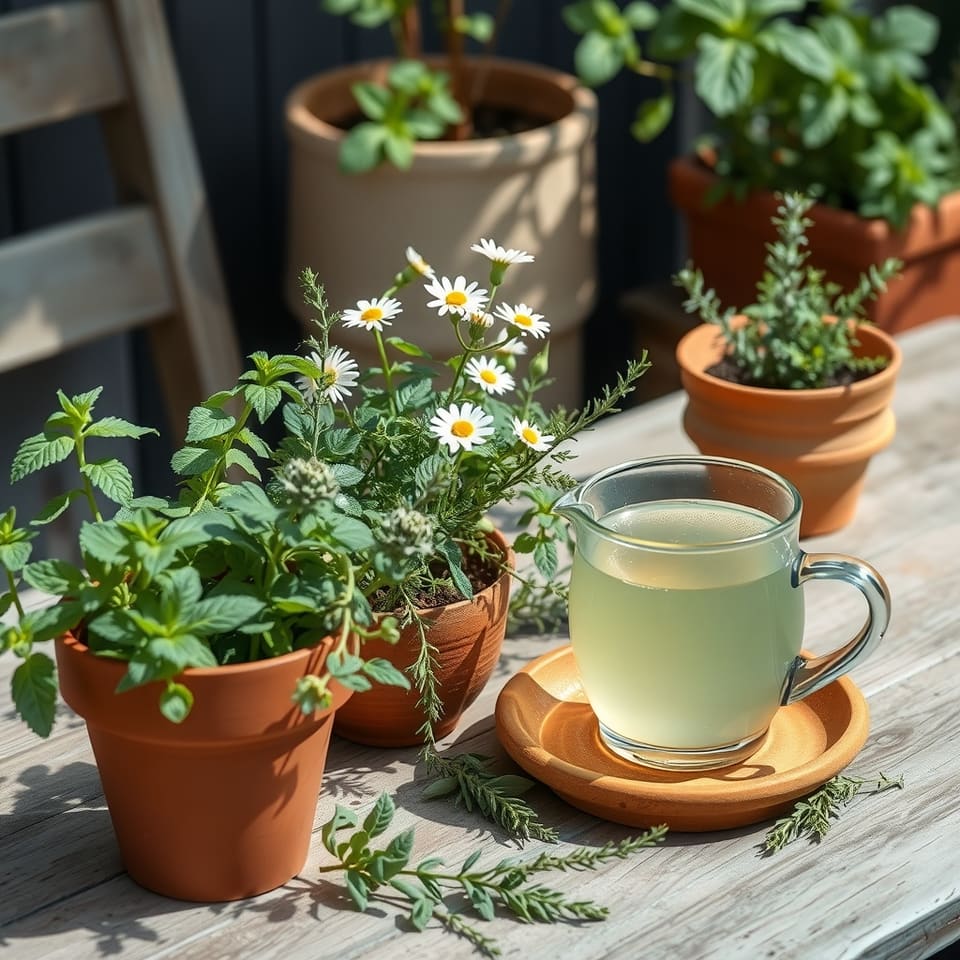
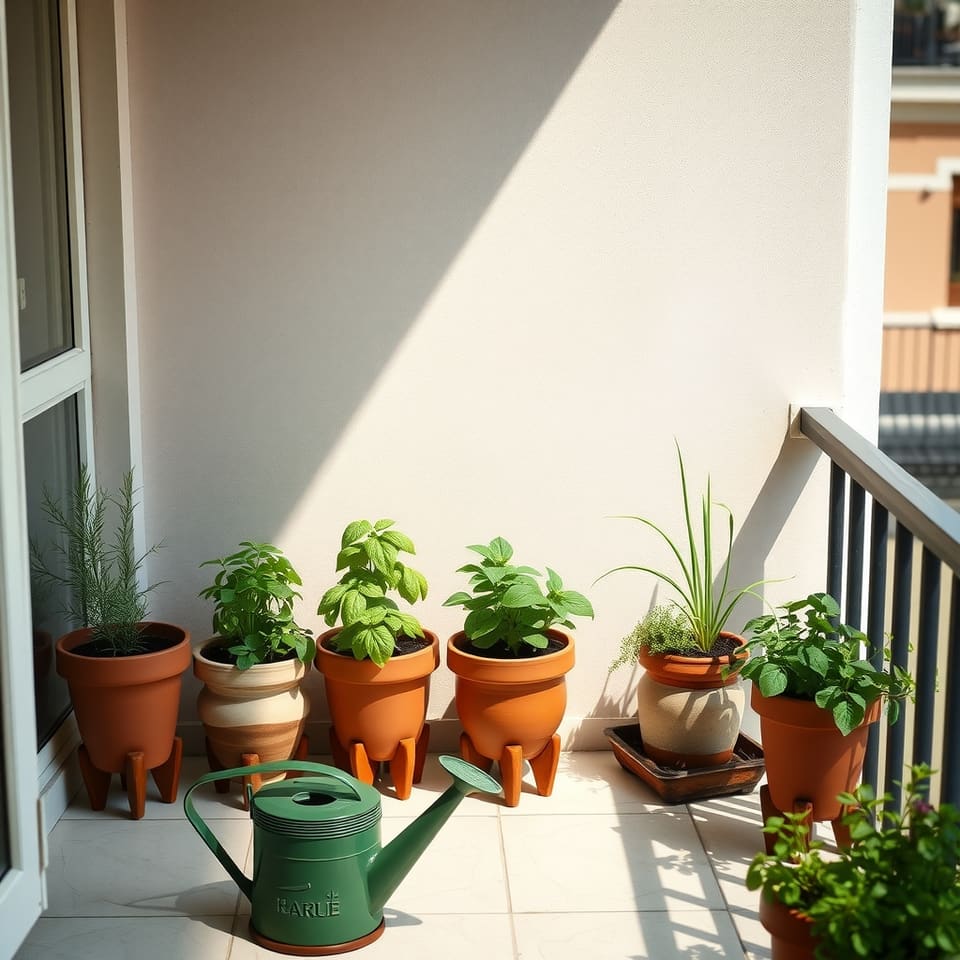
Herbal tea is part of daily life in many places, from fresh mint tea in North Africa to chamomile in Europe and lemon verbena in Mediterranean kitchens. The good news is that you do not need much space. Most tea herbs grow happily in containers on a balcony or by the back door.
Here are six reliable plants, what each brings to the cup, and how to keep them productive. All of them can be used fresh or dried.
The six plants
Mint, peppermint or spearmint. The classic tea herb, cool and refreshing. Clemson University's Home and Garden Information Center advises keeping mint in its own pot or contained bed, and Oregon State University Extension calls it an aggressive spreader.
Lemon balm. Soft leaves with a gentle lemon flavor, lovely hot or iced. Clemson notes it can be started from seed, and Oregon State warns that, like mint, it spreads aggressively, so a pot is wise.
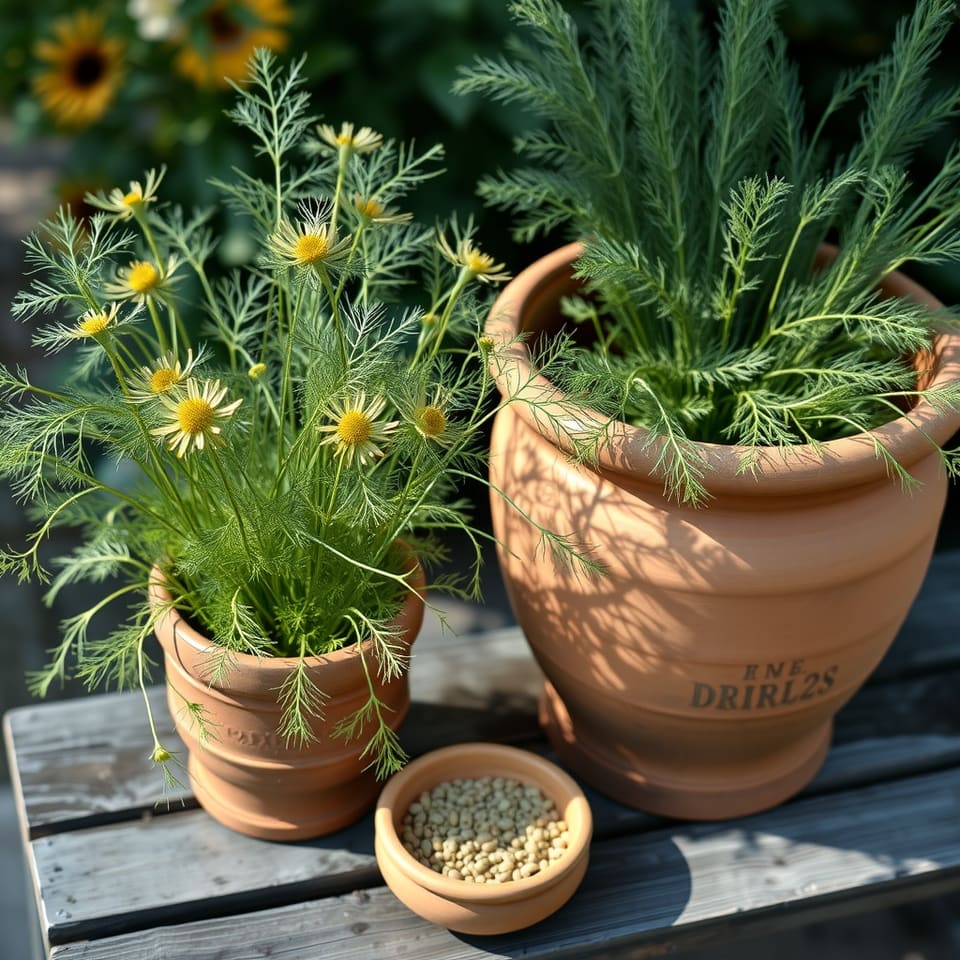
German chamomile. Small daisy-like flowers with an apple-honey scent. You use the flowers, not the leaves. Clemson says it can be started from seed and prefers lower, steady moisture once established.
Lemon verbena. A shrubby perennial with the strongest lemon scent of all. A few leaves flavor a whole pot.
Thyme and rosemary. Both are better known in the kitchen, but Oregon State lists them among leaves you can use for tea. They have a warm, savory flavor and mix well with lemon herbs or a little honey.
Fresh Garden Tea
You need
- fresh herb leaves, loosely packed, such as mint, lemon balm and a few lemon verbena leaves2 to 4 tbsp
- thyme, optional1 small sprig
- water, just boiled300 ml (1 1/4 cups)
- honey, optional (not for babies under 12 months)1 tsp
Method
- Wash your hands, then rinse the fresh herbs under running water and shake them dry.
- Bruise the leaves lightly between your fingers and put them in a mug or teapot.
- Pour over the hot water to cover the herbs and steep for 10 minutes. Steep for up to 15 minutes for a stronger cup.
- Strain, sweeten if you like, and drink warm or let it cool and serve over ice.
- Refrigerate any leftover tea within 2 hours.
Tips
- Dried herbs are stronger: use 1 to 2 tbsp dried instead of fresh.
- For chamomile tea, use the flower heads, fresh or dried, rather than the leaves.
- Lemon balm and lavender flowers make a pretty iced tea, as Clemson suggests.
Growing and harvesting
Clemson notes that most tea herbs prefer full sun, at least six hours a day, and well-draining soil, and that many do well in pots and raised beds. Group plants with similar water needs, and check the soil 2.5 to 5 cm (1 to 2 inches) down before watering.
You can sow seeds outdoors after frost or start them indoors 4 to 6 weeks before your last frost, or simply buy young plants. Pick little and often, but never take more than one third of a plant at once. Harvest in the early morning once the dew has dried, and avoid picking wet plants.
To keep herbs for winter, dry them in a dehydrator or an oven on its lowest setting, then store the dried leaves in an airtight container.
What the evidence says
Grow these plants for flavor and pleasure, not as medicine. NCCIH says chamomile tea is likely safe in the amounts found in teas and foods, but there is not enough evidence to judge whether it helps most of the conditions it is used for, and information on sleep is very limited. For peppermint, NCCIH says the tea appears to be safe but there is not enough evidence to say whether the leaf helps any health condition. Most peppermint research has been on the oil, not the tea.
There are real cautions too. NCCIH notes that people allergic to ragweed, chrysanthemums, marigolds or daisies are more likely to react to chamomile, and that interactions have been reported with warfarin. Peppermint oil can cause heartburn.
Questions people ask
Can I grow a tea garden in pots?
Yes. Most tea herbs do well in containers, and mint and lemon balm are actually better kept in pots so they do not take over.
Is fresh or dried better for tea?
Both work. Fresh leaves give a lighter, greener cup. Dried leaves are stronger, so you need less.
Which part of chamomile do I use?
The small white and yellow flower heads, not the leaves. Pick them on a dry morning and use them fresh or dry them for later.
Sources
- Planting an Herbal Tea Garden in South Carolina — Clemson Cooperative Extension, Home and Garden Information Center
- Garden Herbal Tea — Oregon State University Extension Service
- Chamomile: Usefulness and Safety — NCCIH
- Peppermint Oil: Usefulness and Safety — NCCIH
This article is for general information only and is not medical advice. Herbs can interact with medicines and health conditions. Talk to a doctor or pharmacist before trying a herbal remedy, especially if you are pregnant, breastfeeding, giving it to a child, or taking any medication.