Pilates for Weight Loss: Why Walking Belongs in the Plan
Pilates builds strength and control, and small studies suggest it may help with modest weight loss. Paired with walking and steady changes to what you eat, it becomes part of a plan you can keep.
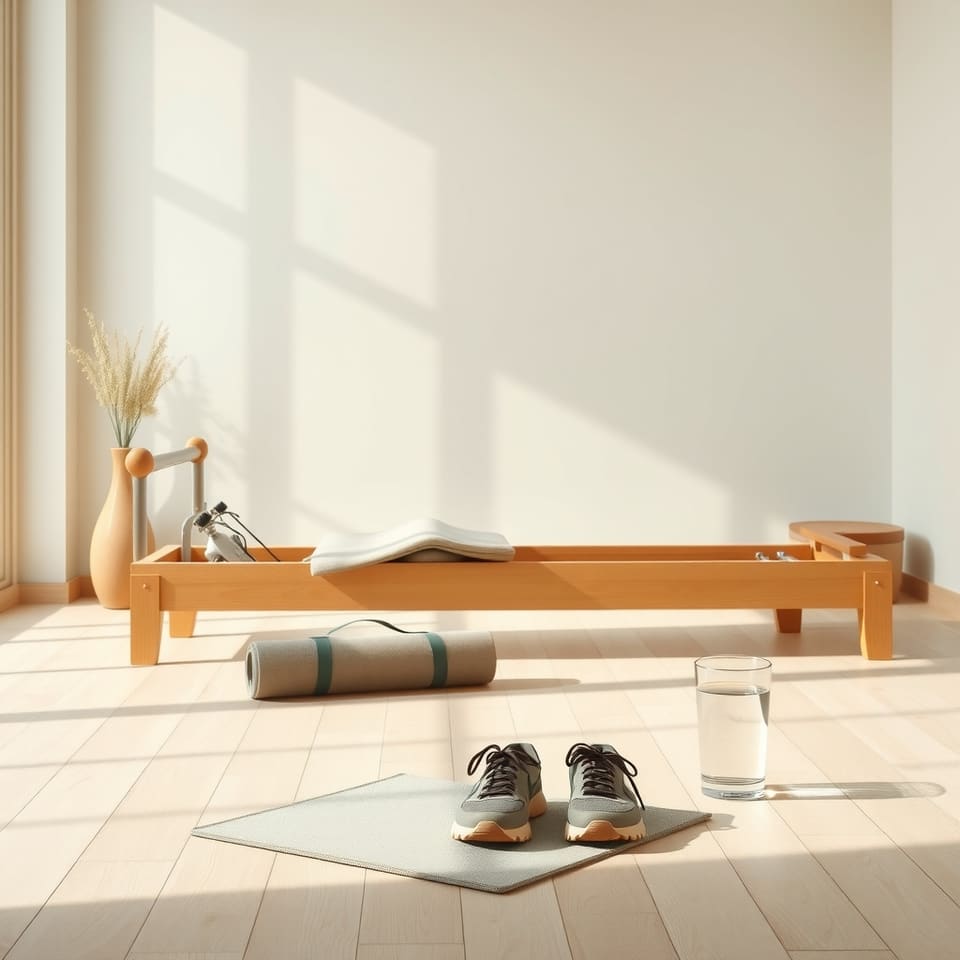
Many people book their first Pilates class hoping it will help them lose weight. It is a fair question, and it deserves an honest answer rather than a promise.
Pilates is a form of exercise built on slow, controlled movements and breathing, done on a mat or on a reformer machine. It is very good at some things and more modest at others. Here is what it can realistically do for your weight, why a daily walk is such a good partner for it, and how to put both together in a week.
What Pilates does well
Mayo Clinic describes Pilates as an accessible way to build strength in your core muscles, which supports better posture, balance and flexibility. It can be scaled down to gentle strength and stability work, or made demanding enough to challenge an experienced athlete.
That matters for weight management in an indirect way. Mayo Clinic advises working all the major muscle groups at least twice a week as part of a healthy activity routine. A well-planned Pilates session, especially on a reformer with springs for resistance, can be one way to do that. Feeling stronger and moving more comfortably also makes it easier to stay active on other days.
What the evidence says
A 2021 review in Frontiers in Physiology pooled 11 small randomized trials with 393 adults living with overweight or obesity. People who did Pilates lost on average about 2.4 kg (5 lb) more than people who did not, and their body fat percentage also fell. The effect on weight showed up in programs longer than 10 weeks, not in shorter ones. The authors rated the quality of the evidence as low to moderate and called for larger, better-designed trials.
The bigger picture comes from general weight research. Mayo Clinic states that diet affects weight loss more than physical activity does, while physical activity has a stronger effect on keeping weight from coming back afterwards. How many calories you burn depends on the type of exercise, how hard you work and how much you weigh.
So the honest summary is this: Pilates may help a little on its own, it is excellent for strength and control, and real weight change comes from your overall balance of food and movement over months.
Why walking belongs in the plan
Mayo Clinic recommends at least 150 minutes a week of moderate aerobic activity, such as brisk walking, for health. For more benefit, it suggests working up toward about 300 minutes a week, which may help with weight loss or keeping weight off. As a rough guide, Mayo Clinic estimates that a 73 kg (160 lb) person walking at about 5.6 km/h (3.5 mph) burns around 314 calories in an hour.
Walking needs no equipment, is easy on the joints and can be split into short bouts. Pilates and walking complement each other well: one builds strength and body control, the other adds steady movement that adds up across the week.
A simple weekly plan, step by step
Step 1: Book two or three Pilates sessions a week, on the mat or the reformer. If you are new, start with a beginners class so a qualified instructor can check your form.
Step 2: Add a brisk walk on most other days. Begin with 15 to 20 minutes and build gradually toward 30 minutes or more, so your weekly total reaches at least 150 minutes.
Step 3: Look at what you eat and drink, since food has the larger effect on the scale. Small, steady changes you can keep are better than strict rules you drop after a week.
Step 4: Track how you feel, how you sleep and how your clothes fit, not only your weight. Strength and stamina often improve before the scale moves.
Step 5: Review after 10 to 12 weeks. If you want more support, ask your doctor or a registered dietitian.
Questions people ask
Is reformer Pilates better than mat Pilates for weight loss?
There is no good evidence that one beats the other for weight. Both build strength and control. Choose the one you enjoy and can do regularly, since consistency matters most.
How long before I see a difference?
In the review of trials, the effect on weight appeared in programs longer than 10 weeks. Many people notice better strength and posture sooner than any change on the scale.
Can Pilates alone make me lose weight?
It may help a little, but Mayo Clinic notes that diet affects weight loss more than exercise. Combining Pilates with walking and changes to what you eat gives you a much better chance.
Sources
- Pilates for Overweight or Obesity: A Meta-Analysis — Frontiers in Physiology (via PubMed)
- Exercise for weight loss: Calories burned in 1 hour — Mayo Clinic
- Housecall: Pilates — Mayo Clinic News Network
- Detoxes and Cleanses: What You Need To Know — NCCIH
This article is for general information only and is not medical advice. Herbs can interact with medicines and health conditions. Talk to a doctor or pharmacist before trying a herbal remedy, especially if you are pregnant, breastfeeding, giving it to a child, or taking any medication.