Other languages (Google Translate)
Home › Search
48 results for “skin”
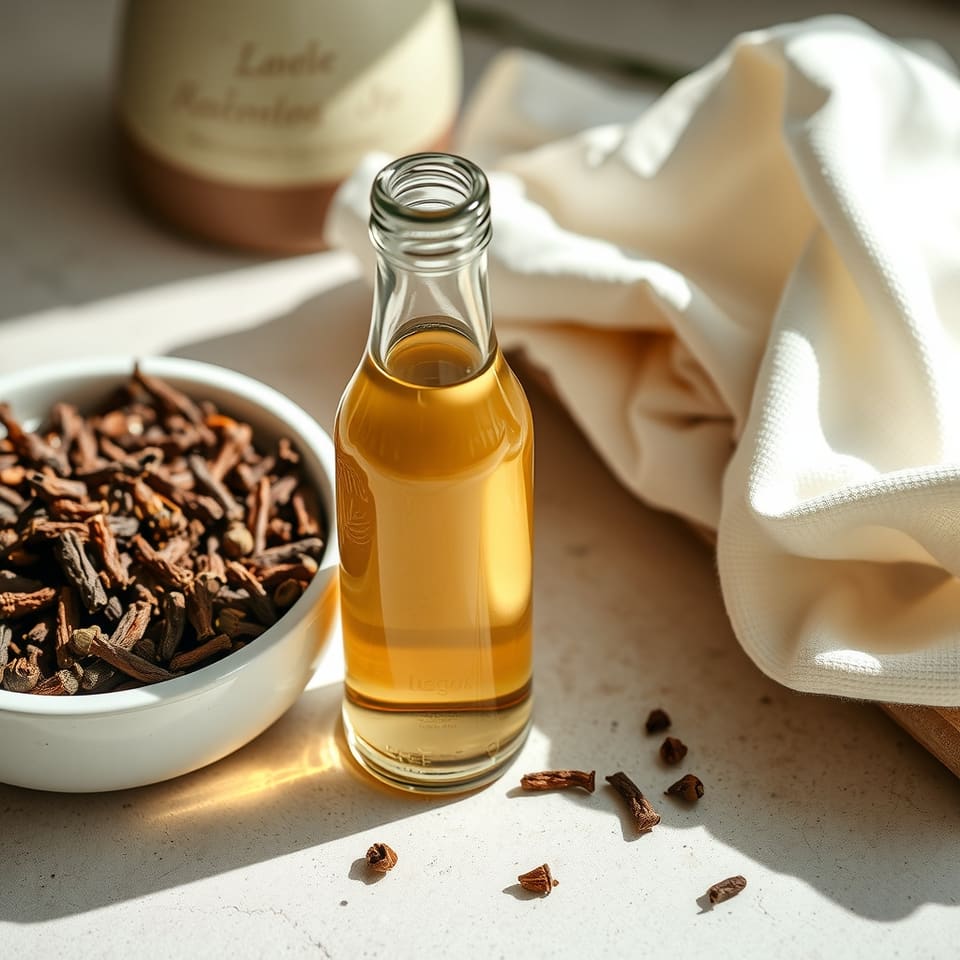
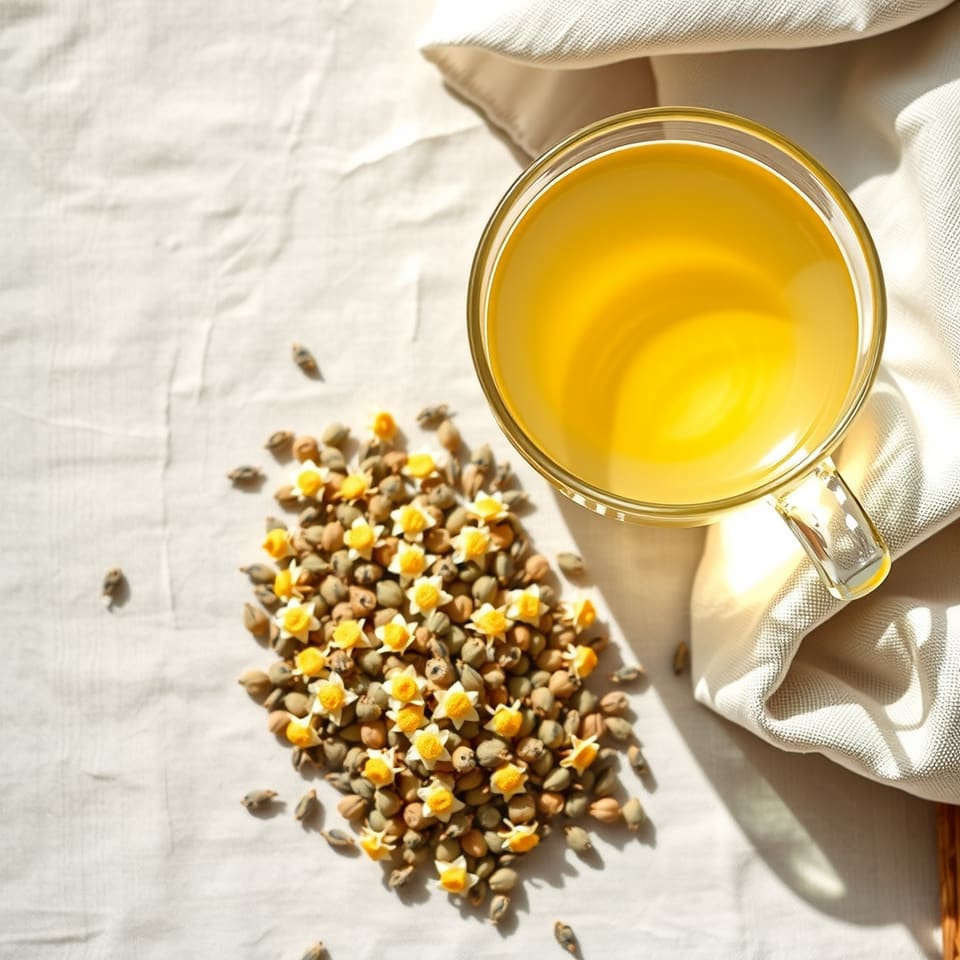
Clove water is popular in skin care videos as a toner for spots, pores and dark marks. The real evidence is thin, and clove is a strong spice that can irritate skin. Here is an honest look, and a careful way to try it if you still want to.
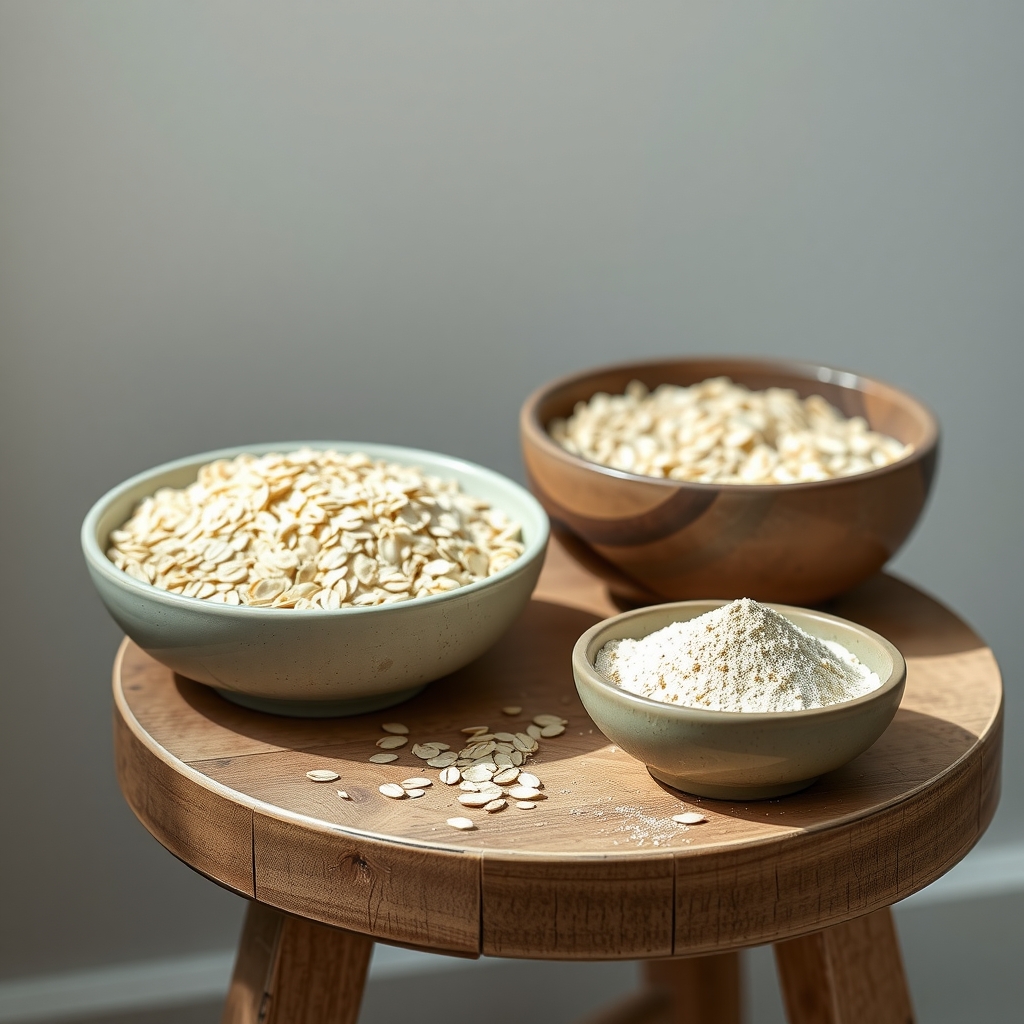
Finely ground oats turn bath water soft and milky, and dermatologists suggest it for dry, itchy skin. Here is how to make one at home and get the most from it.
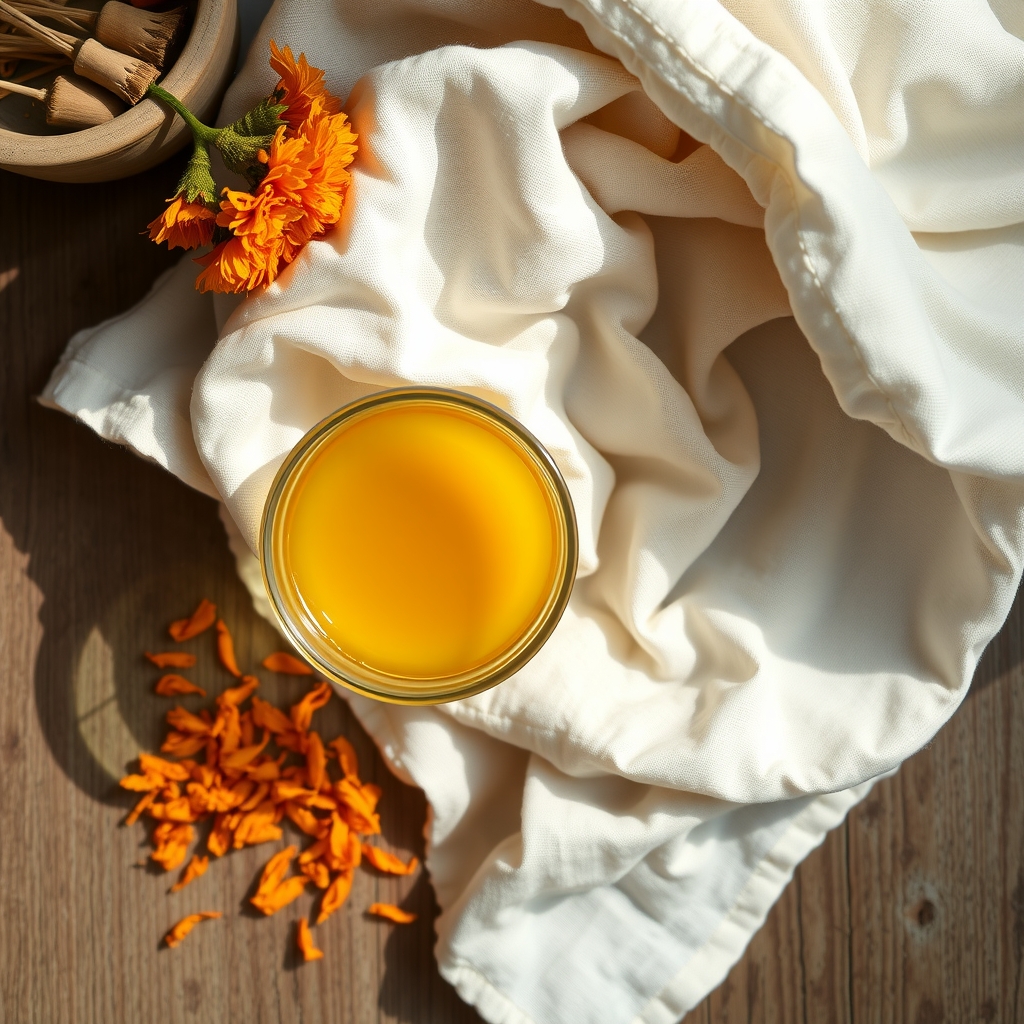
A cooled infusion of dried calendula flowers is a traditional, low-fuss wash for minor skin irritation. Here is how to make it, how strong the evidence is, and who should skip it.
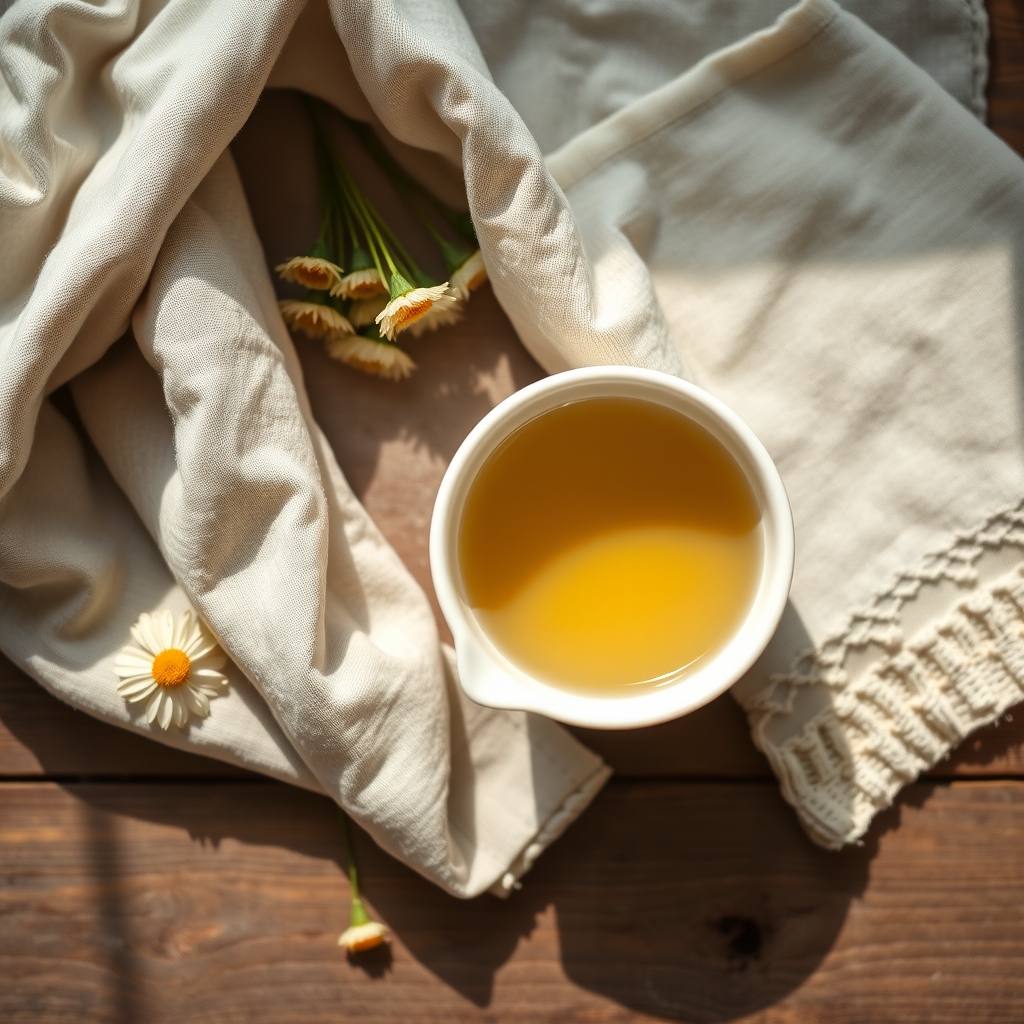
A weak, fully cooled chamomile tea can be used as a gentle final rinse after washing your face. Here is how to make it, what the evidence really shows, and why a patch test matters more than the recipe.
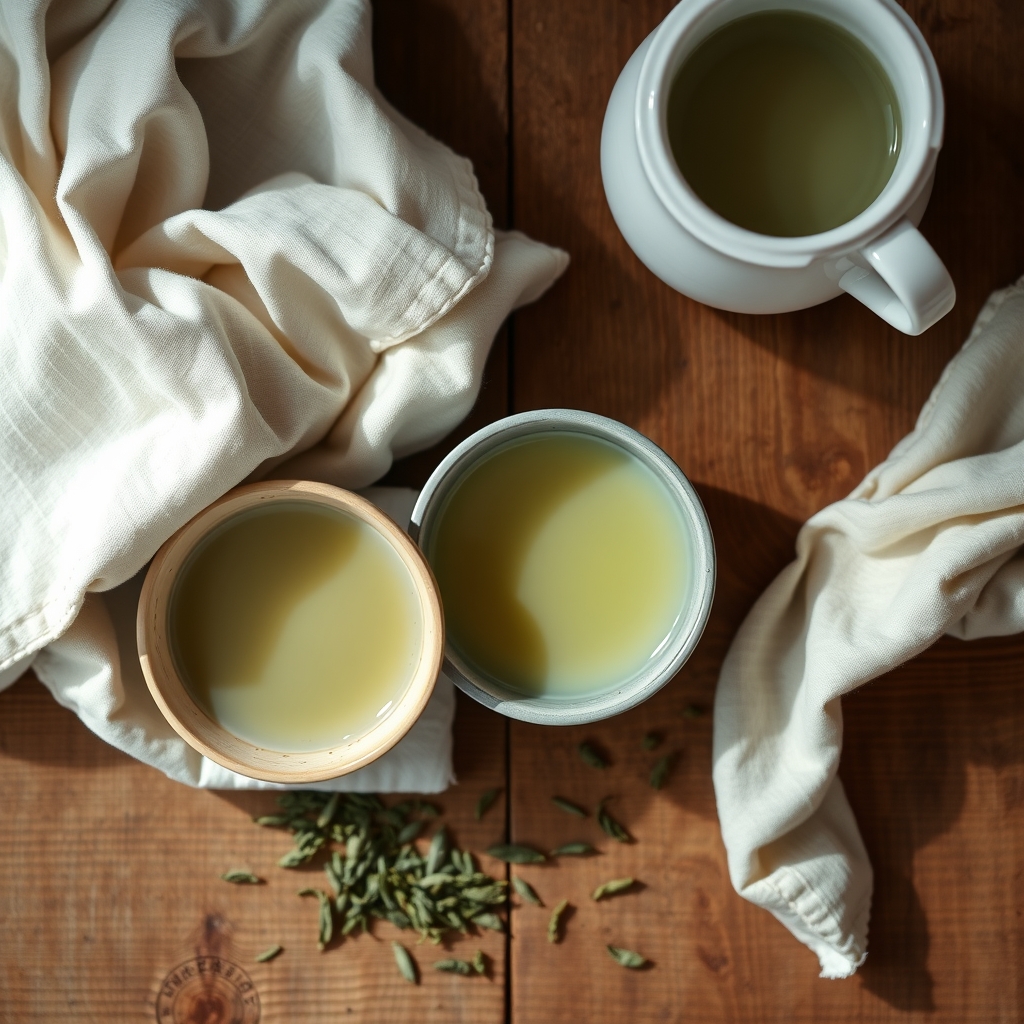
Green tea shows up in many skin creams, and some people drink it for their complexion. The research is interesting but early, and a homemade cup is not the same as a tested cream.
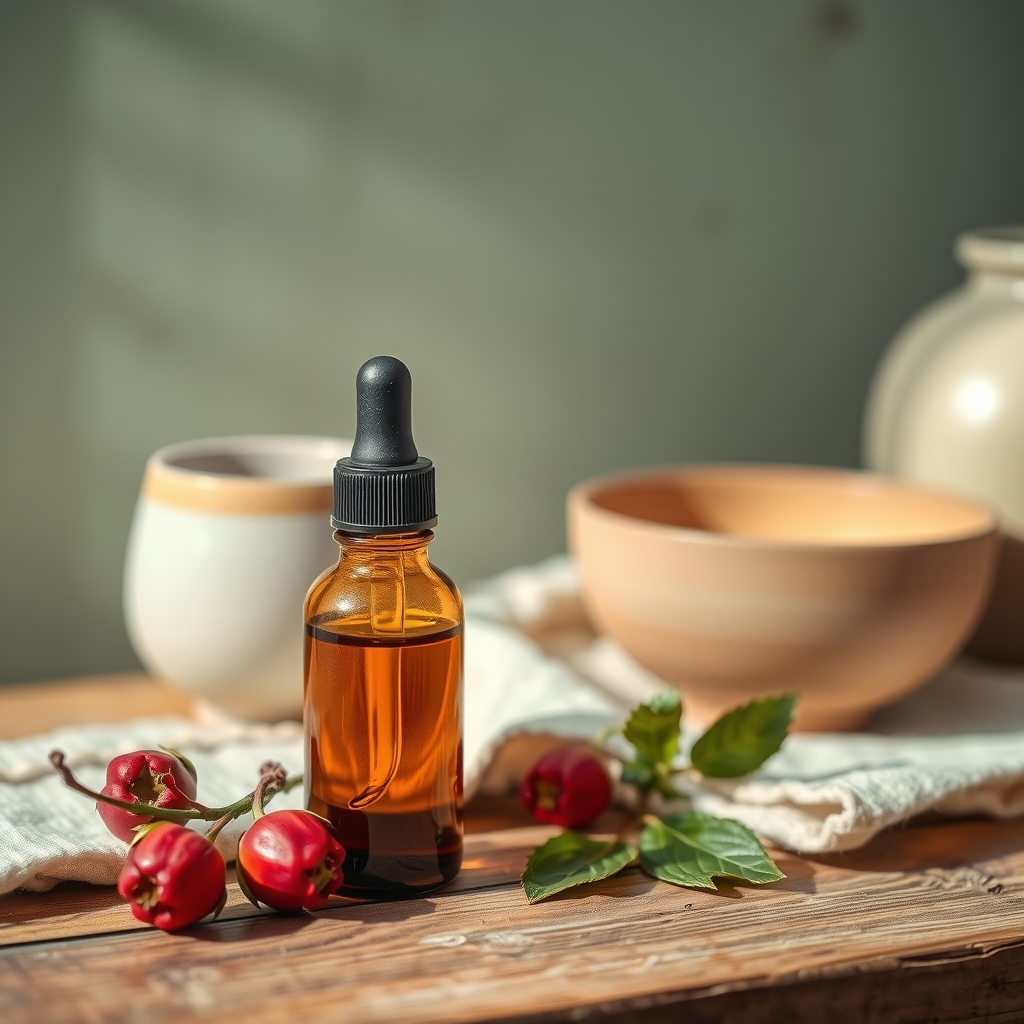
Rosehip seed oil is a light plant oil rich in linoleic acid. It can be a pleasant extra step for dry skin, as long as you patch test first and keep your expectations realistic.
Your skin needs vitamin C to make collagen, and fruit drinks are an easy source. But once you get enough, extra does not seem to add more to your skin. Here is what is known, and what is still just hope.
Drinking enough water matters for your whole body, and a few small studies suggest it may help skin hydration a little, mostly in people who drink too little. It is not a cure for dry skin or wrinkles. Here is the honest picture.
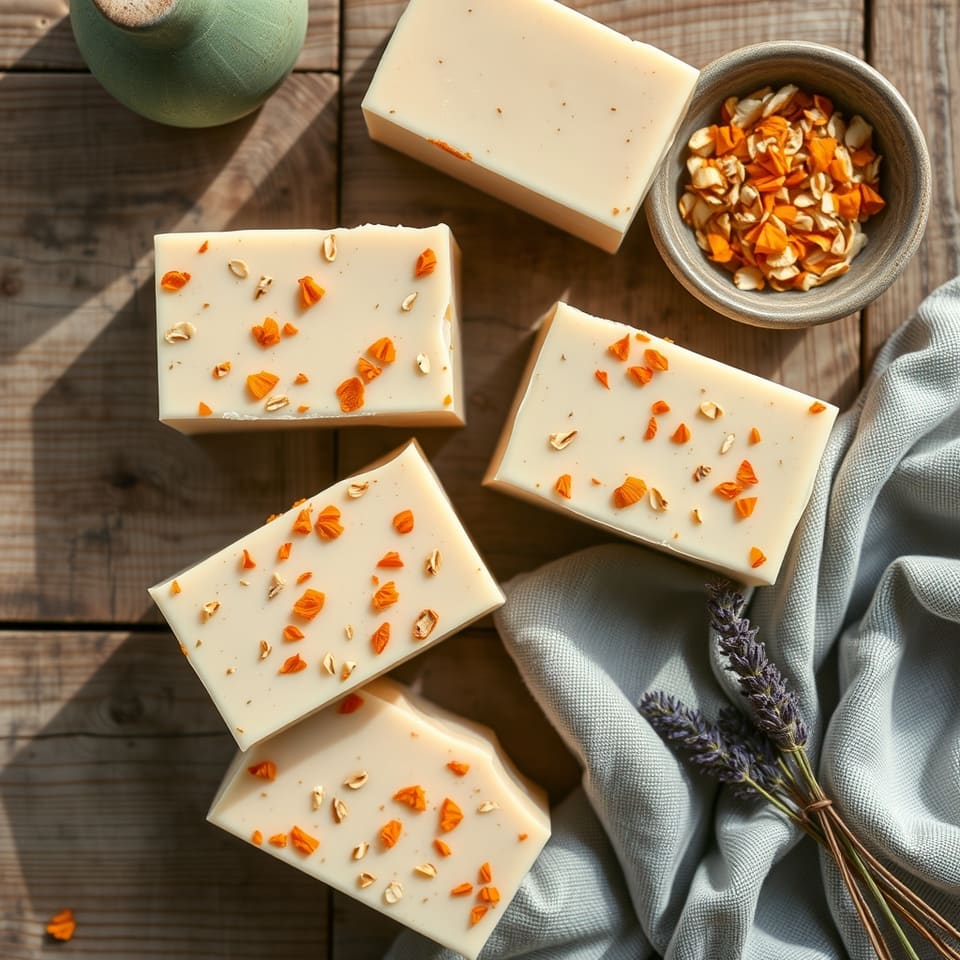
Herbal soap is a lovely first craft project, and you do not need to handle lye to make it. Here is an easy melt-and-pour method, plus the safety rules that matter if you later make soap from scratch.
A mosquito bite is a small reaction to the insect's saliva, and most settle on their own. Cold, a simple paste and a little patience do more than most viral tricks. Here is what health agencies suggest.
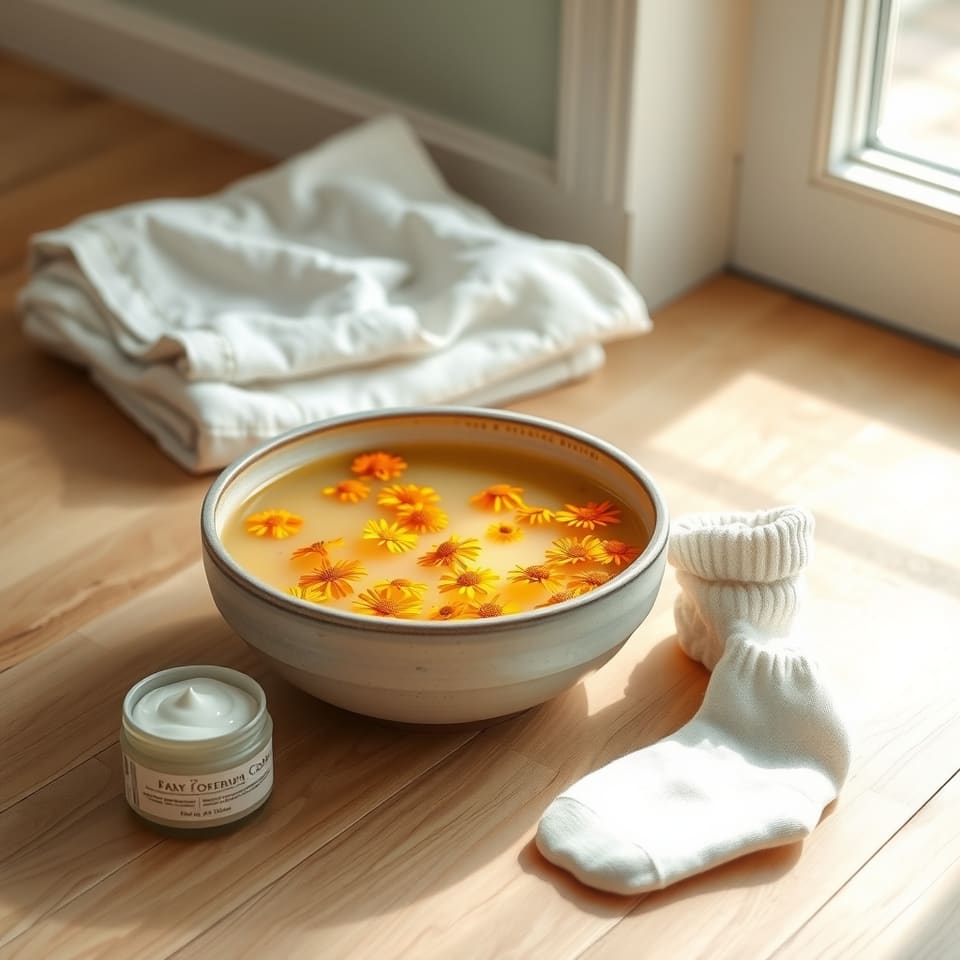
Dry, cracked heels respond best to a steady routine: a short soak, a rich cream on damp skin and a protective layer at night. A calendula foot soak makes the routine more pleasant. Here is how to put it together.
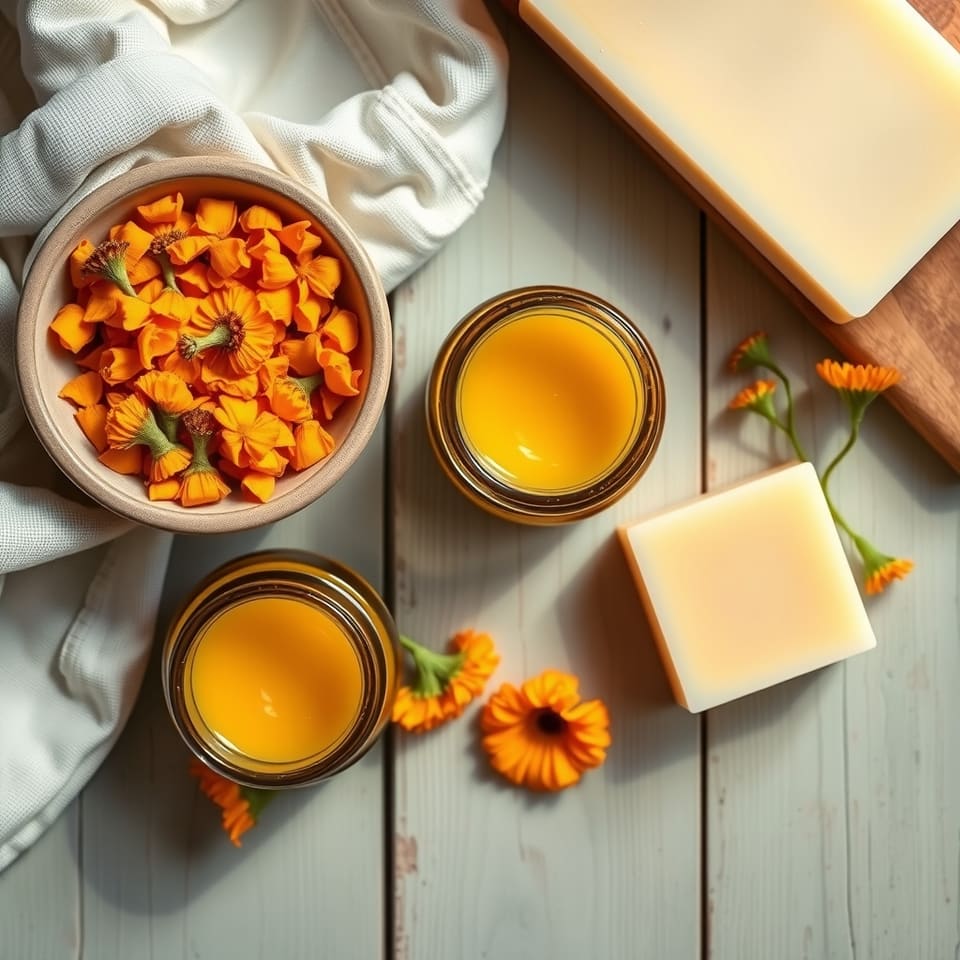
Bright orange calendula petals, gently warmed in oil and set with beeswax, make a soft golden salve for dry hands and rough patches. Here is a reliable home method and what the evidence really says.
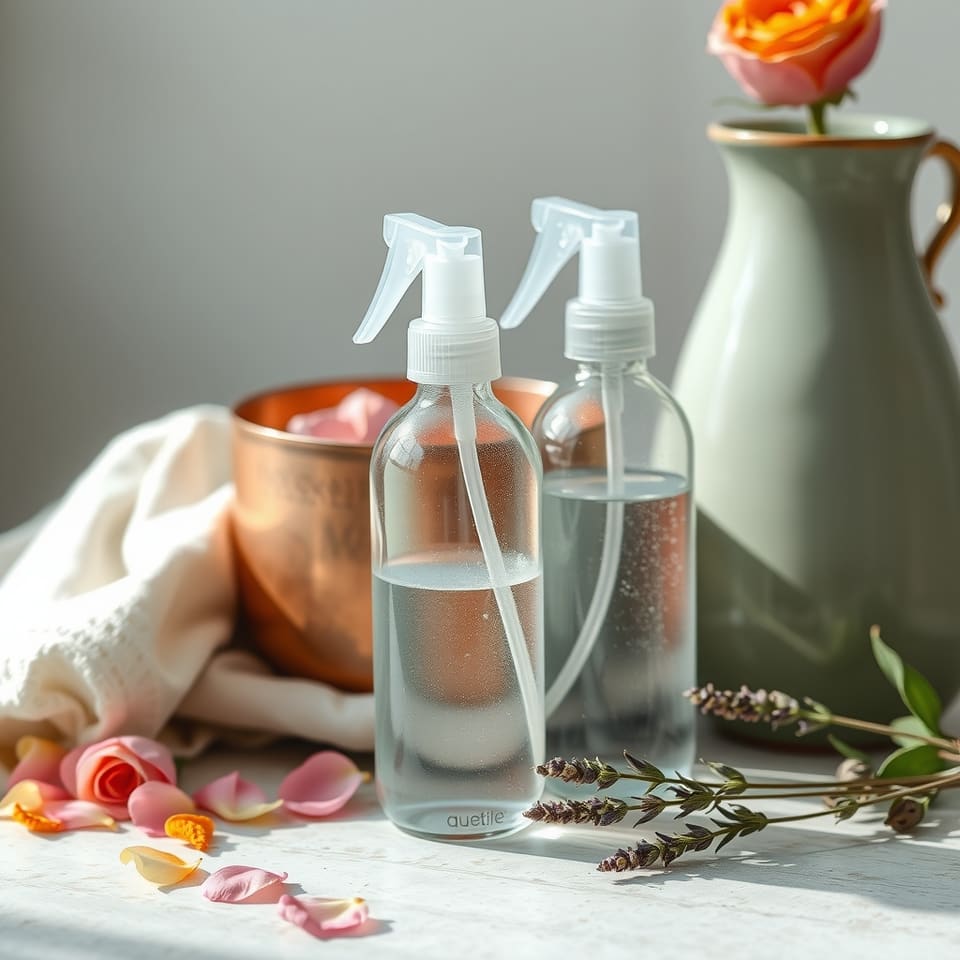
Hydrosols, also called flower waters or hydrolats, are the fragrant waters left after plants are distilled. Rose water and orange blossom water are the best known. Here is what they are, what they can and cannot do, and how to make one at home.
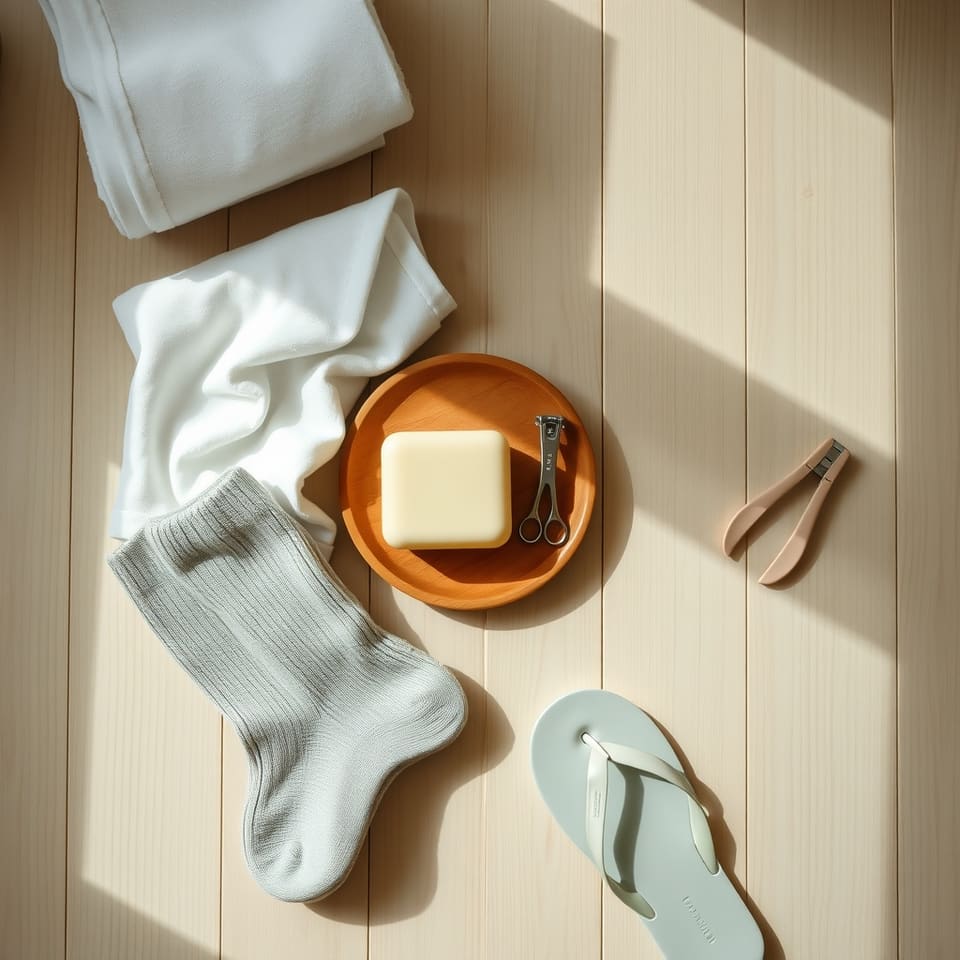
Nail fungus is common, stubborn and slow to clear, and the internet is full of kitchen cures. Here is an honest look at what is known, what is not, and the simple habits that really help.
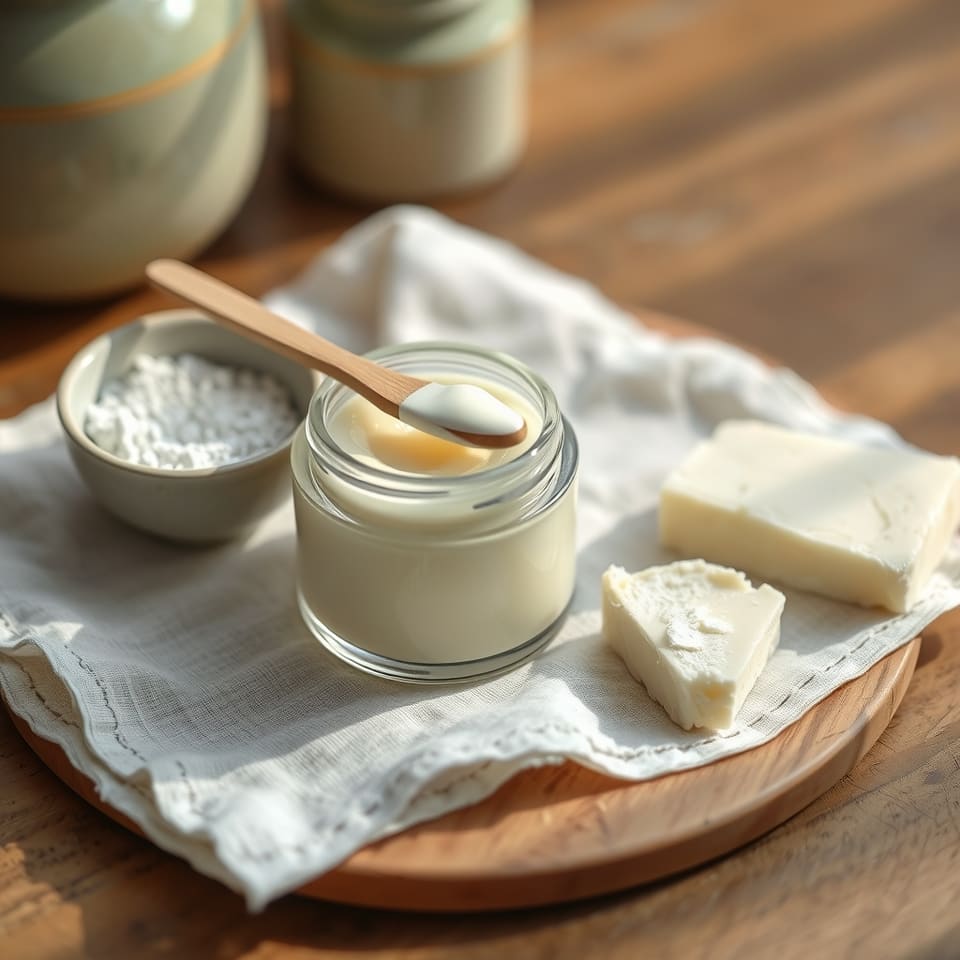
A homemade underarm balm takes ten minutes and three pantry-style ingredients. Here is an honest look at what a natural deodorant can do, what it cannot, and how to keep your skin happy while you try one.
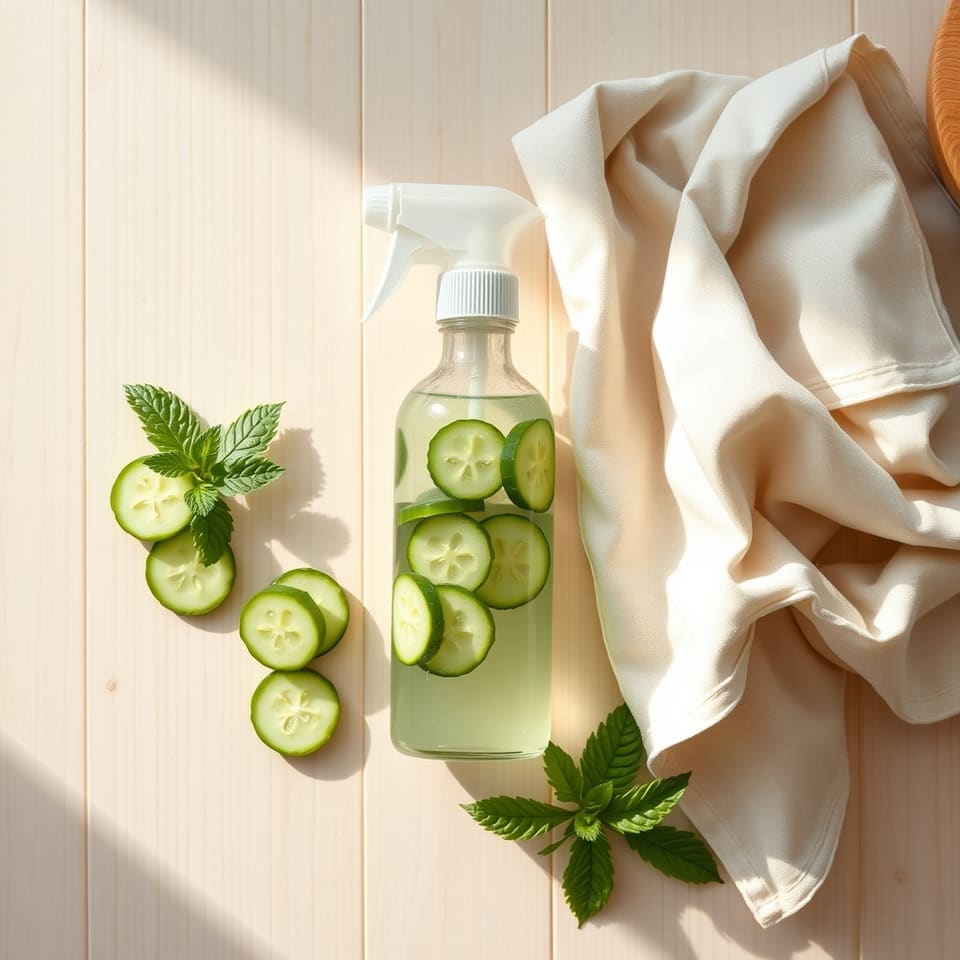
A cold spray of cucumber and mint water feels refreshing on a warm day. Here is a simple recipe, how long to keep it, and why a patch test comes first.
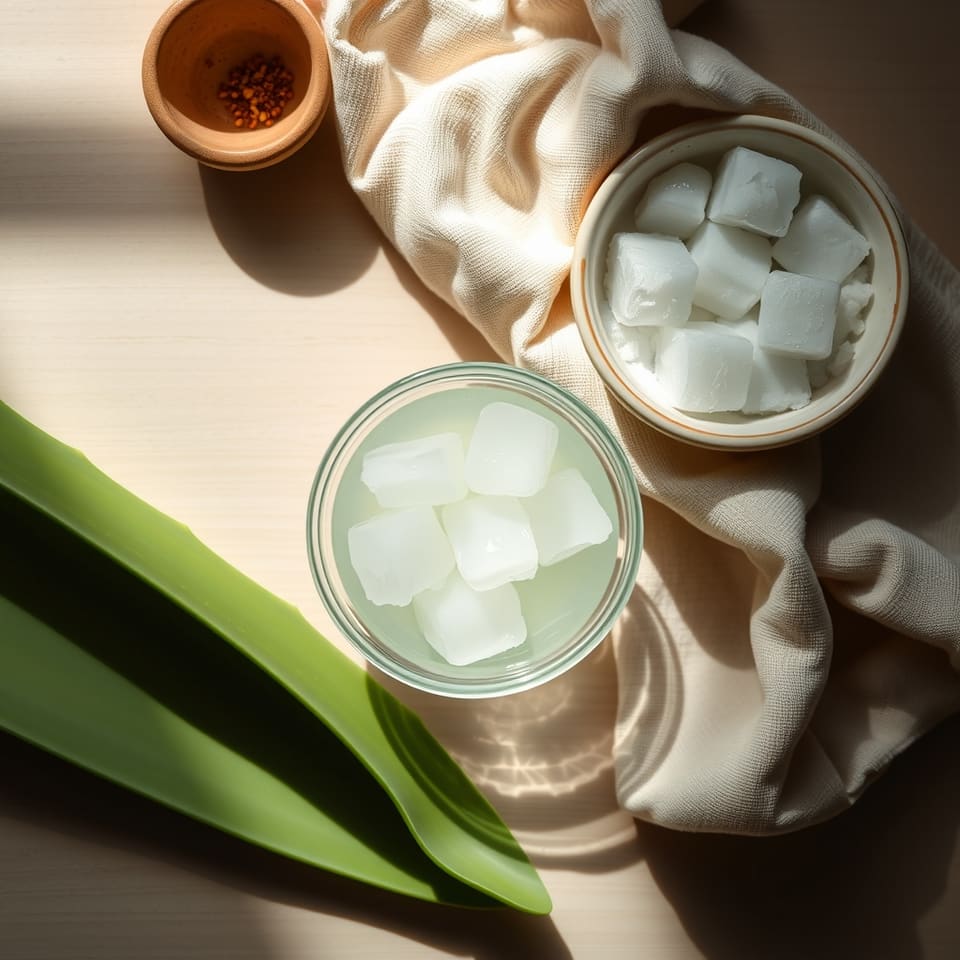
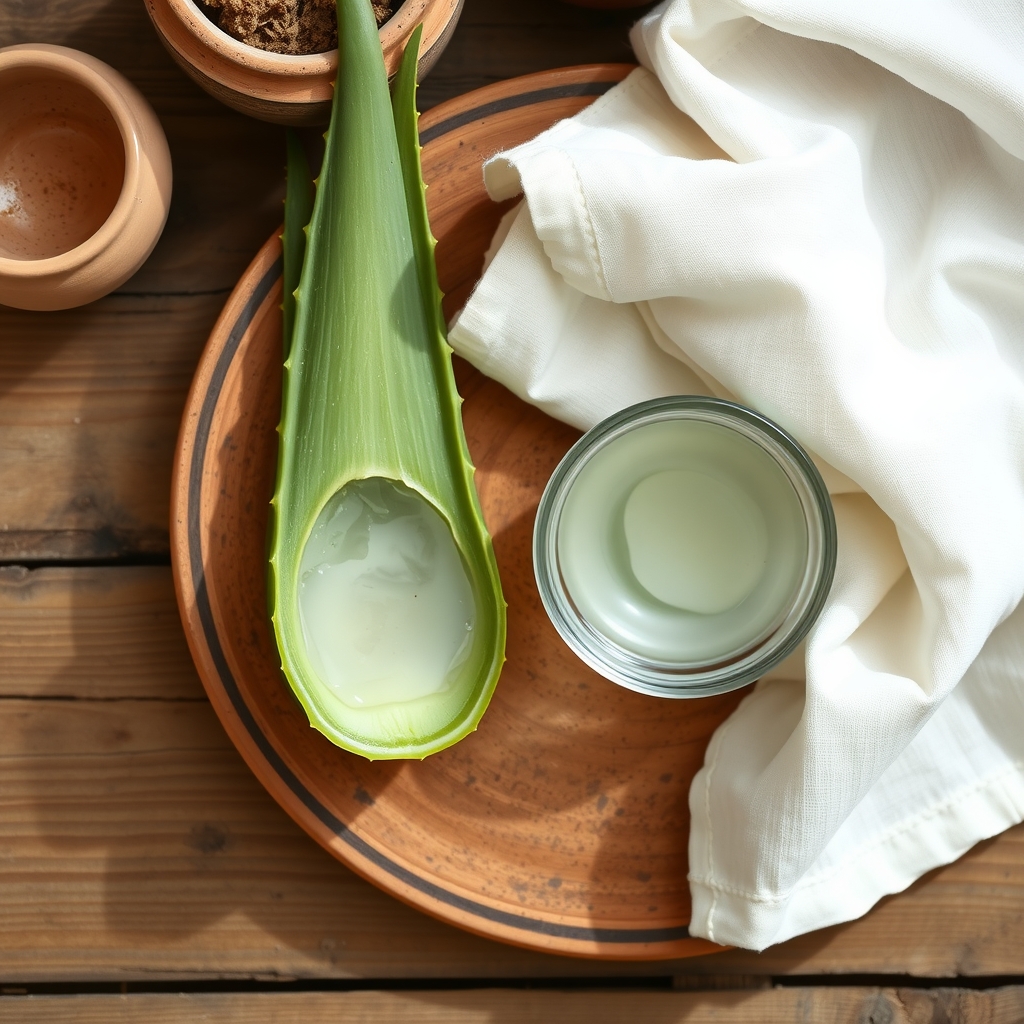
Cool, clear aloe gel is a favorite after too much sun. Here is how to use it on mild sunburn, and how to tell when a burn needs more than home care.
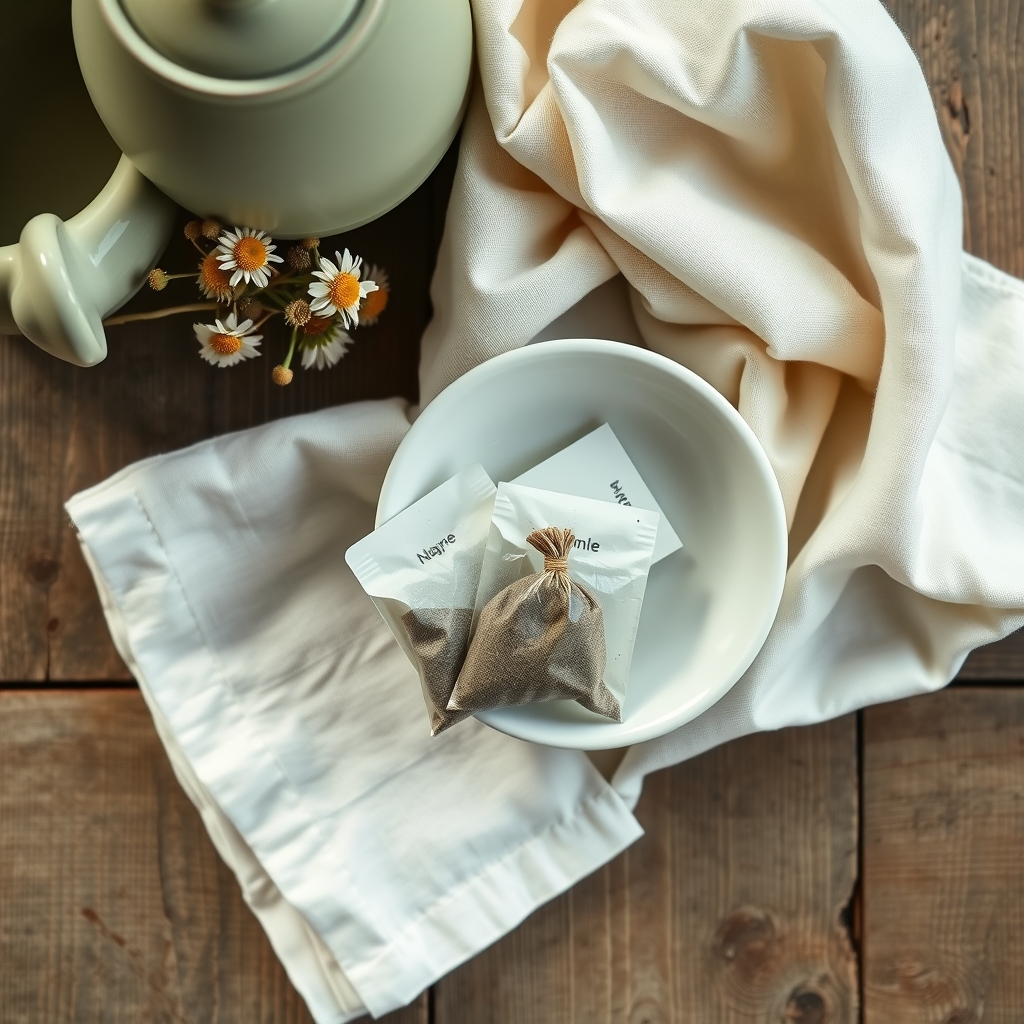
Chilled chamomile tea bags are a classic quick fix for tired, puffy eyes. Here is how to use them safely, why the cool temperature does most of the work, and when you should skip them entirely.
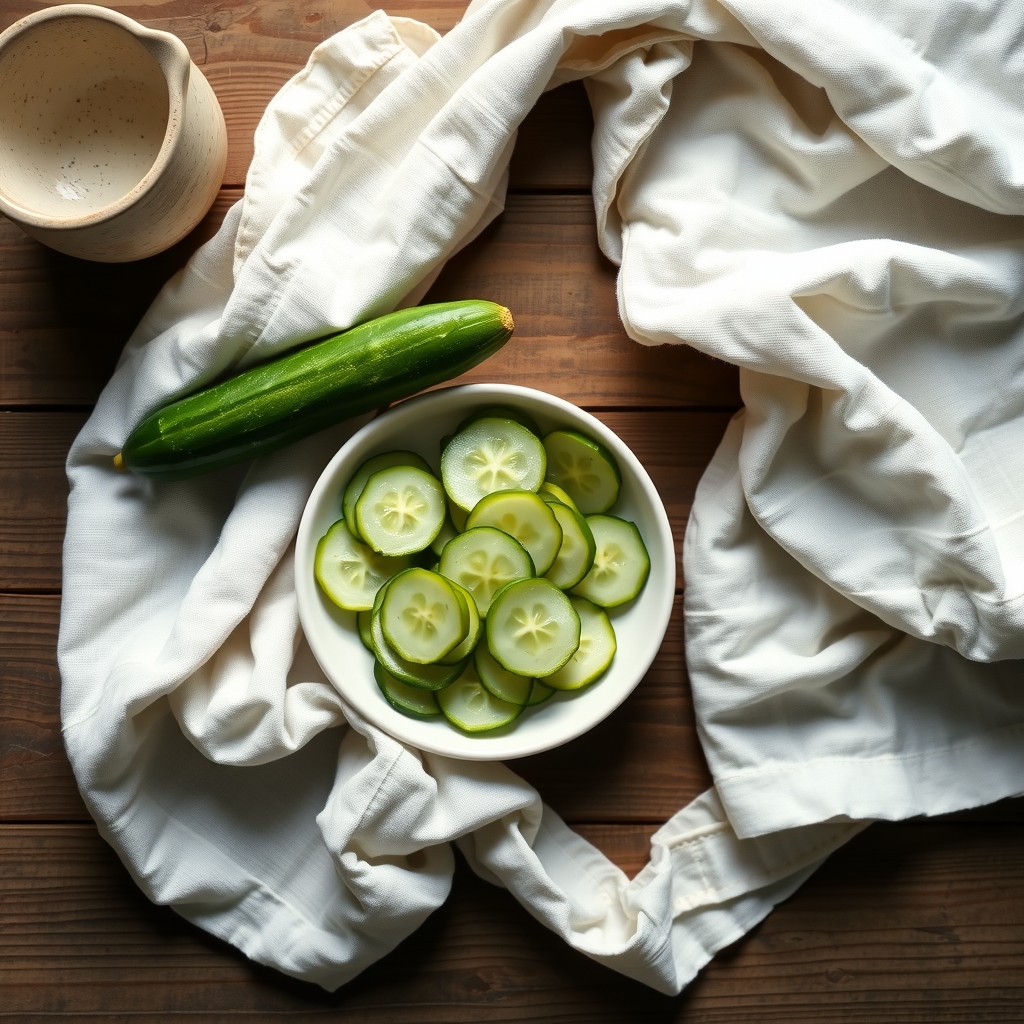
Chilled cucumber slices over closed eyes are a classic spa image. Here is an honest look at what they can do for morning puffiness, what they cannot change, and how to use them safely.
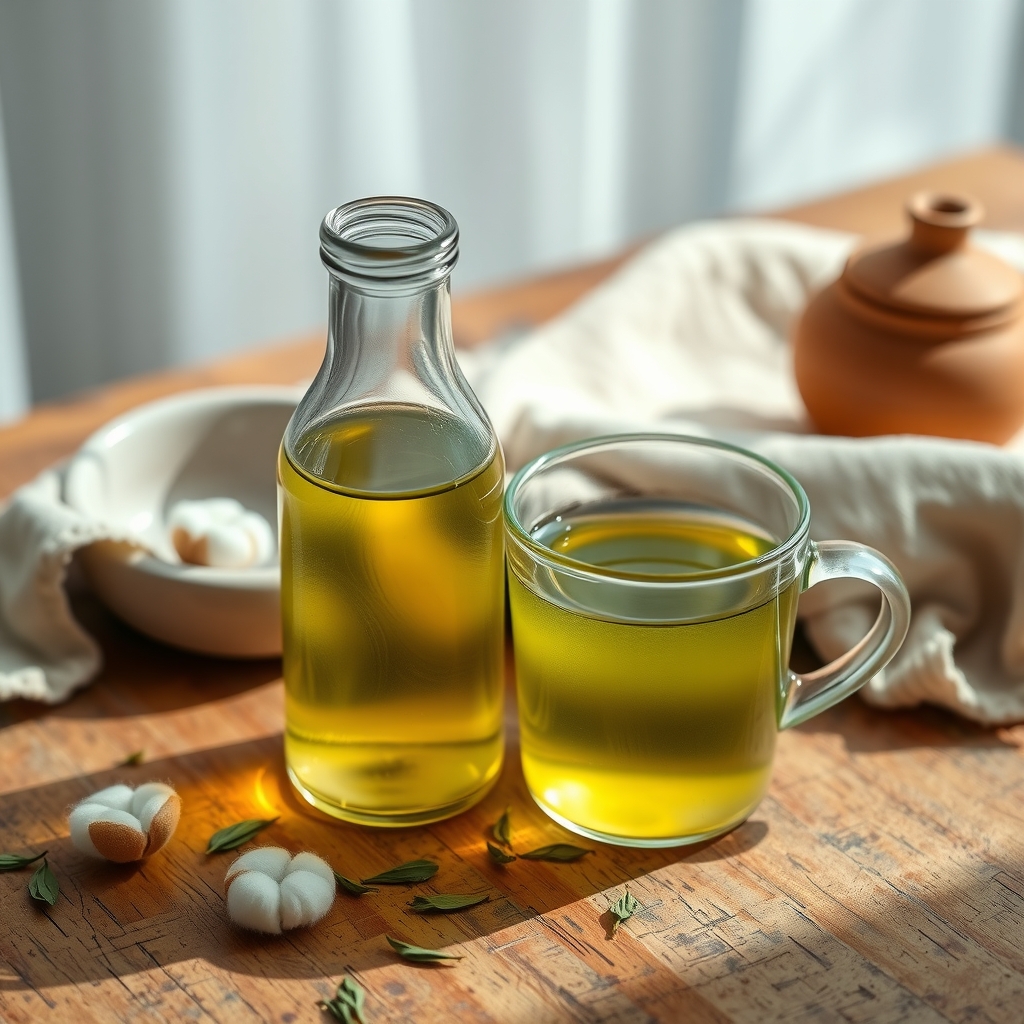
A cup of green tea, fully cooled, makes a fresh, alcohol-free splash for after washing your face. Here is how to make it, and why the impressive lab results for green tea do not carry over to a homemade bottle.
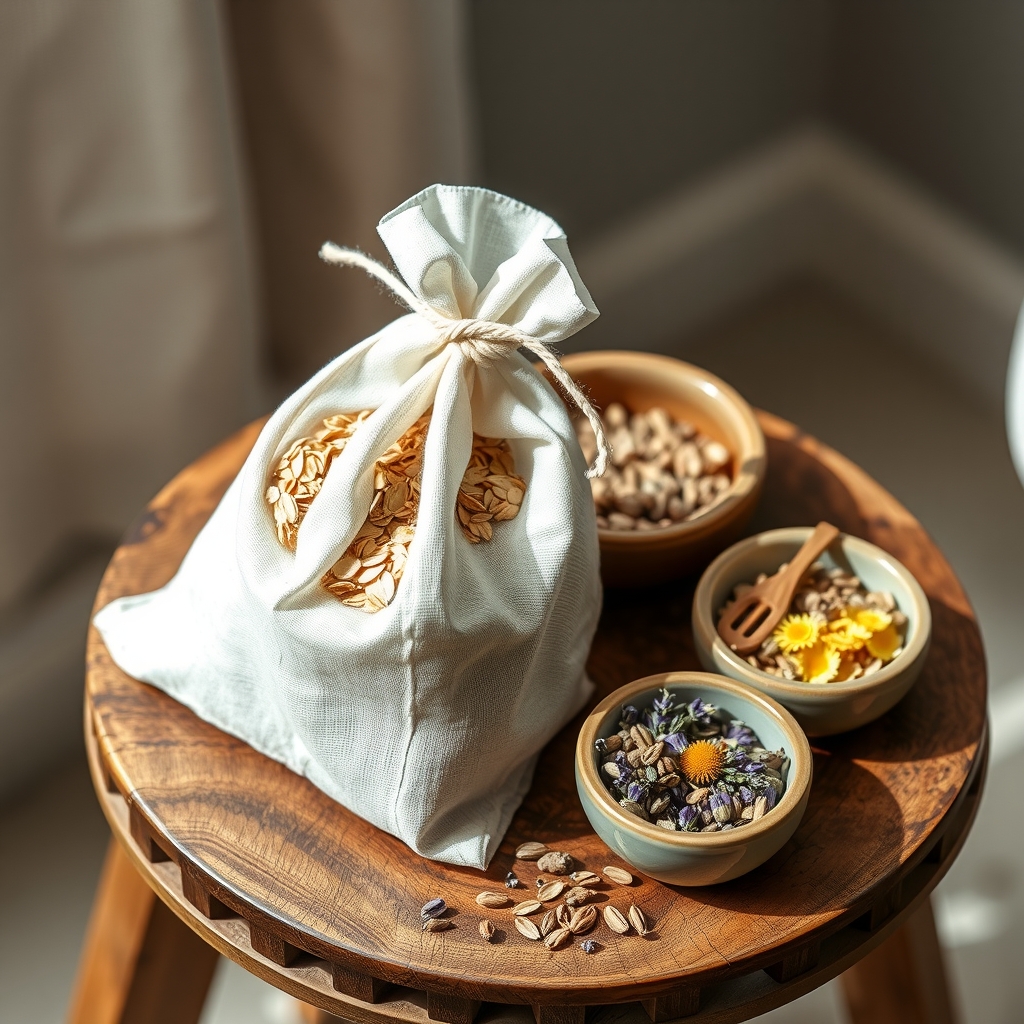
A cotton bag of oats and dried flowers turns a plain bath into a soft, gently scented soak with no mess in the tub. Here is how to make one and use it kindly on dry skin.
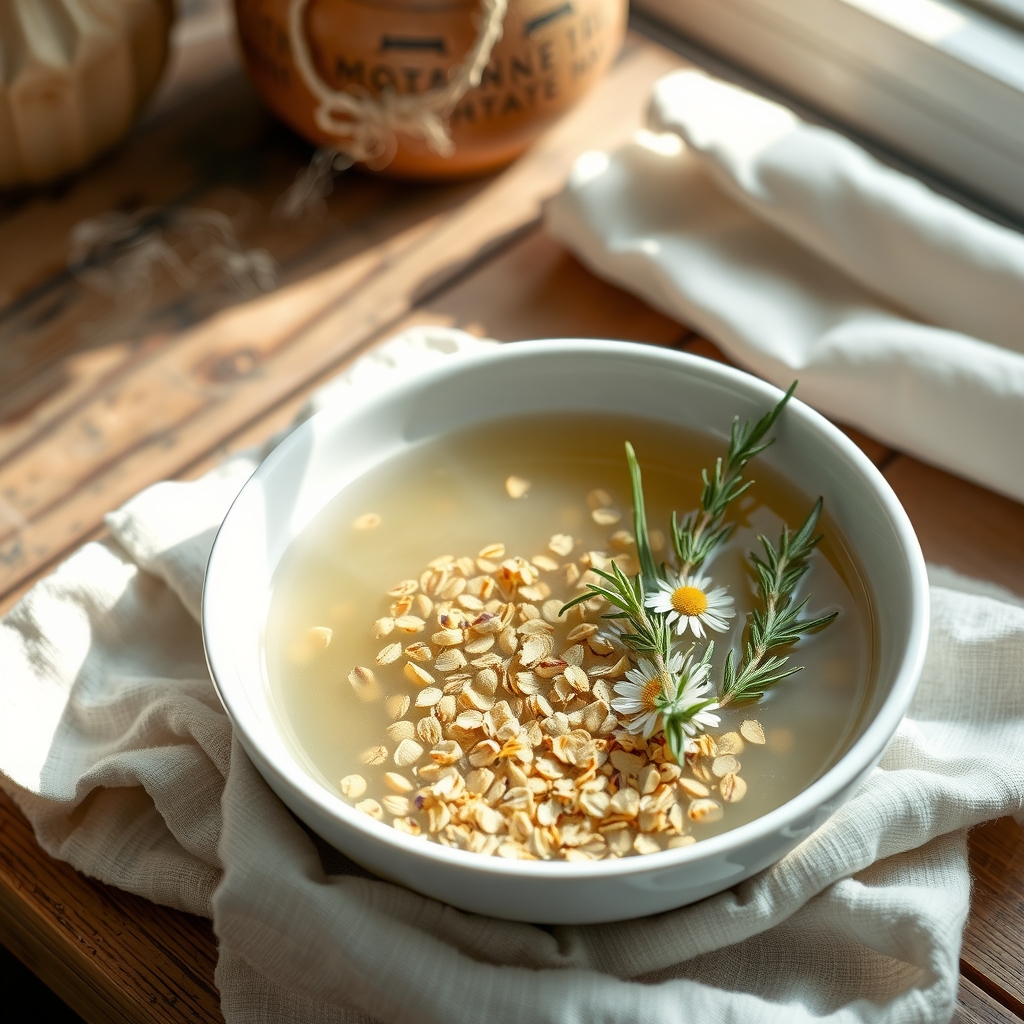
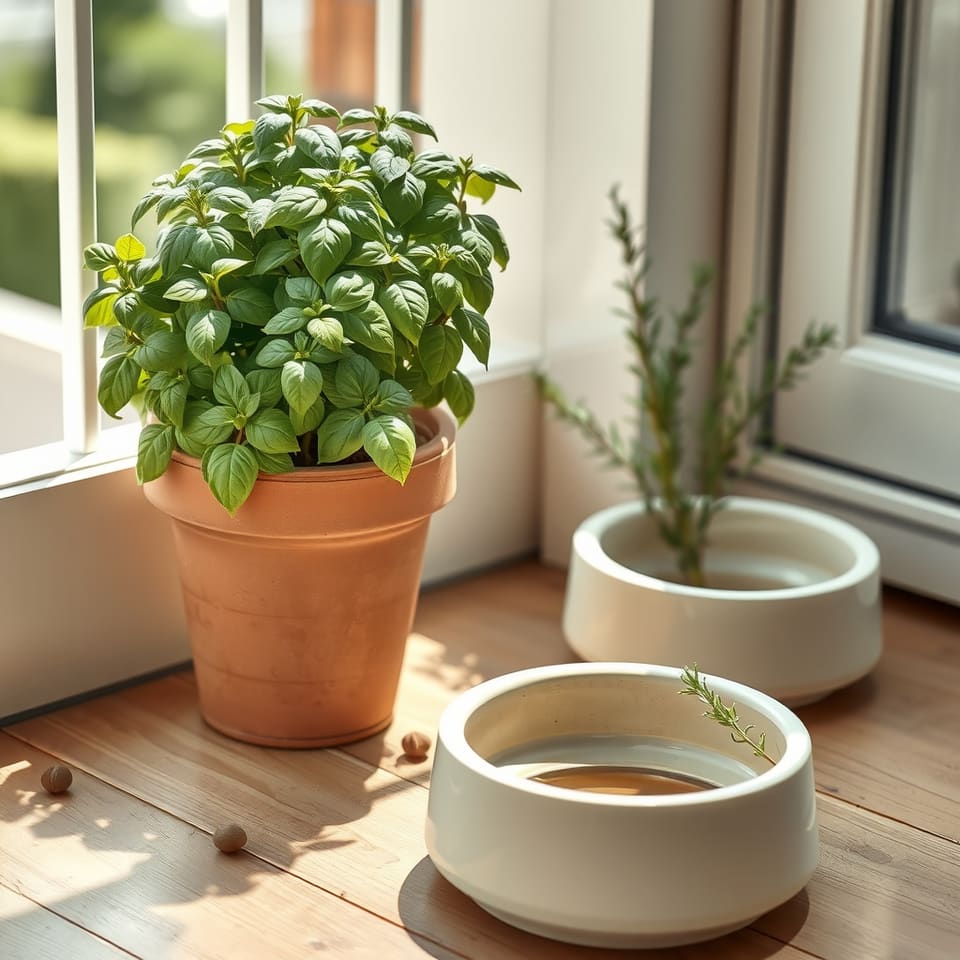
A bowl of hot water with a few dried chamomile flowers and a sprig of rosemary makes a calming, fragrant steam. It feels lovely, but it is not a deep-cleaning treatment, and hot water needs respect.
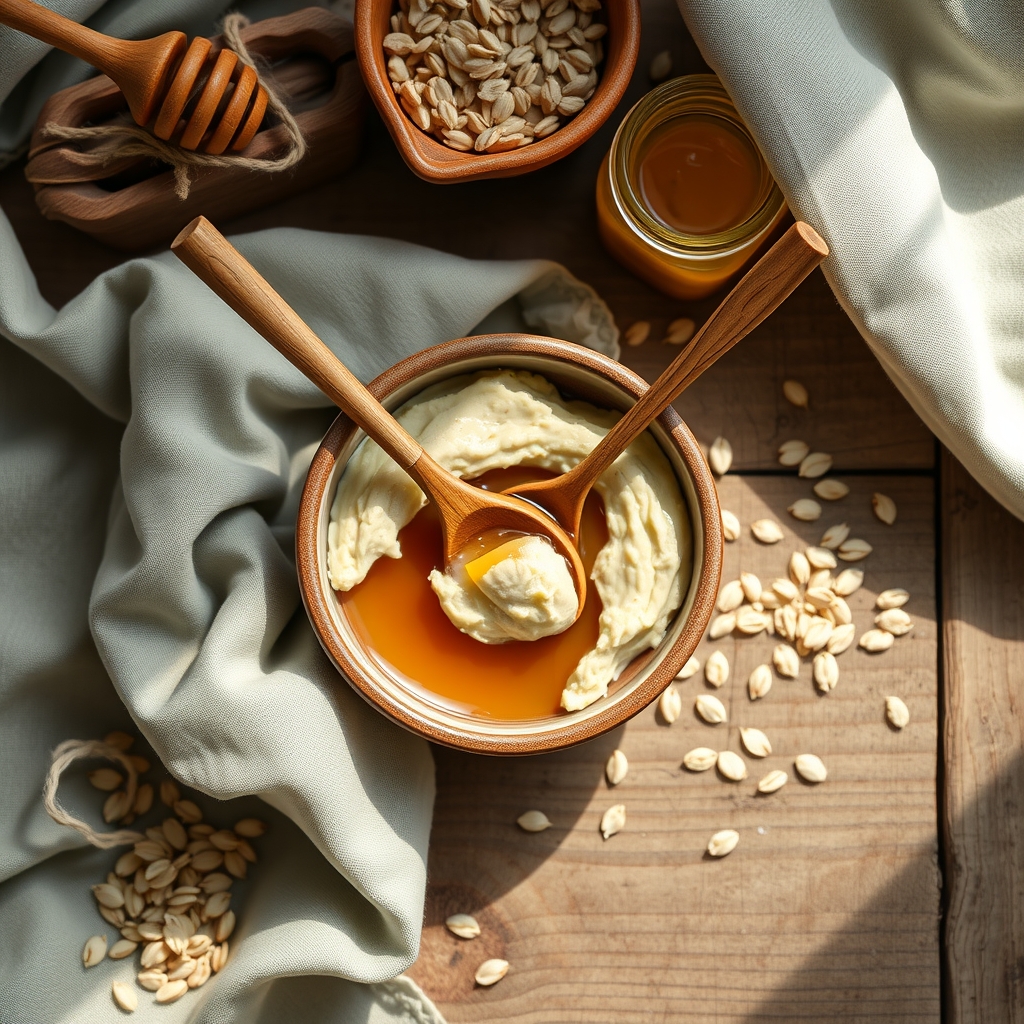
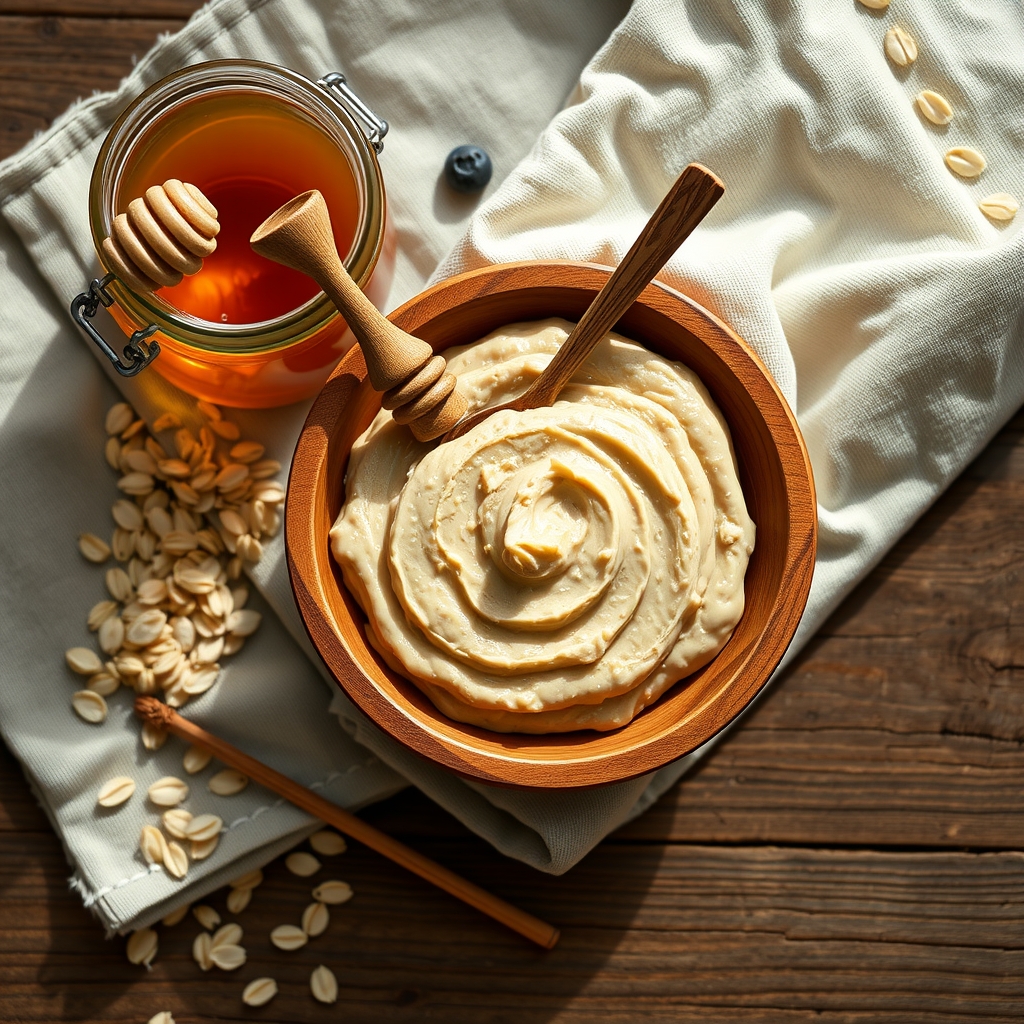
Honey and finely ground oats make a soft, simple face mask from the kitchen cupboard. Here is an honest look at what is known, what is hype, and how to try it safely.
Lightly ground oats mixed with honey make one of the softest scrubs you can make at home. Used gently and not too often, it can leave skin feeling smooth, but it is not for every skin type.
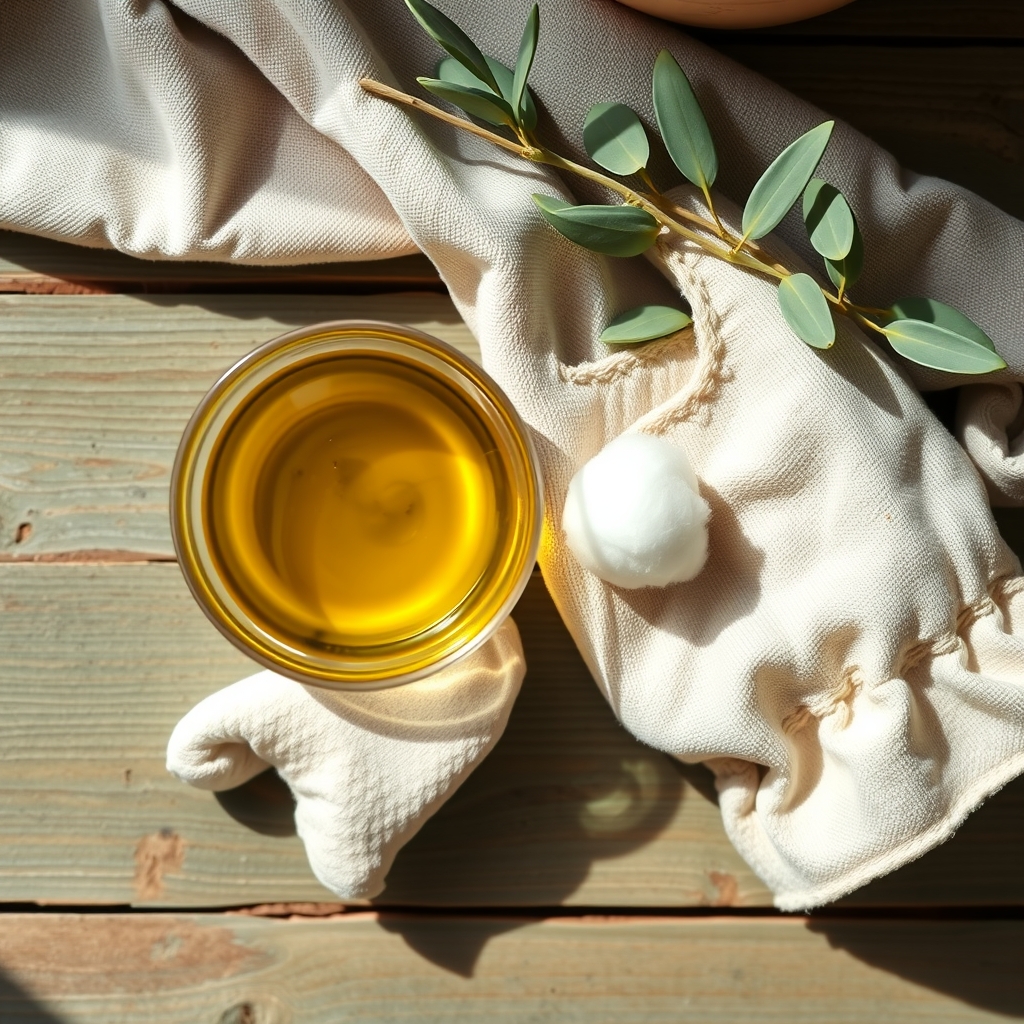
A few drops of kitchen olive oil massaged into dry cuticles is an old, easy habit. Here is how to do it, how it compares with what dermatologists recommend, and the nail warning signs not to ignore.
Sage is often sold as the secret behind natural deodorants. The truth is less exciting: there is no good evidence it stops body odor, but simple habits do help a lot.
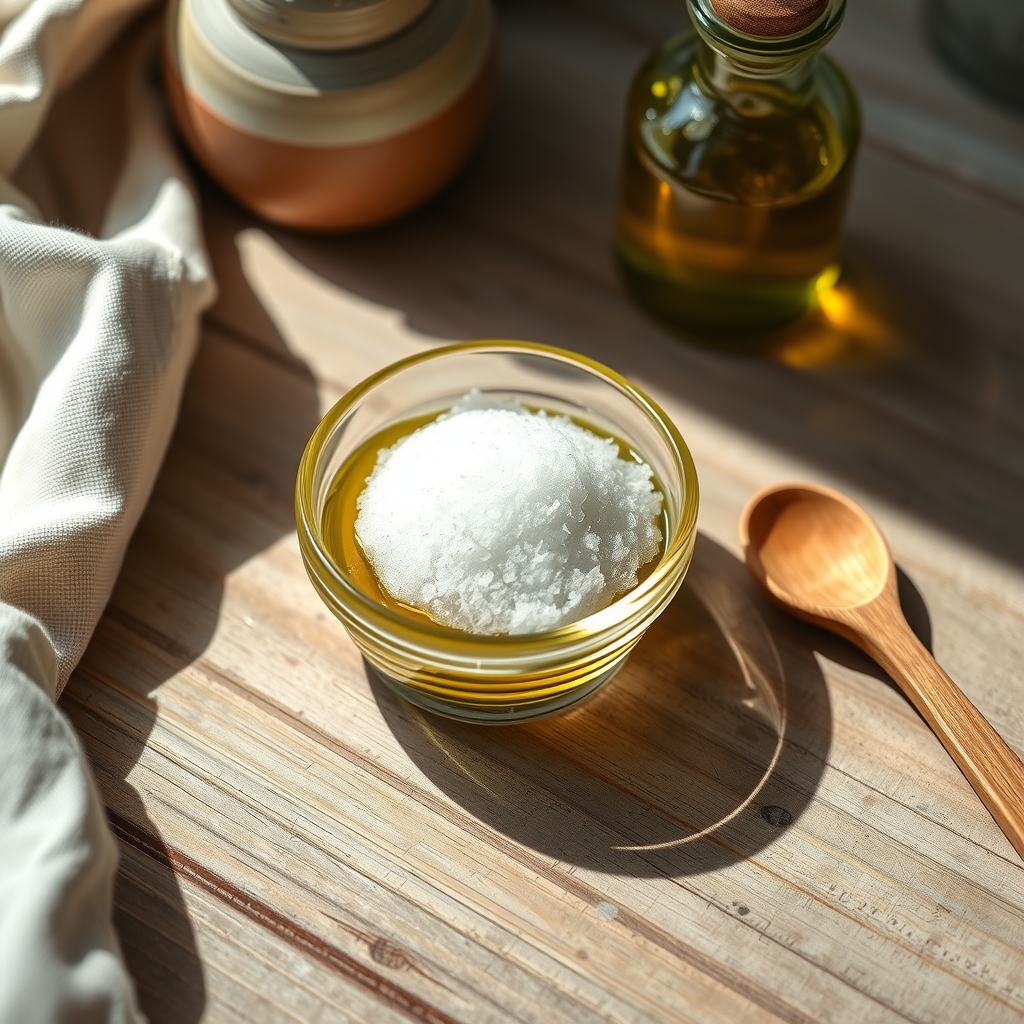
A pinch of sugar and a few drops of olive oil can lift loose flakes from dry lips. It is a small treat, not a cure for chapped lips, and the real work is done by a good balm afterward.
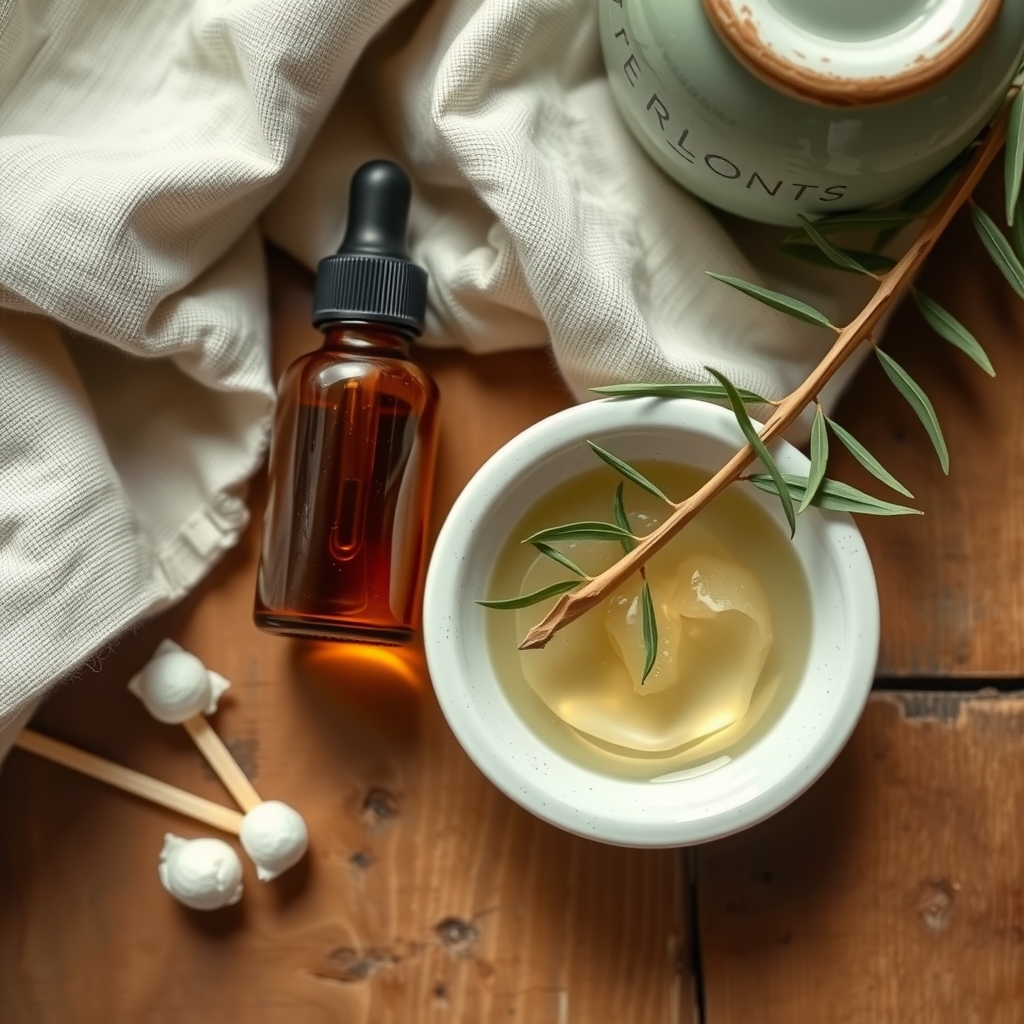
Tea tree oil is one of the most popular home options for spots, but it is strong, it must be diluted and it is toxic if swallowed. Here is what the evidence shows and how to use it as safely as possible.
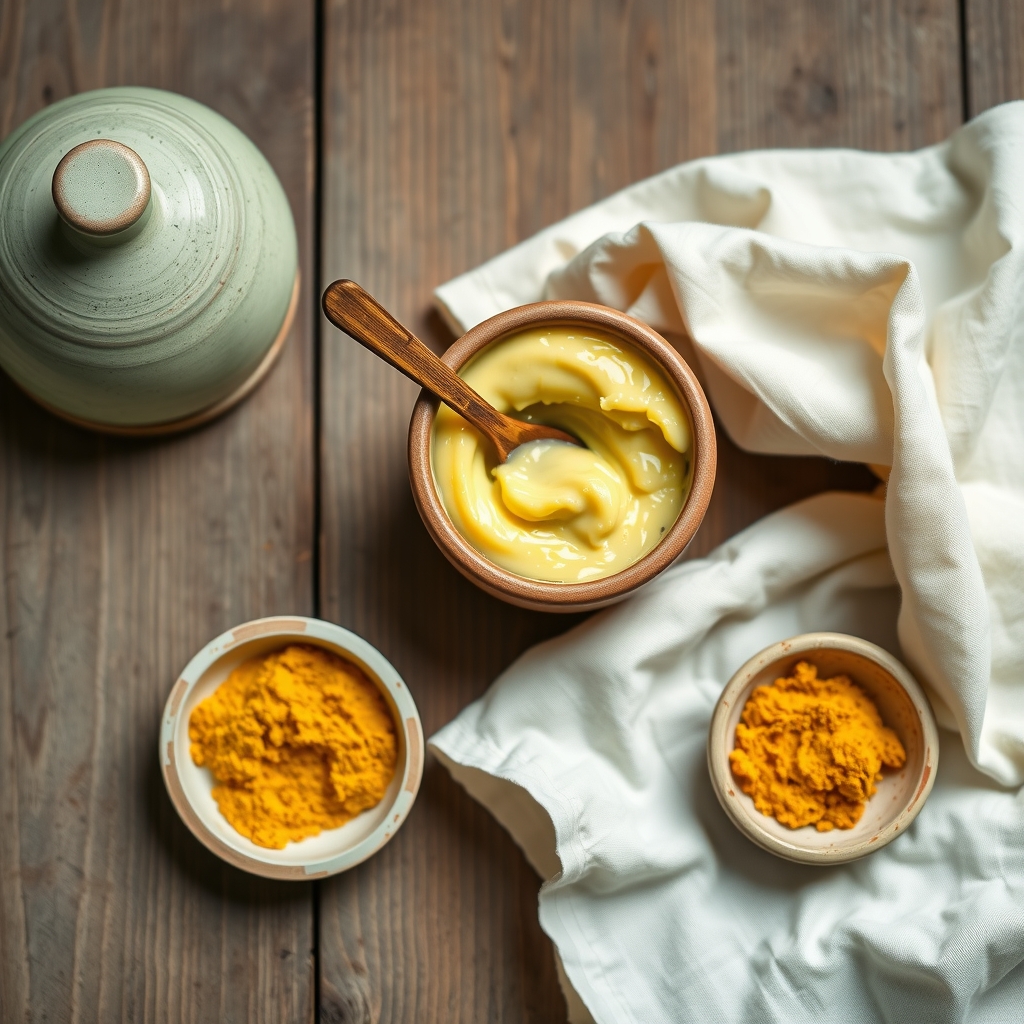
Turmeric masks are popular online, but the evidence for skin benefits is early, the yellow color can linger, and turmeric can cause allergic skin reactions. Here is what to know before you try one.
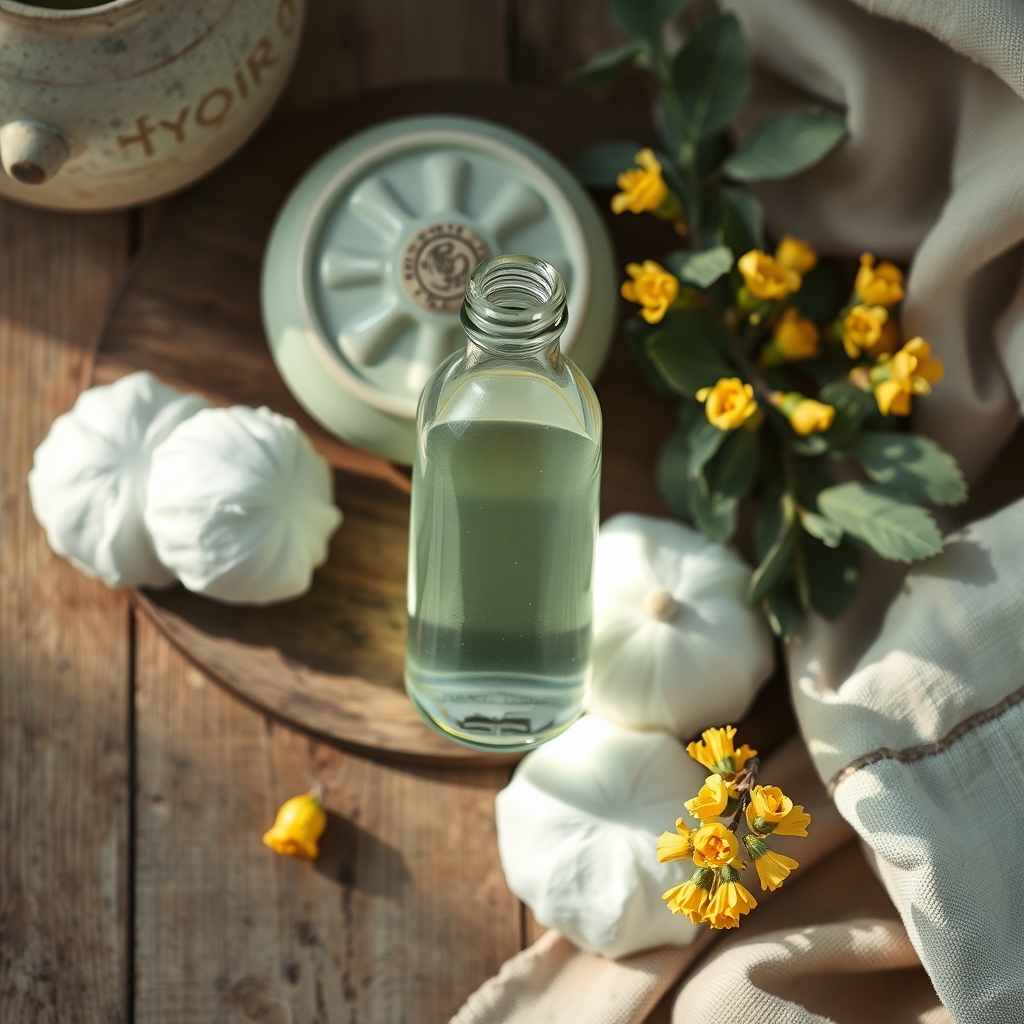
Witch hazel water is a traditional remedy for minor skin irritation, but it is not a proven acne treatment and its alcohol can dry or sting sensitive skin. Here is how to decide if it suits you and how to use it gently.
Prunes are one of the oldest home tricks for a sluggish gut, and a small study backs up prune juice. Here is a simple warm prune drink, plus the fiber, fluid and routine habits that matter just as much.
Bone broth has been called the new coffee, with promises of stronger joints, smoother skin and better immunity. A warm bowl can be lovely food, but the big claims run far ahead of the science.
Aloe gel is a familiar soothing skin remedy, so drinking aloe juice can feel like a natural next step. Taken by mouth, though, aloe comes with real safety questions. Here is what you should know first.
Herbal teas for menopause are everywhere, but the evidence behind them is thin. Here is an honest guide to the herbs people try, a cooling drink to sip, and the proven options worth asking your doctor about.
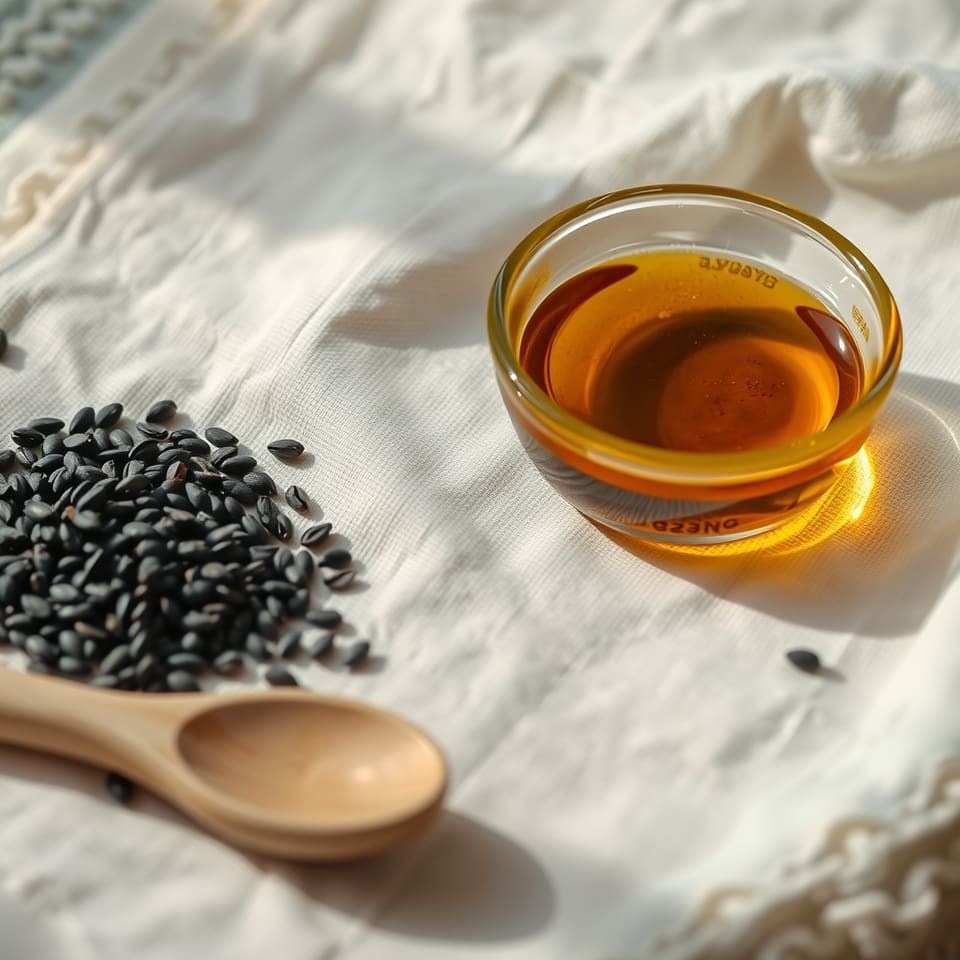
Black seed oil, pressed from the tiny seeds of Nigella sativa, is one of the most talked-about hair oils online. The evidence for hair is thin, and the main known risk is a skin reaction. Here is a calm look at both, and a cautious way to try it.
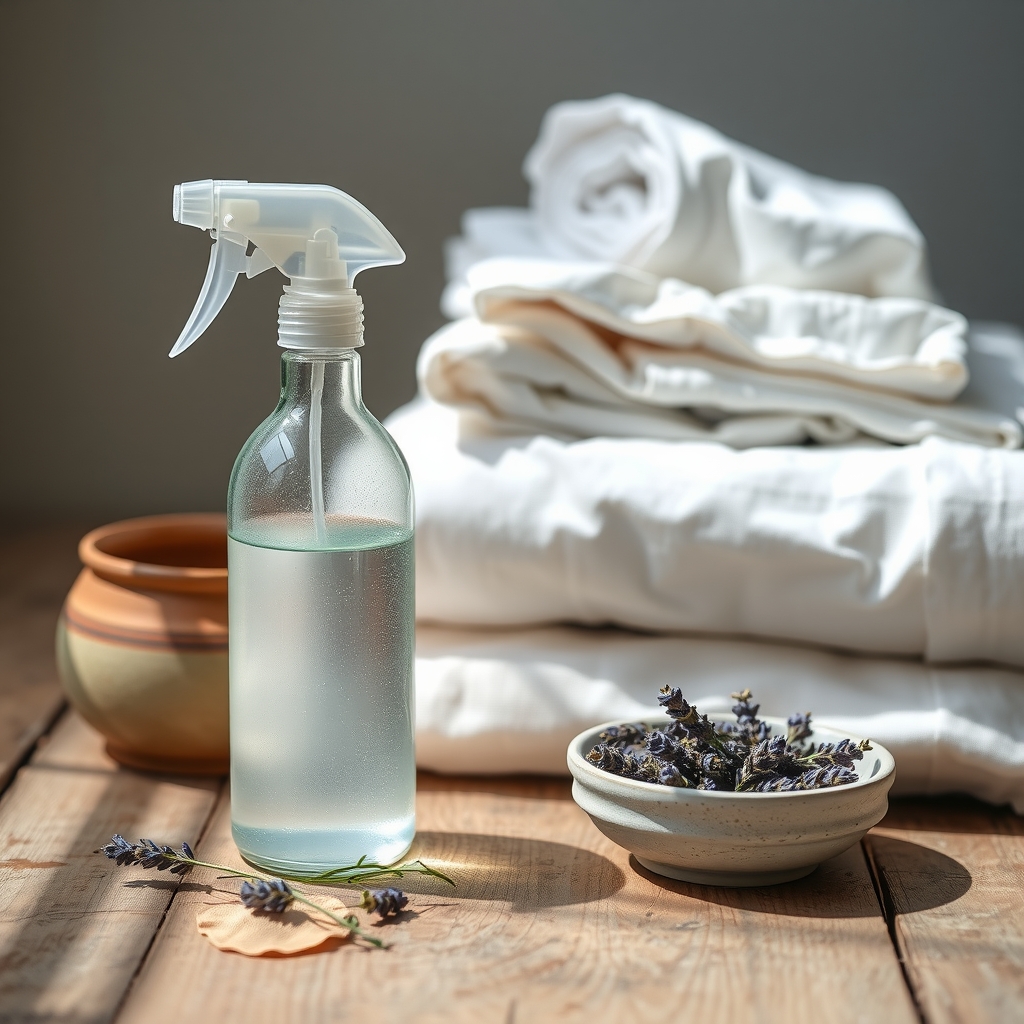
A fine mist of lavender water makes ironing more pleasant and gives sheets a soft, clean scent. Here is a gentle version made with dried buds, plus a few safety rules for fabric, skin and pets.
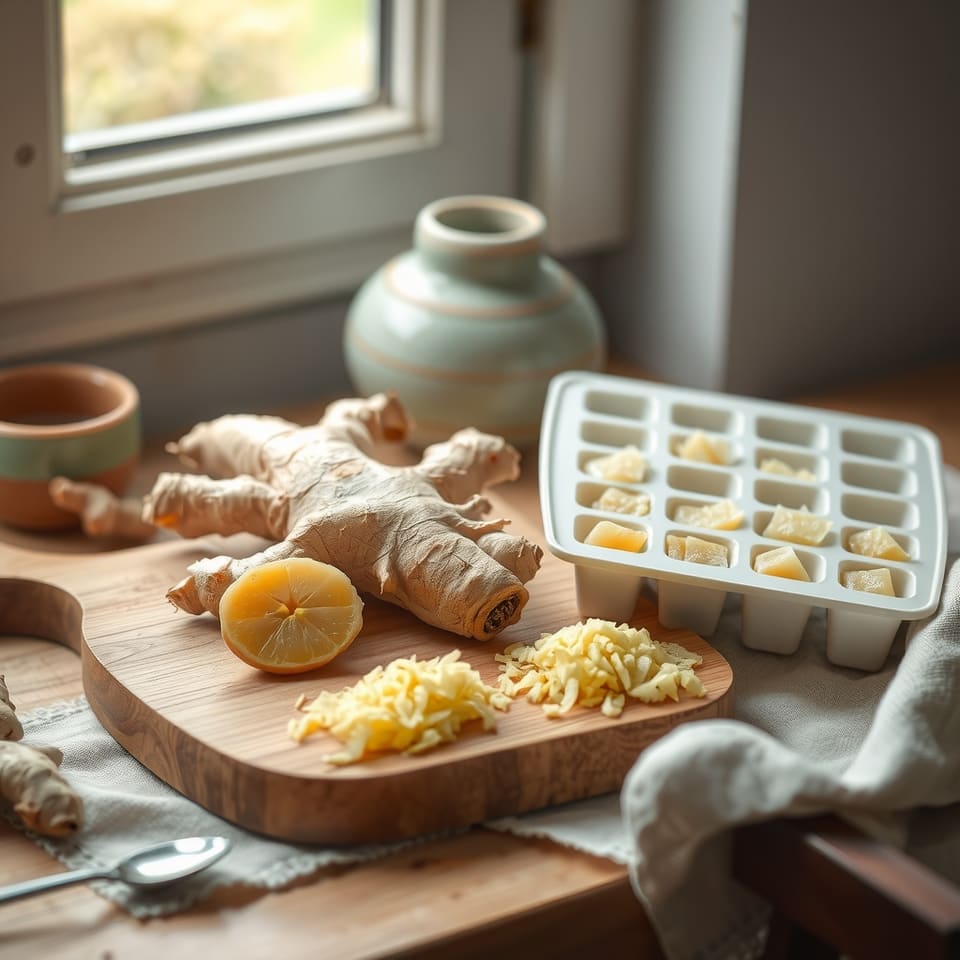
Fresh ginger keeps for weeks in the fridge and for months in the freezer if you store it the right way. Here is how long each method lasts, how to handle ginger paste safely, and the signs that mean it belongs in the bin.
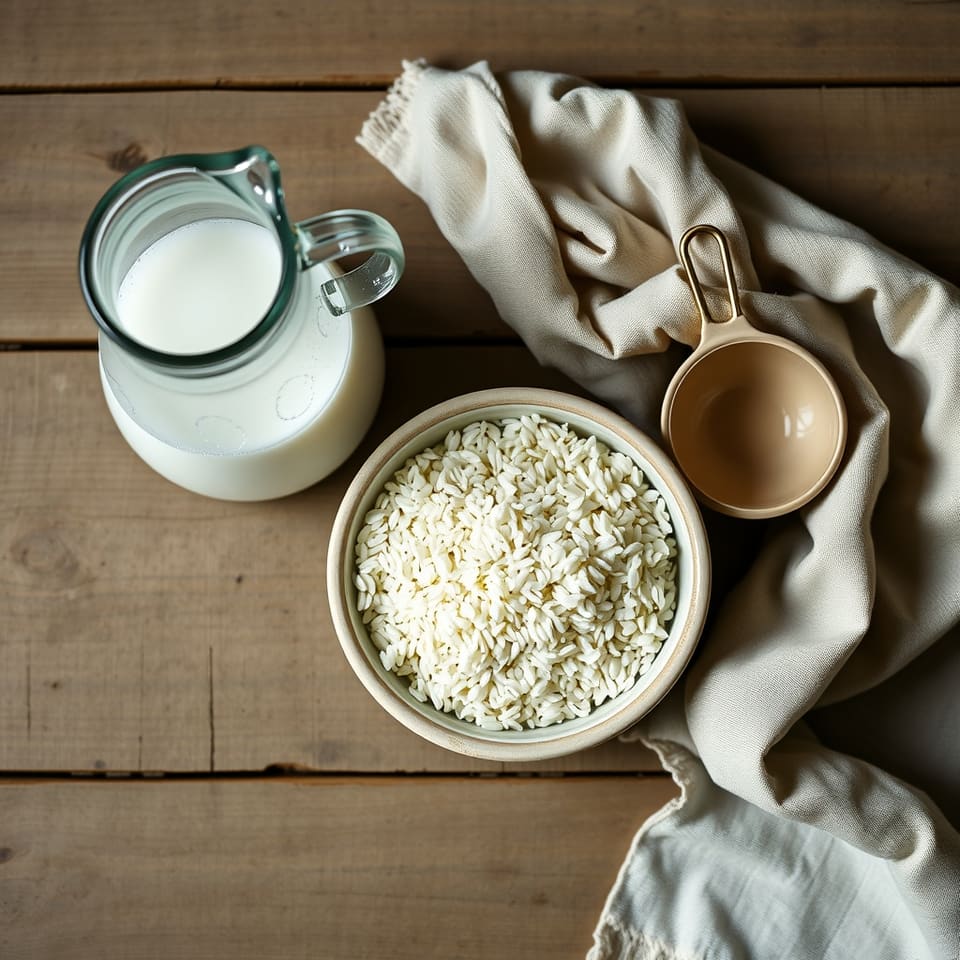
Rice water is one of the most shared hair tips online. Here is how to make a simple soaked rinse, what the research actually shows, and when hair loss needs a doctor instead.
Some kitchen herbs are listed as non-toxic to cats and dogs, while others that feel just as harmless can make pets ill. Here is how to tell them apart and plant a pot you do not have to worry about.
Liver cleanses and liver teas are easy to buy, but the things that really protect your liver are simpler and free. Here is what your liver does, what harms it, and the habits that make a difference.
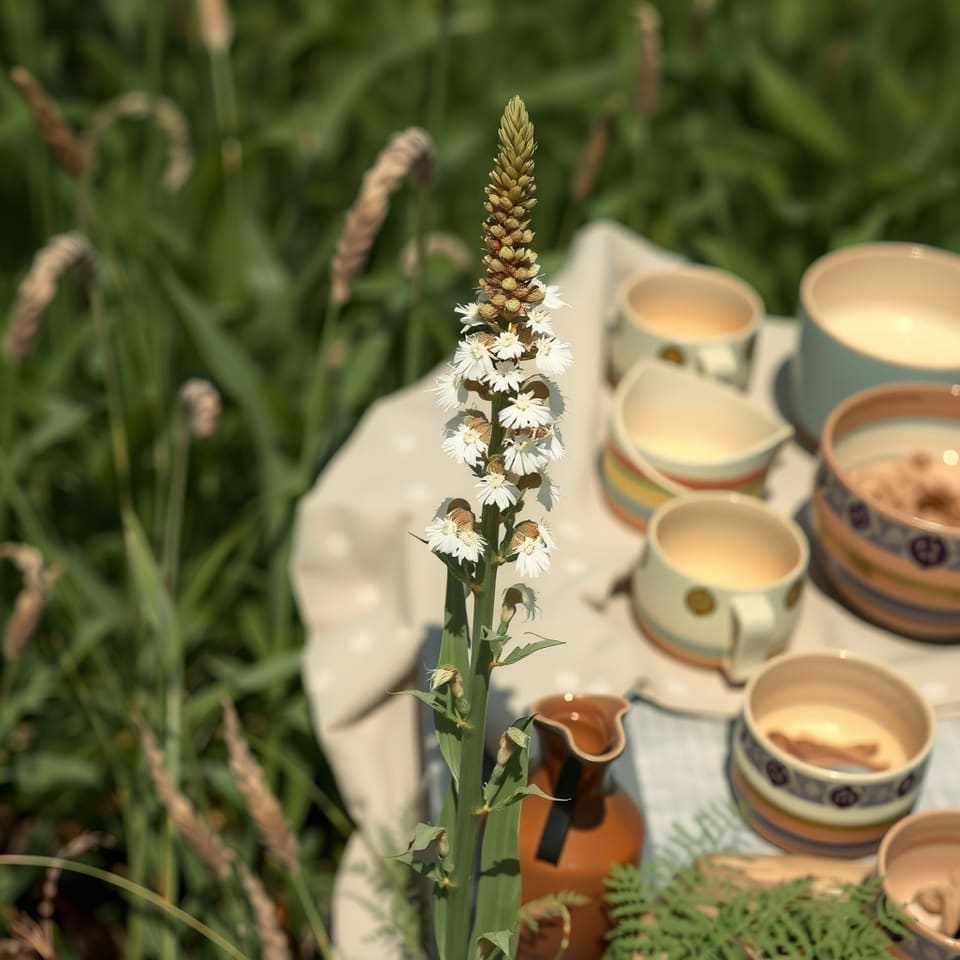
Poison hemlock belongs to the carrot family, and its lacy young leaves can be mistaken for parsley. Here is how to recognize it and the simple rules that keep wild herbs off your plate.
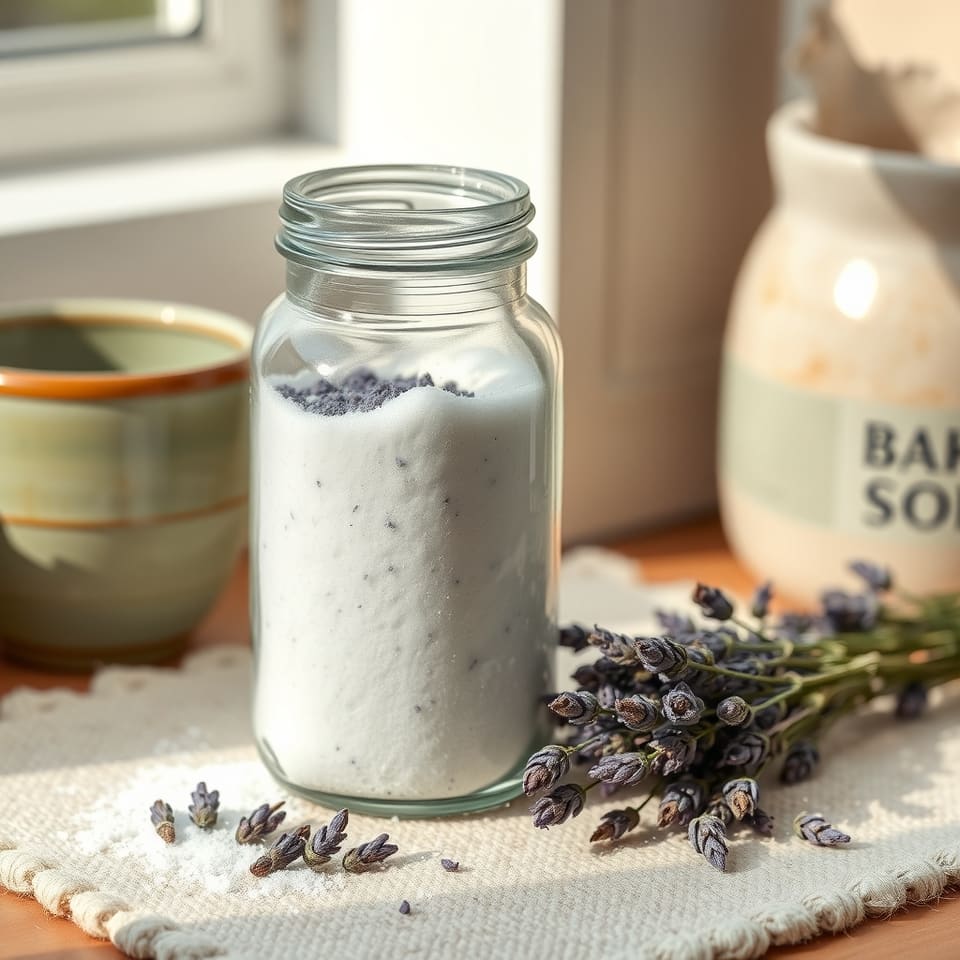
Baking soda sprinkled on a dry carpet and vacuumed up the next morning is an old, cheap way to freshen a room. A little dried lavender adds a soft scent, unless you share your home with pets.
Chamomile tea is one of the world's favorite bedtime drinks, and for most people it is well tolerated. But it belongs to the daisy family, and for some people that means a real risk of allergy.
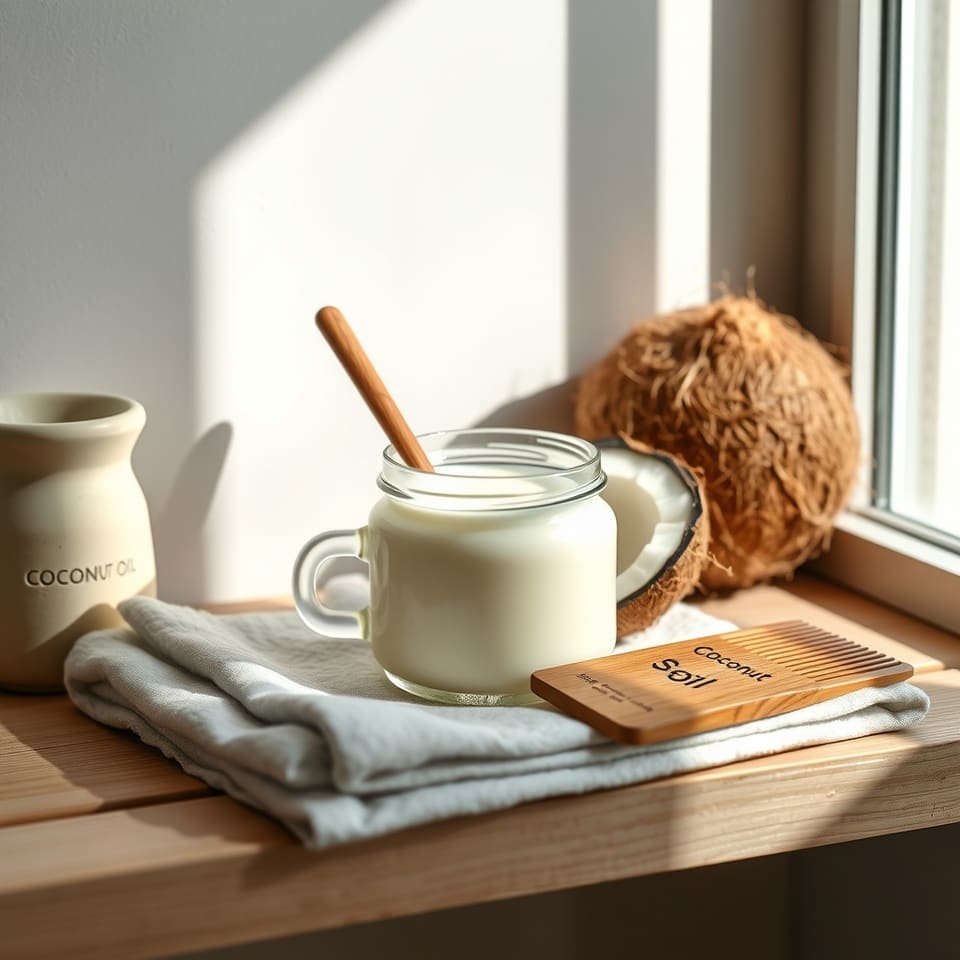
Coconut oil is one of the few kitchen oils with some lab evidence behind it for hair. It belongs on the lengths of your hair, and it may be a poor choice for a flaky or spotty scalp.
When the night stays warm, sleep gets light and broken. A cooler room, the right drinks at the right time and a few simple habits make a real difference.
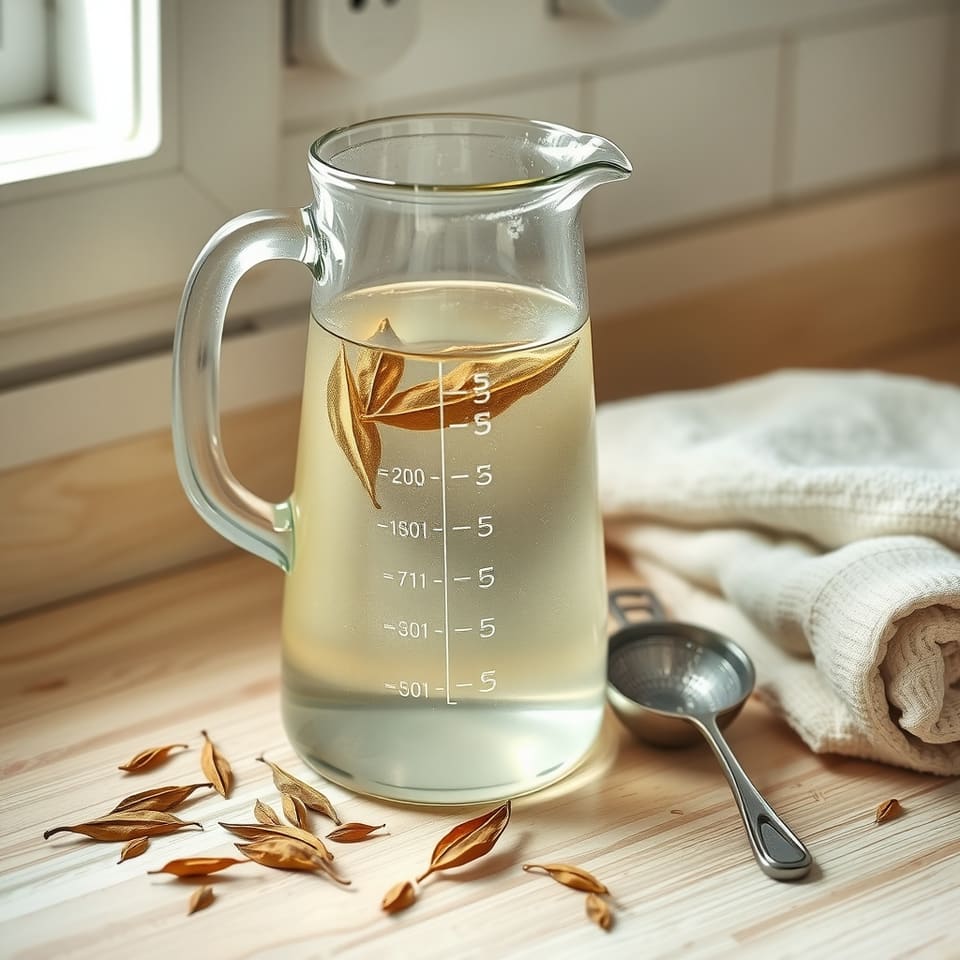
A cooled bay leaf brew used as a final rinse is a fragrant, cheap ritual. There is no proof it grows hair, and the one real danger is picking the wrong leaf from a garden hedge.
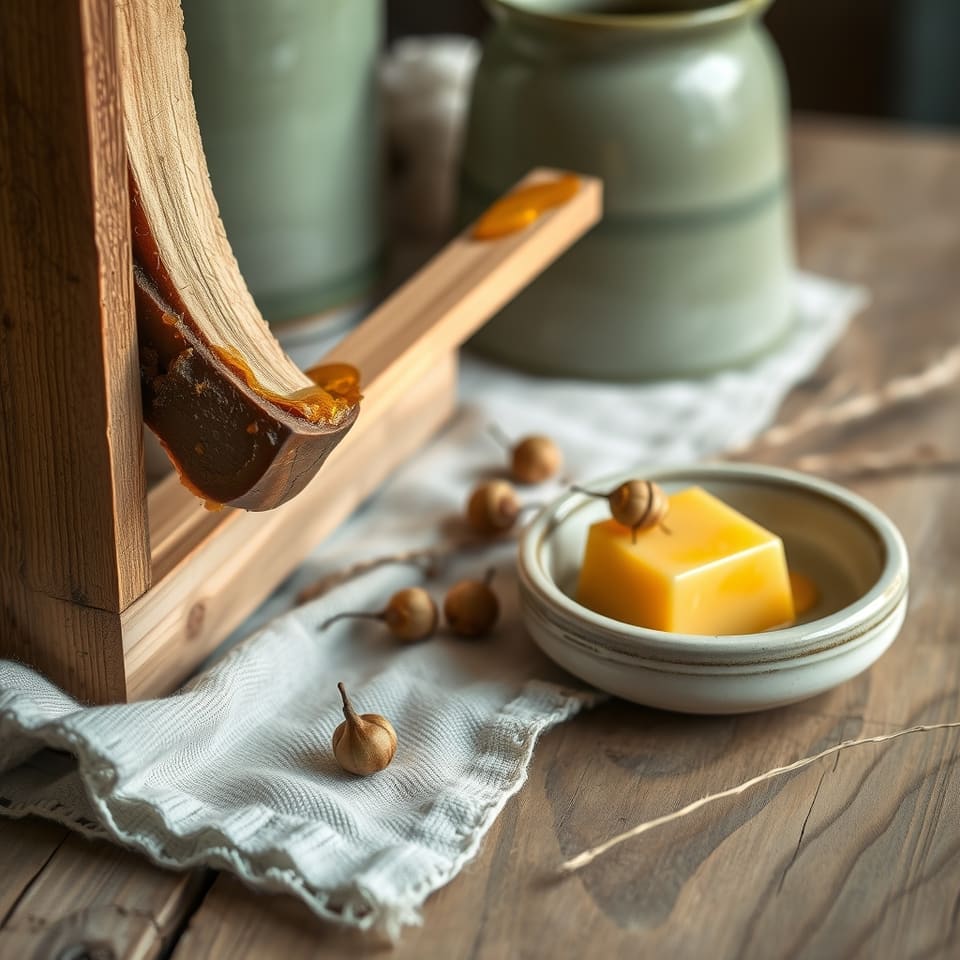
Propolis turns up in throat sprays, lozenges and toothpastes in many countries. Here is what this sticky bee product is, what the studies actually show, and why it is not as harmless as its natural image suggests.
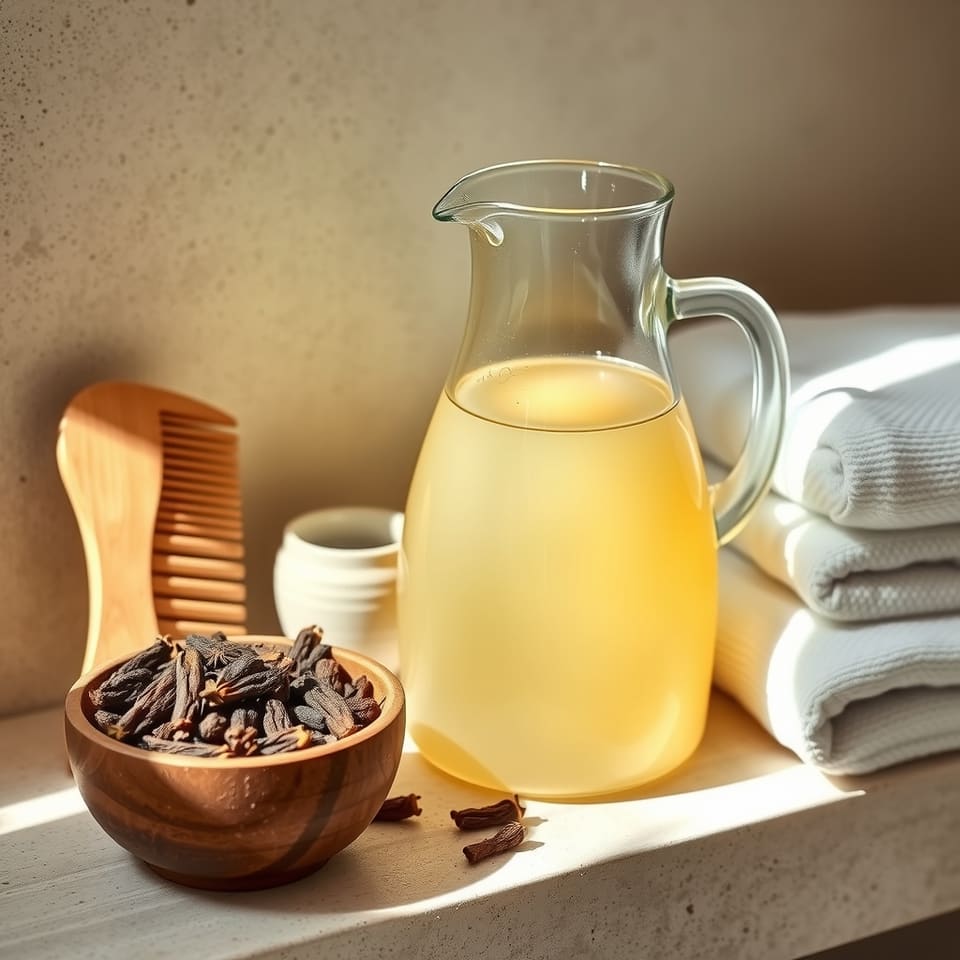
Clove water rinses are popular in hair care videos, with promises of thicker, faster-growing hair. The real evidence is close to zero, but if you enjoy a fragrant rinse, here is how to make a mild one and use it safely.
Put your shop, brand or service in front of people reading about herbs, natural skin care and home remedies, in English and Greek.