Turmeric Face Masks: Staining, Allergy and Evidence
Turmeric masks are popular online, but the evidence for skin benefits is early, the yellow color can linger, and turmeric can cause allergic skin reactions. Here is what to know before you try one.
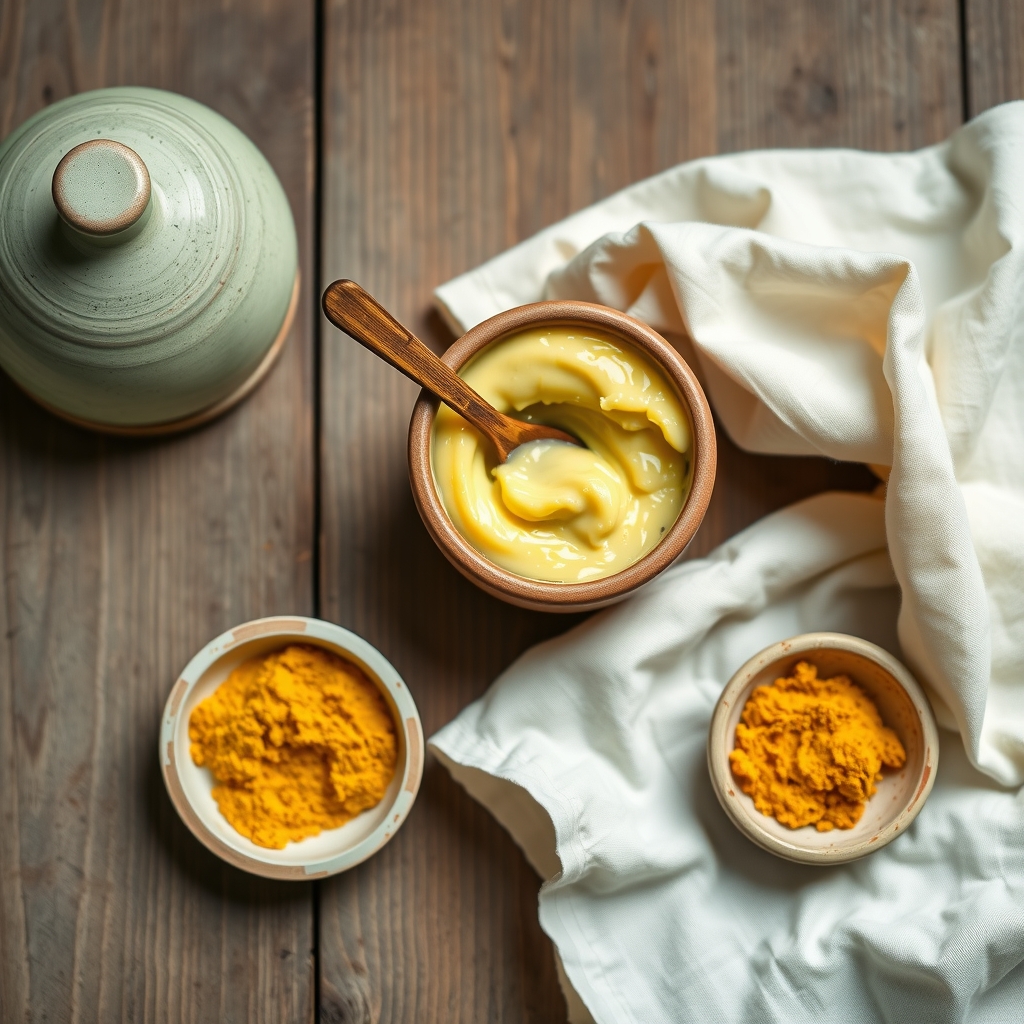
Turmeric is the bright yellow spice behind many curries, and it has become a favorite ingredient in homemade face masks. Videos promise calmer, brighter skin from a spoonful of spice mixed with yogurt or honey.
The reality is more mixed. A few small studies have tested turmeric and its main compound, curcumin, on skin conditions, but the evidence is still early. Turmeric can also leave a yellow tint and, in some people, cause an allergic rash. This guide covers what is known, a gentle mask if you want to try one, and how to do it safely.
Why people use it
Curcumin, the substance that gives turmeric its color, has anti-inflammatory properties in laboratory research. That is the main reason people put turmeric on their skin, hoping to calm redness or spots.
In some traditions, turmeric paste or turmeric-based powders are applied to the skin for beauty and ceremonies. Using a spice on the skin is very different from eating it in food, though, and it brings its own risks.
Gentle Turmeric and Yogurt Mask
You need
- ground turmeric, plain food-grade spice1/4 teaspoon (about 1 g)
- plain unsweetened yogurt1 tablespoon (15 ml)
- runny honey (optional)1 teaspoon (5 ml)
Method
- Do a patch test first. Mix a pinch of turmeric with a little yogurt, dab it on the inner arm, rinse after 10 minutes and wait 24 hours. Skip the mask if you notice redness, itching or bumps.
- If the patch test is clear, wash your face with a gentle cleanser and pat it dry. Tie back your hair and wear an old top.
- Mix the turmeric, yogurt and honey, if using, in a small bowl into a smooth, pale yellow paste.
- Spread a thin layer on your face with clean fingers, avoiding the eyes, lips and any broken or irritated skin.
- Leave it for no more than 10 minutes. Stop and rinse straight away if it stings or itches.
- Rinse with lukewarm water and a gentle cleanser, then pat dry with a dark towel and apply a fragrance-free moisturizer.
Tips
- Use a small amount of turmeric. More spice means more staining, not better results.
- Do not add lemon juice, baking soda or essential oils, which can irritate the skin.
- If a faint yellow tint remains, wash again gently with your usual cleanser rather than scrubbing.
- Make a fresh mix each time and throw away any leftovers.
What the evidence says
A systematic review in Phytotherapy Research looked at clinical studies of turmeric and curcumin for skin. Only 18 studies met the criteria: eight used turmeric on the skin, nine used it by mouth and one used both. They covered conditions such as acne, atopic dermatitis, psoriasis, itching and sun-related aging.
Ten of those studies reported some improvement compared with a control group, but the authors described the research as limited and early, and said more and better studies are needed. Many tested specific creams or extracts, not a kitchen mask.
The US National Center for Complementary and Integrative Health notes that curcumin applied to the skin can cause hives or itching. In other words, the evidence is too thin to promise any result, and a skin reaction is a real possibility.
Staining and allergy: what to watch for
Turmeric is a strong natural dye. It can leave a yellow or orange tint on light skin, nails, towels, clothes and grout. Keep the mask thin, wear an old top, and use a dark towel.
Curcumin is also a known contact allergen. A review in the Journal of Clinical and Aesthetic Dermatology describes allergic skin reactions in spice workers, food factory staff and people using turmeric-containing creams and colored forehead powders. In some cases, the only sign was patches of darker or lighter skin.
The NHS explains that contact dermatitis is an itchy, dry, cracked or blistered rash that usually appears within hours or days of touching a trigger. If that happens, rinse the area, stop using the product and use a plain, fragrance-free moisturizer.
Questions people ask
Will a turmeric mask clear my acne?
There is no good evidence that a homemade mask will. A few small studies have tested turmeric or curcumin products for acne and other conditions, but researchers say the evidence is still early. A dermatologist can suggest proven treatments.
How do I stop turmeric from staining my skin?
Use only a little turmeric, keep the layer thin, leave it on for 10 minutes or less and rinse with a gentle cleanser. Protect towels and clothes, because the color stains fabric easily.
Can I be allergic to turmeric even if I eat it?
Yes. Allergic skin reactions to curcumin have been reported, including in people who handle it at work. Eating a spice without problems does not mean your skin will tolerate it, so always patch test first.
Sources
- Turmeric — National Center for Complementary and Integrative Health
- Effects of Turmeric (Curcuma longa) on Skin Health: A Systematic Review of the Clinical Evidence — Phytotherapy Research (via PubMed, NCBI)
- Curcumin: A Contact Allergen — Journal of Clinical and Aesthetic Dermatology (via PubMed, NCBI)
- Contact dermatitis — NHS
This article is for general information only and is not medical advice. Herbs can interact with medicines and health conditions. Talk to a doctor or pharmacist before trying a herbal remedy, especially if you are pregnant, breastfeeding, giving it to a child, or taking any medication.