Plain Honey and Oat Face Mask: What Is Known
Honey and finely ground oats make a soft, simple face mask from the kitchen cupboard. Here is an honest look at what is known, what is hype, and how to try it safely.
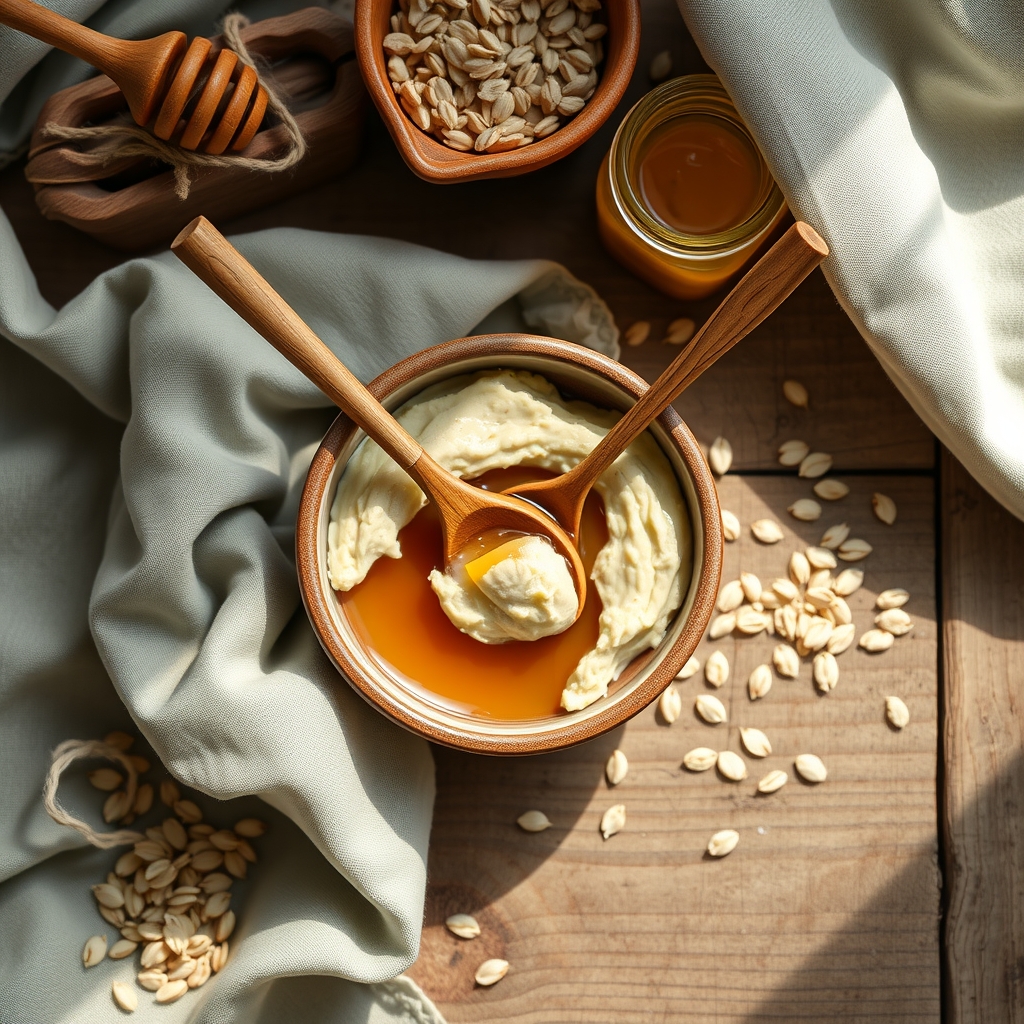
Honey and oats turn up in countless homemade beauty recipes, often with big promises about glowing skin or clearing spots overnight. The real picture is more modest, but a plain honey and oat mask can still be a pleasant, low-cost way to give your skin a few quiet minutes.
This guide sets out what research actually says about honey and oats on skin, gives you a simple two-ingredient recipe, and explains the patch test and the warning signs that mean a mask is not the answer.
Why people use it
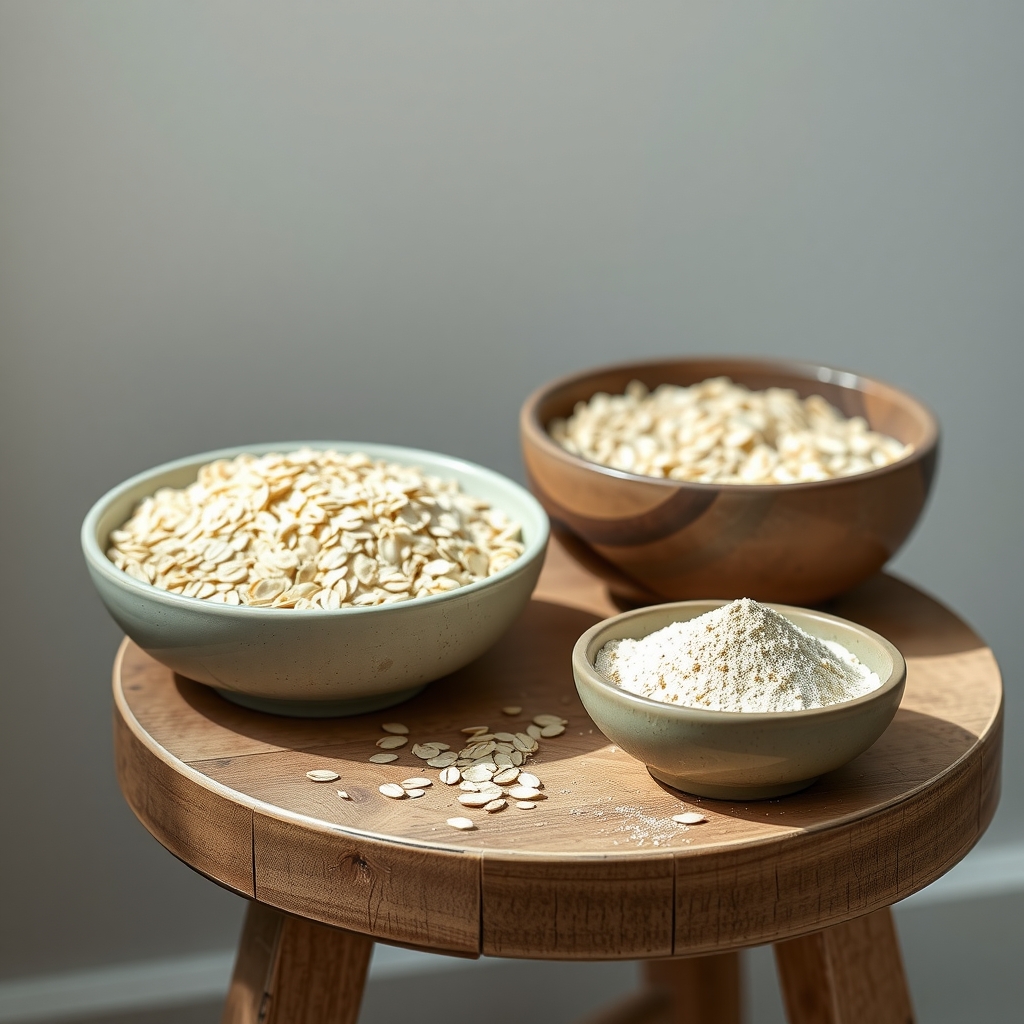
Honey is thick, sticky and holds on to moisture, so it feels smooth on the skin and rinses off easily with warm water. Oats are a familiar skin-soothing ingredient: the American Academy of Dermatology says that adding colloidal oatmeal, oats ground to a very fine powder, to a bath can help relieve dry, itchy skin.
Put together, they make a soft paste that many people enjoy as a simple ritual. That comfort is real, even if the medical claims around it are often overstated.
Plain Honey and Oat Face Mask
You need
- plain rolled oats1 tbsp
- runny honey1 tbsp
- warm water, if needed1 to 2 tsp
Method
- Grind the oats in a clean spice grinder or blender until they are a very fine, soft powder with no rough flakes.
- Mix the oat powder and honey in a small clean bowl. Add a little warm water if the paste is too stiff to spread.
- Wash your face with a gentle cleanser and lukewarm water, and tie back your hair.
- Using clean fingertips, spread a thin layer over your face, keeping away from your eyes and lips.
- Leave it on for 10 to 15 minutes while you sit or lie down.
- Rinse off with lukewarm water using your fingertips, without scrubbing, then pat dry and moisturize.
Tips
- Grind the oats as finely as you can. Coarse pieces act like a scrub, and you want this mask to be gentle.
- Make it fresh each time and throw away any leftover paste.
- Once or twice a week is plenty.
What the evidence says
Most serious research on honey and skin is about wounds and burns treated under medical care. A Cochrane review found that honey appears to heal partial thickness burns faster than conventional dressings, but judged most of the other evidence to be low or very low quality. That work is not about face masks, and it is not a reason to put kitchen honey on a burn or open wound at home.
For spots, the evidence is disappointing. A randomized trial in 136 adults with acne in New Zealand added a medical-grade honey product to antibacterial soap for 12 weeks and found no clear improvement compared with soap alone.
For oats, the support is for colloidal oatmeal easing dry, itchy skin, mainly in baths. There are no good studies of a homemade honey and oat face mask. So it is best thought of as a gentle treat, not a treatment.
Myths to let go of
A honey mask will not detox your skin, shrink pores permanently, erase scars or give you glowing skin overnight. It is also not a substitute for acne care. As the trial above shows, even a medical-grade honey product did not clearly help acne, so if spots are bothering you, a proper acne routine and a dermatologist are the better route.
If you enjoy the mask and your skin likes it, that is reason enough to use it now and then.
Questions people ask
Does a honey mask help with acne?
The evidence says probably not. A 12-week trial in adults found that adding a medical-grade honey product to antibacterial soap did not clearly improve acne. A dermatologist can recommend treatments that do work.
Can I use any kind of honey?
Any plain, runny honey works for this simple mask. No type of honey has been shown to make a face mask more effective, so there is no need to buy anything special.
Is it suitable for very dry or sensitive skin?
Many people find it gentle, but sensitive skin can react to anything new. Do the 7 to 10 day patch test first, and keep sessions short.
Sources
- Honey as a topical treatment for wounds — Cochrane Library
- Randomised controlled trial of topical kanuka honey for the treatment of acne — BMJ Open, via PubMed Central
- Home remedies: What can relieve itchy eczema? — American Academy of Dermatology
- How to test skin care products — American Academy of Dermatology
This article is for general information only and is not medical advice. Herbs can interact with medicines and health conditions. Talk to a doctor or pharmacist before trying a herbal remedy, especially if you are pregnant, breastfeeding, giving it to a child, or taking any medication.