Chamomile and Rosemary Facial Steam: How to Do It Safely
A bowl of hot water with a few dried chamomile flowers and a sprig of rosemary makes a calming, fragrant steam. It feels lovely, but it is not a deep-cleaning treatment, and hot water needs respect.
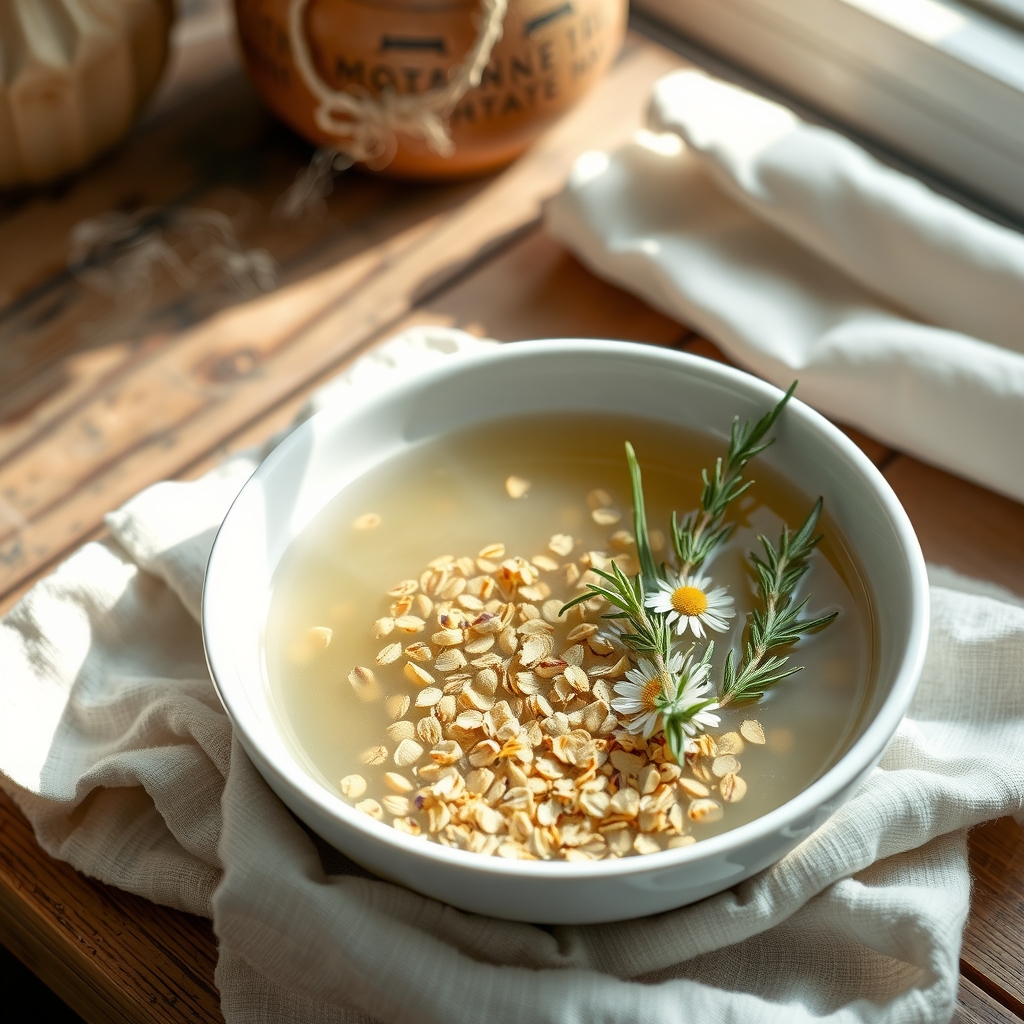
Leaning over a bowl of warm, herb-scented steam with a towel over your head is one of the oldest home spa rituals. Chamomile brings a soft, apple-like smell and rosemary a fresh, piney one, and a few quiet minutes can feel like a real break.
Online, facial steaming is often said to open pores, flush out toxins or clear spots. Those claims are not backed by good evidence. This guide explains what is known, how to set up a steam so you do not scald yourself, and who is better off skipping it.
Why people use it
Most people steam their face simply because it feels relaxing. The warmth softens the skin for a while, the towel shuts out the world, and the herbs add a pleasant scent.
Chamomile is a familiar gentle herb, and rosemary has a long tradition of use in baths. The European Medicines Agency lists rosemary leaf as a traditional bath additive for minor muscle and joint aches, based on long-standing use. Neither herb has been shown to do anything special for facial skin when used in steam.
Gentle Chamomile and Rosemary Facial Steam
You need
- freshly boiled water1 liter (4 cups)
- dried chamomile flowers1 tbsp
- fresh rosemary, about 5 cm (2 inches), rinsed1 small sprig
- clean, dry cotton towel1
Method
- Wash your face with a gentle cleanser and lukewarm water, and tie back your hair.
- Put the chamomile and rosemary in a wide, heavy, heatproof bowl and set it on a stable table.
- Pour in the freshly boiled water and leave it to stand for 3 to 5 minutes so it is no longer at a rolling heat.
- Sit down, close your eyes and lean over the bowl, keeping your face well above the water. Drape the towel over your head and the bowl to hold in the steam.
- Breathe normally for 5 to 10 minutes. Lift the towel or move back whenever you want, and stop at once if your skin feels hot or stings.
- Pat your face dry with a soft towel and apply a plain moisturizer. Let the water cool completely before you carry the bowl away.
Tips
- Once a week is plenty. Steaming more often has no proven benefit.
- If you have only one herb, use it alone. The steam works the same either way.
- Do not add essential oils. They can irritate the eyes and skin, and the steam does not need them.
What the evidence says
There is no good research showing that a home facial steam deep-cleans pores, removes toxins, treats acne or improves skin over time. So treat a steam as a comfort ritual, not a skin treatment.
What is clearer is the risk side. Hot water and steam can scald, and the NHS advises that burns and scalds on the face need urgent medical care. Heat is also a common trigger for rosacea flare-ups, according to the American Academy of Dermatology, so a steam can leave some people flushed and red rather than refreshed.
On the herbs themselves: the US National Center for Complementary and Integrative Health notes that chamomile can cause allergic reactions, especially in people allergic to ragweed, daisies, marigolds or chrysanthemums, and that using it near the eyes may cause irritation. The EMA notes that rosemary can occasionally cause skin reactions such as contact dermatitis.
Setting up a safe steam
Sit at a table with the bowl in front of you, never on your lap, and make sure the bowl is wide, heavy and stable. Let freshly boiled water stand for a few minutes before you begin, so the steam is warm rather than fierce.
Keep your face well above the water, at a distance where the steam feels comfortably warm. If it ever feels hot or stings, lift your head away at once. Five to ten minutes is plenty. Keep children and pets out of the room while the hot bowl is out.
Questions people ask
Does facial steam open and clean out pores?
Not in the way it is often described. There is no good evidence that steam deep-cleans pores or removes toxins. It softens the skin briefly and feels relaxing, and that is about as far as the evidence goes.
Can I steam my face if I have acne?
A short, gentle steam is unlikely to help acne and heat can make inflamed skin look redder. If spots are bothering you, a dermatologist can recommend treatments that are proven to work.
Can I use other herbs?
You can use mild kitchen herbs you know you tolerate, but no herb has been shown to make a steam better for skin. Avoid essential oils, and patch test any herb you have not used on your skin before.
Sources
- Burns and scalds — NHS
- Chamomile: Usefulness and Safety — National Center for Complementary and Integrative Health
- Rosmarini folium - herbal medicinal product — European Medicines Agency
- Triggers could be causing your rosacea flare-ups — American Academy of Dermatology
This article is for general information only and is not medical advice. Herbs can interact with medicines and health conditions. Talk to a doctor or pharmacist before trying a herbal remedy, especially if you are pregnant, breastfeeding, giving it to a child, or taking any medication.