Bay Leaf Water for Hair: What's Known and How to Use It
A cooled bay leaf brew used as a final rinse is a fragrant, cheap ritual. There is no proof it grows hair, and the one real danger is picking the wrong leaf from a garden hedge.
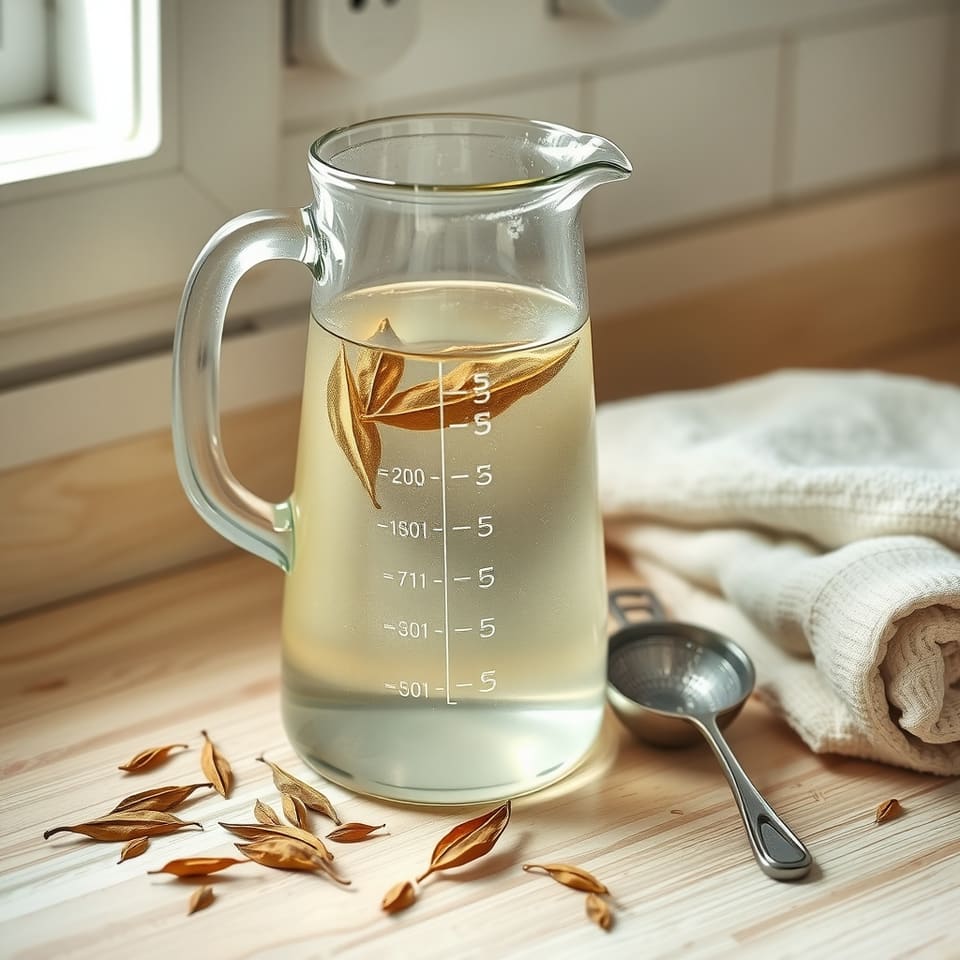
Bay leaves are a quiet hero of kitchens around the world, slipped into stews, soups, rice and sauces. Lately they have also become a hair trend, with videos promising that a simple bay leaf rinse will stop hair fall and make hair grow faster.
A bay leaf rinse is easy to make and smells lovely. But the big promises have nothing solid behind them, and there are two safety points worth knowing before you start: use only true bay laurel, and stop at once if your skin reacts.
Why people use it
True bay laurel, Laurus nobilis, has a warm, camphor-like scent that comes from its essential oil. A 2022 review in the journal Toxins notes that its leaves are rich in plant compounds called polyphenols, including flavonoids and phenolic acids, and that they have long been used both in cooking and in folk medicine.
Online, that reputation has grown into claims that bay water strengthens roots, fights dandruff and thickens hair. In practice, most people use it the way rinses have been used for generations: as a fragrant final pour after washing that leaves hair smelling pleasant.
Bay Leaf Hair Rinse
You need
- dried culinary bay leaves (Laurus nobilis)5 to 6
- water600 ml (2 1/2 cups)
Method
- Rinse the leaves and put them in a small pan with the water.
- Bring to a boil, then lower the heat and simmer for 10 minutes.
- Turn off the heat, cover and leave until it is completely cool.
- Strain into a clean jug or bottle and throw the leaves away where pets cannot reach them.
- After shampooing and conditioning, lean over the sink or bath and slowly pour the rinse over your hair, keeping your eyes closed.
- Gently squeeze out the extra and dry your hair as usual. You can leave it in or rinse lightly with water.
Tips
- Keep any leftover rinse in the fridge and use it within two days. Throw it away if it turns cloudy or smells off.
- For a stronger scent, crumble the leaves before simmering rather than adding more.
- This is a rinse for your hair, not a drink. If you want bay leaf tea, follow a recipe made for drinking.
What the evidence says
We found no clinical studies of bay leaf water on human hair or scalp. Lab research on bay leaf compounds does not tell you what a homemade rinse does on your head. There is no good evidence that bay leaf water grows hair, stops hair loss or treats dandruff.
Bay leaves are not completely harmless on skin either. A 2023 report in the journal Contact Dermatitis described an allergic skin reaction, of a type called erythema multiforme-like contact dermatitis, caused by bay leaves in a home-made natural remedy. A short report like this cannot tell us how common this is, but it is a good reason to patch test first.
If you enjoy the rinse, there is little harm in using it now and then. Just do not rely on it if you are losing hair. The American Academy of Dermatology notes that many types of hair loss can be treated, and that treatment tends to work better when it starts early.
Bay laurel or cherry laurel?
If you pick leaves from a garden rather than buying dried bay leaves for cooking, be careful. Cherry laurel, a common hedge shrub, has glossy leaves that look similar, and the Toxins review warns that the two are easily confused. Cherry laurel contains cyanogenic glycosides, compounds that can release cyanide.
The review gives some clues. Crushed cherry laurel leaves smell of almonds, while true bay smells warm and camphor-like. Cherry laurel leaves usually have finely toothed edges, small glands on the underside near the stalk, and a green stalk, while bay laurel stalks are often reddish. If you are not completely sure, use dried culinary bay leaves instead.
Questions people ask
Does bay leaf water make hair grow?
There is no good evidence that it does. It can be a pleasant, fragrant rinse, but it is not a hair loss treatment.
How often can I use a bay leaf rinse?
Once or twice a week is plenty if your skin is fine with it. Stop if your scalp becomes itchy or red.
How much hair loss is normal?
The AAD says it is normal to shed 50 to 100 hairs a day. If you are losing much more than that, or see thin patches, see a dermatologist.
Sources
- Risk of Poisoning from Garden Plants: Misidentification between Laurel and Cherry Laurel — Toxins (PMC)
- Erythema multiforme-like allergic contact dermatitis from bay leaves in a home-made natural remedy — Contact Dermatitis (PubMed)
- Do you have hair loss or hair shedding? — American Academy of Dermatology
- Bay Laurel — ASPCA Animal Poison Control
This article is for general information only and is not medical advice. Herbs can interact with medicines and health conditions. Talk to a doctor or pharmacist before trying a herbal remedy, especially if you are pregnant, breastfeeding, giving it to a child, or taking any medication.