Olive Oil for Dry Hands and Cuticles
A few drops of kitchen olive oil massaged into dry cuticles is an old, easy habit. Here is how to do it, how it compares with what dermatologists recommend, and the nail warning signs not to ignore.
Frequent hand washing, cleaning, cold weather and dry indoor air can leave your hands rough and your cuticles cracked or ragged. Many people reach for the bottle of olive oil in the kitchen and rub a little into their nails at night.
It is a simple, low-cost habit, and it can feel soothing. But olive oil is only one small part of looking after dry hands. This guide shows you how to use it, what dermatologists actually advise, and why the cuticle itself deserves more respect than it usually gets.
Why your cuticles matter
Mayo Clinic explains that cuticles seal the skin to the nail plate. Removing them, or picking and biting at them, can damage the nail and let germs in through even a small cut.
Cleveland Clinic notes that a common nail-fold infection called paronychia often starts this way: bacteria get in through hangnails, cuticle damage or manicure injuries, or skin that is irritated by water and chemicals. Keeping the skin around your nails soft and intact, rather than cutting it away, is the aim.
Simple Olive Oil Cuticle Treatment
You need
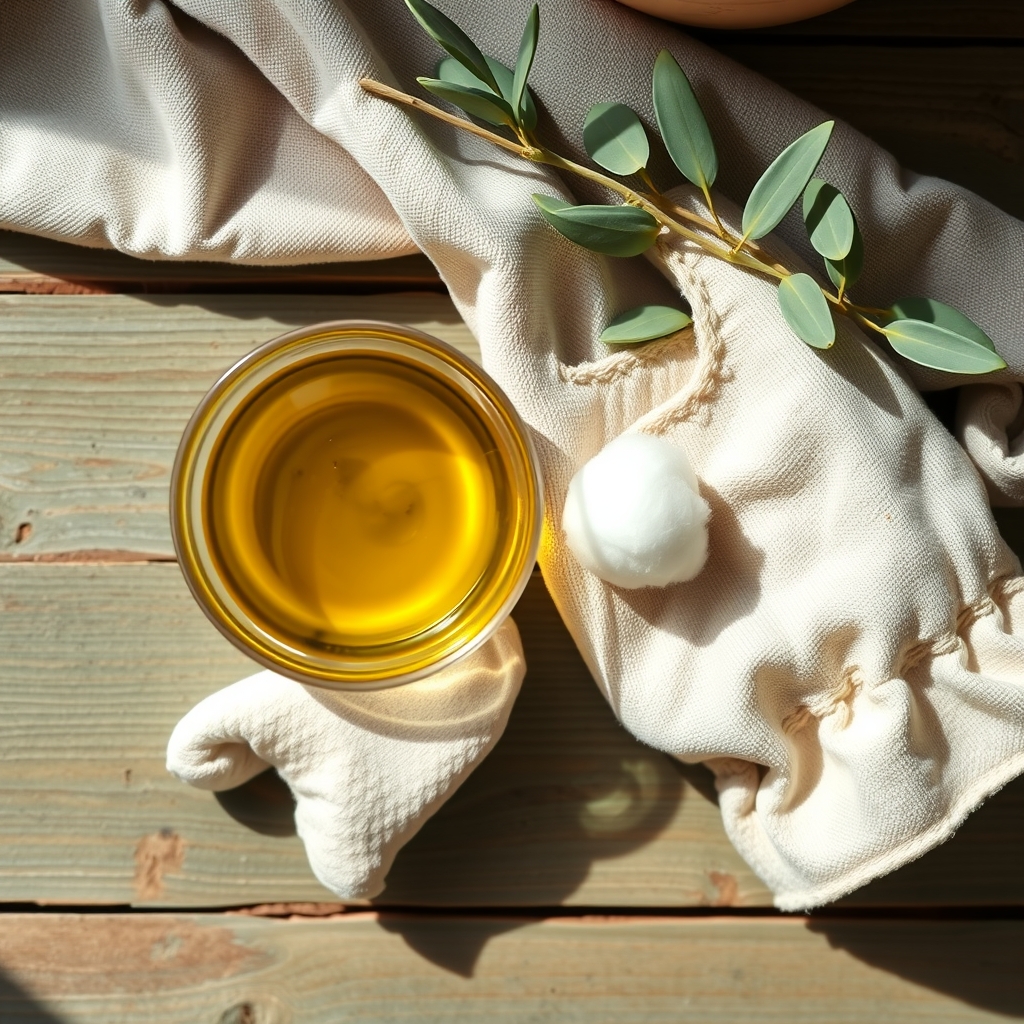
- plain olive oil1/2 tsp (about 2.5 ml)
- clean cotton gloves (optional, for overnight)1 pair
Method
- Wash your hands with lukewarm water and a mild soap, then pat them dry gently, leaving them very slightly damp.
- Pour the olive oil into a small clean dish.
- Dip a clean fingertip or cotton bud into the oil and dab a drop onto the cuticle and nail of each finger.
- Massage it in gently for 20 to 30 seconds per nail. Do not push hard or tear at loose skin.
- Rub any oil left on your fingers into the backs of your hands, then follow with your usual hand cream if your skin is very dry.
- For an overnight treatment, slip on clean cotton gloves before bed.
Tips
- If you have a hangnail, do not pull or bite it. Torn skin beside the nail is an easy way in for germs.
- Pour out only what you need each time so the rest of the bottle stays clean.
- The oil can feel greasy, so evening is usually the easiest time.
What the evidence says
There is no good research specifically on olive oil for cuticles, and the medical sources here do not single it out. What they do support is regular moisturizing. Mayo Clinic advises rubbing hand lotion into your nails and cuticles, and the American Academy of Dermatology recommends moisturizing your hands after every wash.
The academy also says ointments and creams add more moisture and work better than thin lotions, and suggests looking for ingredients such as petrolatum, glycerin, dimethicone or shea butter.
So olive oil can be a pleasant extra for softening cuticles, but it is not proven to be better than an ordinary thick hand cream or ointment. If it works for you and causes no irritation, it is a reasonable choice.
Daily habits that help more
The American Academy of Dermatology suggests washing and showering in warm, not hot, water, patting skin dry instead of rubbing, and moisturizing while your skin is still slightly damp. Wearing gloves for washing dishes, cleaning and gardening, and in cold, dry weather, protects your hands too.
Mayo Clinic recommends cotton-lined rubber gloves for dishwashing, cleaning and harsh chemicals, and not biting your nails or picking at your cuticles.
Questions people ask
Is olive oil better than cuticle cream?
There is no evidence that it is. Dermatologists recommend regular moisturizing with creams or ointments. Olive oil is a fine low-cost option if your skin tolerates it.
How often can I use olive oil on my cuticles?
Once a day, often at bedtime, is plenty. Moisturizing your hands after every wash with a hand cream matters more than how often you use the oil.
Should I push my cuticles back?
The safest choice is to leave them alone. Mayo Clinic and the American Academy of Dermatology advise against removing cuticles, since this can damage the nail and allow infection.
Sources
- Dermatologists' top tips for relieving dry skin — American Academy of Dermatology
- 11 dermatologists' tips for healthy nails — American Academy of Dermatology
- Fingernails: Do's and don'ts for healthy nails — Mayo Clinic
- Paronychia (Nail Infection) — Cleveland Clinic
This article is for general information only and is not medical advice. Herbs can interact with medicines and health conditions. Talk to a doctor or pharmacist before trying a herbal remedy, especially if you are pregnant, breastfeeding, giving it to a child, or taking any medication.