Witch Hazel Toner: What It Does and Doesn't Do
Witch hazel water is a traditional remedy for minor skin irritation, but it is not a proven acne treatment and its alcohol can dry or sting sensitive skin. Here is how to decide if it suits you and how to use it gently.
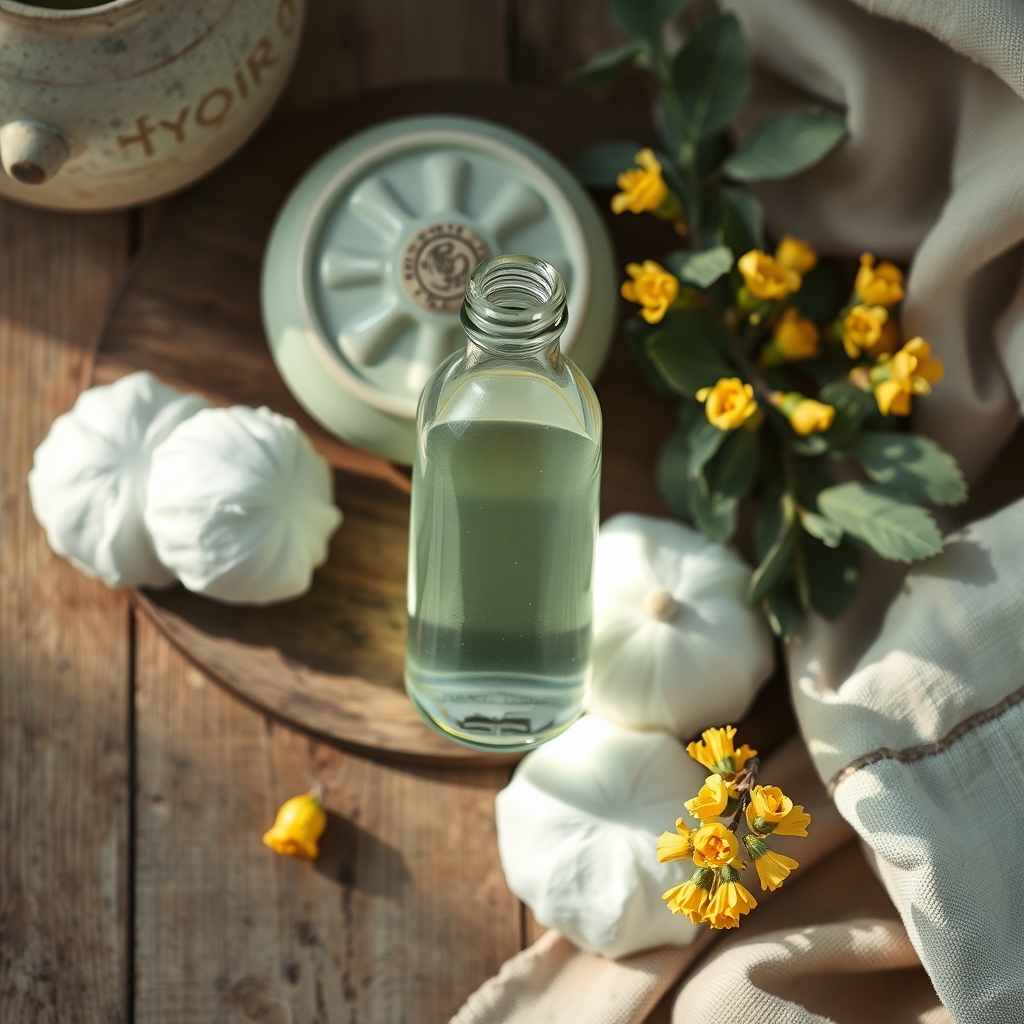
Witch hazel is a shrub from North America with spidery yellow flowers. The clear liquid sold as witch hazel water, or distilled witch hazel, is made by steaming its leaves, bark or twigs. It has been dabbed on skin for generations as a cooling, tightening toner.
Today it is often sold as a natural fix for oily skin, pores and spots. Some of that reputation is earned, and some is not. This guide explains what witch hazel is officially recognized for, what the evidence actually shows, and how to try it without irritating your skin.
What it is recognized for
The European Medicines Agency lists witch hazel distillate as a traditional herbal medicine for relief of minor skin inflammation and dryness of the skin, applied to the skin. Traditional means the listing is based on long-standing use, not on strong clinical trials.
The same listing covers separate eye drop preparations for tired, dry eyes. Those are specially made and diluted products. A toner from the bathroom shelf is not meant for your eyes.
What the evidence says
The European assessment found few clinical trials on witch hazel water itself. Some research has used other witch hazel extracts, and older reports suggest a possible benefit for itchy, inflamed skin, but this is not strong evidence for the distilled toner you buy.
An interesting detail from the assessment: the distilled water contains almost none of the plant's tannins, the compounds often credited for its tightening effect. The assessors note that the alcohol in it provides much of the astringent feel. Depending on how it is made, the distillate contains roughly 6% to 15% alcohol.
The honest summary: witch hazel water may soothe a small patch of minor irritation, and many people like how it feels. There is no good evidence that it shrinks pores, clears acne or treats a skin condition.
Witch hazel and acne-prone skin
If you have acne, be careful with toners. The American Academy of Dermatology advises people with acne to avoid products that can irritate the skin, including astringents, toners and exfoliants, because they can dry the skin and make acne worse. It recommends gentle products labeled alcohol-free.
Dermatologists also suggest applying products with your fingertips rather than scrubbing with cloths or sponges. If you still want to try witch hazel, choose an alcohol-free version and use it sparingly, and stop if your skin gets drier or more irritated.
How to use it gently, step by step
Step 1: Check the label. Choose plain witch hazel water without added fragrance, and prefer alcohol-free if your skin is dry, sensitive or acne-prone.
Step 2: Patch test first. Dab a little on the inner arm and wait 24 hours. Do not use it if you see redness, itching or bumps.
Step 3: Start with clean skin. Wash with a gentle cleanser and lukewarm water, then pat dry.
Step 4: Apply lightly. Moisten a cotton pad or your fingertips and press it gently onto the skin, avoiding the eyes and lips. Do not rub or scrub.
Step 5: Follow with moisturizer. A plain, fragrance-free moisturizer helps offset any drying effect.
Step 6: Go slowly. Use it once a day at first. If symptoms last more than two weeks or get worse, stop and see a doctor.
Questions people ask
Does witch hazel shrink pores?
There is no good evidence that it does. The tightening feeling comes mostly from the alcohol in distilled witch hazel and is temporary. It does not change the size of your pores.
Is witch hazel good for acne?
It is not a proven acne treatment, and dermatologists advise people with acne to avoid astringents and toners that can dry and irritate the skin. If you want to try it, use an alcohol-free version gently and stop if your skin reacts.
How often can I use witch hazel on my face?
Start with once a day after a patch test. If your skin feels tight, dry or stings, use it less often or stop. If minor irritation has not improved after two weeks, see a doctor.
Sources
- Community herbal monograph on Hamamelis virginiana L., folium et cortex aut ramunculus destillatum — European Medicines Agency
- Assessment report on Hamamelis virginiana L., cortex; folium; folium et cortex aut ramunculus destillatum — European Medicines Agency
- Acne: Tips for managing — American Academy of Dermatology
This article is for general information only and is not medical advice. Herbs can interact with medicines and health conditions. Talk to a doctor or pharmacist before trying a herbal remedy, especially if you are pregnant, breastfeeding, giving it to a child, or taking any medication.