Tea for Menopause Hot Flashes: What the Evidence Says
Herbal teas for menopause are everywhere, but the evidence behind them is thin. Here is an honest guide to the herbs people try, a cooling drink to sip, and the proven options worth asking your doctor about.
A hot flash can arrive out of nowhere: a sudden wave of heat, flushed skin and sweating that usually lasts a few minutes. Hot flashes and night sweats are among the most common symptoms of menopause, and women around the world look for gentle ways to cope.
Herbal teas are one of the first things many people reach for. Some herbs have been studied, but the results are mostly weak or mixed. This guide explains what is known, why the temperature of your drink may matter more than the herb in it, and which treatments have much stronger evidence.
Why a cold drink may help more than a hot one
The NHS lists hot drinks, caffeine, alcohol, spicy food and smoking as possible triggers for hot flushes, and suggests having a cold drink, using a fan and wearing light layers. Cleveland Clinic gives similar advice, adding that a typical hot flash lasts about one to five minutes.
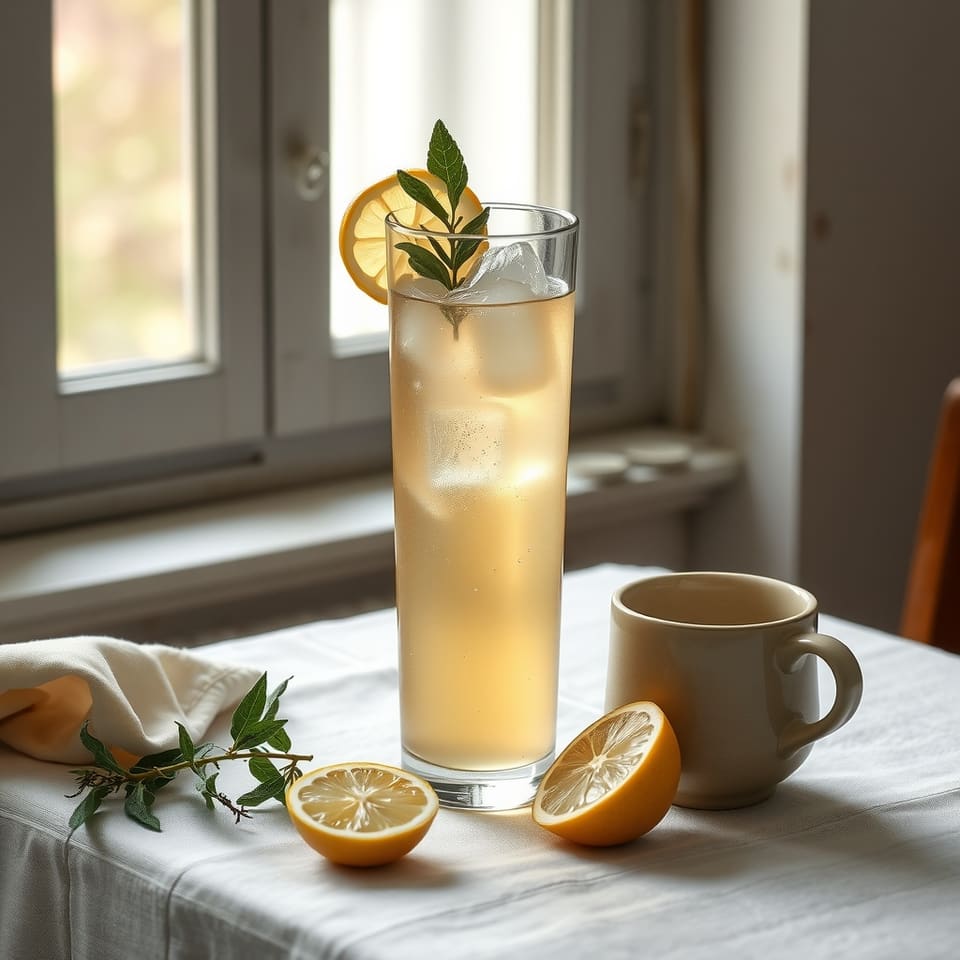
So if tea is part of your day, try it iced. A chilled herbal tea made without tea leaves gives you something cool to sip without the triggers of a hot coffee or a glass of wine. Keeping a jug in the fridge and a glass by the bed are small, practical changes.
Iced Sage and Lemon Tea
You need
- water at a rolling boil250 ml (1 cup)
- fresh sage leaves, washed, or 1 tsp dried sage4 to 5
- strip of lemon peel, washed1
- cold water250 ml (1 cup)
- lemon juice or honey, optional1 to 2 tsp
- ice cubes and lemon slices, to serve
Method
- Put the sage and lemon peel in a heatproof jug and pour over the boiling water.
- Cover and steep for 5 minutes. A short steep keeps the flavor gentle.
- Strain, stir in the honey if using, and add the cold water.
- Cool, then refrigerate until cold. Pour over ice with a slice of lemon and a squeeze of juice.
Tips
- Keep the jug covered in the fridge and drink it within a day.
- Sage has a strong flavor. If it tastes too medicinal, use fewer leaves or mix half and half with a mild caffeine-free tea.
- Never give honey to a baby under 12 months.
The herbs people try
Sage: NCCIH says a few small studies suggest common sage might help reduce how often hot flashes happen, but research is limited and no firm conclusions can be drawn. Sage contains thujone, which can be toxic in large amounts, so sage may be unsafe at high doses or with long-term use.
Red clover and soy: Both contain plant compounds called isoflavones that act a little like estrogen. NCCIH reports inconsistent results for menopause symptoms. Because they act like estrogen, they may not be safe for women who should not take estrogen, and long-term safety is not established.
Black cohosh: NCCIH says studies have shown inconsistent results and a review found not enough evidence to support it. Rare but serious liver damage has been reported with commercial products. It is usually sold as a supplement rather than a tea.
Dong quai and evening primrose: NCCIH says very little research has been done, so their effects are unknown. Dong quai may interact with the blood thinner warfarin.
What the evidence says
NCCIH concludes that no herbal or dietary supplement has been clearly shown to help with menopause symptoms, and that some can cause side effects or interact with medicines. Cleveland Clinic notes that most experts do not recommend herbal options such as black cohosh and soy, because the research is limited or shows no real benefit.
Some non-drug approaches look more promising. NCCIH reports that hypnotherapy reduced how often hot flashes happened in one study, and the NHS says cognitive behavioral therapy (CBT) can help manage hot flushes. Effective medical treatments also exist, including hormone therapy and some non-hormonal prescription medicines.
So enjoy a cool herbal tea for comfort and hydration, but do not expect it to treat hot flashes. If they are affecting your sleep, work or mood, a conversation with your doctor is the most useful next step.
Questions people ask
Is there a tea that stops hot flashes?
No tea has been shown to stop hot flashes. Sage has a little early evidence, but the studies are small. A cold drink and avoiding triggers may help you feel more comfortable.
Should I avoid my morning coffee?
Caffeine and hot drinks are possible triggers. If your hot flashes often follow your coffee, try a smaller cup, a cooler drink or decaf for a while and see if it makes a difference.
Are herbal supplements safer than hormone therapy?
Not necessarily. Natural does not always mean safe, and NCCIH says some supplements can cause side effects or interact with medicines. Your doctor can explain the risks and benefits of each option for you.
Sources
- Menopausal Symptoms: In Depth — NCCIH
- Sage: Usefulness and Safety — NCCIH
- Menopause: Things you can do — NHS
- Hot Flashes — Cleveland Clinic
This article is for general information only and is not medical advice. Herbs can interact with medicines and health conditions. Talk to a doctor or pharmacist before trying a herbal remedy, especially if you are pregnant, breastfeeding, giving it to a child, or taking any medication.