Tea for Focus: Caffeine, L-Theanine and Study Habits
Tea has been a companion to long study sessions for centuries, from green tea in East Asia to strong black tea in Britain and India. Here is what is actually known about tea and focus, how much caffeine you are getting, and how to use it well.
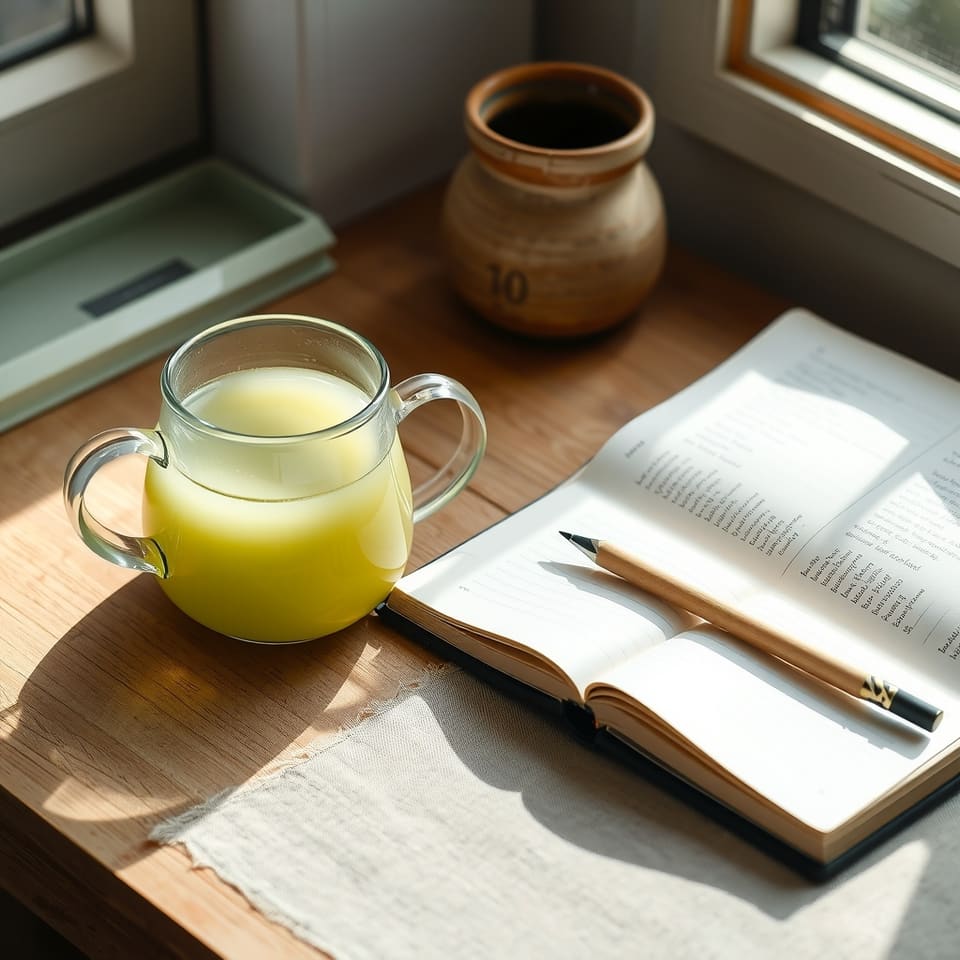
When you need to study, write or concentrate for a few hours, a pot of tea is a familiar companion. Students across the world have relied on it long before energy drinks existed.
Tea can help you feel more alert, mainly because of its caffeine. It also contains a natural compound called L-theanine, which is often said to make tea a calmer kind of energy than coffee. The research on this is interesting, but smaller and less certain than the marketing suggests.
How much caffeine is in your cup
According to the US Food and Drug Administration (FDA), a 355 ml (12 fl oz) cup of green tea has about 37 mg of caffeine, and the same size cup of black tea about 71 mg. Real cups vary, so treat these numbers as rough guides.
For most healthy adults, the FDA says up to 400 mg of caffeine a day is not generally linked with harmful effects, roughly two to three 355 ml (12 fl oz) cups of coffee. Sensitivity varies a lot. Too much can cause sleep problems, jitters, anxiety, a fast heartbeat, upset stomach, nausea and headache, none of which help you concentrate.
Steady Study Pot of Green Tea
You need
- water500 ml (2 cups)
- loose green tea leaves, or 2 green tea bags2 tsp
- slice of lemon or a few fresh mint leaves, optional1 thin
Method
- Heat the water until it is hot but not boiling, about 80 °C (176 °F). If you have no thermometer, let boiled water rest for 2 to 3 minutes.
- Pour it over the tea in a teapot and steep for 2 to 3 minutes. Longer steeping makes it bitter.
- Strain, or remove the tea bags.
- Pour one cup to drink now and keep the second for later in your session. Reheat gently or drink it at room temperature.
- Add lemon or mint if you like.
Tips
- Count tea in your daily caffeine total along with coffee, cola and energy drinks.
- If green tea makes you feel jittery, try a weaker brew or a half caffeine, half herbal blend.
- For a late-night session, choose a caffeine-free herbal tea instead.
L-theanine: the calm half of the story
L-theanine is an amino acid found in tea leaves. A 2021 review of five small studies found that caffeine and L-theanine taken together were linked with better attention and higher alertness ratings on some tests.
There is an important catch. The studies used doses such as 200 mg of L-theanine with 160 mg of caffeine, given as supplements. The review notes that this amount of L-theanine is similar to drinking about eight cups of black tea. So the findings do not show what one or two cups of tea will do for you.
What the evidence says
The evidence for tea and focus is limited. The caffeine and L-theanine studies were small, with between 5 and 51 people, short, and in some cases only in men. Their authors call for larger trials. What is reasonably clear is that caffeine can make you feel more alert, and that more is not better.
Ginkgo is often sold for memory and concentration, but it is not a good bet. In a large study of more than 3,000 older adults, described by NCCIH, ginkgo did not lower the rate of dementia compared with a placebo, and evidence for other memory benefits is inconsistent. It can also raise bleeding risk in people taking blood thinners such as warfarin.
Green tea extract pills are a different product from brewed tea. NCCIH notes that rare cases of liver injury have been reported, mainly with green tea extracts in tablet or capsule form, so stick to the drink.
Using tea well during a study day
Spread your tea out rather than drinking a large amount at once. A cup at the start of a session and another a couple of hours later gives you a steady lift without a big caffeine peak.
Stop caffeinated tea by mid-afternoon if you are sensitive, because the FDA lists sleep problems as a common effect of too much caffeine, and poor sleep will undo any small benefit. In the evening, switch to a caffeine-free herbal tea. Short breaks, a glass of water and a walk around the room are free and have no side effects.
Questions people ask
Is green tea or coffee better for focus?
Both work mainly through caffeine. Green tea has less caffeine per cup, which some people find easier to manage. Choose the one that leaves you alert without jitters.
Should I take L-theanine supplements?
The studies are small and short, so the evidence is limited. If you are considering any supplement, especially with other medicines, talk to your doctor or pharmacist first.
Are there caffeine-free teas that help focus?
We did not find good evidence that any caffeine-free tea improves focus. A caffeine-free cup can still be a pleasant break that does not affect your sleep.
Sources
- Spilling the Beans: How Much Caffeine is Too Much? — US Food and Drug Administration
- The Cognitive-Enhancing Outcomes of Caffeine and L-theanine: A Systematic Review (Cureus, 2021) — PubMed Central (NCBI)
- Ginkgo: Usefulness and Safety — NCCIH
- Green Tea: Usefulness and Safety — NCCIH
This article is for general information only and is not medical advice. Herbs can interact with medicines and health conditions. Talk to a doctor or pharmacist before trying a herbal remedy, especially if you are pregnant, breastfeeding, giving it to a child, or taking any medication.