Herbs for Memory: What the Evidence Really Says
Ginkgo, sage and turmeric are sold around the world as brain helpers. Here is what research has actually found, what is still unknown, and a simple sage tea to enjoy for its flavor.
Forgetting where you left your keys, or walking into a room and losing your train of thought, happens to everyone. As we get older, it is natural to wonder whether something simple, like a herb or a cup of tea, could keep the mind sharp.
Herbs for memory are a big market. Ginkgo has a long history of use in Chinese medicine, sage is a traditional kitchen and folk herb in Europe and the Mediterranean, and turmeric is a staple spice across South Asia. This guide looks at what studies have found for each one, without the hype.
Ginkgo: the best-studied, with disappointing results
Ginkgo is the herb most often sold for memory, and it has been tested in large trials. In the Ginkgo Evaluation of Memory study, more than 3,000 adults aged 75 or older took ginkgo or a placebo for a median of six years. NCCIH reports there was no difference between the two groups in rates of dementia or Alzheimer's disease.
Some smaller analyses suggest a modest benefit for dementia symptoms, but the evidence is inconsistent. For healthy people, NCCIH says it is uncertain whether ginkgo products actually change thinking or memory.
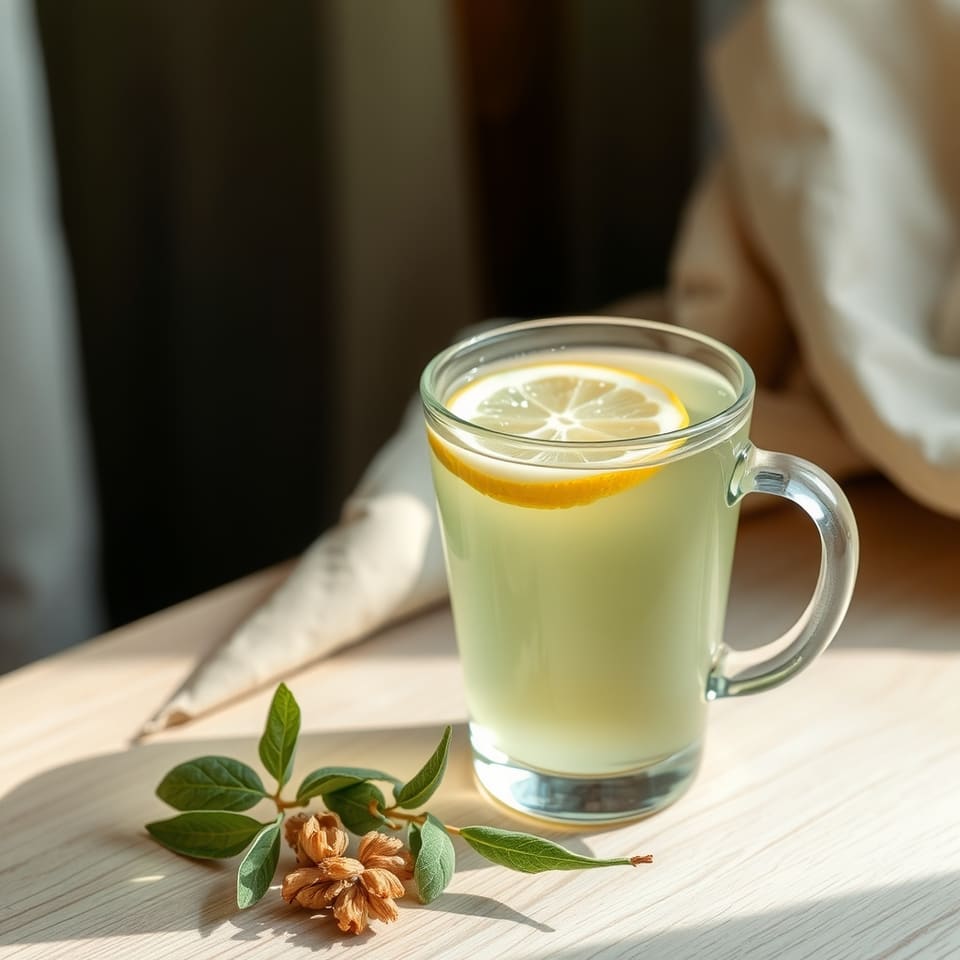
Fresh Sage and Lemon Tea
You need
- water, freshly boiled250 ml (1 cup)
- fresh sage leaves, or 1 tsp dried sage4 to 5
- thin slice of lemon1
- honey, optional1 tsp
Method
- Rinse the fresh sage leaves and tear them gently to release their aroma.
- Put the sage in a mug and pour over the freshly boiled water.
- Cover and steep for 5 minutes, then strain.
- Add the lemon slice and honey if you like, and let it cool to a comfortable sipping temperature.
Tips
- Sage is strong. Start with fewer leaves and add more next time if you want a fuller flavor.
- Enjoy this as an occasional cup for its taste, not as a daily treatment.
- A sprig of fresh mint or a strip of orange peel softens the earthy edge of sage.
Sage and turmeric: small or limited studies
Sage has a little more promise in healthy people, but only a little. NCCIH says sage may improve scores on memory and thinking tests in healthy people, while noting that the amount of evidence is small. Whether it affects thinking in people with Alzheimer's disease is uncertain.
Turmeric gets attention because of curcumin, one of its natural compounds. Laboratory work looked encouraging, but NCCIH describes the few human trials as limited and inconsistent. One 12-month trial in 96 healthy older adults found limited effects on thinking, mood or quality of life.
What the evidence says
Put simply, no herb has been shown to prevent or slow memory loss or dementia. NCCIH states there is no conclusive evidence that ginkgo can do this, and the same caution applies to popular supplements such as omega-3 capsules and vitamin E, where most findings have been negative. Eating fish is linked with better results in observational studies, but omega-3 supplements have not shown convincing benefit.
B vitamins are a mixed picture. Short courses have not improved thinking in older adults, while some longer studies hint at slower decline. Very high doses of vitamin B6 over time can damage nerves, so more is not better.
The most useful step if your memory worries you is not a supplement but a check-up. NCCIH points out that some memory problems have treatable causes, such as depression, medicine side effects, or thyroid, liver or kidney problems.
Questions people ask
Is there any herb proven to improve memory?
No. Ginkgo, the most studied, did not lower dementia rates in a large trial. Sage has a few small positive studies in healthy people, but the evidence is too thin to rely on.
Can I drink sage tea every day?
An occasional cup in food-like amounts is likely fine for most adults. Daily or high-dose use over a long time is where the thujone concern comes in, so keep it occasional.
Should I take a memory supplement just in case?
Talk to your doctor first, especially if you take other medicines. Most supplements tested for memory have not shown clear benefit, and some interact with common drugs.
Sources
This article is for general information only and is not medical advice. Herbs can interact with medicines and health conditions. Talk to a doctor or pharmacist before trying a herbal remedy, especially if you are pregnant, breastfeeding, giving it to a child, or taking any medication.