Hydrosols: What Flower Waters Are and How to Use Them
Hydrosols, also called flower waters or hydrolats, are the fragrant waters left after plants are distilled. Rose water and orange blossom water are the best known. Here is what they are, what they can and cannot do, and how to make one at home.
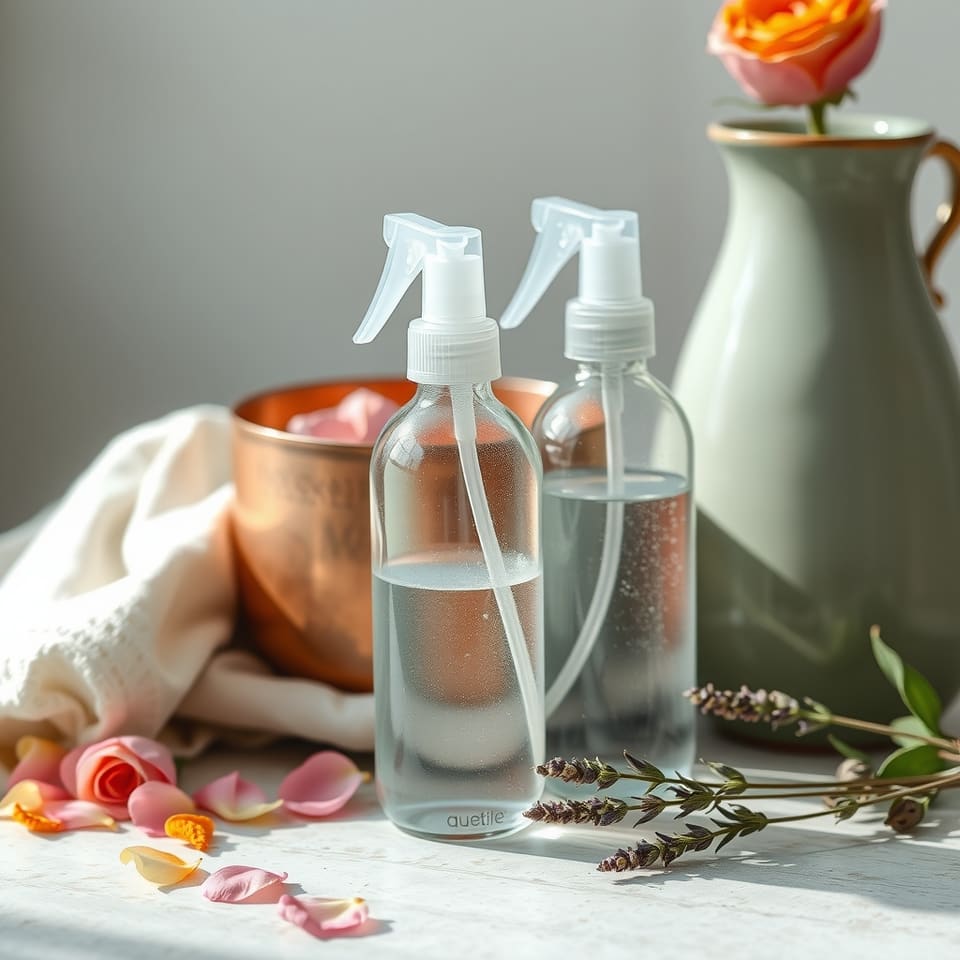
Flower waters are an old tradition. A review of the Damask rose, a plant grown in Iran, Turkey, Bulgaria, India and other parts of Europe, notes that rose water was first made in Iran and was scattered at weddings to wish the couple a happy marriage.
These fragrant waters have a technical name: hydrosols. You may see them sold as toners and face mists. They are pleasant and usually gentle, but they are not magic. Here is a clear look at what they are.
How hydrosols are made
A hydrosol comes from distillation. Plant material such as petals or leaves is heated with water or steam. The steam carries the plant's scent molecules, and when it is cooled it turns back into liquid. A small oily layer may separate on top: that is the essential oil. The fragrant water underneath is the hydrosol.
The yield of oil is tiny. A review of the Damask rose in the Iranian Journal of Basic Medical Sciences notes that some 3,000 parts of flowers give only one part of rose oil. Most of what comes out of the still is water, which is why hydrosols are far more plentiful and much less concentrated than essential oils.
The same review describes rose distillation in traditional copper stills as well as in large factories, mentions rose water from Kashan in Iran used in religious ceremonies, and notes that rose water is highly valued in the food industry.
Small-Batch Stovetop Hydrosol
You need
- fresh, unsprayed fragrant rose petals, or fresh mint or lavender sprigs4 large handfuls (about 100 g / 3 1/2 oz)
- water, enough to just cover the plant materialabout 1 liter (4 cups)
- large pot with a domed lid that fits well1
- small heatproof bowl and a heatproof rack or upturned saucer1
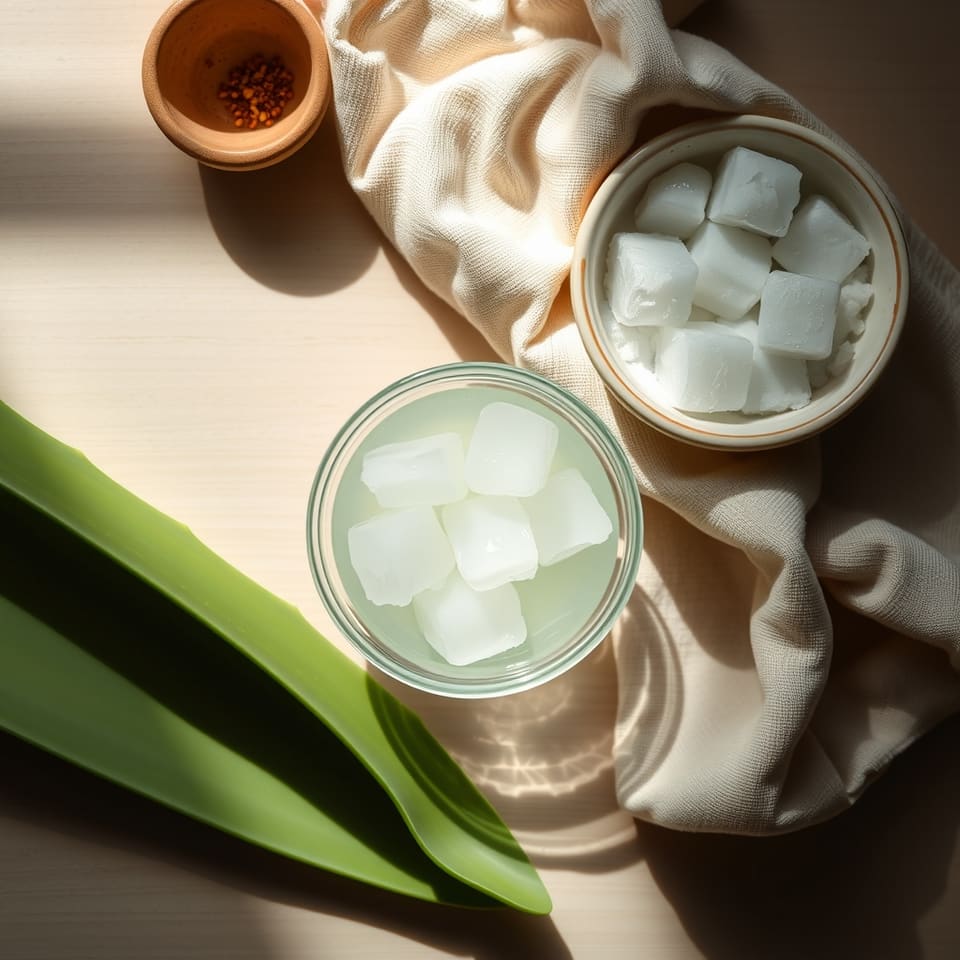
- ice cubes1 tray
Method
- Place the rack or upturned saucer in the center of the pot and set the small bowl on top of it.
- Arrange the petals or herbs around the rack and pour in water to just cover them. The water must stay below the rim of the small bowl.
- Put the lid on upside down, so the handle points down over the bowl. Steam will condense on the cold lid and drip from the handle into the bowl.
- Bring to a gentle simmer over low heat and pile ice cubes on top of the lid. Replace them as they melt, scooping off the water carefully.
- Simmer gently for 30 to 45 minutes, checking that the pot never boils dry. Never leave it unattended.
- Turn off the heat and let everything cool before lifting the lid. Hot steam and the lid can burn. Pour the hydrosol from the small bowl into a clean glass bottle.
Tips
- Store homemade hydrosol in a clean, closed glass bottle in the fridge and use it within a few weeks. It contains no preservative, so throw it away if it turns cloudy or smells odd.
- Label the bottle with the plant and the date, and keep food and skin bottles separate.
Which flowers and herbs to use
Many of the flowers behind well-known hydrosols are also edible flowers. Colorado State University Extension lists roses, orange and lemon blossoms, lavender and English chamomile among edible flowers, and notes that lavender can taste very strong. Mint and rosemary also work well for a homemade hydrosol for skin or home use.
If you want to cook with a hydrosol, use one made for food. Colorado State University Extension advises eating only flowers grown without pesticides, and not using flowers from florists, garden centers or nurseries, because they are not grown to be eaten. The same applies to homemade hydrosols you plan to cook with.
What the evidence says
We found little research on hydrosols themselves. The rose review does report on what rose hydrosol contains: its main aroma compounds included geraniol, citronellol and phenylethyl alcohol, the molecules behind its classic rose scent.
We found no strong evidence that hydrosols treat any skin condition, balance the skin or slow aging. A cool spray of rose water can feel refreshing and smells lovely, and that is a fine reason to use it. For acne, eczema or rosacea, see a dermatologist rather than relying on flower water.
Questions people ask
Is rose water the same as a rose hydrosol?
Rose water is a rose hydrosol when it is made by distillation. Petals simply simmered in water make a rose infusion instead. When you buy rose water, look for the word distilled on the label.
Can I drink hydrosols?
If you want to cook with a flower water, choose one sold for food and use a little at a time. Cosmetic hydrosols are not made for eating, so do not drink them.
Do hydrosols go off?
Yes, they can. They are mostly water, so treat a homemade one like a fresh product: keep it cold, keep it clean and throw it away if it changes.
Sources
- Pharmacological Effects of Rosa Damascena — Iranian Journal of Basic Medical Sciences (via PubMed Central)
- Edible Flowers — Colorado State University Extension
- How to test skin care products — American Academy of Dermatology
This article is for general information only and is not medical advice. Herbs can interact with medicines and health conditions. Talk to a doctor or pharmacist before trying a herbal remedy, especially if you are pregnant, breastfeeding, giving it to a child, or taking any medication.