Other languages (Google Translate)
Home › Search
48 results for “can't sleep”
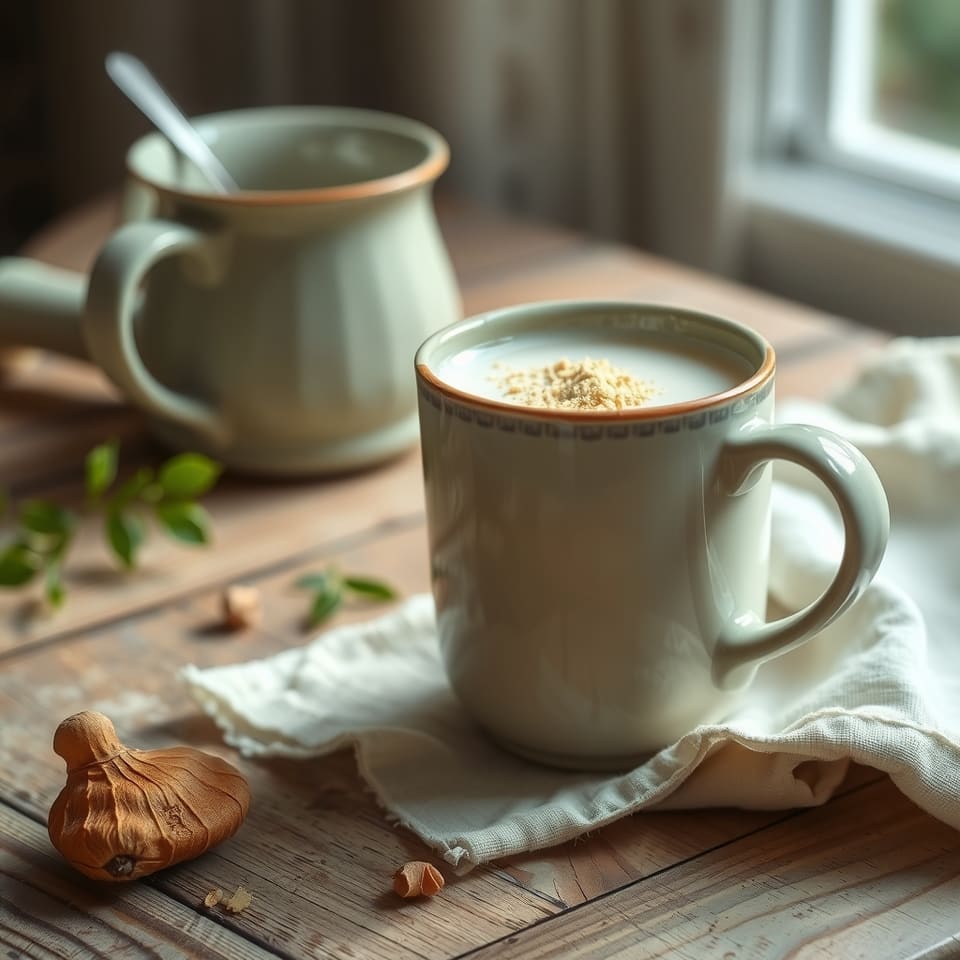
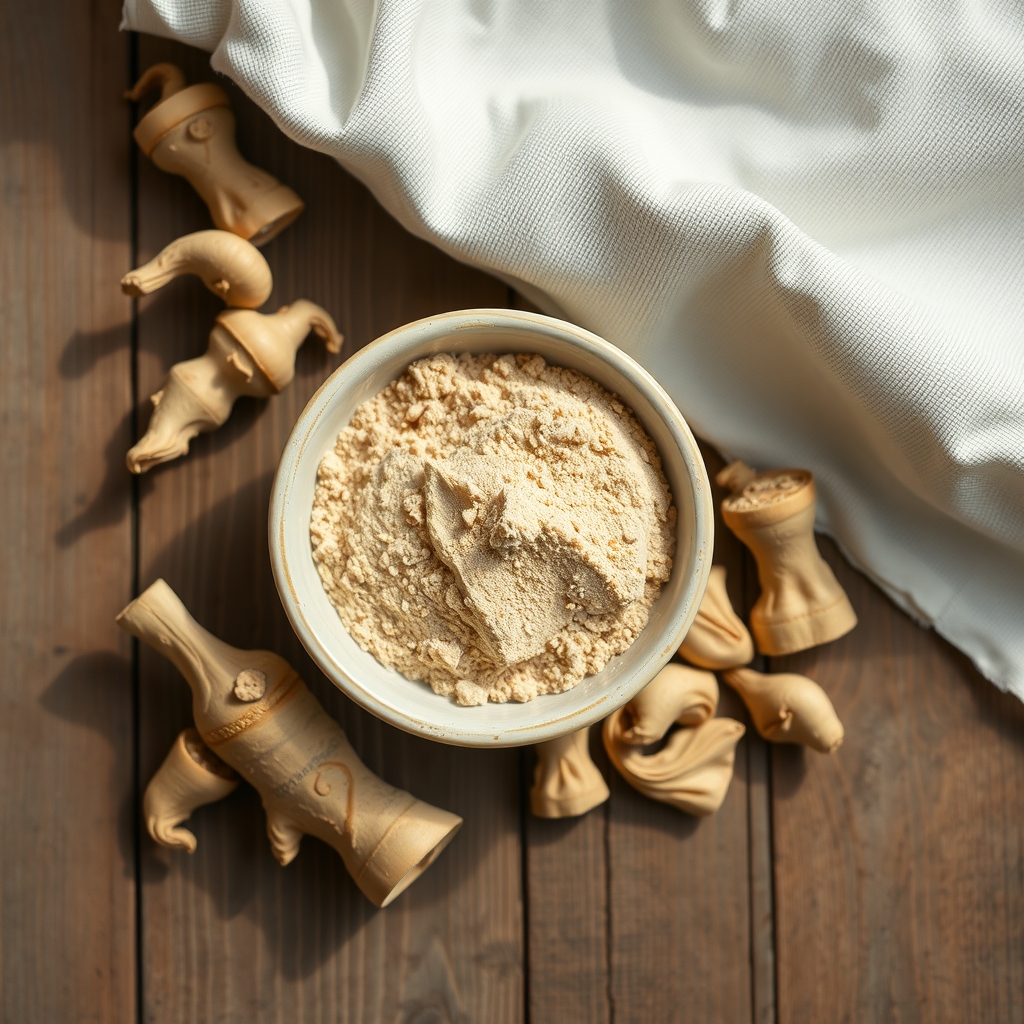
A pinch of nutmeg on warm milk is an old bedtime habit in many kitchens. Online, though, people suggest much bigger amounts for sleep. Here is why a pinch is the limit.
When the night stays warm, sleep gets light and broken. A cooler room, the right drinks at the right time and a few simple habits make a real difference.
No tea can reset your body clock, but daylight, timing and a few smart habits can. Here is a simple plan for flying east or west, plus the facts on melatonin.
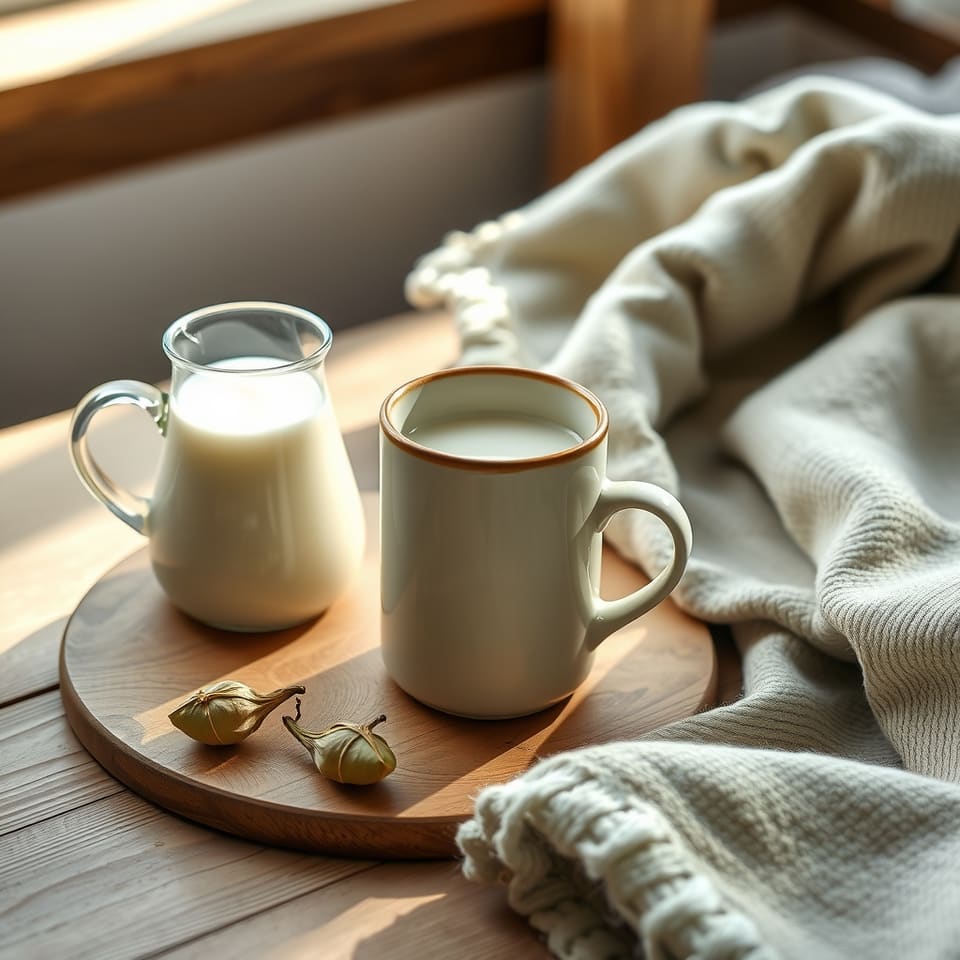
A mug of warm milk at bedtime is a loved habit, but the proof that it helps sleep is thin. Here is what is known, who should skip it and how to make a gentle cup.
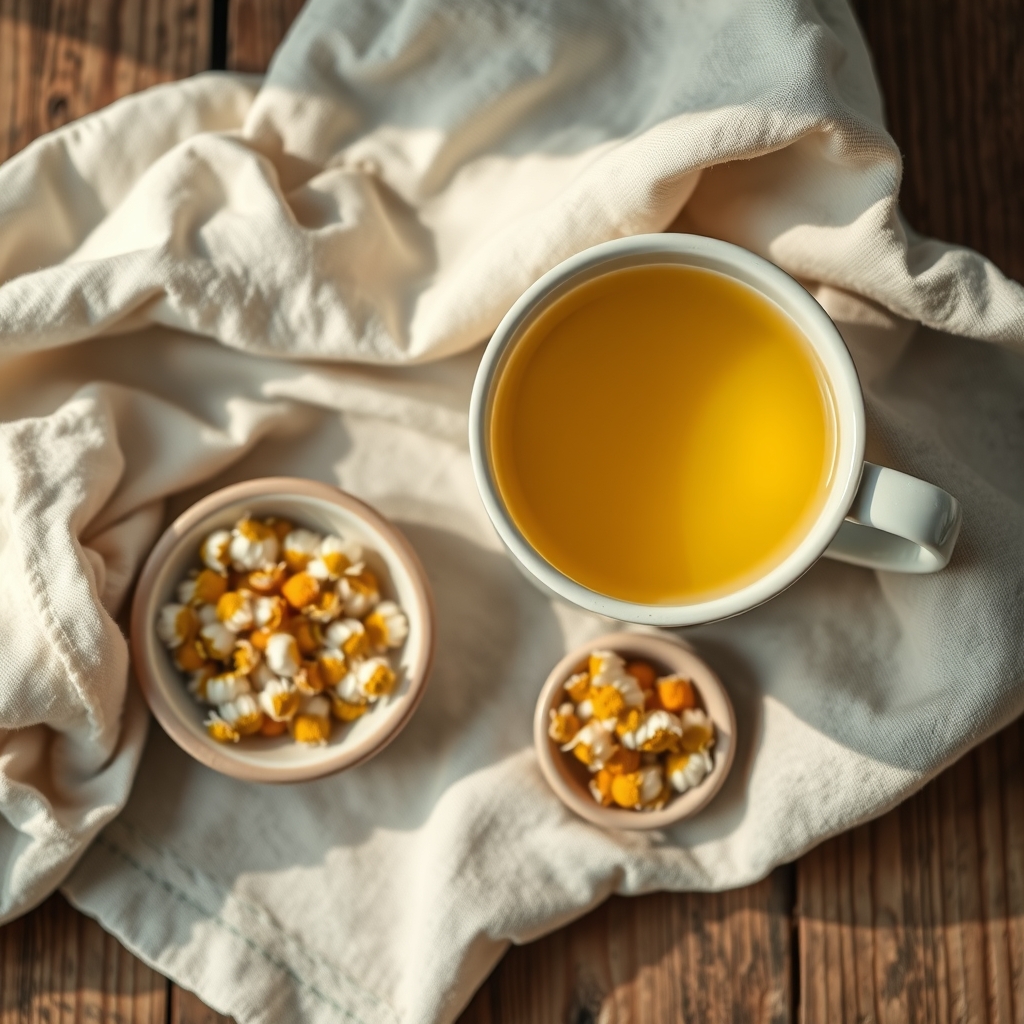
A warm, caffeine-free cup of chamomile is a gentle way to signal the end of the day. Here is how to brew it and what the research does and does not show.
Valerian is one of the best-known herbal sleep aids, but the research is mixed and it comes with real cautions. Here is a clear guide before you try it.
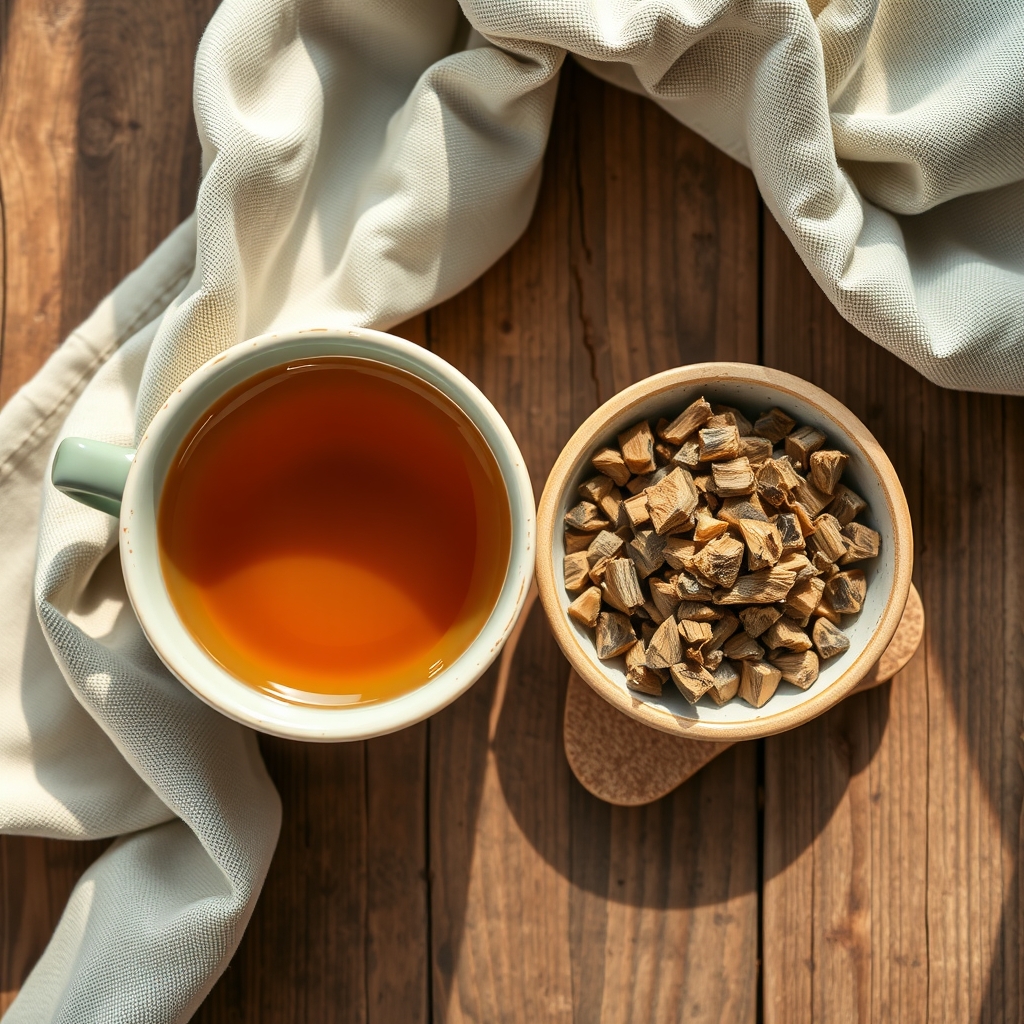
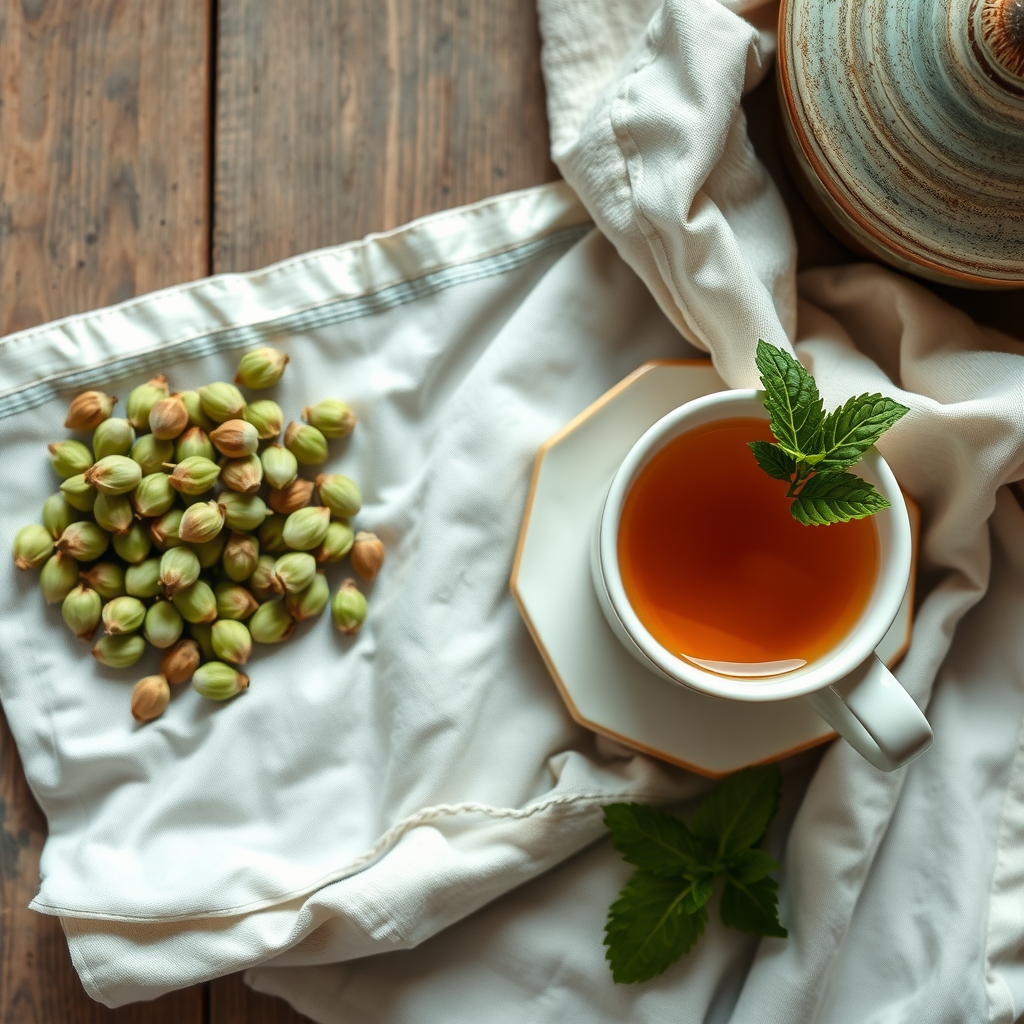
The same green cones that flavor beer have a long history as a bedtime herb. Here is how to brew hops tea, what the research shows, and who should skip it.
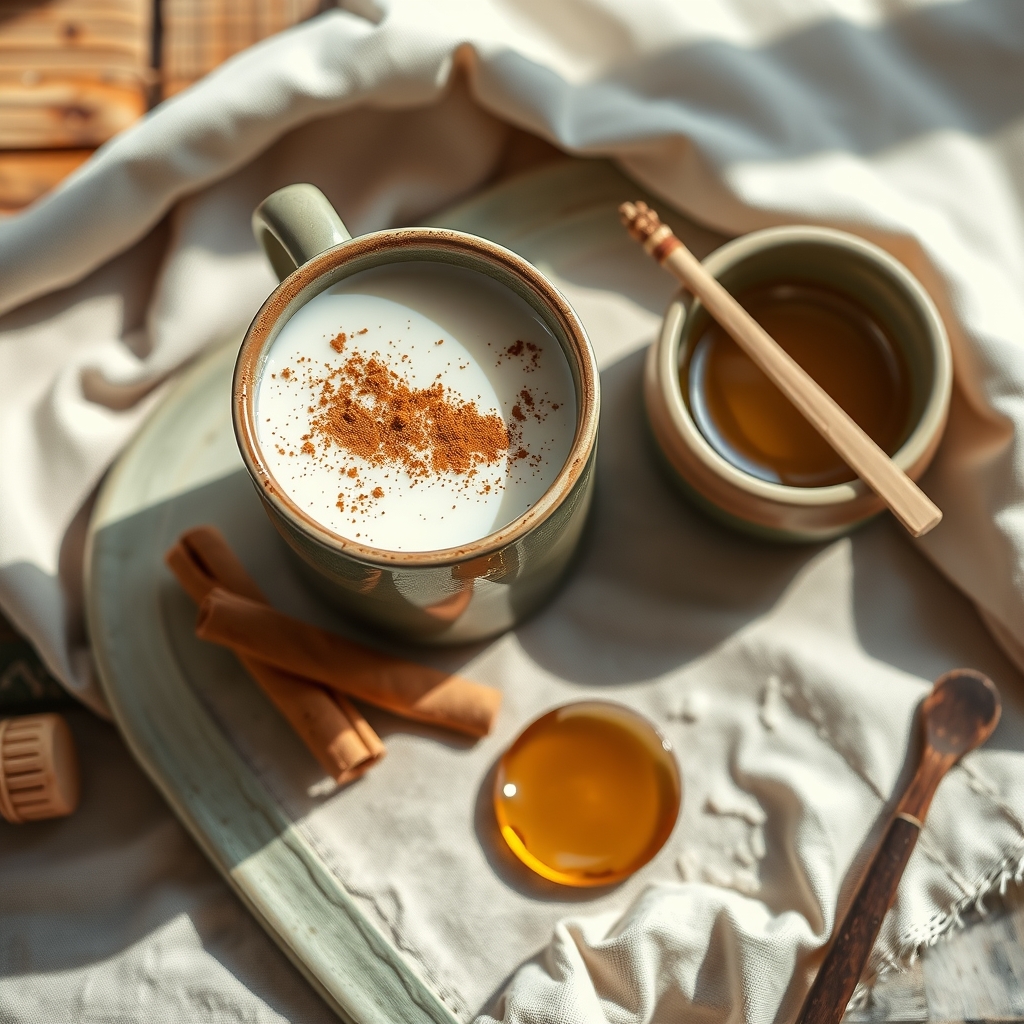
A mug of warm milk with a little honey and cinnamon is one of the oldest bedtime comforts. Here is a simple recipe and a clear look at what it can and cannot do for sleep.
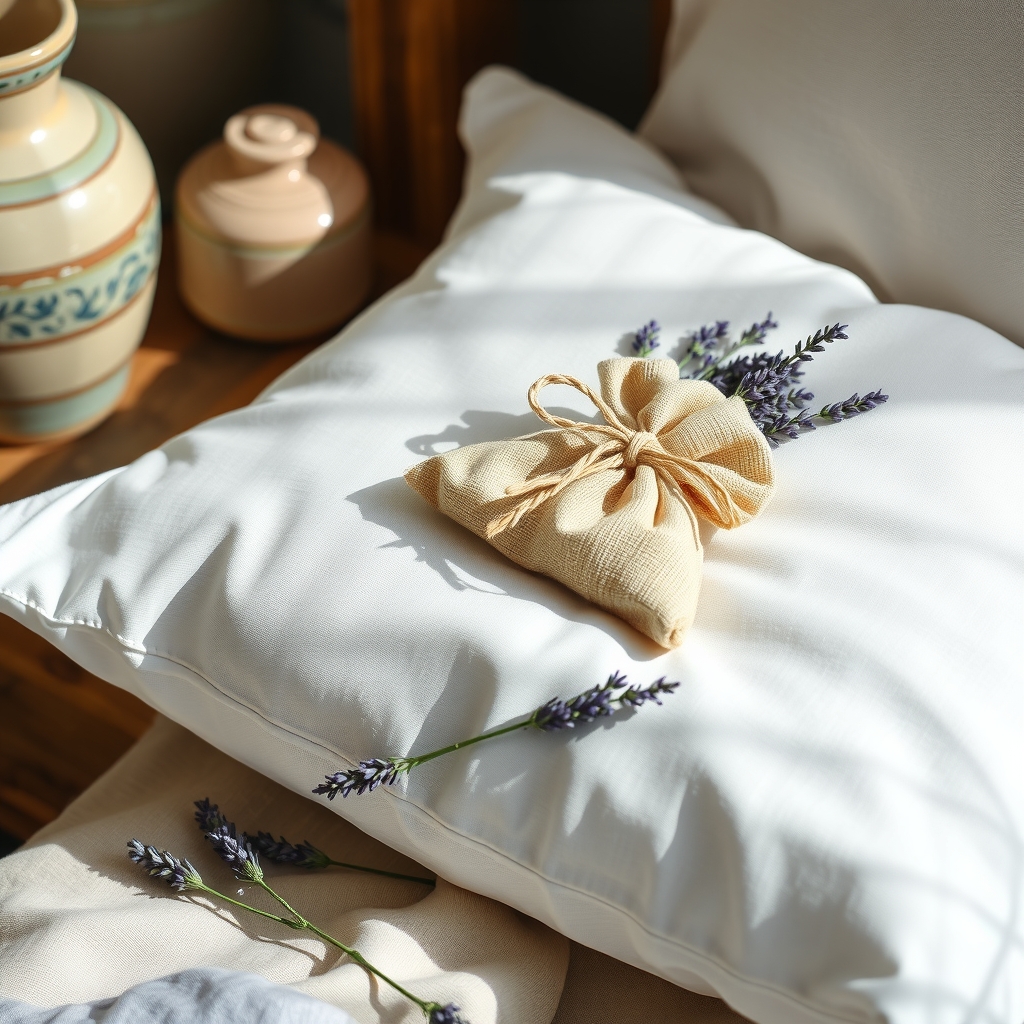
A small bag of dried lavender by your pillow is one of the oldest bedtime habits. The evidence for sleep is limited, but it is easy, cheap and gentle when made the right way.
A mild, grassy evening tea with a long history as a calming herb. Here is what the research shows, how to brew it, and the cautions that matter.
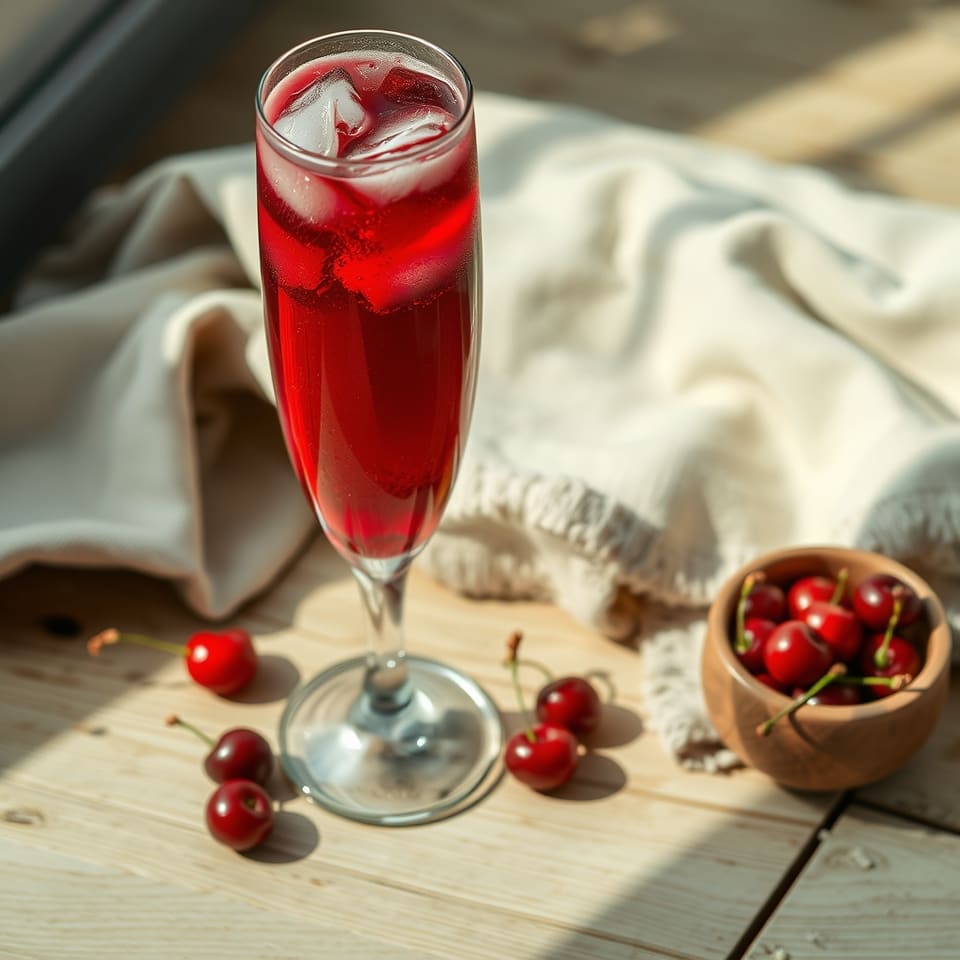
Tart cherry juice is often called a natural sleep aid. The research is small and mixed: one pilot study found a modest benefit, while a newer trial of a powder found none.
A warm cup of herbal tea can be a calming pause in a stressful day. But tea is not a treatment for anxiety. Here is what the research really shows, which herbs need care, and when it is time to talk to someone.
A warm cup before bed is a lovely habit, until it wakes you at 3 am. Here is why evening tea can send you to the bathroom, and how to keep the ritual without the night trips.
You do not need an hour or an app to unwind. Use the few minutes your tea needs to steep for slow breathing and gentle movement, then sit down with the cup.
Three gentle evening teas, three different personalities. Here is how chamomile, linden and lemon verbena compare, what Europe's herbal medicine experts actually recognize each one for, and who should skip which.
You do not have to give up coffee to have a calmer morning, but it helps not to need it the moment you open your eyes. This simple 15-minute routine uses daylight, a warm herbal cup and slow movement instead.
A bright, lemony leaf tea that many families in Cyprus and Greece drink after dinner. Here is how to brew it gently and what is actually known about it.
A gentle, lemony cup that has long been used to take the edge off a busy day. Here is how to brew it, and what is and is not known about it.
Honey-scented linden flowers have been brewed across Europe for centuries to settle the nerves and ease a cold. Here is how to make a cup and what science can and cannot say.
Apple-sweet chamomile with a whisper of lavender makes a soothing evening cup. Here is how to balance the blend and use it safely.
A warm, caffeine-free drink at the same time each evening can become a simple cue that the day is over. Here is how to set up the routine and what to expect from it.
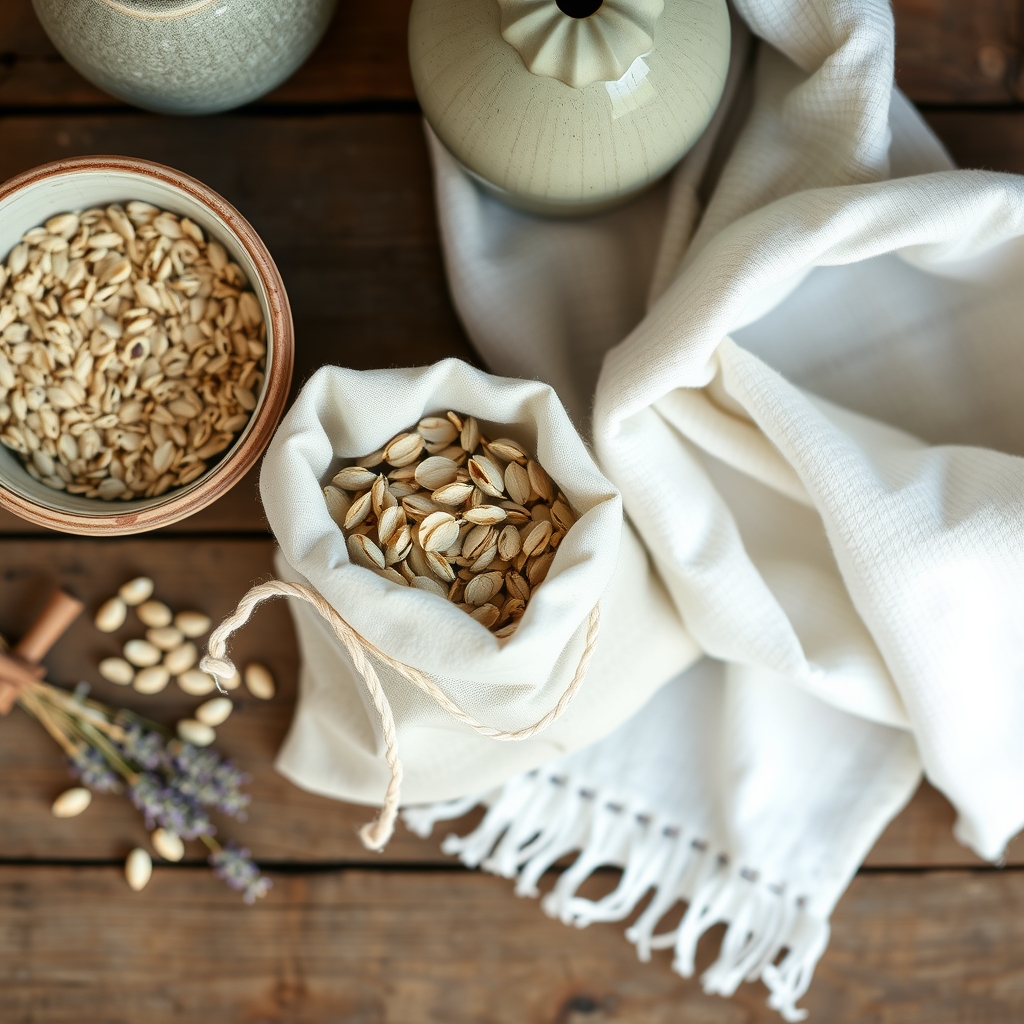
A warm soak with a bag of oats and chamomile flowers can be a gentle way to mark the end of the day. Here is how to make one, and what it can and cannot do for your sleep.
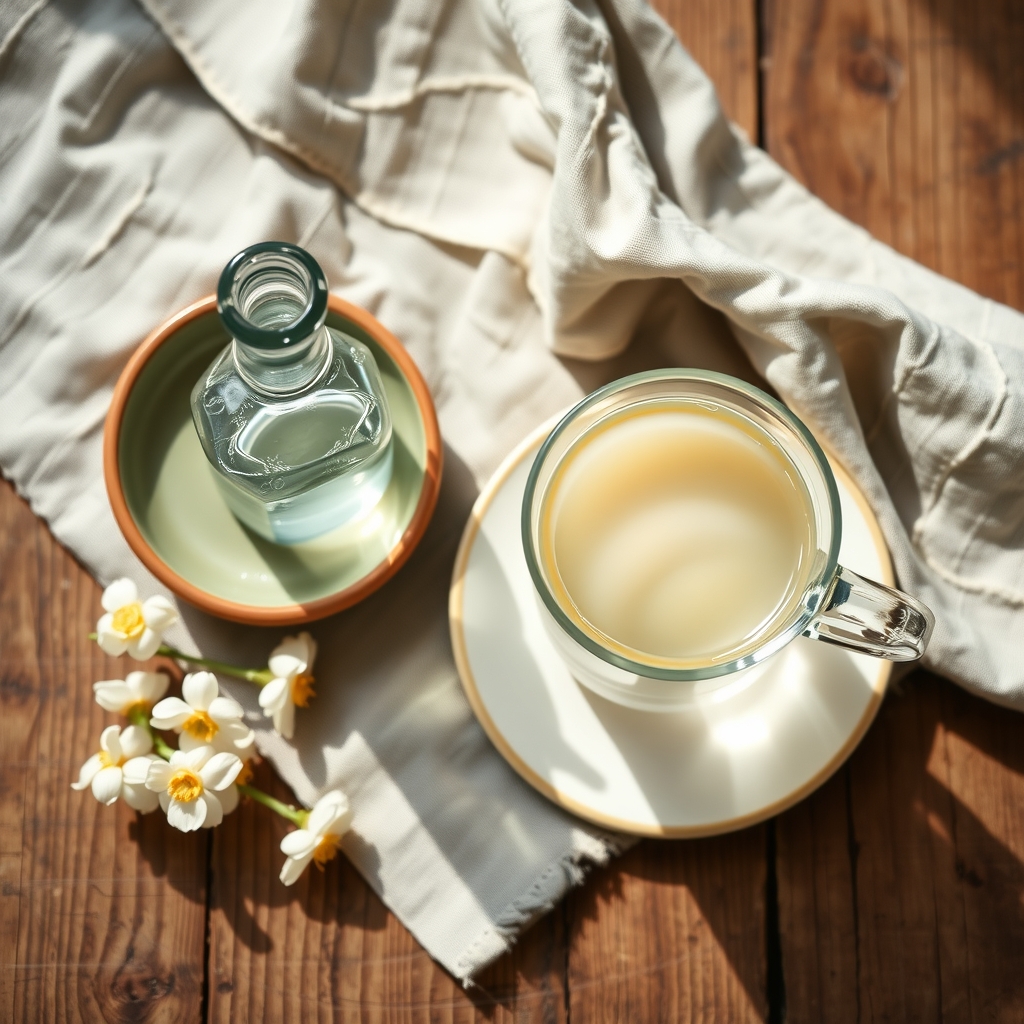
A spoonful of fragrant orange blossom water in a cup of warm water is a simple evening ritual around the Mediterranean. Here is how to make it, and what science can and cannot say.
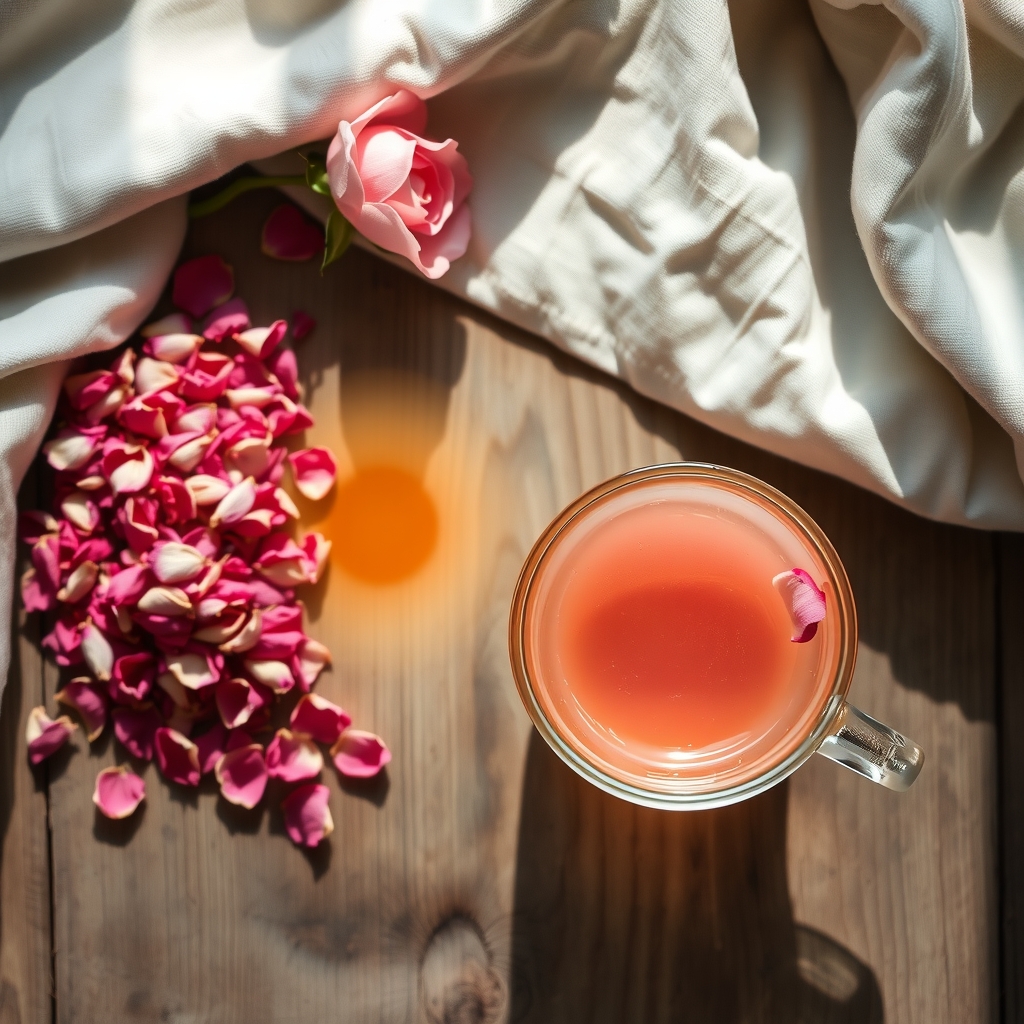
A handful of scented rose petals makes a delicate, pale pink tea for a slow evening. Here is how to choose safe petals, brew a cup, and what the evidence does and does not show.
After a short night, the biscuit tin seems to call louder. That is not just willpower. Here is what research says about sleep, hunger hormones and weight, and a simple plan to protect your sleep.
Tart cherry juice, a scoop of magnesium and something fizzy: the bedtime drink that went viral on social media. Here is how to make it, and an honest look at whether it can help you sleep.
Ashwagandha is everywhere right now, sold as a stress and sleep helper. Some small studies are encouraging, but there are serious warnings about the liver, the thyroid and pregnancy that you should know first.
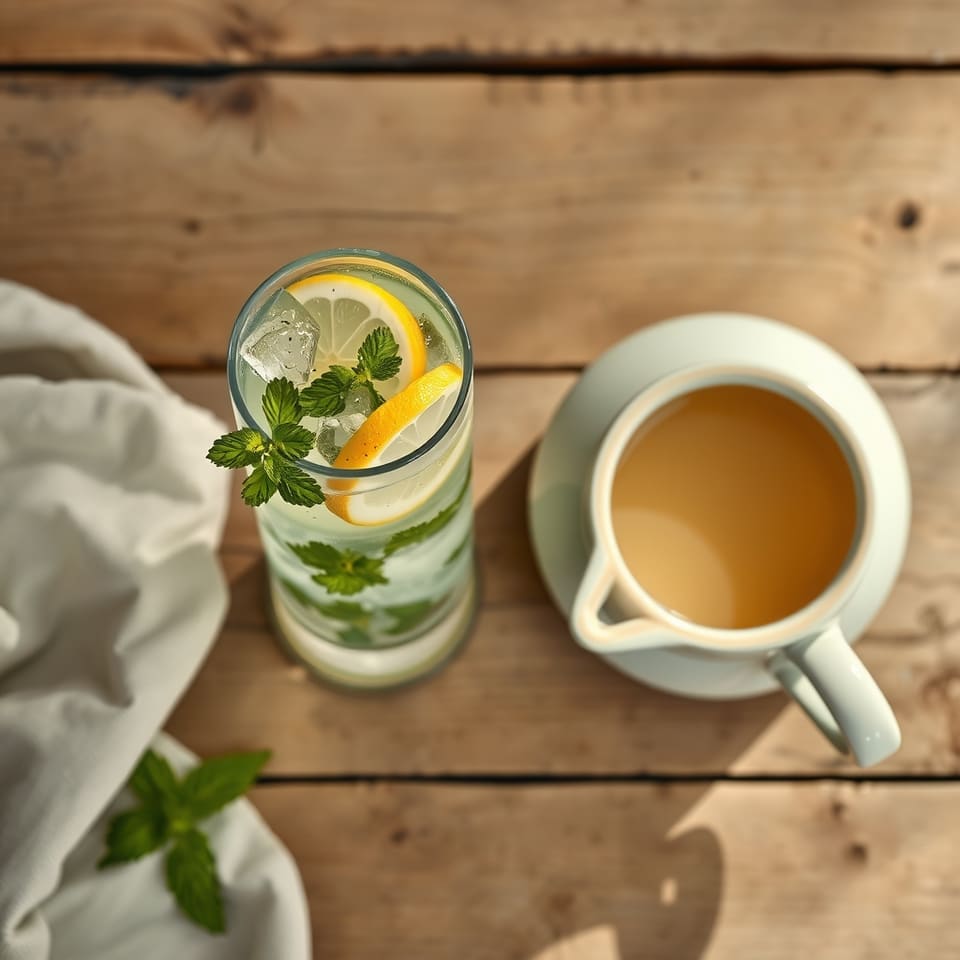
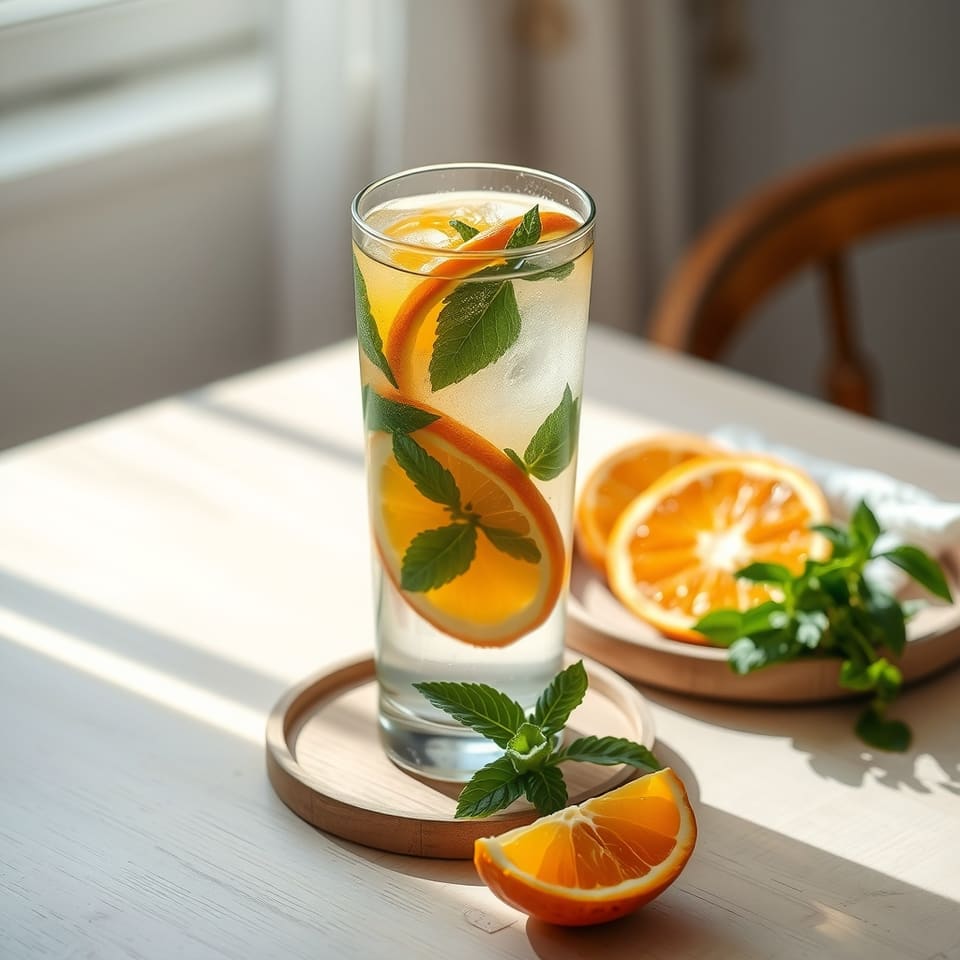
A cool glass of water, a mint infusion and a short walk can be kinder to your sleep than a third coffee. Here is what helps, and when tiredness is a sign to get checked.
Orange juice, coconut water, salt and cream of tartar are being sold online as a cortisol detox. Here is what the trend claims, what your adrenal glands really do, and a simpler drink to enjoy instead.
A can of regular soda carries several teaspoons of sugar you barely notice. These simple, fizzy and flavorful swaps make it easier to drink less of it without feeling deprived.
Tea has been a companion to long study sessions for centuries, from green tea in East Asia to strong black tea in Britain and India. Here is what is actually known about tea and focus, how much caffeine you are getting, and how to use it well.
Behind the cheerful packaging, many detox teas lean on two ingredients: a laxative herb and a dose of caffeine. Here is what each one does, what it cannot do, and how to read the label.
Many smoothies are mostly fruit and leave you hungry an hour later. This one is built like a small meal, with protein and fiber, and keeps the fruit to a sensible portion.
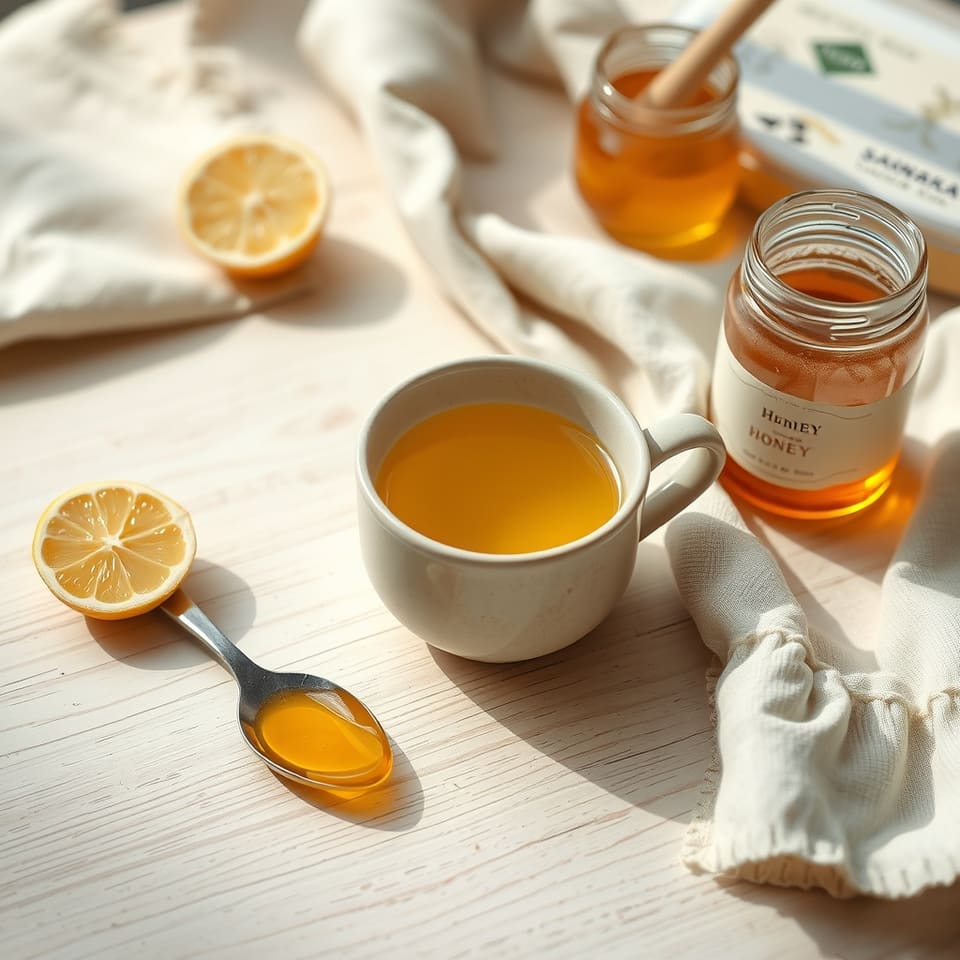
A small spoon of honey is one of the few cough remedies for kids with some evidence behind it. Here is how much to give by age, the one rule you must never break, and what else helps.
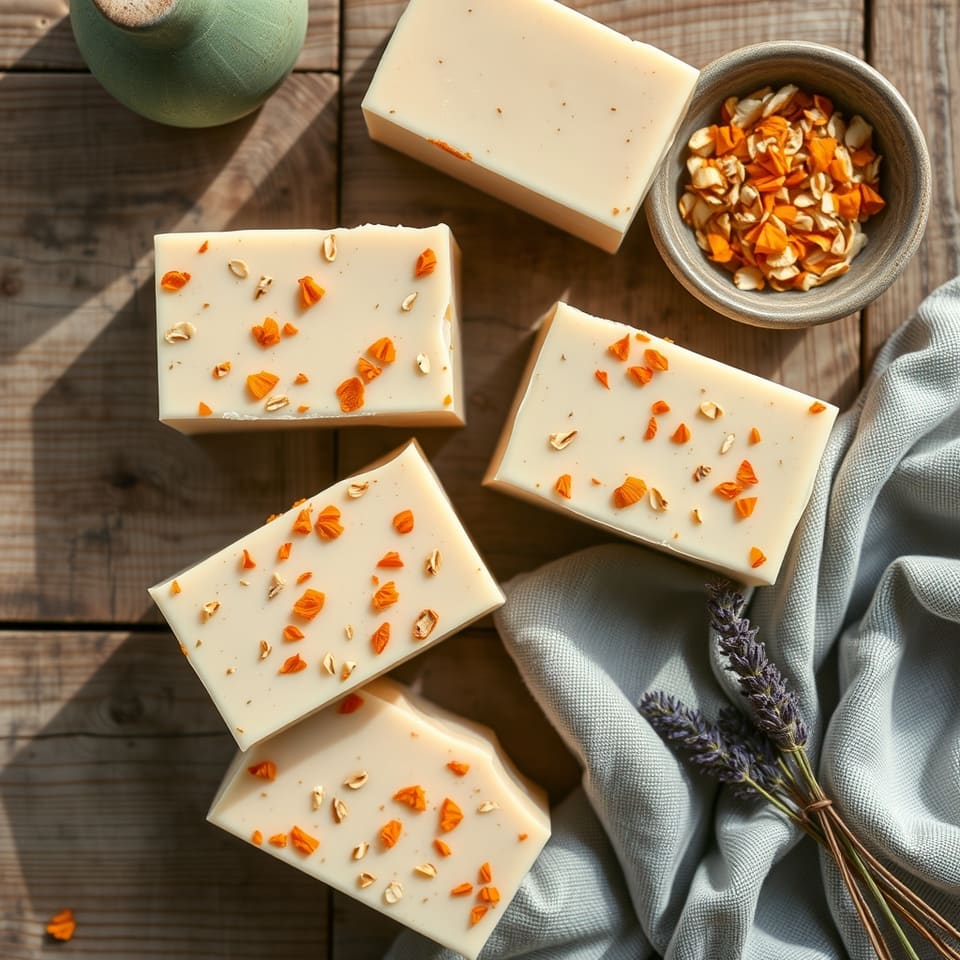
Herbal soap is a lovely first craft project, and you do not need to handle lye to make it. Here is an easy melt-and-pour method, plus the safety rules that matter if you later make soap from scratch.
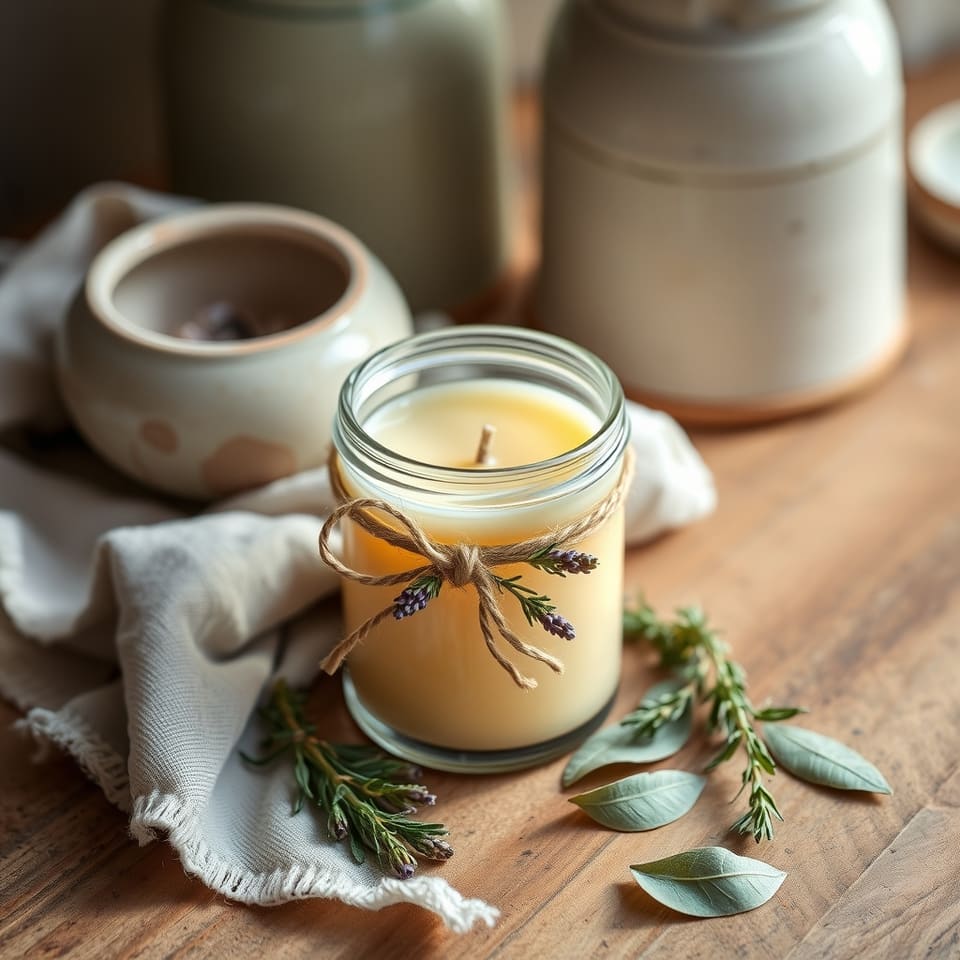
A beeswax candle in a glass jar, tied with a sprig of dried rosemary or lavender, makes a lovely handmade gift. Here is how to make one, and why the herbs belong on the outside, never in the wax.
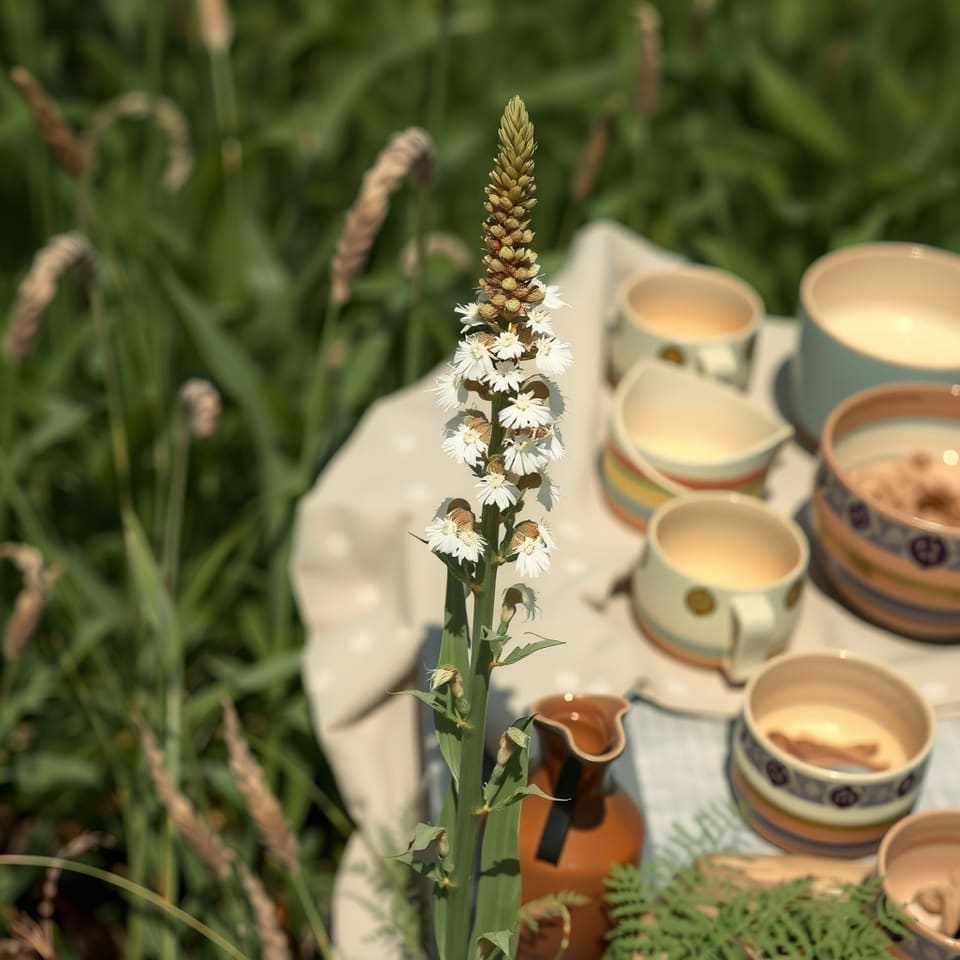
Poison hemlock belongs to the carrot family, and its lacy young leaves can be mistaken for parsley. Here is how to recognize it and the simple rules that keep wild herbs off your plate.
Drinks rarely come with a calorie label, so it is easy to forget they count. Here is what common drinks contain, how it adds up over time, and some easy ways to cut back.
Most everyday herbal teas are gentle, but there is no single safe number of cups for every herb. Here is how to work out a sensible amount for the teas you actually drink.
A warm mug can be a gentle way to close the kitchen for the night. Here are simple unsweetened drinks for the evening, plus the daytime habits that make late cravings less likely.
Echinacea is one of the best-known cold herbs in the world, and one of the most studied. Here is what all that research found, what it means for a cup of tea, and who should skip it.
Pilates builds strength and control, and small studies suggest it may help with modest weight loss. Paired with walking and steady changes to what you eat, it becomes part of a plan you can keep.
Berberine is being sold online as nature's answer to weight-loss injections. The evidence is far weaker than the hype, it has real interactions, and fake or unapproved versions of the medicines carry their own risks.
Immune-boosting teas are a big seller every winter. Here is what echinacea, elderberry and friends can and cannot do, and what actually helps your body fight off colds.
Health services agree on a steady pace of about 0.5 to 1 kg (1 to 2 lb) a week. Here is why slower tends to last, what even a small loss can do, and how to set a goal that fits your life.
St. John's wort is one of the best-known herbal remedies, and one of the most likely to interfere with medicines. Here is which medicines are affected, why, and what to do before you take it.
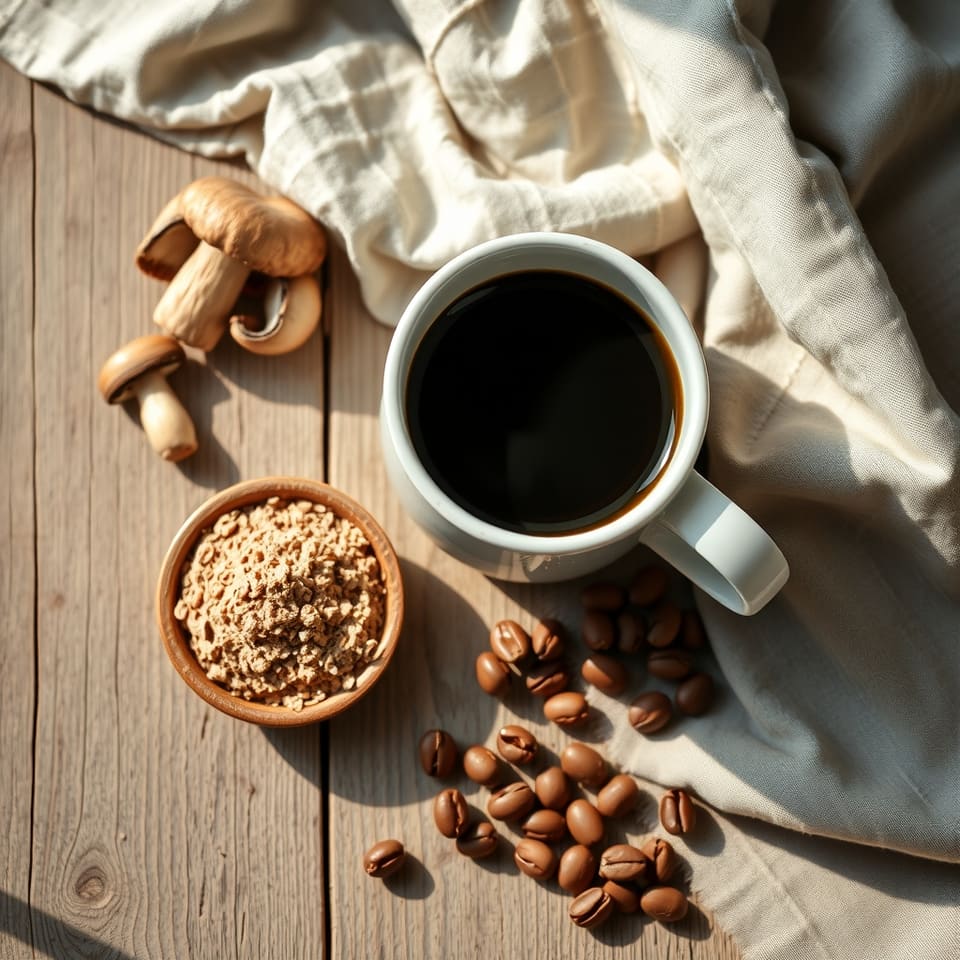
Mushroom coffee promises calm focus, better immunity and fewer jitters. The reality is more modest: a little less caffeine in some blends, very little human research, and a few real safety warnings worth knowing.
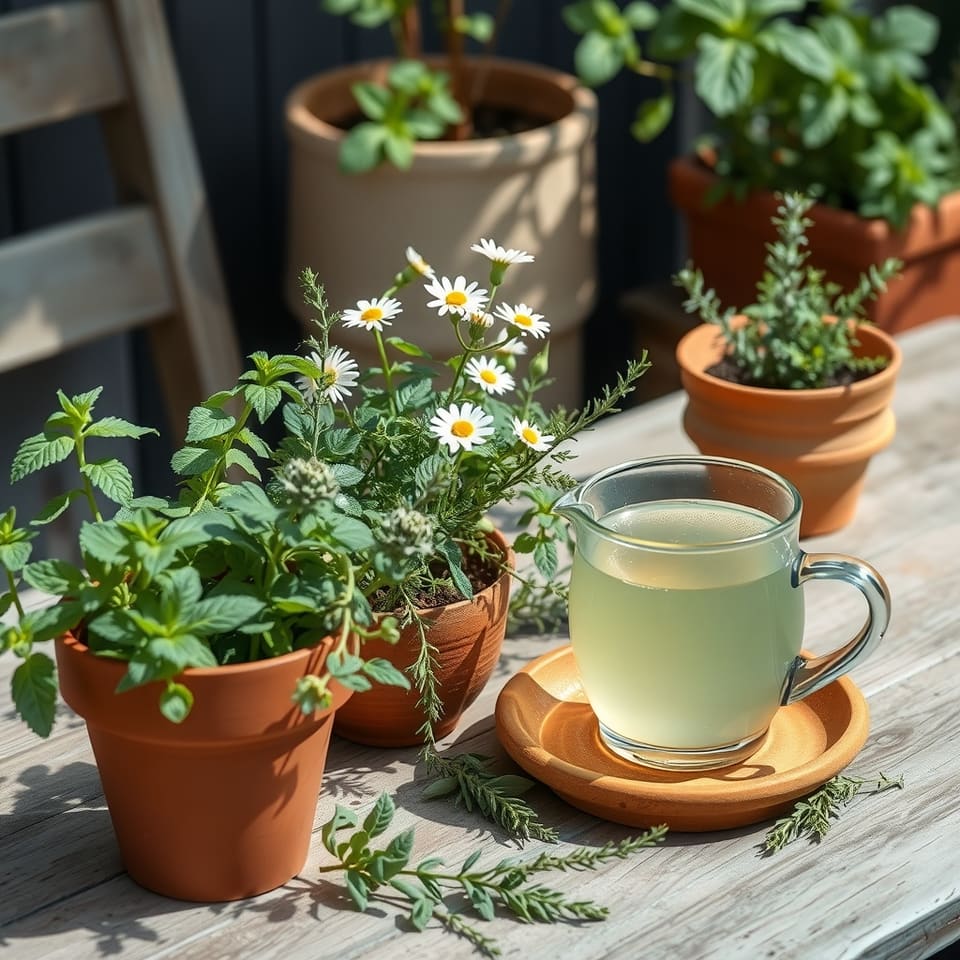
A few pots or a small sunny bed can keep you in fresh herbal tea for most of the year. These six plants are easy to grow, smell wonderful and taste good in a cup.
Put your shop, brand or service in front of people reading about herbs, natural skin care and home remedies, in English and Greek.