Jet Lag Natural Remedies: Light, Timing and Sleep
No tea can reset your body clock, but daylight, timing and a few smart habits can. Here is a simple plan for flying east or west, plus the facts on melatonin.
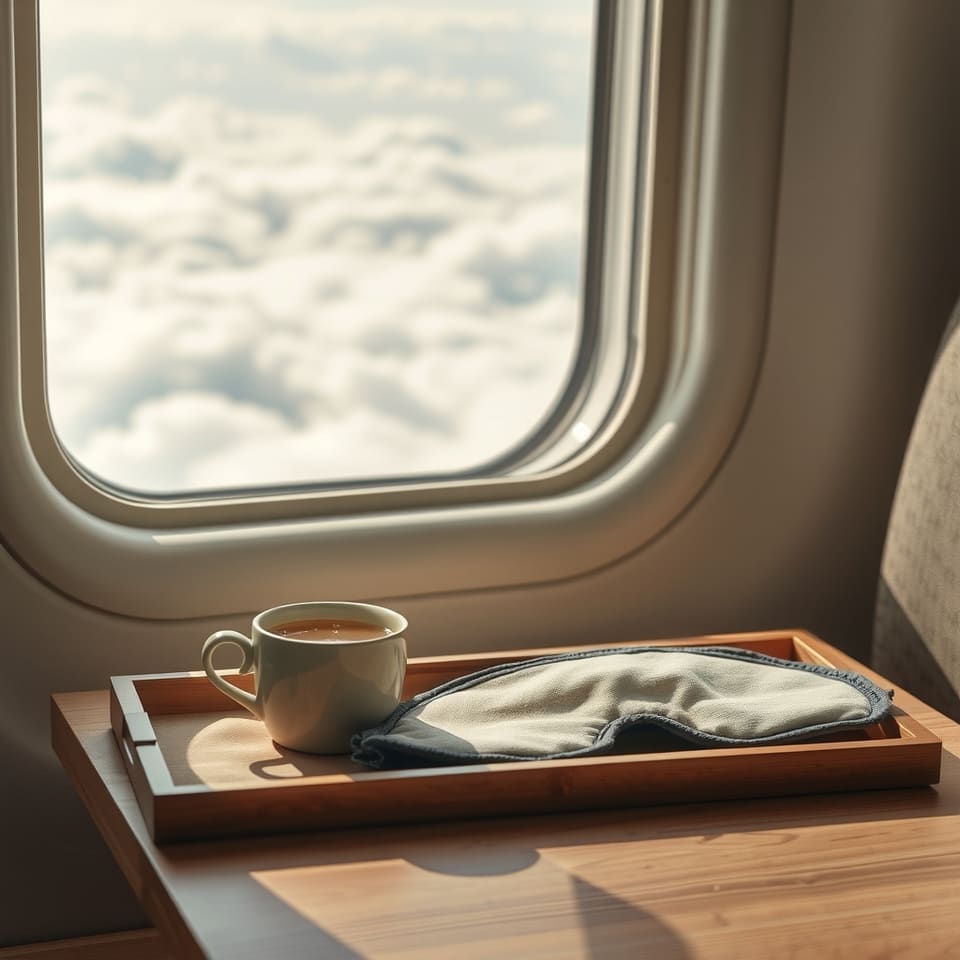
You land in Tokyo, Lisbon or New York, and your body is still on home time. You are wide awake at 3 am and fighting sleep at lunch. That is jet lag, and it happens when you cross time zones faster than your internal clock can follow.
Searches for natural jet lag remedies often lead to teas, tinctures and supplements. The honest answer is that the most powerful natural tools are free: light, the timing of sleep, meals and caffeine, and a little planning before you fly. This guide shows you how to use them.
Why jet lag happens, and why east is harder
Mayo Clinic describes jet lag as a temporary sleep problem that can cause trouble falling asleep or waking too early, daytime tiredness, poor concentration, stomach upsets and a general sense of being unwell. Symptoms usually start within a day or two of crossing at least two time zones.
Direction matters. The CDC explains that most people find it easier to delay their body clock than to bring it forward, so flying west is usually easier. On average, travelers adjust by about 1.5 hours a day after flying west and about 1 hour a day after flying east. Mayo Clinic gives a rough rule of a day to recover for each time zone crossed.
Your step-by-step plan
Before you fly: for 2 to 3 days, shift your bedtime by 1 hour a day toward your destination. The CDC suggests going to bed earlier before an eastward trip and later before a westward trip. Mayo Clinic also advises getting plenty of sleep before you leave and, for important events, arriving a few days early.
On the plane: if it is night at your destination, try to sleep, using an eye mask or earplugs. Drink water regularly. The CDC advises keeping alcohol to a minimum, because it may help you fall asleep but makes sleep more broken.
On arrival, use light. Get outside in daylight on local time. After flying east, the CDC recommends bright light in the early morning and less light in the evening. After flying west, avoid bright early morning light, for example with dark glasses, and seek light later in the day. Mayo Clinic notes that if you cross more than eight time zones, the best timing is different, so a travel clinic can help you plan.
Use caffeine on purpose. The CDC says caffeine during the local morning and daytime can help alertness, but it should be avoided in the hours before bed. One CDC example plan stops caffeine 6 hours before bedtime. Switch to local mealtimes straight away.
Nap wisely. Short naps of 20 to 30 minutes can get you through the first afternoon, but the CDC warns that long daytime naps can spoil the following night's sleep. In the evening, wind down with a caffeine-free drink, such as a cup of chamomile, and go to bed at a normal local time.
What the evidence says
Light and timing are the backbone of CDC and Mayo Clinic advice on jet lag. Melatonin, a hormone the body makes in the evening, has the most research among supplements. NCCIH, the US National Center for Complementary and Integrative Health, says research suggests melatonin may help with jet lag, and a review of 10 studies found it may help after both eastbound and westbound flights.
Timing and dose matter more than you might think. The CDC says doses of 0.5 to 1 mg are often enough to shift the body clock, doses above 5 mg are not recommended, and taking it at the wrong time can make the mismatch worse. Rules also differ around the world. In the US melatonin is sold as a dietary supplement, while NCCIH notes that several other countries treat it as a medicine available only on prescription.
None of the sources we checked recommend a herbal tea for jet lag, and NCCIH says trials have not shown conclusively that chamomile helps insomnia. A warm, caffeine-free cup can still be a useful signal that it is time to sleep in your new time zone.
Questions people ask
What is the fastest natural way to beat jet lag?
Switch to local time at once and use daylight at the right time of day. After flying east, seek morning light; after flying west, seek afternoon and evening light.
Is melatonin natural?
Your body makes melatonin, but supplements are manufactured products. In the US they are sold as dietary supplements, while some other countries make them prescription only. Check local rules and ask a pharmacist.
Does staying hydrated help jet lag?
It will not reset your clock, but the CDC notes that being short of fluid can make the physical symptoms of jet lag feel worse. Drink water regularly and go easy on alcohol.
Sources
- Jet Lag Disorder — CDC Yellow Book
- Jet lag disorder: Symptoms and causes — Mayo Clinic
- Melatonin: What You Need To Know — NCCIH
- Sleep Disorders and Complementary Health Approaches — NCCIH
This article is for general information only and is not medical advice. Herbs can interact with medicines and health conditions. Talk to a doctor or pharmacist before trying a herbal remedy, especially if you are pregnant, breastfeeding, giving it to a child, or taking any medication.