St. John's Wort Interactions: Medicines to Check
St. John's wort is one of the best-known herbal remedies, and one of the most likely to interfere with medicines. Here is which medicines are affected, why, and what to do before you take it.
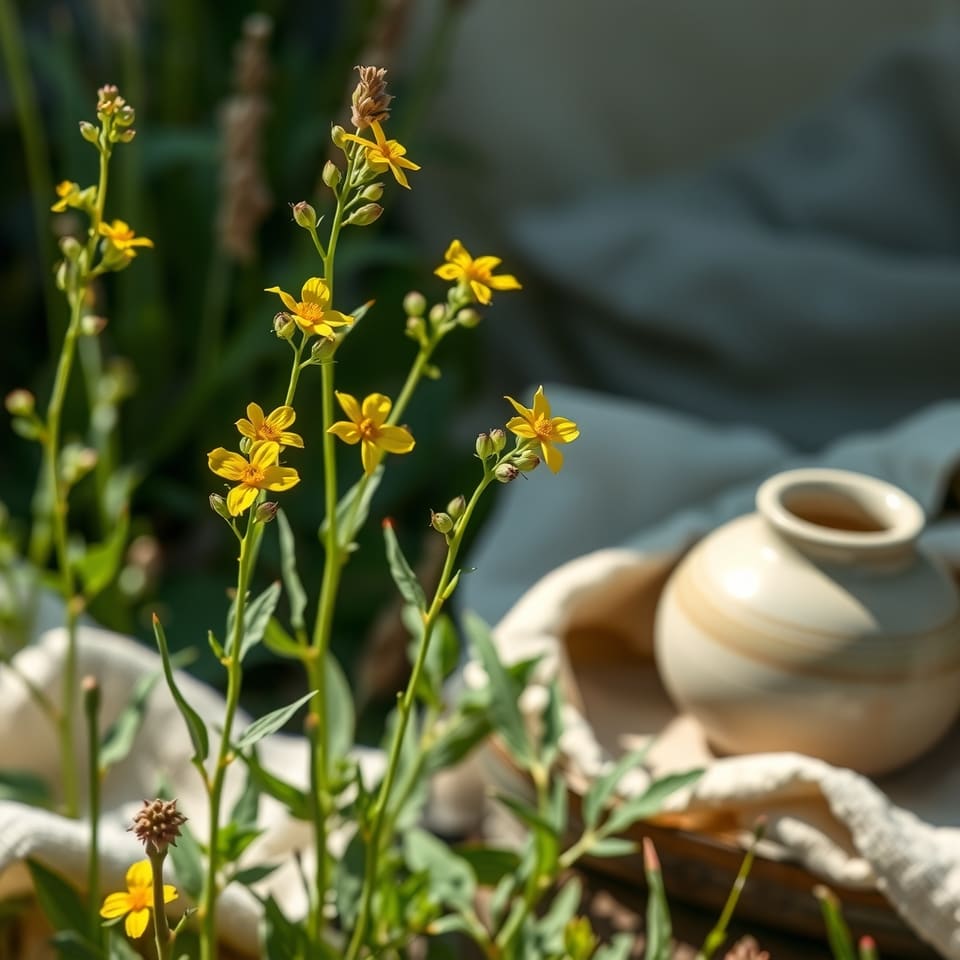
St. John's wort is a yellow-flowered plant taken by mouth, and sometimes applied to the skin. It is best known as a remedy for low mood. Because it is sold as a herbal product, many people do not think to mention it to their doctor or pharmacist.
That can be a serious mistake. NCCIH says St. John's wort can weaken the effects of many medicines, including crucially important ones. Here is what you need to know before you take it.
Why it interacts with so many medicines
NCCIH explains that St. John's wort changes the way your body breaks down many medicines, which can limit how well they work. In plain words, less of the drug may be left in your body to do its job.
St. John's wort also affects serotonin, a brain chemical. Taken together with certain antidepressants, it can lead to a potentially life-threatening increase in serotonin.
Medicines it can weaken or affect
NCCIH and Memorial Sloan Kettering Cancer Center list interactions with many medicines, including:
Birth control pills, which may lead to breakthrough bleeding or an unplanned pregnancy.
Blood thinners such as warfarin, and the antiplatelet medicine clopidogrel.
Heart medicines such as digoxin and ivabradine, some statins such as simvastatin, and some blood pressure medicines such as nifedipine.
Transplant medicines such as cyclosporine and tacrolimus.
Some HIV medicines, some seizure medicines such as phenytoin and carbamazepine, and some cancer medicines such as irinotecan, imatinib and docetaxel.
Antidepressants, migraine medicines called triptans, some sleep and anxiety medicines, and the painkiller oxycodone.
This list is not complete. If you take any regular medicine, check with a pharmacist before using St. John's wort.
What the evidence says
For mild to moderate depression, NCCIH says St. John's wort appears to work better than a placebo and about as well as standard antidepressants. It is uncertain whether this holds for severe depression or beyond 12 weeks, and NCCIH stresses that it is not a proven therapy and should not replace care or delay a visit to a professional.
The interaction risk is well documented. Memorial Sloan Kettering lists reported cases of transplant rejection, serotonin syndrome and mania in people with bipolar disorder. It also says the herb may reduce the effect of chemotherapy and should be stopped at least one week before surgery or chemotherapy.
Before you take it, step by step
Step 1. Write down every medicine, supplement and herbal product you take, including birth control.
Step 2. Show the list to your pharmacist or doctor and ask directly whether St. John's wort is safe with it. The sources do not separate teas from capsules, so treat any form you swallow the same way.
Step 3. Do not take it with antidepressants unless your doctor has agreed. Never stop a prescribed antidepressant on your own to switch to the herb.
Step 4. If you use hormonal birth control, ask about extra protection.
Step 5. If you are due for surgery or cancer treatment, tell your team and stop it at least a week before, as advised.
Step 6. If you already take it together with a prescription medicine, do not stop either one suddenly. Ask your doctor how to change safely.
Questions people ask
Does St. John's wort tea interact with medicines too?
The sources we checked do not set a safe amount for tea. Treat the tea like any other form you swallow and check with a pharmacist first.
Can St. John's wort stop the pill from working?
Yes, it can. Memorial Sloan Kettering reports breakthrough bleeding and pregnancies in women taking oral contraceptives with it.
Is it safe to use St. John's wort oil on my skin?
Applied to the skin, it may cause severe reactions after sun exposure. Keep treated skin out of the sun and stop if you notice redness or a rash.
Sources
- St. John's Wort: Usefulness and Safety — NCCIH
- St. John's Wort (About Herbs) — Memorial Sloan Kettering Cancer Center
- 5 Things To Know About St. John's Wort and Depression — NCCIH
- Serotonin syndrome: Symptoms and causes — Mayo Clinic
This article is for general information only and is not medical advice. Herbs can interact with medicines and health conditions. Talk to a doctor or pharmacist before trying a herbal remedy, especially if you are pregnant, breastfeeding, giving it to a child, or taking any medication.