How Much Herbal Tea Per Day Is Too Much?
Most everyday herbal teas are gentle, but there is no single safe number of cups for every herb. Here is how to work out a sensible amount for the teas you actually drink.
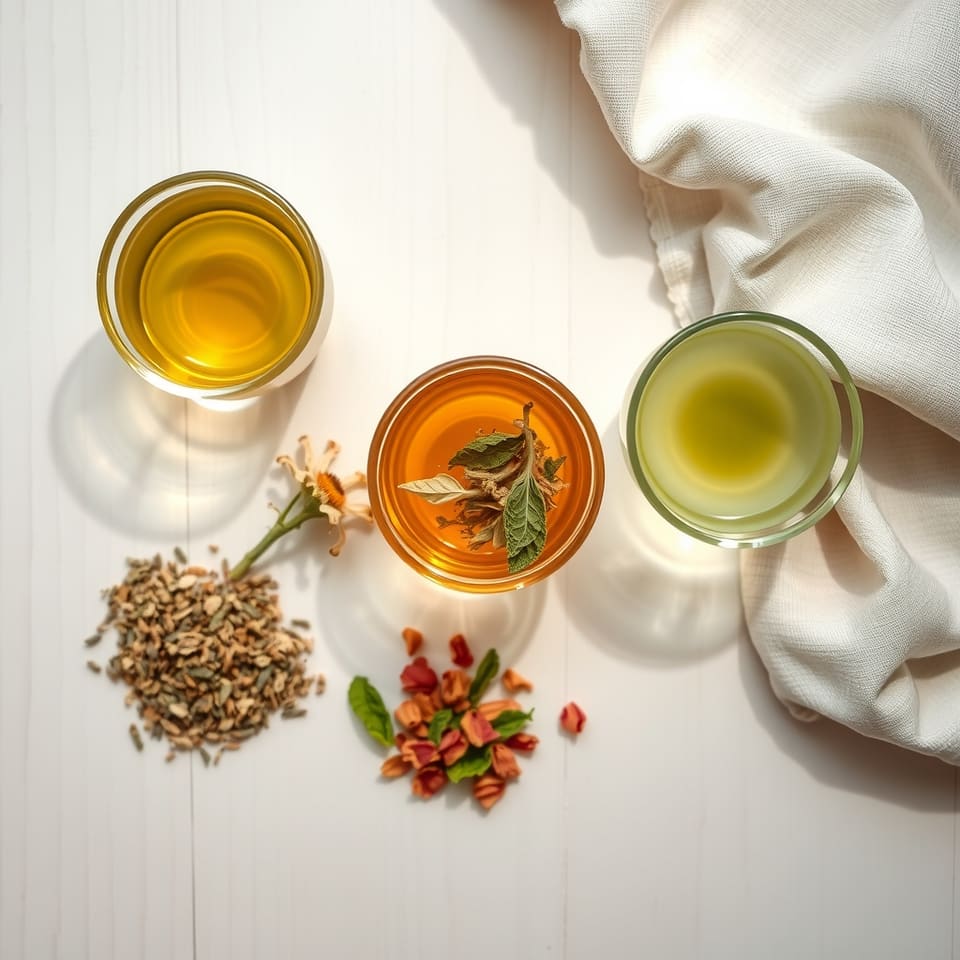
Around the world, people drink herbal tea all day long. Chamomile in Europe, hibiscus in Mexico and Egypt, rooibos in South Africa, mint in North Africa and the Middle East. Because these drinks feel so gentle, it is easy to assume that more is always fine.
For most people, a few cups of a common herbal tea are a normal part of the day. But herbal tea is not one thing. Each plant is different, a few herbs need real limits, and drinking the same tea in large amounts every day has its own small risks. This guide walks you through how to judge your own cups.
There is no single number for every herb
How strong a cup is depends on the herb, how much you use and how long you steep it. That is why official guidance is given herb by herb, not as one rule for all teas.
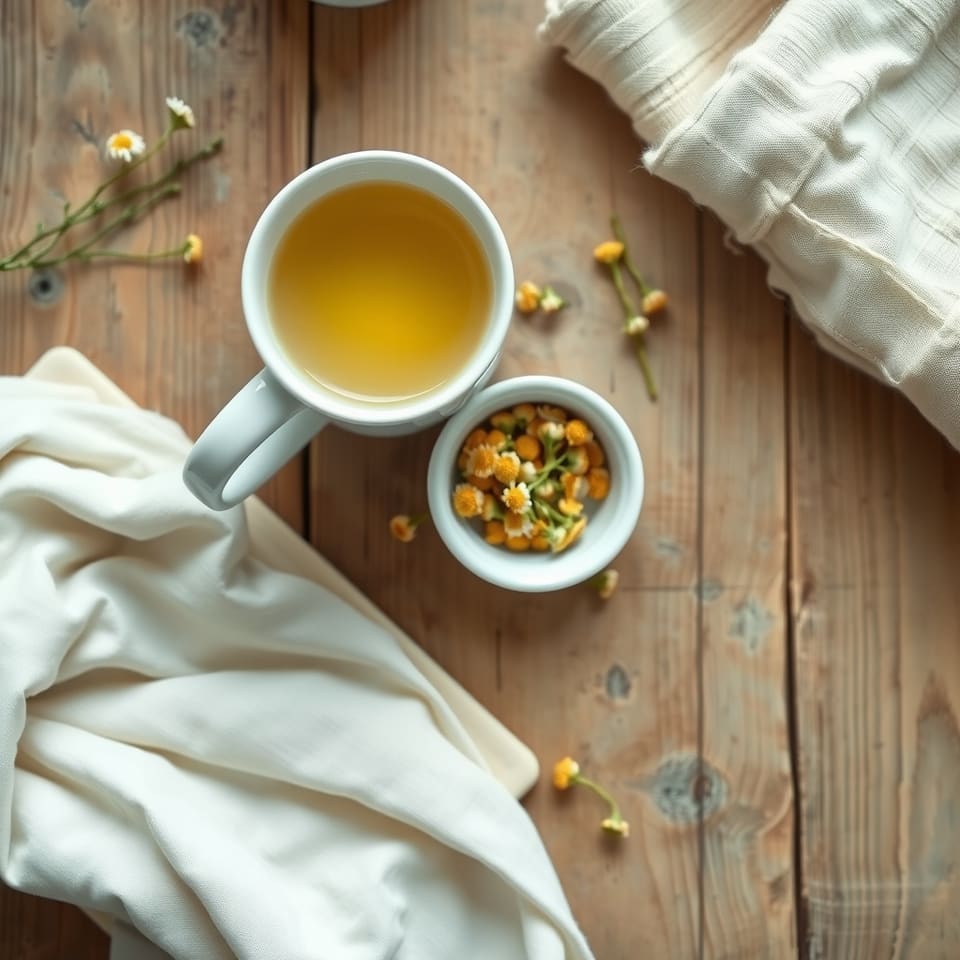
In Europe, the European Medicines Agency publishes monographs for medicinal herbs. For chamomile tea used for minor stomach complaints, its monograph gives 1.5 to 4 g of dried flowers in 150 ml (about 2/3 cup) of boiling water, three to four times a day for adults. It also says to see a doctor if symptoms last more than a week. Chamomile should be avoided by anyone allergic to plants in the daisy family.
So a useful habit is to look up the herb you drink most and stay within the usual amounts for that plant, rather than drinking without a limit.
Herbs where the amount really matters
Licorice root is the clearest example. It is found in many sweet-tasting tea blends. NCCIH explains that licorice contains glycyrrhizin, which can cause serious effects such as an irregular heartbeat, mostly with large amounts or long-term use. In people with high blood pressure, heart or kidney conditions, even small amounts have caused severe effects, and a high-salt diet raises the risk. Deglycyrrhizinated licorice has the glycyrrhizin removed.
Caffeine is the other one to watch. Pure herbal teas are usually caffeine free, but many blends include green or black tea. The FDA gives 400 mg of caffeine a day as an amount not generally linked to negative effects in healthy adults. It lists about 37 mg in a 355 ml (12 fl oz) cup of green tea and about 71 mg in the same size of black tea. Too much can cause a racing heart, poor sleep, jitters, anxiety and an upset stomach.
What the evidence says
For most herbal teas, there are no studies that set an exact safe number of cups a day. The guidance we have comes from herbal monographs, food safety agencies and reports of side effects, not from long trials of daily drinkers.
One reason to vary your teas comes from Germany's Federal Institute for Risk Assessment (BfR). Some herbal teas can contain small traces of natural plant toxins called pyrrolizidine alkaloids, picked up from weeds harvested with the crop. The BfR advises a varied diet, not giving children only teas and herbal teas, and that pregnant and breastfeeding women, and anyone who drinks mainly herbal tea, alternate tea with other drinks.
How to find your sensible amount, step by step
Step 1: Know what is in your cup. Read the ingredients of any blend and look for licorice and for green or black tea.
Step 2: Check the usual amount for that herb. If an official monograph or the package gives a number of cups, stay within it.
Step 3: Rotate your teas. Swap between two or three different herbs during the week and drink plain water too.
Step 4: Count your caffeine across the whole day, including coffee, cola and caffeinated tea blends.
Step 5: If you take any regular medicine, are pregnant or breastfeeding, or are giving tea to a child, ask your doctor or pharmacist before drinking a medicinal herb every day.
Step 6: Stop and take note if you feel unwell, such as a pounding heart, headaches, poor sleep or stomach upset after a particular tea.
Questions people ask
Is it bad to drink herbal tea all day?
For most healthy adults, a few cups of a common herbal tea is a normal amount. The European monograph for chamomile, for example, describes three to four cups a day. The bigger risks come from specific herbs like licorice, from caffeine in blends, and from drinking only one tea in large amounts every day.
Is it fine to drink chamomile tea every day?
The European herbal monograph for chamomile describes three to four cups a day for adults with minor stomach complaints, and advises seeing a doctor if symptoms last more than a week. Avoid it if you are allergic to the daisy family.
Are tea bags weaker than loose herbs?
It depends on how much herb is in the bag and how long you steep it. A longer steep or two bags in one cup gives a stronger drink, so count that as more.
Sources
- European Union herbal monograph on Matricaria recutita L., flos — European Medicines Agency
- Licorice Root: Usefulness and Safety — NCCIH
- Spilling the Beans: How Much Caffeine is Too Much? — U.S. Food and Drug Administration
- Questions and Answers on Pyrrolizidine Alkaloids in Food — German Federal Institute for Risk Assessment (BfR)
This article is for general information only and is not medical advice. Herbs can interact with medicines and health conditions. Talk to a doctor or pharmacist before trying a herbal remedy, especially if you are pregnant, breastfeeding, giving it to a child, or taking any medication.